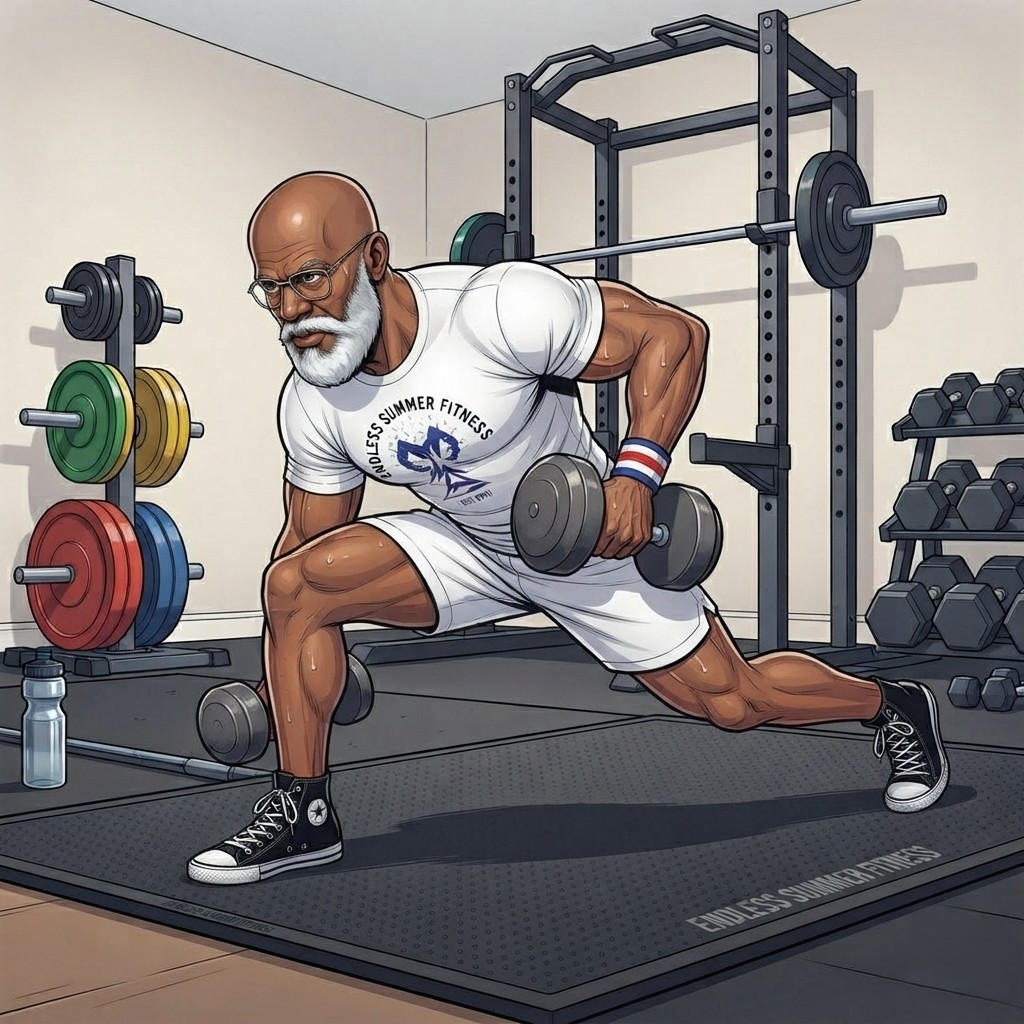

Low-impact walking workouts deliver effective cardiovascular conditioning without placing high shear stress on lower-body joints. By manipulating walking pace and integrating basic bodyweight movements, you elevate metabolic output while preserving articular cartilage and connective tissue. In places like Miami, hybrid athletes and adults over 40 use structured walking intervals to build capacity, preserve energy, and stay consistent.
Focus on Beginner-Friendly Resets & Over-40 Conditioning: Ready for Your Next Step?
If you’re returning to routine or looking to stay strong and energized without pounding your joints, consistency is key. Check out our step-by-step guide on how to safely build a daily movement habit that fits a busy schedule: Read Next: How to Start Exercising When You Feel Out of Shape
This 20-minute session alternates walking speeds with foundational bodyweight movements. You get a short, targeted workout that improves aerobic capacity while strengthening primary muscle groups.
Why Pace Alteration Works
Standard walking at a single speed creates a stable metabolic demand. Varying your speed forces your cardiovascular system to adapt to changing dynamic workloads. Research published in Medicine & Science in Sports & Exercise demonstrates that altering speed increases metabolic cost and improves cardiometabolic markers more than steady-state walking over the same distance.
This routine uses 30-second interval blocks to direct work rates. You alternate between conversational walking, fast power walking, and targeted bodyweight exercises. The sequence maintains an elevated heart rate while reinforcing joint-friendly movement patterns.
Equipment and Setup
You need minimal gear:
- A flat sidewalk, park trail, or treadmill
- A basic countdown timer or interval clock
- Optional: A wearable heart rate monitor
The 20-Minute Interval Matrix
You will cycle continuously through four 5-minute rounds for a total duration of 20 minutes. Maintain continuous movement throughout each 30-second interval block.
Round Structure (Repeat 4 Times Total)
- 0:00 – 0:30 | Easy Walk (Conversational recovery pace)
- 0:30 – 1:00 | Power Walk (Drive arm swing, increase stride frequency)
- 1:00 – 1:30 | Upper Body Strength Move
- 1:30 – 2:00 | Easy Walk (Conversational recovery pace)
- 2:00 – 2:30 | Power Walk (Drive arm swing, increase stride frequency)
- 2:30 – 3:00 | Lower Body Strength Move
- 3:00 – 3:30 | Easy Walk (Conversational recovery pace)
- 3:30 – 4:00 | Power Walk (Drive arm swing, increase stride frequency)
- 4:00 – 4:30 | Core / Stability Move
- 4:30 – 5:00 | Easy Walk (Conversational recovery pace)
Movement Library
Select one exercise option per category based on your baseline strength.
Upper Body Category
Wall or Incline Push-Up

Incline push-ups reduce lumbar extension stress while targeting upper-body pushing mechanics.
Execution: Place hands shoulder-width apart against a sturdy wall or elevated bench. Step feet back until your body forms a straight line from ears to ankles. Brace your core, lower your chest slowly toward the surface by folding elbows at a 45-degree angle, then press firmly back to full arm extension without locking your elbows hard.
Coaching Tip: Keep your glutes squeezed and abdominals tight to prevent your lower back from sagging during the movement.
Lower Body Category
Bodyweight Box Squat or Tempo Squat
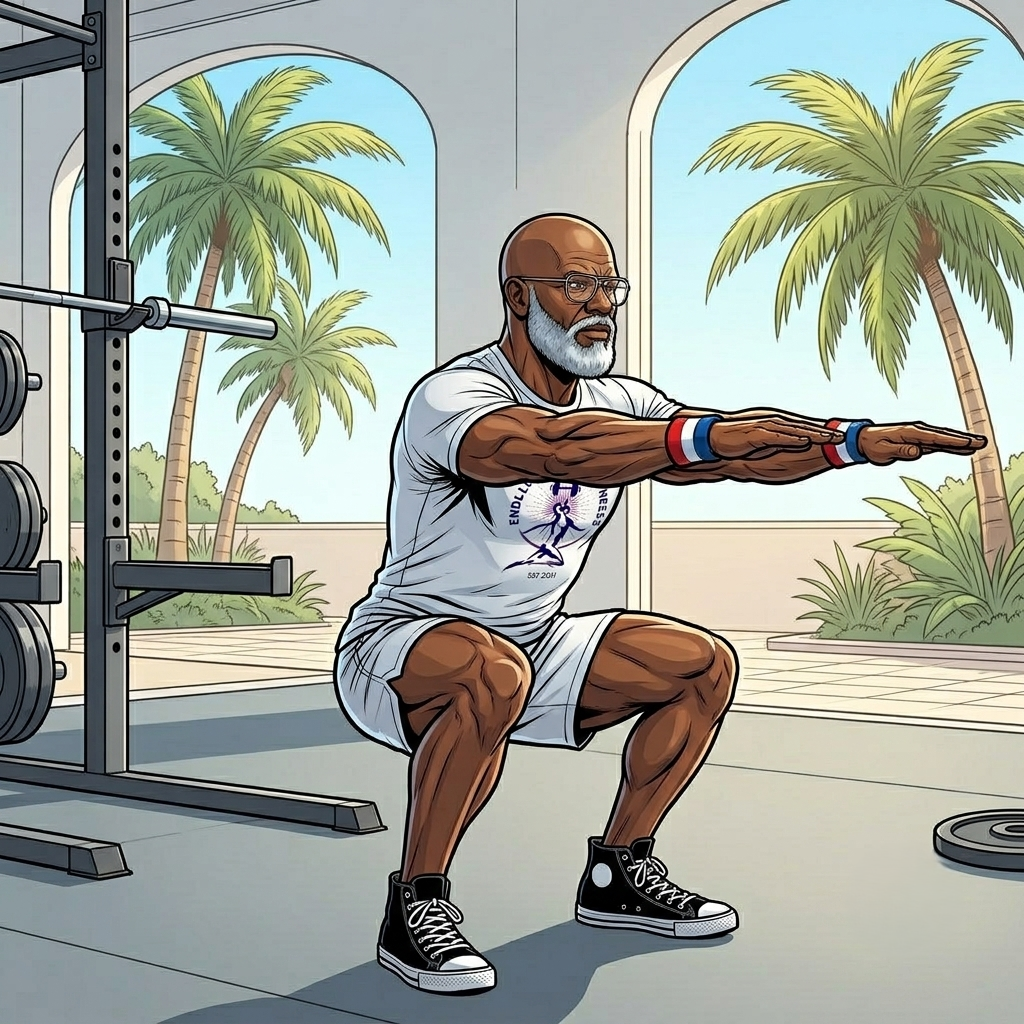
Squatting to a box or using a slow controlled lowering phase protects knee joints while building quad and glute control.
Execution: Stand upright with feet shoulder-width apart and toes turned slightly out. Drive your hips backward first, bending knees to lower yourself under control toward a chair, bench, or target. Touch the surface lightly without slumping your weight, then press through your mid-foot and heel to return to a standing tall posture.
Coaching Tip: Avoid letting your knees collapse inward. Track your knees directly over your second and third toes during every repetition.
Core and Stability Category
Standing Core March or Glute Bridge
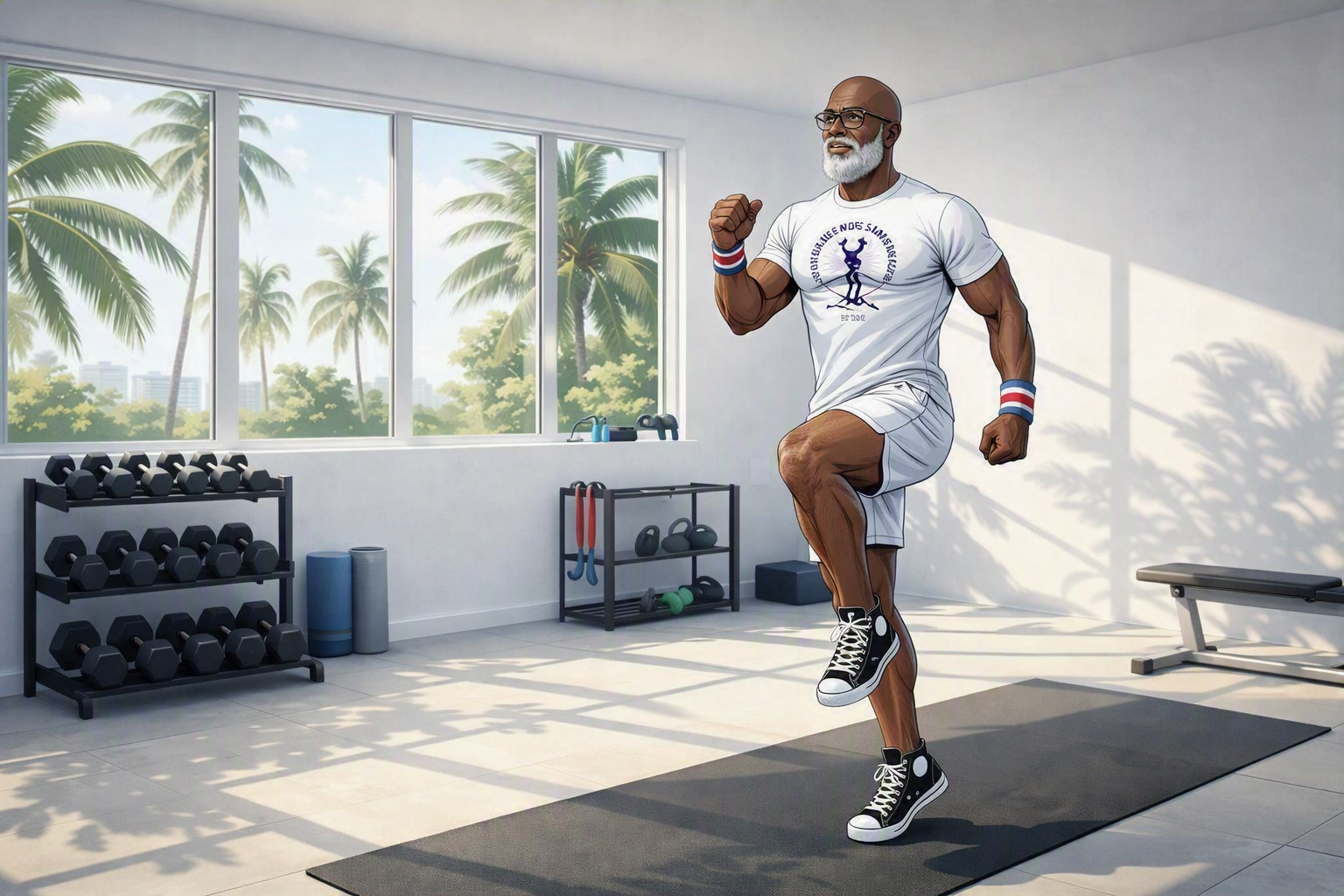
These movements brace the spine without subjecting your lower back to high repetitive lumbar flexion.
Execution: For the Standing Core March, stand tall with feet hip-width apart. Engage your abdominal wall and lift one knee up to height while keeping your torso perfectly upright. Lower the foot under control and repeat on the opposite leg, alternating in a steady, deliberate rhythm.
Coaching Tip: Resist the urge to lean backward or side-to-side as your foot leaves the ground. Keep your shoulders square over your hips.
Warm-Up and Cool-Down Mechanics
Never start an interval session cold. Prepare tissue temperature dynamic movement first, then reset muscle length static stretching after.
Warm-Up (3-5 Minutes Before)
- Perform dynamic movements prior to starting the 20-minute timer:
- Ankle circles and leg swings (10 per side)
- Standing arm circles and chest openers (10 reps each)
- High-knee marches at an easy pace (30 seconds)
Cool-Down (3-5 Minutes After)
- Perform static holds after completing the full workout:
- Standing quad stretch (hold 30 seconds per side)
- Standing calf stretch against a wall (hold 30 seconds per side)
- Doorway chest stretch (hold 30 seconds)
Frequently Asked Questions
- Can walking intervals support body composition goals?
Yes. When paired with structured caloric balance and sufficient daily protein, interval walking elevates total daily energy expenditure while preserving lean body mass. - How many days per week should I perform this routine?
Perform this session 2 to 4 times per week on non-consecutive days, or alternate it with rest days to allow optimal connective tissue recovery. - Is power walking safe for knee joints?
Power walking provides strong cardiovascular stimulus without the high joint-impact forces of running, making it appropriate for individuals managing joint sensitivity. - Can I run this workout on a treadmill?
Yes. Adjust the treadmill speed manually between 0:30 intervals. Keep the incline set between 1% and 2% to emulate outdoor walking mechanics.
Medical Disclaimer: This article is for educational and informational purposes only and does not constitute medical advice. Always consult a physician or certified healthcare professional before beginning any new exercise program, especially if you have pre-existing cardiovascular, metabolic, or musculoskeletal conditions.