If you feel out of shape, starting exercise after 40 can seem like a bigger task than it needs to be. You might picture long sessions, complicated exercises, or sore muscles that make the next few days harder. You can leave all of that out.
A good starting plan is built around repeatable movement. Use simple exercises, keep the first sessions short, and finish with enough energy to carry on with your day. Then give yourself time to learn how your body responds.
This plan is written for adults over 40 who have been inactive or are returning after a break. There are no fitness levels to climb. Start where you are, use the versions that feel manageable, and build only when the current routine feels comfortable.
- For another practical look at combining strength, cardio, and mobility, read The Science Behind Hybrid Fitness Training
Why Starting Small Works
The first goal is to make exercise a regular part of your week. A short walk counts. A few sets of chair sit-to-stands count. You do not need to prove anything in your first session.
For general health, U.S. guidelines recommend working toward at least 150 minutes of moderate-intensity aerobic activity each week, plus muscle-strengthening activity on at least two days. That is a destination, not a starting test. If you have been inactive, begin with a smaller amount and add time gradually.[1]
Strength training can help you build or maintain the strength you use for everyday tasks. Cardio supports heart and lung fitness. A routine with both gives you more than either one alone, but you do not need to cram everything into every workout.[2]
What a Balanced Routine Looks Like
A simple week can include:
• Strength: Two short sessions that work the main muscle groups.
• Cardio: Walking, cycling, swimming, or another activity that raises your breathing rate at a manageable pace.
• Easy movement: Gentle walking or normal daily activity on recovery days.
Moderate cardio should feel like work, but you should still be able to speak in short sentences. If you cannot talk comfortably, slow down. On strength exercises, use a resistance that lets you move with control and stop before your form breaks down.
You do not have to train every day. Leave a day between strength sessions at first, especially if the same muscles are still tired. Recovery varies from person to person. Pay attention to how you feel during the session and the following day.
Find a Comfortable Starting Point
Before each workout, take a few minutes to move easily. Walk around the room, march in place, or do several slow sit-to-stands. Then practice the movements you plan to use, without resistance or with very light resistance.
Your first sessions can last 15 to 20 minutes. Start with one set of each exercise. Rest between movements whenever you need to. Finish feeling that you could have done a little more.
Muscle effort is expected. Sharp pain, dizziness, chest discomfort, or unusual shortness of breath are not signals to push through. Stop and seek appropriate medical advice for concerning symptoms. If you have a health condition or are recovering from injury or surgery, ask a qualified health professional how to get started safely.
A Simple Weekly Plan
Try this schedule for the first two weeks:
- Monday: Strength Session A
- Tuesday: Easy walk for 10 to 15 minutes, or a shorter walk if that feels like enough
- Wednesday: Rest or normal daily movement
- Thursday: Strength Session B
- Friday: Easy walk for 10 to 15 minutes
- Saturday: Optional relaxed walk
- Sunday: Rest
The days can change to fit your calendar. Keep a rest day between the strength sessions when possible. If a week gets busy, keep the two strength workouts and skip the optional walk. The plan should fit around your life.
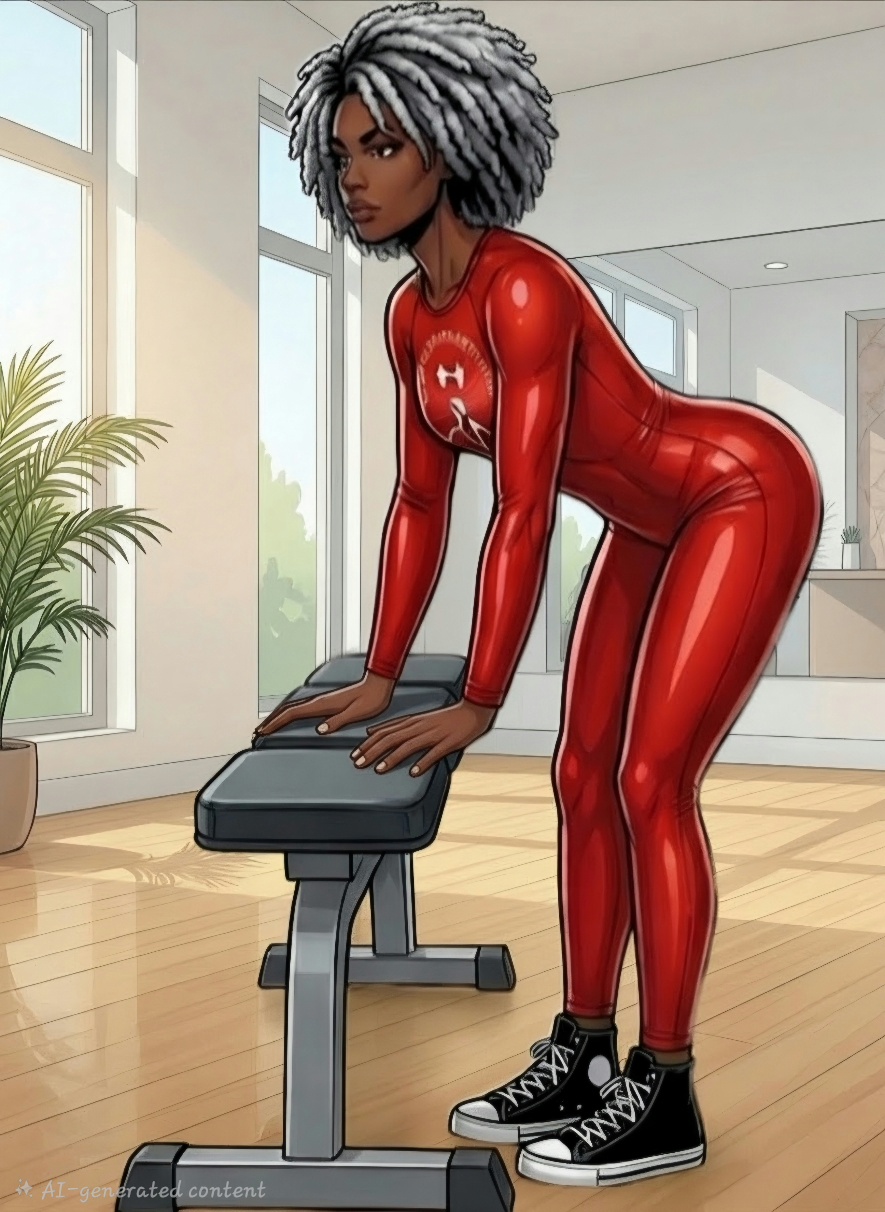
Two Strength Sessions to Rotate
Use a stable chair, counter, and light resistance band if you have one. Start with one set of each movement. Rest as needed. If an exercise feels uncomfortable, shorten the range of motion, use support, or skip it.
Strength Session A
1. Chair Sit-to-Stand
Do 6 to 10 repetitions.
Execution: Sit on a sturdy chair with your feet under your knees. Lean your chest forward slightly and stand by pressing through your feet. Sit back down slowly.
Coaching Tip: Use your hands on the chair or your thighs for support. Choose a higher seat if standing feels difficult.
2. Wall Push-Up
Do 6 to 10 repetitions.
Execution: Place your hands on a wall at chest height. Step back a short distance. Bend your elbows to bring your chest toward the wall, then press away.
Coaching Tip: Make the exercise easier by standing closer to the wall. Keep your movement smooth.
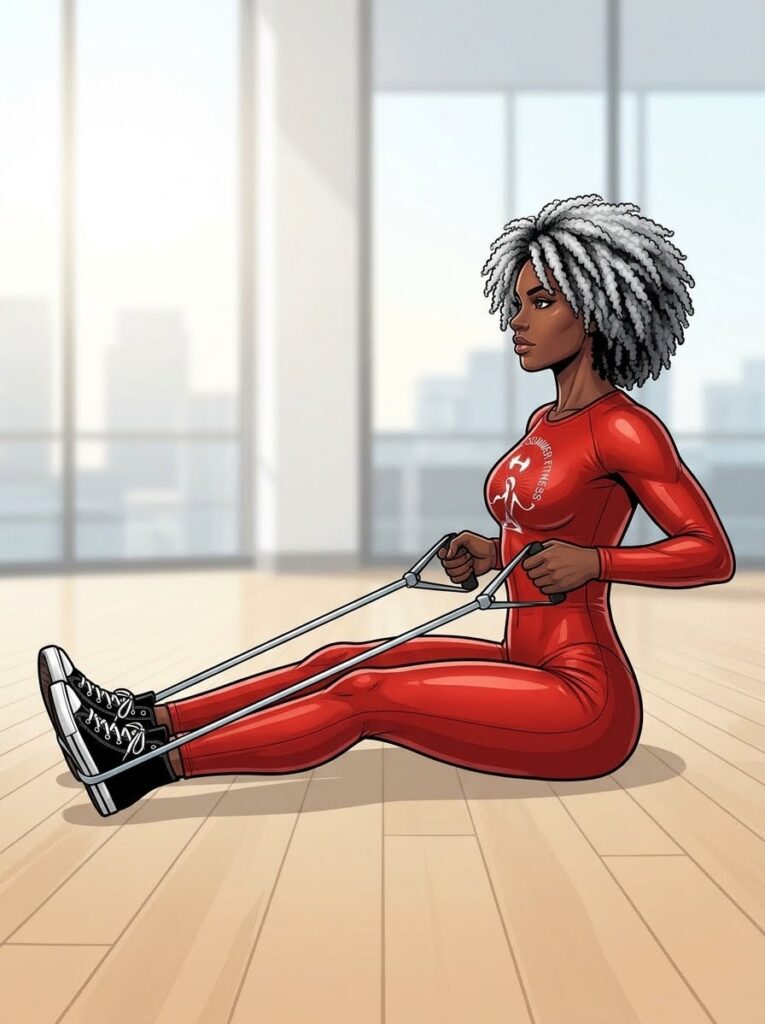
3. Seated Band Row
Do 8 to 12 repetitions.
Execution: Sit tall with a band looped securely around your feet. Hold the ends, pull your hands toward your waist, then return slowly.
Coaching Tip: Keep your shoulders relaxed. If you do not have a band, skip this exercise until you can use one safely.
4. Glute Bridge
Do 8 to 10 repetitions.
Execution: Lie on your back with your knees bent and feet flat. Tighten your buttocks and lift your hips a comfortable distance. Lower with control.
Coaching Tip: Stop before your back arches. Make the lift smaller if your lower back feels uncomfortable.
Strength Session B
1. Supported Hip Hinge
Do 6 to 10 repetitions.
Execution: Stand beside a counter and hold it lightly for balance. Soften your knees, move your hips back, and tip your chest forward slightly. Stand tall again.
Coaching Tip: Keep the range small. You should feel the movement around your hips, without forcing your back.
2. Counter Push-Up
Do 6 to 10 repetitions.
Execution: Place your hands on a stable counter. Step back, bend your elbows, and bring your chest toward the counter. Press back to the starting position.
Coaching Tip: Make sure the counter is sturdy and cannot slide. Use a wall if you are unsure.
3. Supported Heel Raise
Do 8 to 12 repetitions.
Execution: Hold a counter or chair for balance. Rise onto the balls of your feet, pause briefly, then lower your heels.
Coaching Tip: Keep the movement steady. Use both hands for support if needed.
4. Standing March
March in place for 20 to 30 seconds.
Execution: Hold a stable counter and lift one foot, then the other, at a comfortable pace.
Coaching Tip: Keep your steps low and controlled. Stay close to the support.
How to Progress Without Rushing
Repeat the same plan for at least a couple of weeks. When the movements feel comfortable and you recover well, make one small change:
-
- Add one or two repetitions to an exercise.
- Add a second set to one or two exercises.
- Walk for a few more minutes.
- Use a slightly stronger band or light weight.
Change one thing at a time. That makes it easier to see how your body responds. You do not have to increase the workload every week. A steady routine that you can maintain is a good result.
Common Starting Mistakes
• Doing too much on day one: Long workouts and high repetition counts can make it harder to return. Start with less than you think you can handle.
• Using soreness as a scorecard: A workout does not need to leave you sore to be useful.
• Skipping the warm-up: Begin with easy movement and practice the exercises at a lighter effort before doing your working sets.
• Rushing through repetitions: Controlled movement makes it easier to notice whether an exercise feels right for you.
• Copying someone else’s routine: Your starting point depends on your health, experience, and current capacity. Choose the version you can do comfortably.
• Treating every day as a workout day: Rest and easy movement both have a place in a weekly plan.
Frequently Asked Questions
How often should I exercise when I feel out of shape?
Start with two short strength sessions each week and add easy walks as you are able. Build toward public health recommendations gradually. Any amount of activity is a useful start.[1]
Do I need equipment?
No. A sturdy chair, wall, and counter are enough for the exercises in this plan. A resistance band can add another option, but it is not required.
How long should my workouts take?
Start with 15 to 20 minutes. You can add time later if the routine feels manageable and you are recovering well.
What if I miss a workout?
Return to the plan at your next available session. You do not need to make up missed workouts by doubling the next one.
Can exercise help with weight loss?
Physical activity supports health and can be part of a weight-management plan. Weight change depends on several factors, including food intake, sleep, health, and activity. Exercise alone does not guarantee weight loss.
- Take Your Next Step with Endless Summer Fitness Read 5 Essential Moves to Build Over-40 Strength and Stamina for more on combining strength, cardio, and mobility in a practical weekly routine.
Medical Disclaimer: This article is for educational and informational purposes only. It is not medical advice and does not diagnose or treat any condition. Consult a qualified health professional before starting a new exercise program if you have a medical condition, are recovering from an injury or surgery, or have symptoms that concern you. Stop exercising and seek appropriate care if you experience chest pain, fainting, severe shortness of breath, or sudden severe pain.
References
- U.S. Department of Health and Human Services. (2018). Physical Activity Guidelines for Americans (2nd ed.).
- Currier, B. S., et al. (2026). American College of Sports Medicine Position Stand. Resistance training prescription for muscle function, hypertrophy, and physical performance in healthy adults: An overview of reviews. Medicine & Science in Sports & Exercise, 58(4), 851–872.
- Piercy, K. L., et al. (2018). The Physical Activity Guidelines for Americans. JAMA, 320(19), 2020–2028.
“`