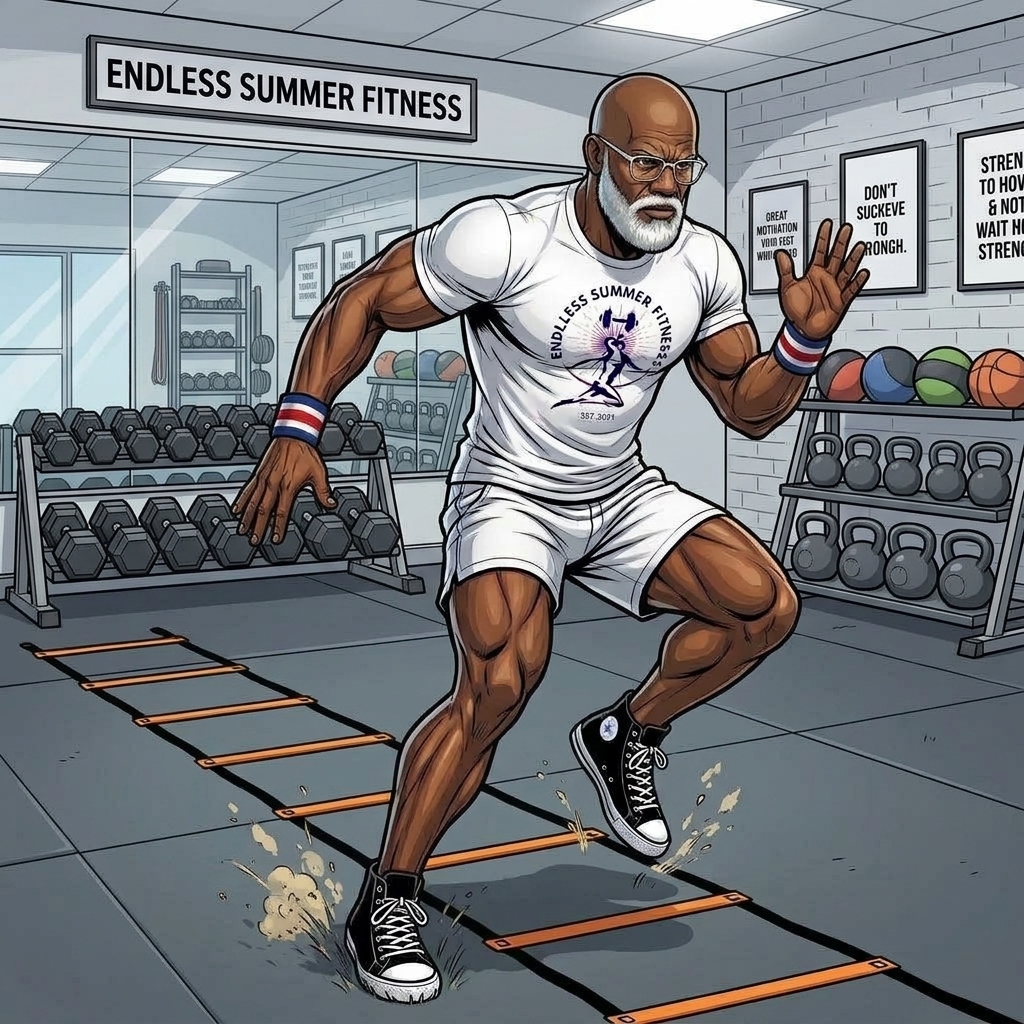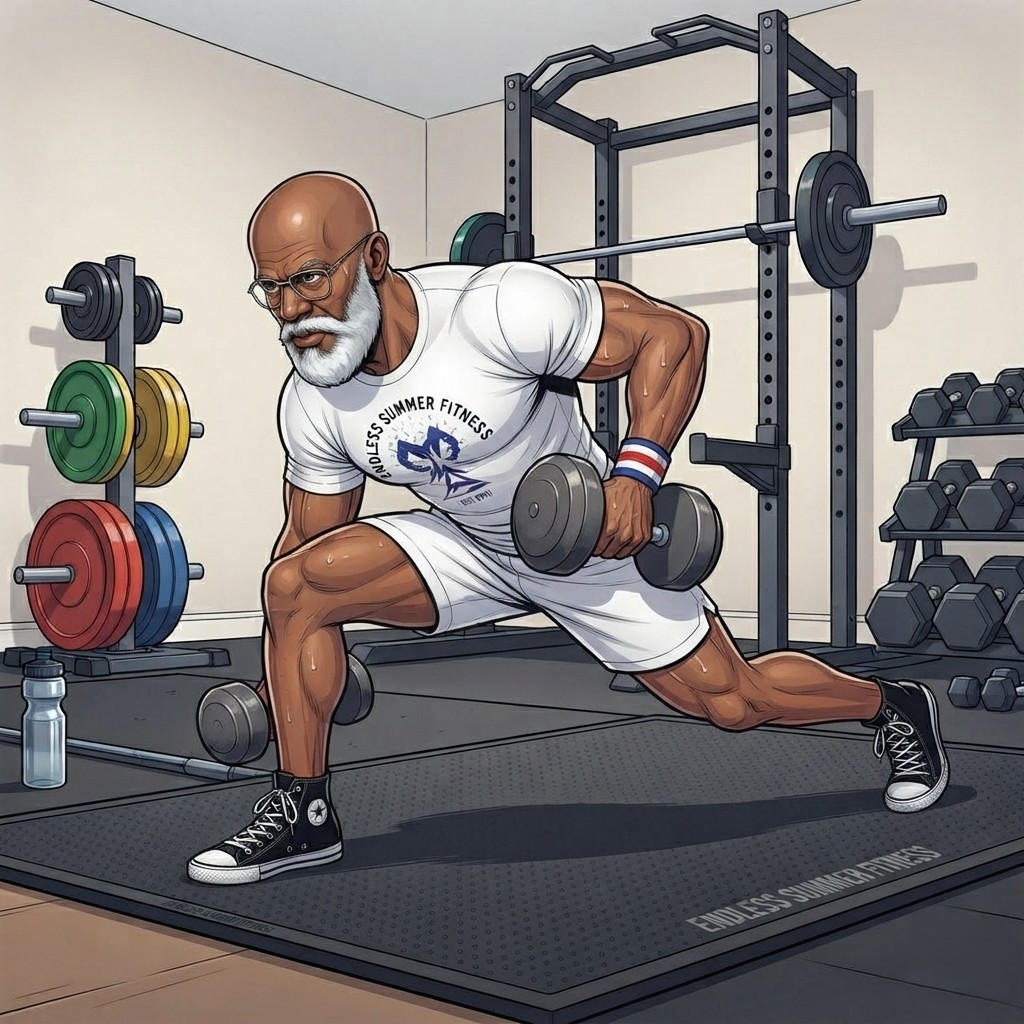
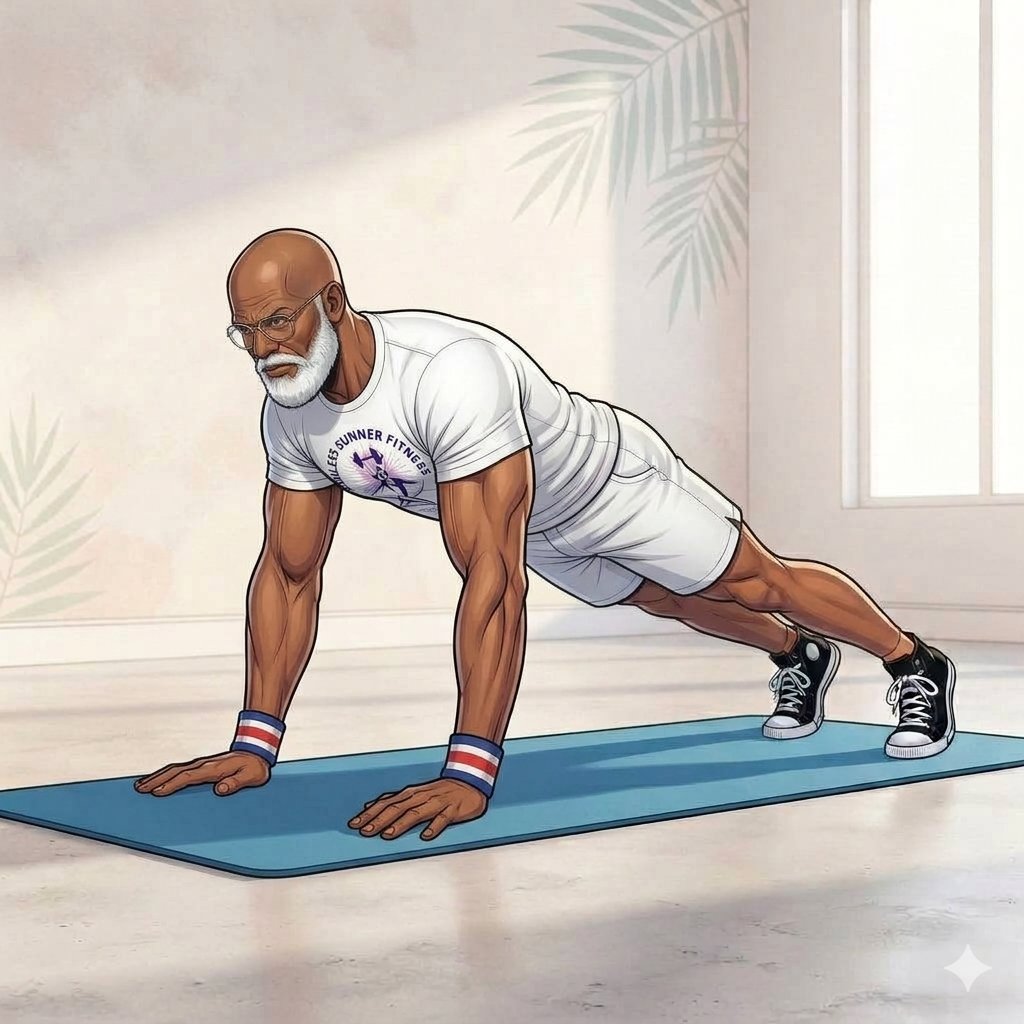
Hybrid fitness combines strength training, cardiovascular conditioning, and mobility work into a single unified system. This approach forges a resilient, capable physique without requiring hours in the gym or complex programming.
Next Steps in Your Journey: 15-Minute Daily Exercise Protocols for Health and Longevity
Beginner programs often fail because they demand too much intensity on day one. Endless Summer Fitness rejects this punishing model entirely. You do not need to suffer to progress. Instead, this framework prioritizes biomechanical clarity, steady confidence, and sustainable consistency.
Who This Guide Supports
This structured entry point accommodates anyone seeking a safe, intelligent path into exercise:
- Absolute beginners taking their first steps
- Adults returning to training after prolonged absences
- Individuals over forty prioritizing joint longevity
- Busy professionals requiring high efficiency
Every single movement scale to your current capacity. You do not need to get fit before you start training.
The Three Pillars of Hybrid Fitness
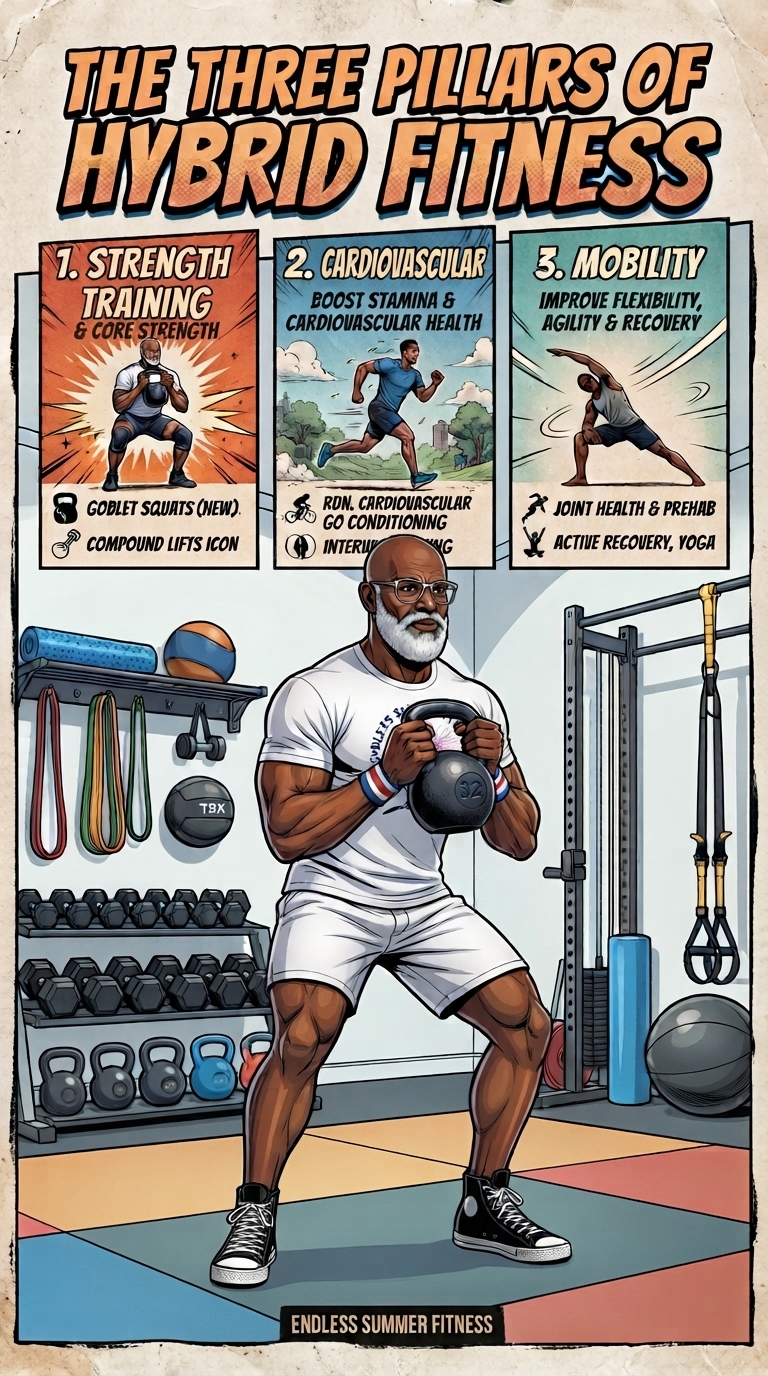
- Strength Training: Builds lean tissue, protects skeletal joints, and elevates resting metabolic rate.
- Cardiovascular Conditioning: Enhances stroke volume, improves stamina, and elevates daily vitality through low-impact means.
- Mobility Work: Decreases joint stiffness, expands functional range of motion, and preempts common overuse injuries.
Establish Your Movement Baseline
Before launching into a full schedule, evaluate your current movement quality. Complete the following self-assessment without rushing:
- 10 air squats
- 10 wall push-ups
- 2-second elevated plank
- 10 glute bridges
- 10 step-backs
- 20-second march in place
Pay attention to which movements feel smooth and which feel restricted. This physical feedback dictates your starting intensity.
Calibrate Your Training Intensity
Never guess your work rate. Use the ESF Intensity Scale during every session:
Calibrate Your Training Intensity with Percentages
A) Level 1 (Very Easy):
20% to 40% effort (or under 50% of maximum heart rate). Conversational pace. You barely notice you are moving. Use this exclusively for recovery days or deep warm-ups.
B) Level 2 (Light, Comfortable Challenge):
40% to 50% effort (50% to 60% of maximum heart rate). Breathing deepens, but you can speak in full paragraphs without pausing for air. This is your aerobic foundation zone.
C) Level 3 (Moderate, Sustainable Challenge):
60% to 70% effort (60% to 75% of maximum heart rate). Speech requires occasional breaths between sentences. Muscles generate mild fatigue, but you can maintain this pace comfortably for extended blocks.
D) Level 4 (Hard Work Under Strict Control):
75% to 85% effort (75% to 85% of maximum heart rate). You can only speak a few disjointed words at a time. Form must remain pristine because fatigue compromises mechanics.
E) Level 5 (Maximal Strain):
90% to 100% effort (85% to 100% of maximum heart rate). All-out maximal output. Speech is impossible. Avoid this zone entirely as a beginner, as it spikes injury risk and overstresses your central nervous system.
Beginners should spend the vast majority of their working sets anchored firmly in Levels 2 and 3 (40% to 70% effort). If your perceived exertion creeps into Level 4 or higher, scale back your movement variation or take an extra rest interval.
The Two-Minute Dynamic Warm-Up
A proper warm-up raises core body temperature and lubricates joint capsules without draining your ATP reserves. Move through each exercise smoothly for 20 to 30 seconds:
- March in place
- Controlled arm circles
- Gentle hip circles
- Bodyweight squats or chair sit-to-stands
- Lateral step-outs
- Diaphragmatic breathing
Build Your Weekly Schedule
Consistency dictates physical adaptation. Choose a frequency that matches your current lifestyle:
- 3 days per week: Optimal for true beginners
- 4 days per week: Balanced progression for steady results
- 5 days per week: Short, low-volume sessions only
Your First 8-Minute Hybrid Circuit
This beginner workout introduces you to the core Endless Summer Fitness methodology. It requires zero equipment and protects your lower back.
Round 1
- 30 seconds: Bodyweight squats
- 30 seconds: Wall push-ups
- 30 seconds: Glute bridges
- 30 seconds: March in place
Rest for 60 seconds.
Round 2
Repeat the exact sequence above. If your joints feel fresh and your form remains crisp, execute a third round. If fatigue sets in, stop right there.
Scaled Modifications
- Squats → Chair sit-to-stands
- Push-ups → Incline push-ups
- Lunges→ Step-backs
- Plank → Elevated incline plank
- March → Slow step-touch
The Two-Minute Cool-Down
Conclude your session with parasympathetic down-regulation to accelerate recovery and minimize next-day DOMS:
- Slow, conversational walking
- Gentle, unforced static stretching
- Deep diaphragmatic breathing
Medical Disclaimer: This article serves educational and informational purposes only. It does not constitute formal medical advice. Consult a qualified physician or certified fitness professional before starting any new exercise regimen.
References
-
American College of Sports Medicine. ACSM’s Guidelines for Exercise Testing and Prescription.
-
National Strength and Conditioning Association. Resistance Training for Health and Longevity.
-
Journal of Strength and Conditioning Research. Cardiorespiratory and Muscular Adaptations to Concurrent Training.