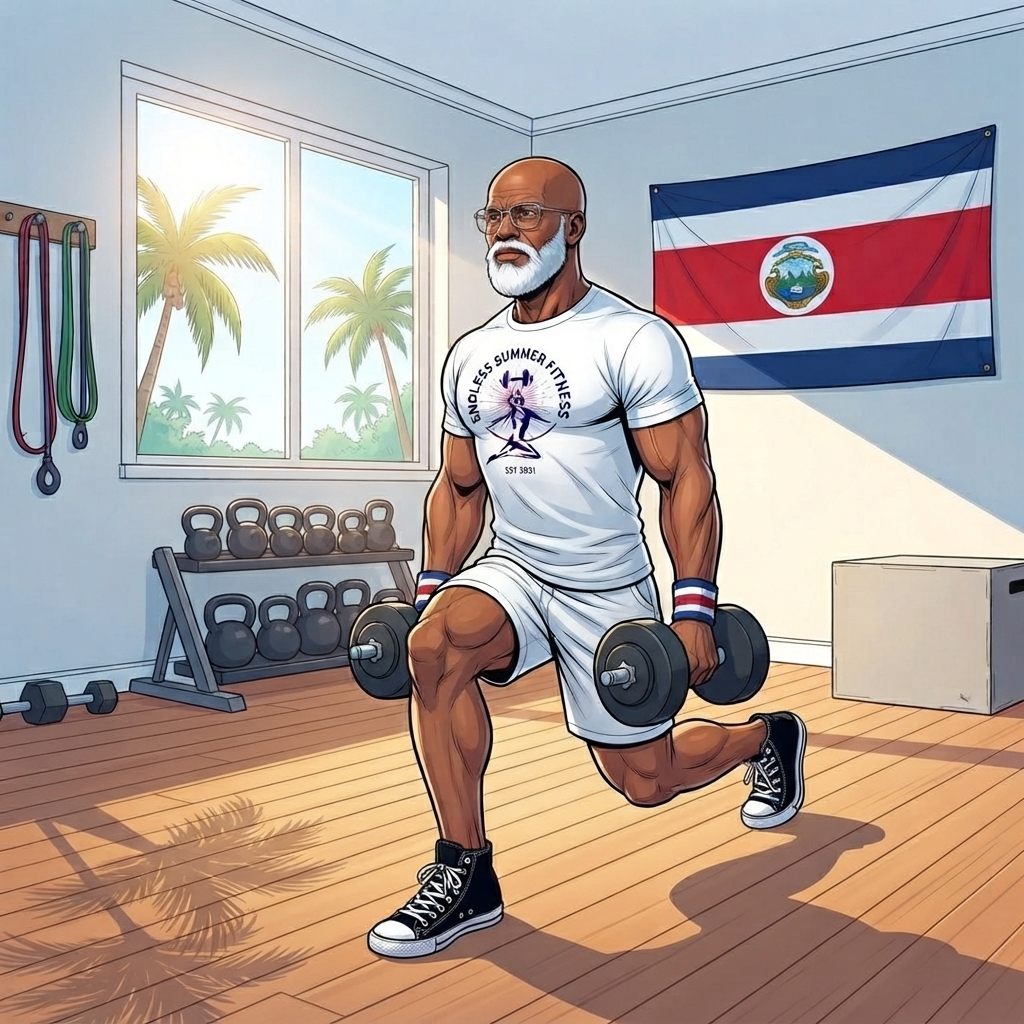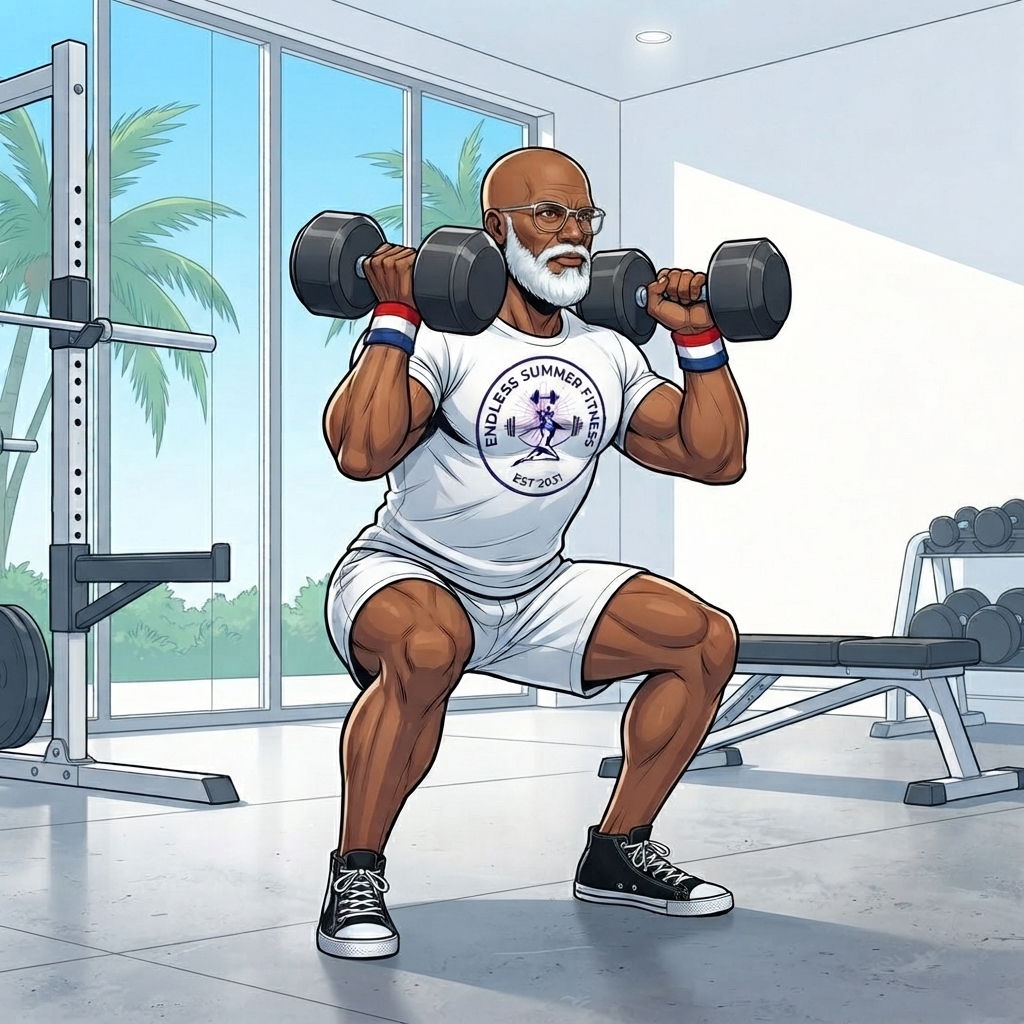
This guide provides hip mobility fixes for people over-40 and generally anyone else with chronic tight hips. If you’re over 40 and your hips feel like rusty hinges, you’re not alone.
Don’t forget to check out: 5 Dynamic Hybrid Exercises for Over 40 Adults
Whether you sit at a desk all day, log miles on the road, lift heavy, or chase kids around the house, hip tightness doesn’t discriminate. It settles into men and women alike. The good news? You don’t need 90 minutes of yoga or contortionist tricks to turn things around.
These five transforming fixes target the deep rotators, flexors, and stabilizers that stiffen with age, inactivity, and repetitive movement. Done consistently, they restore bounce, protect your lower back, and make every day bending, squatting, and walking feel effortless again.
1. The Weighted Pigeon Slide (Not Just a Stretch)
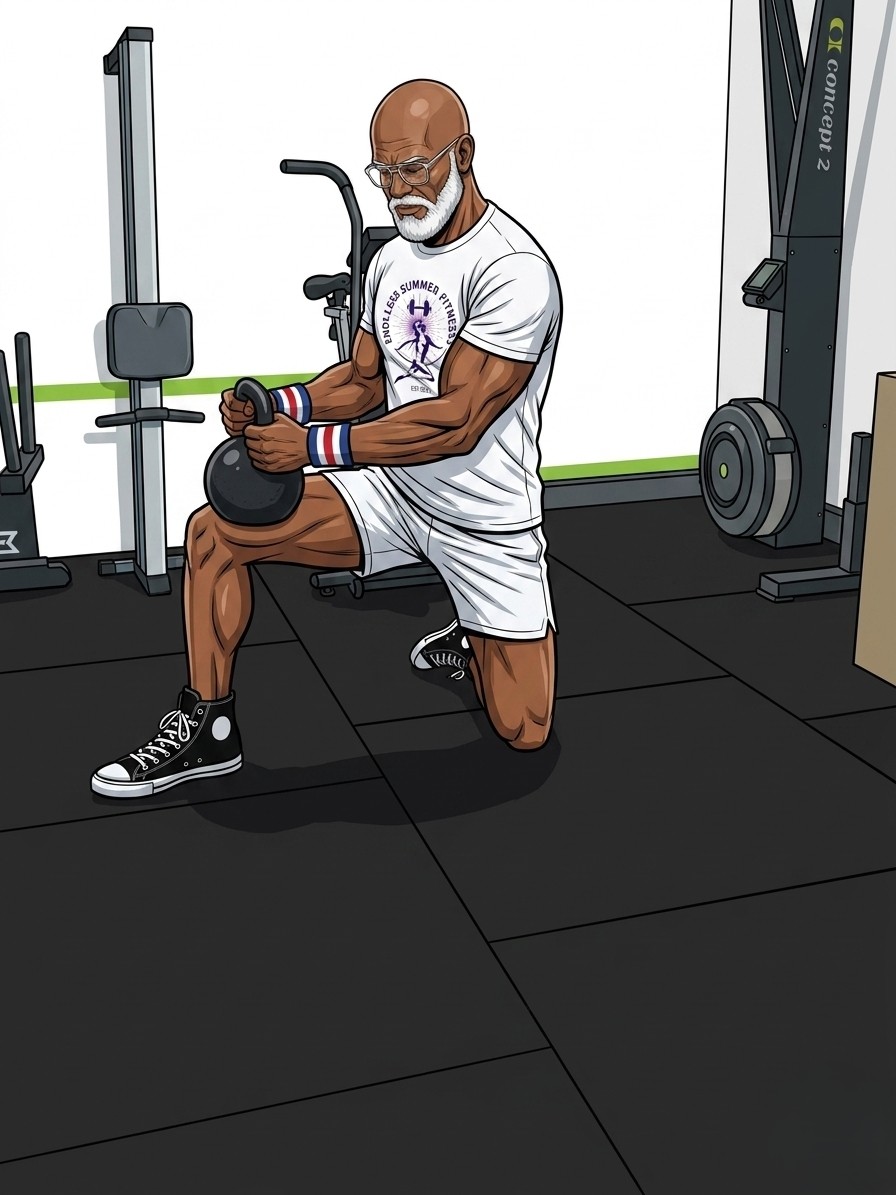
Most people hold a static pigeon pose and hope for the best. For over-40-year-old bodies, male or female, that often irritates the knee or the SI joint (The sacroiliac (SI) joint is the connection point between your spine and your pelvis). Instead, try the weighted pigeon slide. #1 of 5 hip mobility fixes:
- Start in a tall kneeling position, right knee forward, left leg back.
- Place a light dumbbell (5 to 10 lbs.) on your right glute and hamstring junction.
- Slowly slide your right foot outward to about 45 degrees, keeping your shin angled.
- Gently rock your hips forward and back over a 3‑second count. Never bounce.
- Do 8 controlled reps per side.
Why it works: The added weight increases proprioceptive feedback, helping both men and women recruit the deep external rotators without forcing the joint. It transforms a passive stretch into an active mobility drill.
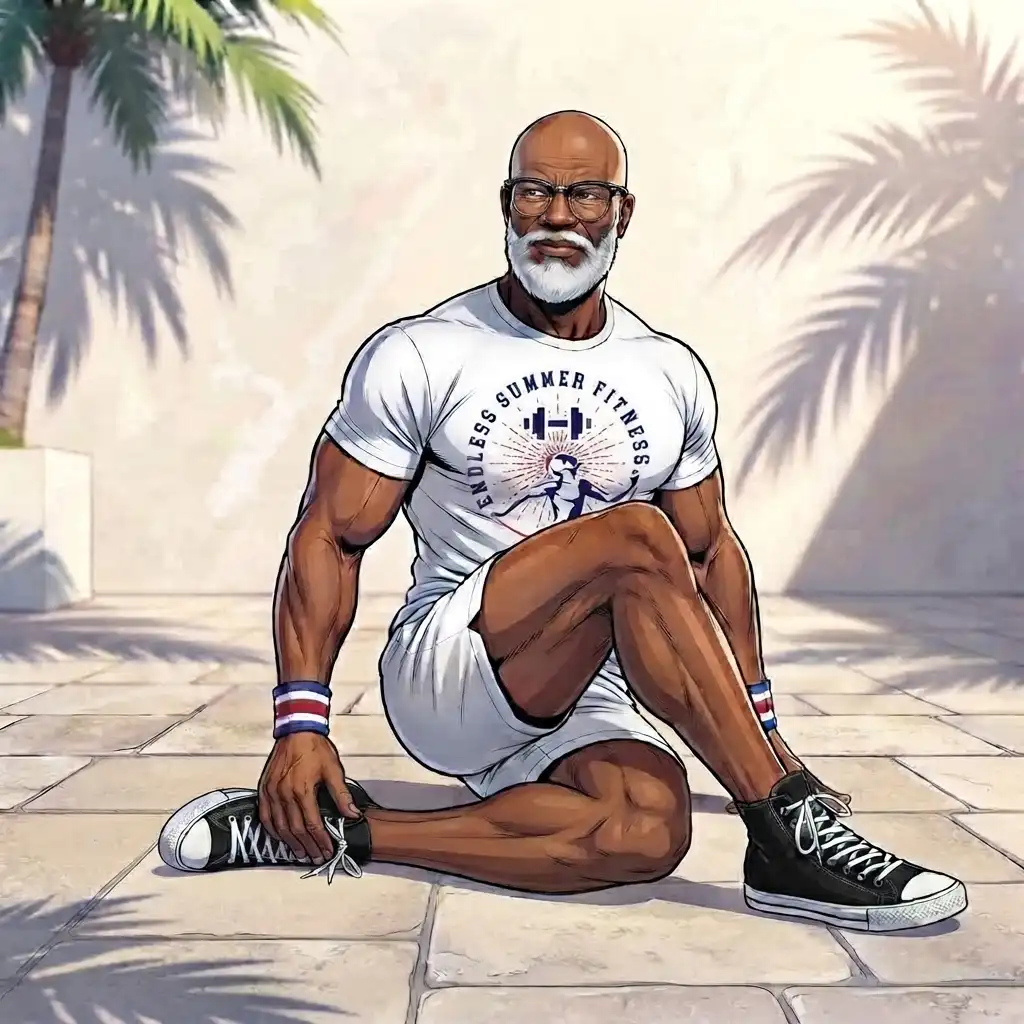
2. 90/90 Hip Rocks with a Pause
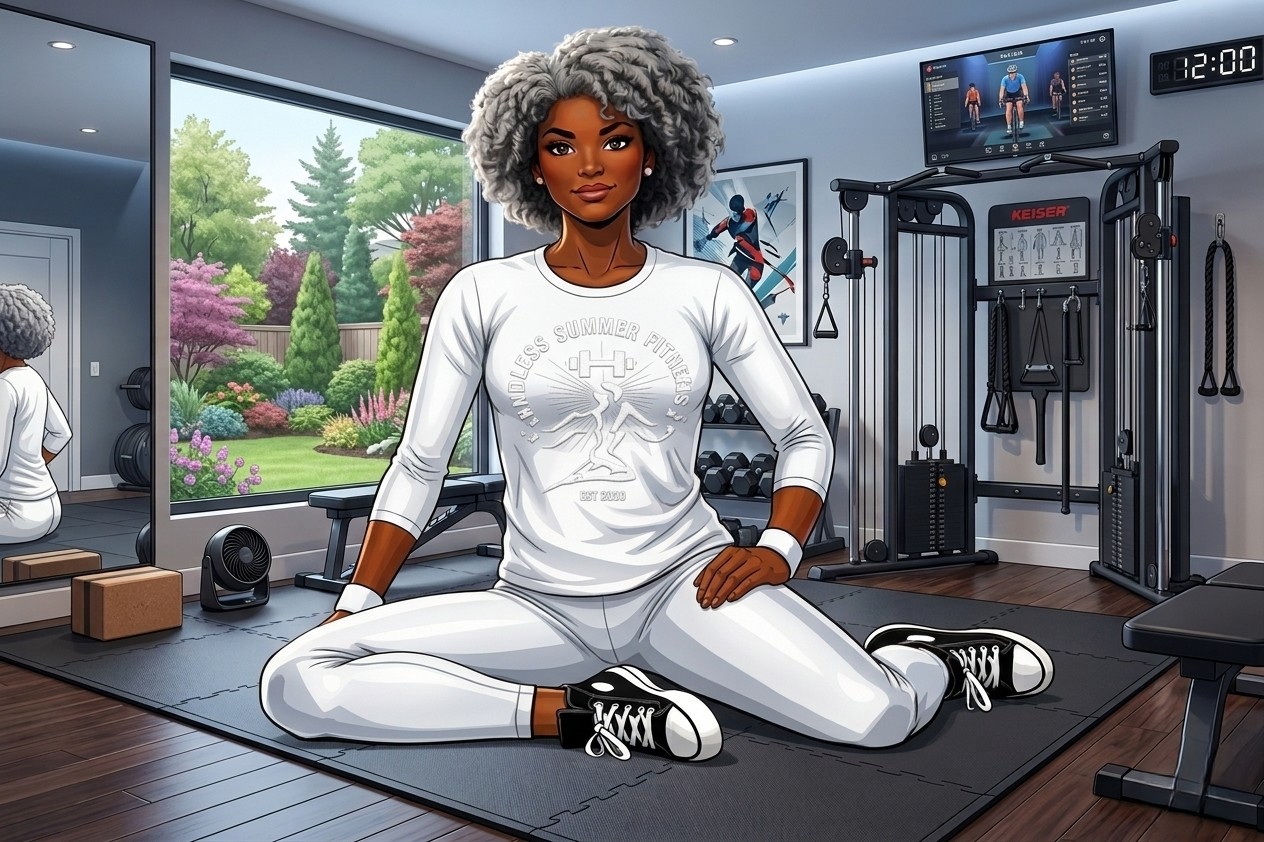
The 90/90 position is a goldmine for hip rotation, a range most over‑40 bodies lose first. Here’s #2 of 5 hip mobility fixes:
- Sit on the floor with your right knee bent 90 degrees in front of you (foot flat), and your left knee bent 90 degrees to the side (have your shin parallel to your torso).
- Place both hands on the floor for support.
- Rock your torso toward your front knee, then rock back toward your rear knee like a pendulum.
- At each end, pause for 2 seconds and squeeze your glute on that side.
- Do 10 rocks per side, 2 sets.
This variation forces the hip capsule to open in both internal and external rotation. For men with tight adductors and women with hypermobile but weak rotators, the pause builds control where it’s most needed.
3. Supine Banded Hip Distraction
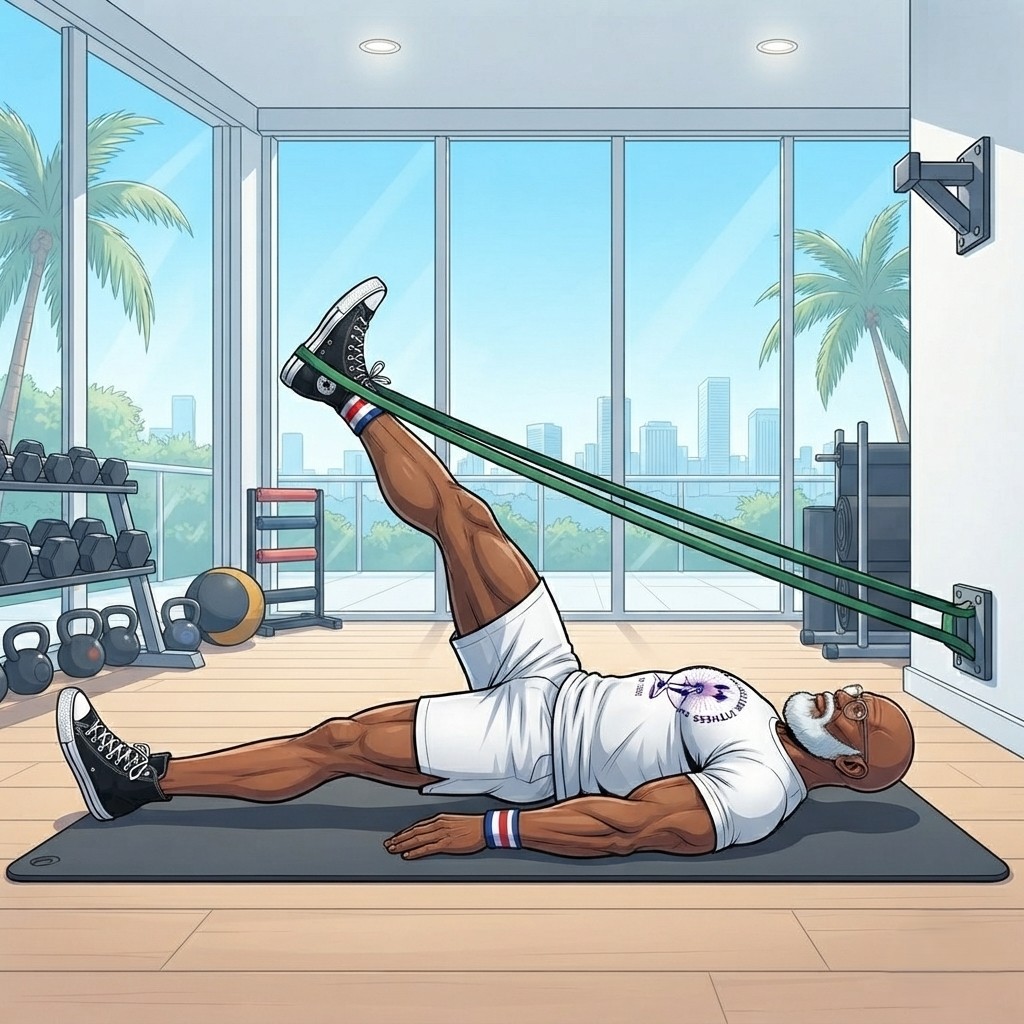
Passive stretching alone rarely unlocks a tight over‑40 hip because it compresses the joint capsule. This fix uses a resistance band to create joint space, which is critical for both sexes. #3 of 5 hip mobility fixes:
- Lie on your back near a sturdy pole or squat rack.
- Loop a long resistance band around your right thigh, just above the knee, and anchor the other end to the pole at knee height.
- Let the band pull your thigh outward (abduction) while you relax.
- Bend your left knee, foot on the floor, and gently press your right heel into the ground to activate the hamstring for 3 seconds, then relax.
- Do 5 activations, then switch sides.
Men often feel this in the anterior capsule. Women often feel it in the lateral glute. Both benefit from the decompression, which allows the femoral head to glide more freely in subsequent movements.
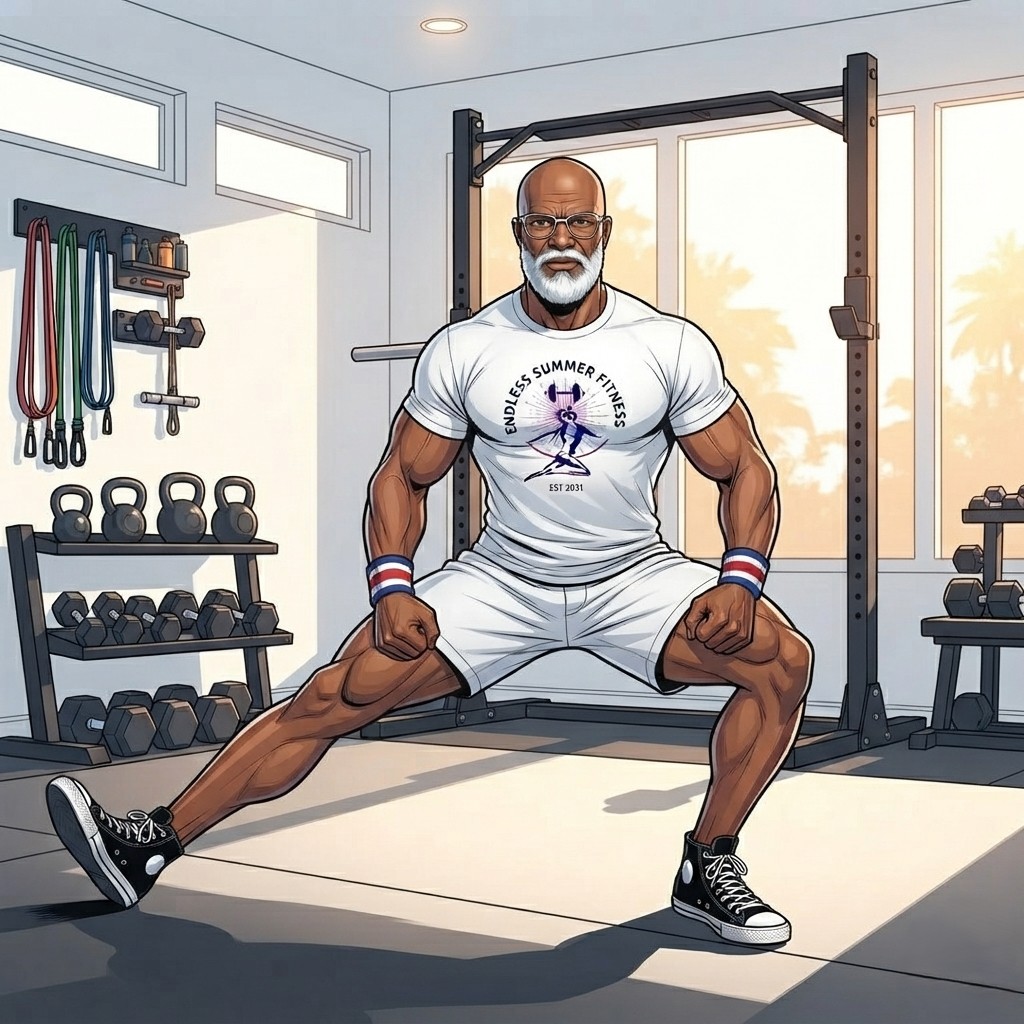
4. Cossack Squat with Counterbalance
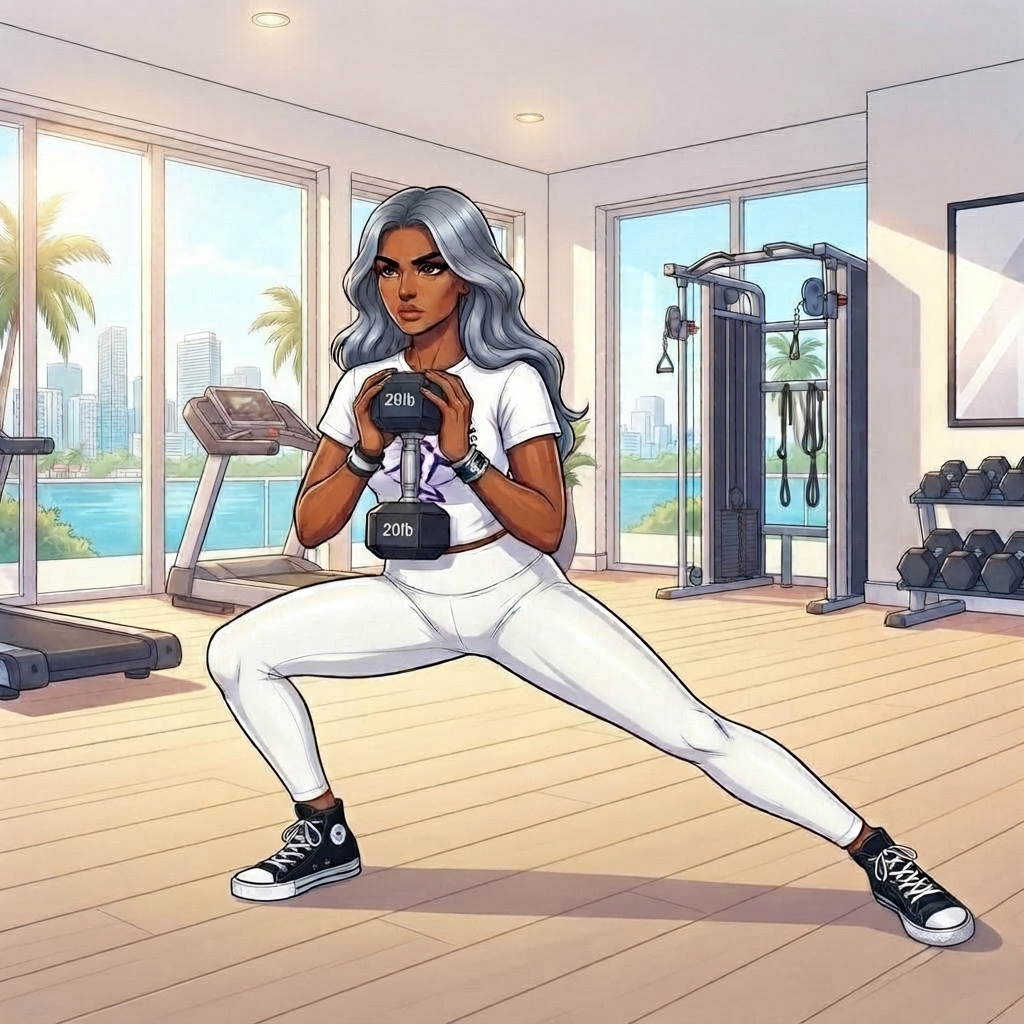
The Cossack squat is famous, but over‑40 bodies need a safer entry. Use a counterbalance. Below is #4 of 5 hip mobility fixes:
- Stand with feet 2.5 times shoulder‑width apart.
- Hold a 10 to 15 lb. kettlebell or dumbbell in both hands at chest height.
- Shift your weight to your right leg, bending that knee while keeping your left leg straight, heel down, toes up.
- As you descend, push the weight forward to keep your torso upright. This saves your lower back.
- Rise and shift to the left without fully standing up. Keep continuous flow.
- Do 6 reps each side for 3 rounds.
This single fix improves adductor length, ankle dorsiflexion, and hip flexion endurance. For women, it counters the effects of narrow‑stance living. For men, it undoes the shortening from years of cycling or driving.
5. Seated Figure‑Four Stretch
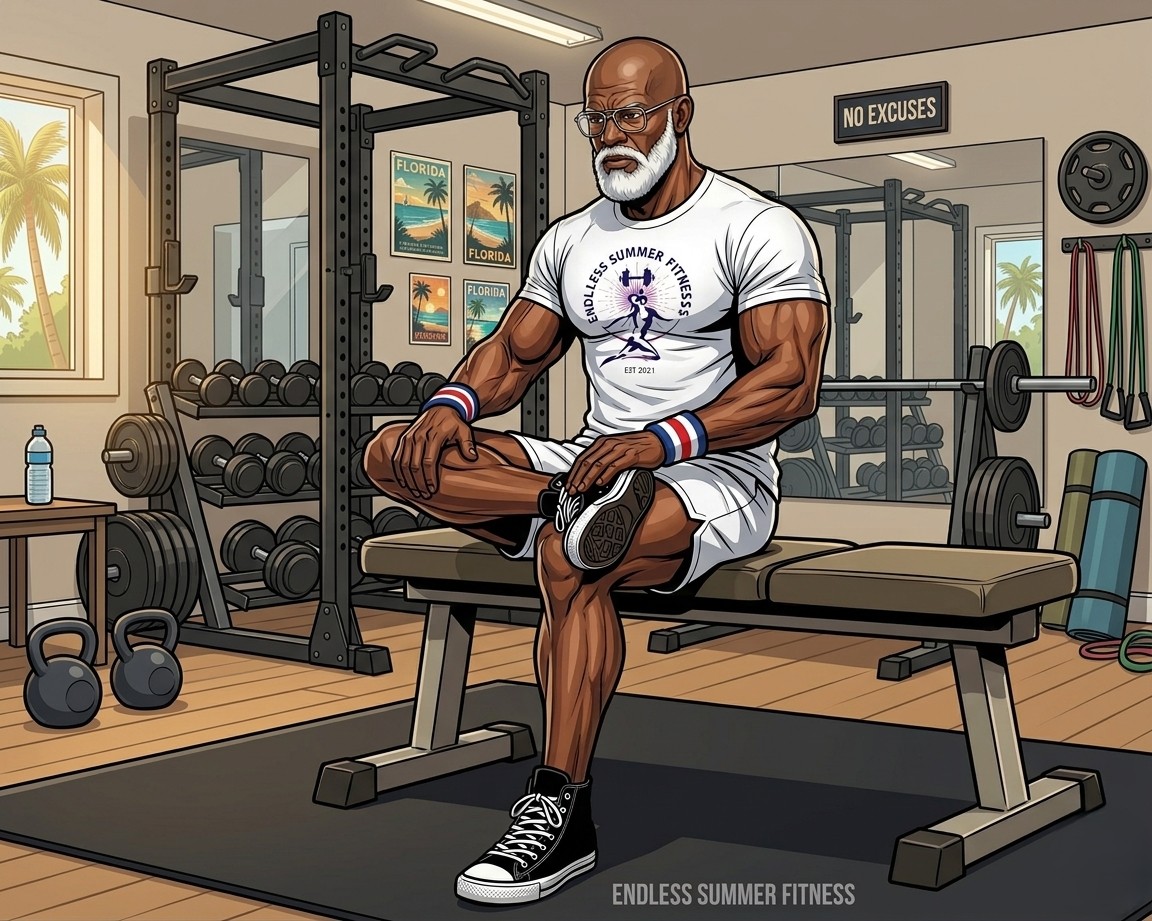
The classic figure‑4 stretch done in a seated position for better control over tight hips. #5 of 5 hip mobility fixes:
- Sit tall on a bench or chair with both feet flat on the floor.
- Cross your right ankle over your left knee (figure‑4).
- Lean forward slightly from the hips while keeping your spine long.
- Use your right hand to gently press your right knee downward to deepen the stretch.
- Hold for 20–30 seconds, then switch sides.
The seated version still targets the piriformis and obturator internus, but with more control and less strain for over‑40 hips. Men with sciatica‑related tightness and women with SI joint instability both report immediate relief. Over weeks, they gain genuine range.
Putting It All Together
For men and women over 40, hip mobility isn’t about touching your toes or doing splits. It’s about usable range in daily life. Perform these 5 fixes in order, 3 to 4 times per week. Each session takes under 12 minutes. Warm up with 2 minutes of marching in place, then move through the sequence with focus on control, not force.
Within 2 weeks, you will notice deeper squats, easier getting in and out of cars, less morning stiffness, and a lighter feeling in your lower back. Your hips are the powerhouse of your over‑40 body. Treat them like it, and they will reward you with freedom for decades to come.
Medical Disclaimer: This article is for educational and informational purposes only and does not constitute medical advice. Always consult a physician or certified fitness professional before beginning a new exercise program, especially if you have pre-existing conditions.
If you believe in something, never give up! 12 months can change your life!
Source 1: Static stretching improves hip extension in older adults
This 2026 study provides direct evidence that a regular stretching routine can significantly improve hip extension in older adults. After 16 weeks of static mat-based training, participants showed a meaningful gain in hip range of motion (an increase of 5.2 degrees).
- Title: Effects of sixteen weeks of two high-intensity flexibility training methods (dynamic versus static) on joint range of motion (ROM) in older adults: a comparative quasi-experimental study
- URL: https://europepmc.org/article/PPR/PPR1279495
Source 2: Limited hip mobility increases lower back strain during lifting
This 2022 study explains the “why” behind the article’s recommendations. It found that individuals (especially women) with less available hip flexion tend to compensate by bending their lower back more during squat lifts. This shows how poor hip mobility can directly increase strain on the lumbar spine.
- Title: The influence of hip flexion mobility and lumbar spine extensor strength on lumbar spine flexion during a squat lift
- URL: https://pubmed.ncbi.nlm.nih.gov/35026497/