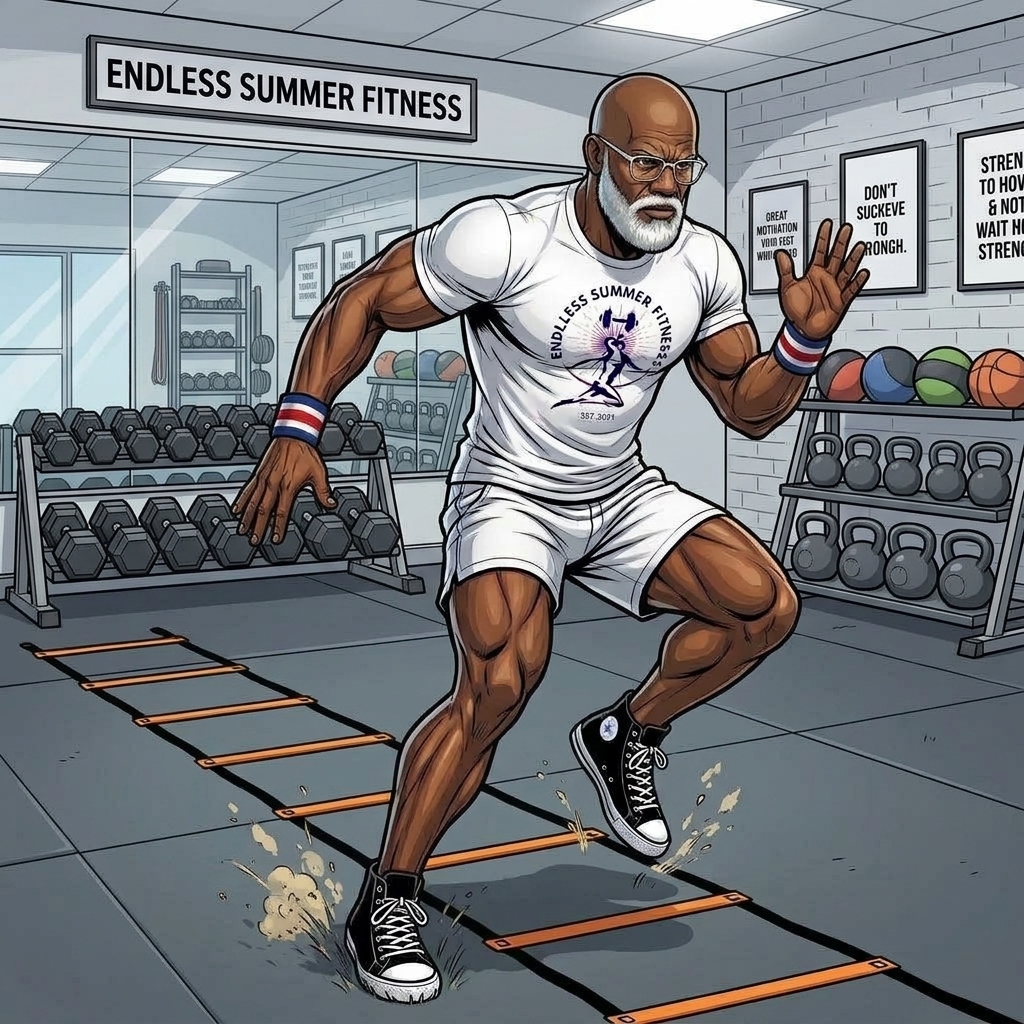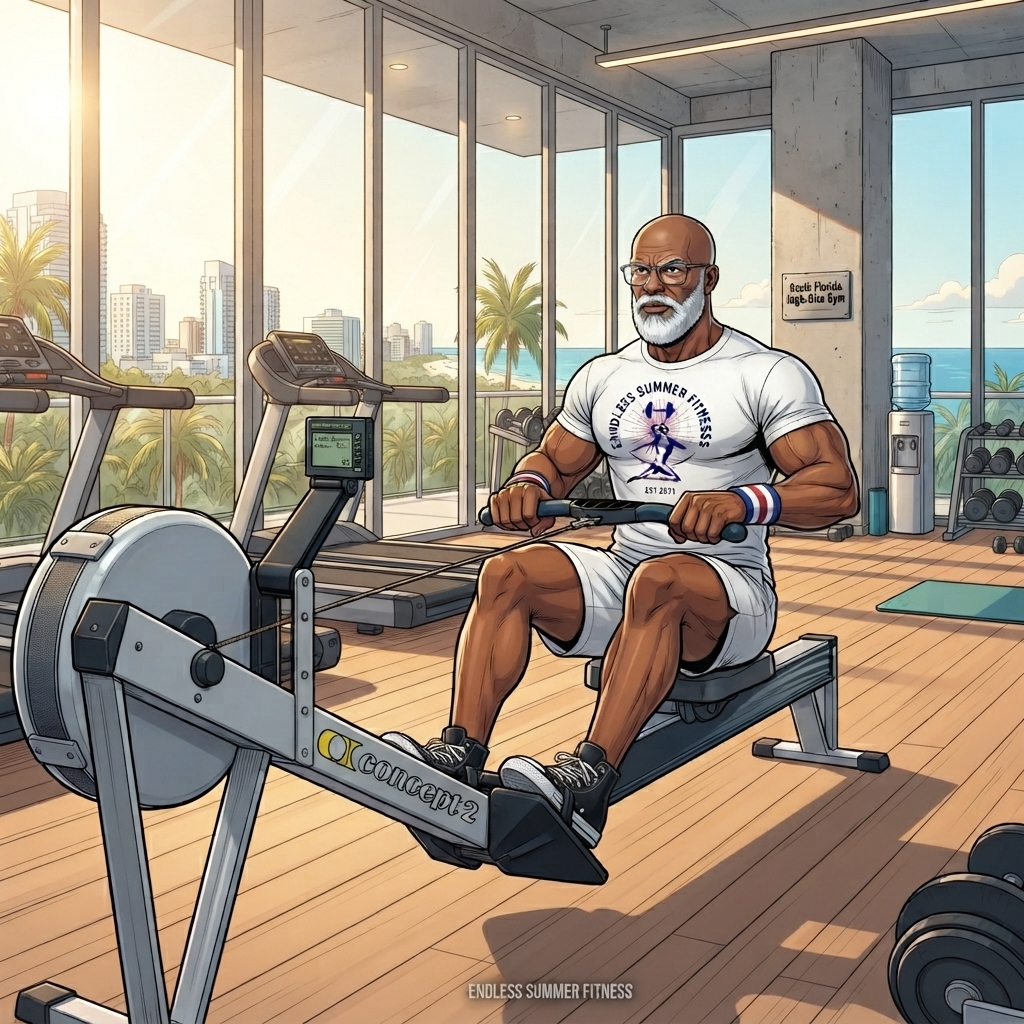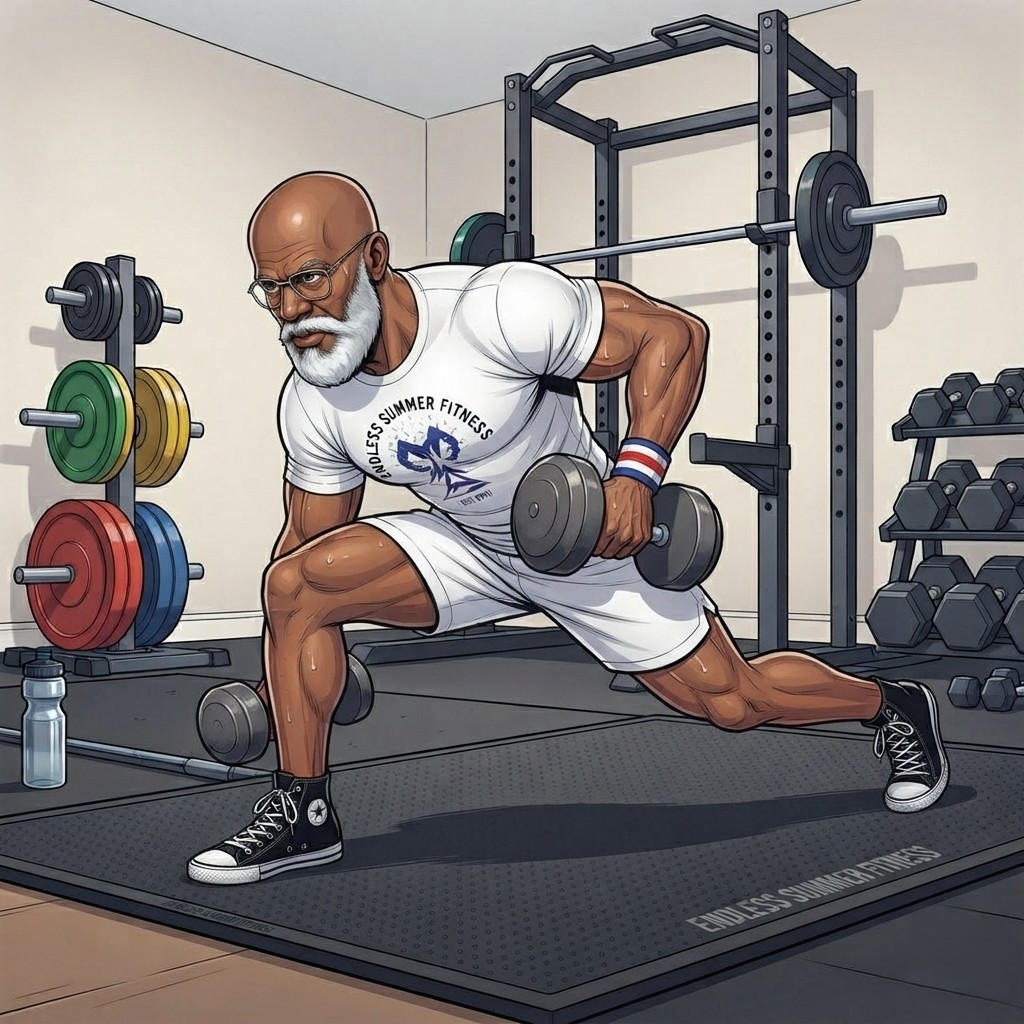

No matter how many years or decades you have spent away from structured exercise, your neuromuscular system retains an extraordinary capacity to adapt. Concerns about joint stiffness, past injuries, or starting from zero keep many adults over 40 on the sidelines, but exercise science confirms a clear reality: your body responds to safe movement stimulus at any age.
Building a Long-Term Foundation: Starting is step one. For a complete blueprint on protecting your joints while regaining functional strength, explore 4 Keys to Functional Health: Muscle Strength, Endurance, Power, and Hypertrophy .
Physical decline is driven far more by prolonged inactivity than by chronological age. By introducing controlled, joint-friendly movement today, you can reverse functional loss, protect your independence, and dramatically improve your daily energy.
What the Science Says: Biology Over Chronology
Research in exercise physiology consistently shows that biological fitness age—how well your cardiovascular, muscular, and joint systems function—can be significantly lower than your actual age on paper.
1. The Midlife Mortality Shift
Longitudinal data published by Harvard Health demonstrates that adults who initiate regular physical activity in midlife experience mortality rates up to 49% lower than their continuously sedentary peers. The cardiovascular and metabolic systems begin repairing and adapting almost immediately once regular movement is established.
2. Biological vs. Chronological Fitness Age
A study published in Clinical Interventions in Aging evaluated the physical capacity of sedentary older adults against those participating in structured exercise. The research revealed that consistent movement lowered the subjects’ average “physical fitness age” by over five years compared to their chronological age, whereas prolonged inactivity accelerated physical decline past chronological markers.
3. Cumulative Longevity Returns
Regular, submaximal exercise acts as a direct multiplier for healthspan—the number of years lived in good health and full functional independence. Every hour invested in controlled physical activity yields measurable returns in cardiovascular resilience and mobility preservation.
7 Core Drivers of Physical Longevity
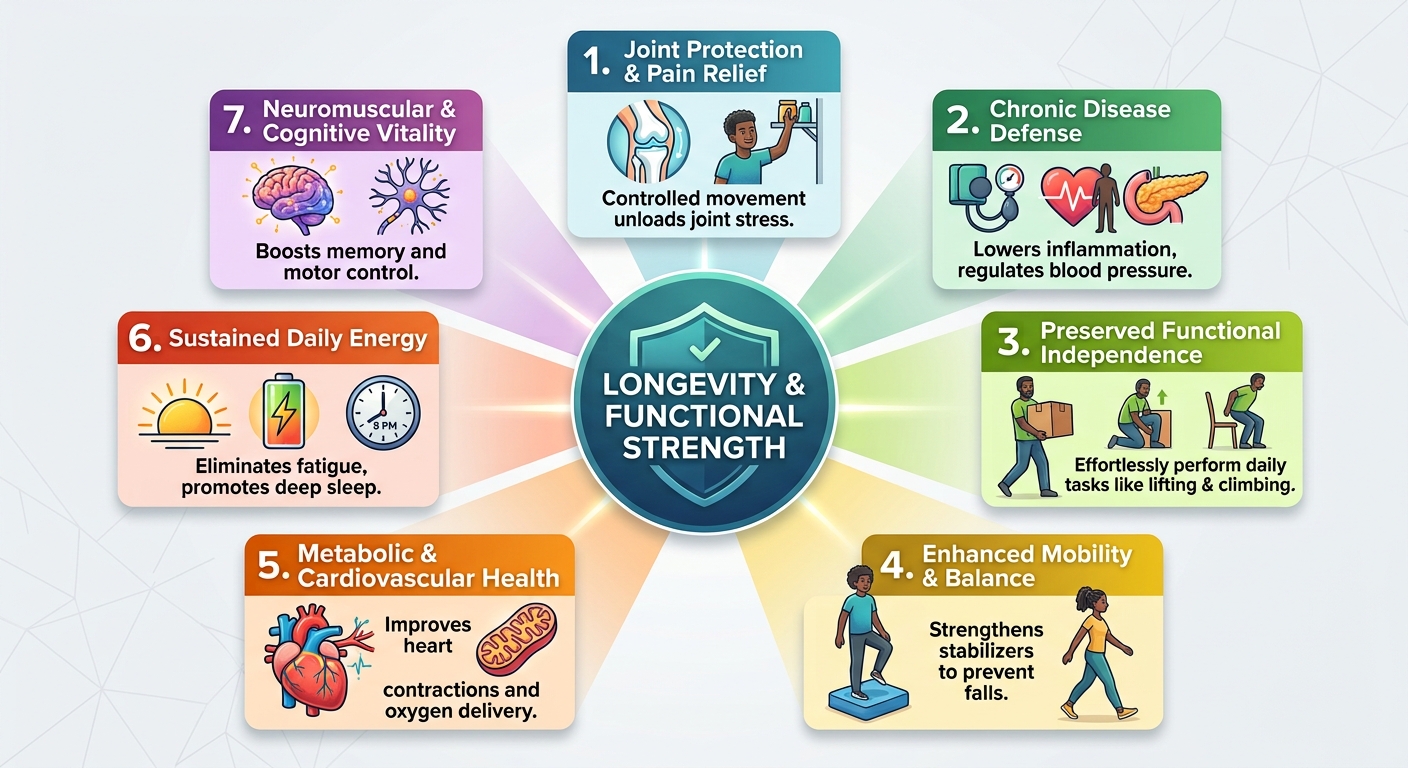
1. Joint Protection & Pain Relief
Controlled movement increases synovial fluid circulation within joint capsules, lubricating cartilage and reducing stiffness. Activating dormant glutes and core muscles unloads the lumbar spine, alleviating chronic low-back and hip discomfort.
2. Chronic Disease Defense
Consistent exercise improves insulin sensitivity, regulates blood pressure, and lowers systemic inflammation—the underlying driver of cardiovascular disease, type 2 diabetes, and metabolic dysfunction.
3. Preserved Functional Independence
Regaining baseline strength ensures everyday tasks remain effortless: pushing off a chair, carrying groceries, climbing stairs, and navigating uneven terrain without assistance.
4. Enhanced Mobility & Balance
Targeted movement improves joint tracking and spatial awareness (proprioception). Strengthening stabilizing muscles around the ankles, knees, and hips significantly reduces the risk of stumbles and falls.
5. Metabolic & Cardiovascular Health
Even modest physical activity strengthens heart muscle contractions and enhances vascular elasticity, lowering resting heart rate and improving oxygen delivery throughout the body.
6. Sustained Daily Energy
Regular exercise expands cellular mitochondrial density—your body’s internal energy generators—eliminating mid-day fatigue and promoting deeper, more restorative sleep cycles.
7. Neuromuscular & Cognitive Vitality
Movement stimulates the release of Brain-Derived Neurotrophic Factor (BDNF), a key protein supporting cognitive sharpness, memory retention, and motor control as you age.
Simple Rules for Returning to Exercise Safely
- Prioritize Control Over Intensity: Focus on movement precision and a deliberate lowering phase (eccentric tempo) rather than rushing through repetitions.
- Train Without Heavy Overload: Dumbbells, resistance bands, kettlebells, and bodyweight movements provide more than enough stimulus to build strength without overloading passive joint structures.
- Pace Your Recovery: Schedule nonconsecutive training days to allow connective tissues and muscle fibers adequate time to repair comfortably.
References & Sources
- Harvard Health Publishing: Exercise and Aging: Can You Walk Away from Father Time?
- Clinical Interventions in Aging: Physical Fitness Age vs. Chronological Age Assessment
Medical Disclaimer: This article provides general educational information and does not substitute for personal medical advice. Always consult a physician or certified healthcare professional before starting a new exercise program.