
Foam rolling has become a staple in hybrid fitness, physical therapy, and athletic recovery for one simple reason: it works. Whether you’re over 40 and rebuilding your movement foundation, training for strength, or simply trying to feel better in your body, foam rolling is one of the fastest ways to restore mobility, reduce tension, and keep your muscles performing the way you need them to. It’s low‑impact, beginner‑friendly, and requires only a few minutes a day to make a noticeable difference. Here are five evidence‑supported reasons why you need to foam roll.
Also Read: 5 Powerful Moves for Your Legs!
1. You Need to Foam Roll to Reduce Muscle Soreness and Speed Recovery
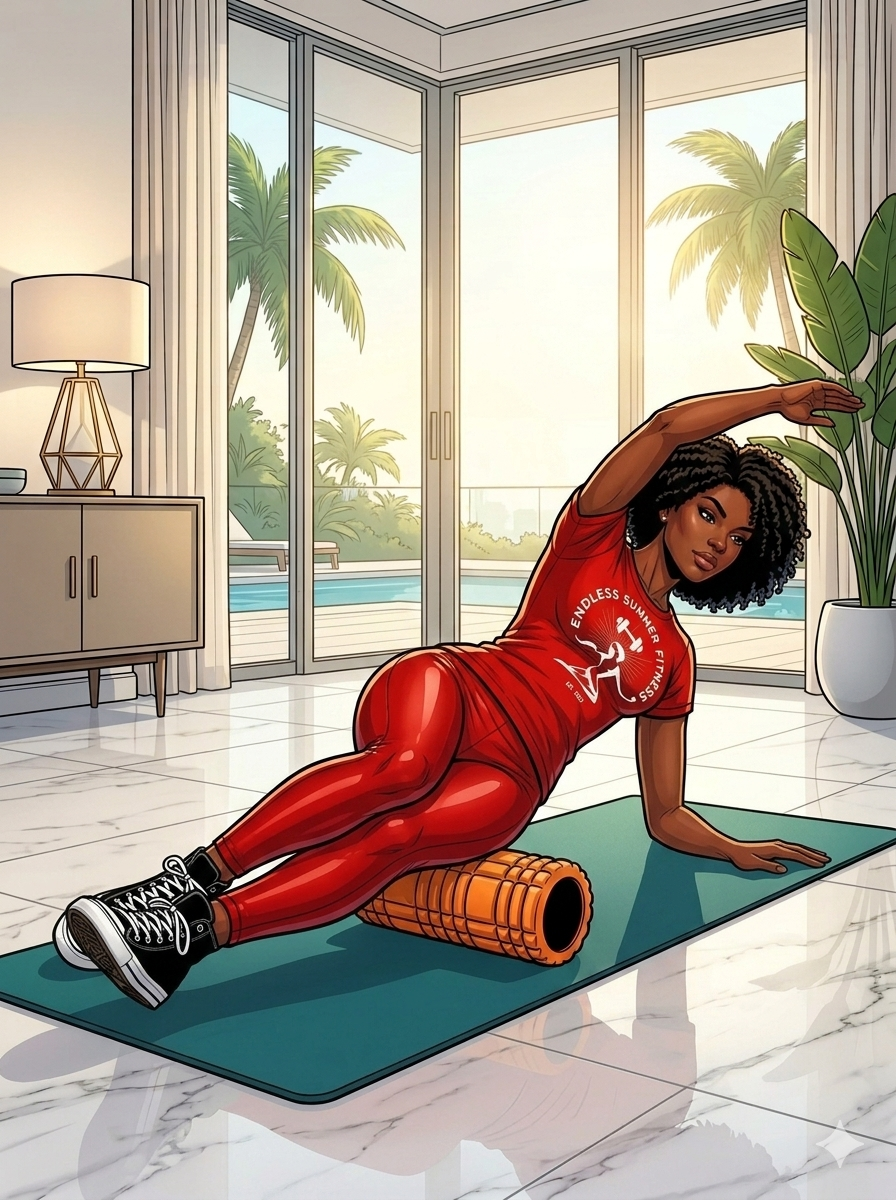
One of the biggest benefits of foam rolling is its ability to reduce delayed onset muscle soreness (DOMS). After a tough workout, your muscles accumulate tension, metabolic waste, and micro‑damage that can leave you stiff for days. Foam rolling helps increase blood flow to the affected area, which supports nutrient delivery and waste removal.
A 2015 study published in the Journal of Athletic Training found that foam rolling after exercise significantly reduced muscle soreness and improved athletic performance in the days following intense training. Another study in Medicine & Science in Sports & Exercise reported that self‑myofascial release can decrease DOMS and improve muscle function during recovery.
For anyone training consistently — especially adults over 40 who may recover more slowly — this is a game‑changer. Faster recovery means more consistent training, better movement quality, and fewer setbacks.
2. It Improves Flexibility and Range of Motion
Tight muscles restrict movement, alter joint mechanics, and increase the risk of injury. Foam rolling helps release tension in the fascia — the connective tissue that surrounds and supports your muscles — allowing your joints to move more freely.
Research published in the International Journal of Sports Physical Therapy shows that foam rolling can improve short‑term flexibility without reducing strength, which is a major advantage over static stretching before workouts. Another study in the Journal of Strength and Conditioning Research found that foam rolling increased range of motion in the hip and knee joints without compromising power output.
For hybrid athletes, walkers, lifters, and anyone trying to stay mobile as they age, this combination of flexibility and strength preservation is ideal.
3. Foam Rolling Helps Correct Movement Patterns
Modern life creates predictable movement problems: tight hip flexors from sitting, stiff thoracic spines from screens, locked‑up calves from walking in unsupportive shoes, and overworked lower backs compensating for everything else. Foam rolling helps restore balance by releasing the areas that tend to get chronically tight.
When you reduce excessive tension in one area, other muscles can finally do their job. For example:
- Rolling the quads can improve knee tracking during squats.
- Rolling the lats can improve overhead mobility.
- Rolling the calves can improve ankle dorsiflexion, which affects everything from lunges to walking mechanics.
A 2019 review in Frontiers in Physiology found that self‑myofascial release can positively influence neuromuscular efficiency — meaning your body moves better, with less compensation and strain.
Better movement patterns lead to better workouts, fewer injuries, and greater longevity in your training.
4. It Supports Circulation and Tissue Health
Healthy tissue needs healthy circulation. Foam rolling acts like a manual pump, helping move blood, oxygen, and lymphatic fluid through the muscles. This is especially important for adults over 40, whose tissues naturally become less hydrated and elastic with age.
Improved circulation supports:
- Faster healing
- Better nutrient delivery
- Reduced inflammation
- Improved tissue quality
- A greater sense of “lightness” and ease in the body
A study in the Journal of Bodywork and Movement Therapies found that foam rolling increases arterial function and improves vascular health, which may contribute to long‑term mobility and recovery benefits.
5. Foam Rolling Helps Reduce Stress and Muscle Tension
Foam rolling isn’t just physical — it’s neurological. When you apply pressure to tight muscles, you stimulate mechanoreceptors in the fascia that signal the nervous system to relax. This down‑regulates tension and helps shift the body out of a stressed, sympathetic state.
Many people report feeling calmer, looser, and more grounded after just a few minutes of rolling. For busy adults juggling work, training, and life, this is a simple way to reset the body and mind.
A 2020 study in PLOS One found that self‑myofascial release can reduce perceived muscle tension and improve relaxation, making it a valuable tool for both recovery and stress management.
The Bottom Line is You Need to Foam Roll
Foam rolling is one of the simplest, most effective recovery tools available. It reduces soreness, improves mobility, enhances movement quality, supports circulation, and helps calm the nervous system — all in just a few minutes a day. Whether you’re rebuilding your fitness foundation or pushing toward new performance goals, foam rolling keeps your body moving the way it was designed to move.
Sources:
- Journal of Athletic Training https://natajournals.org/journal/jatMedicine & Science in Sports & Exercise (MSSE)
https://journals.lww.com/acsm-msse/pages/default.aspx(journals.lww.com in Bing)International Journal of Sports Physical Therapy (IJSPT) https://ijspt.scholasticahq.com/Journal of Strength and Conditioning Research (JSCR)https://journals.lww.com/nsca-jscr/pages/default.aspx(journals.lww.com in Bing)Frontiers in Physiology https://www.frontiersin.org/journals/physiology
Journal of Bodywork and Movement Therapies
https://www.sciencedirect.com/journal/journal-of-bodywork-and-movement-therapies(sciencedirect.com in Bing)PLOS One https://journals.plos.org/plosone/
Medical Disclaimer: This article is for educational and informational purposes only and does not constitute medical advice. Always consult a physician or certified fitness professional before beginning a new exercise program, especially if you have pre-existing conditions.