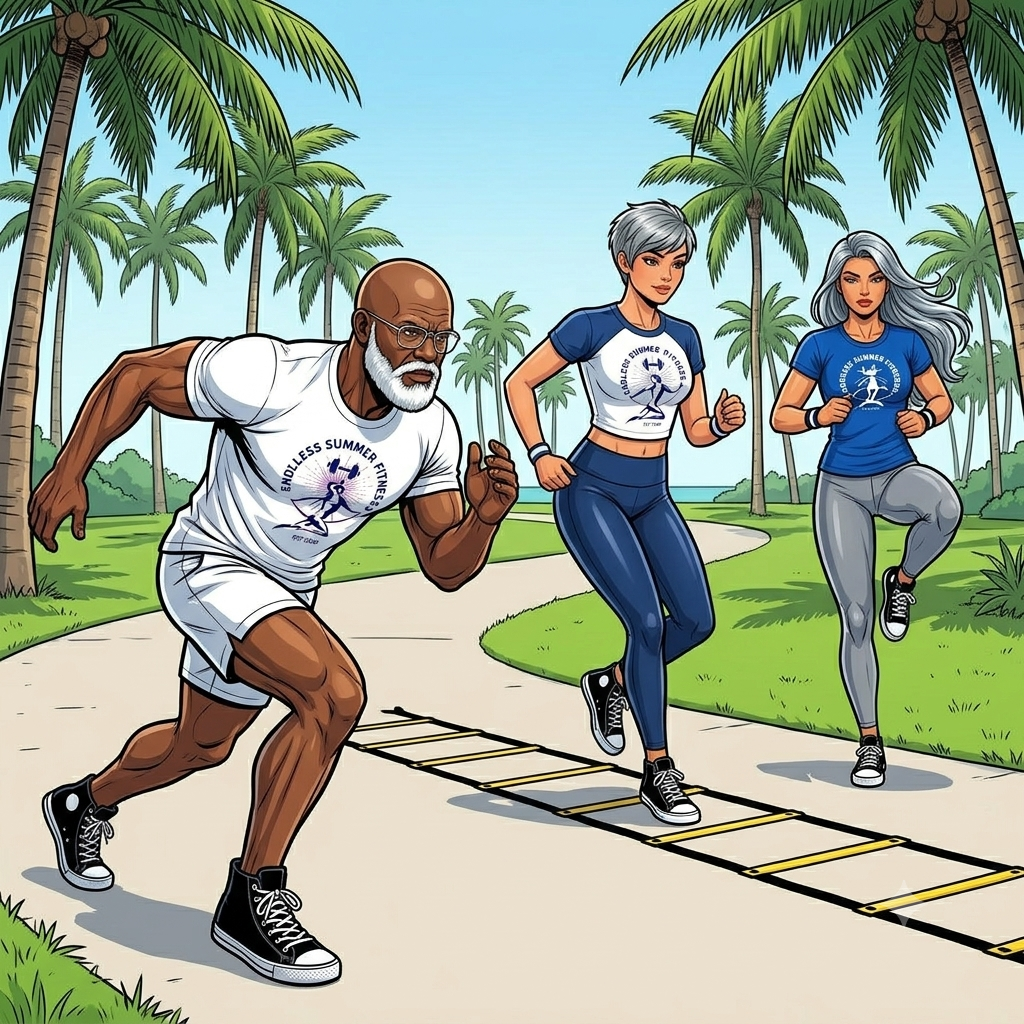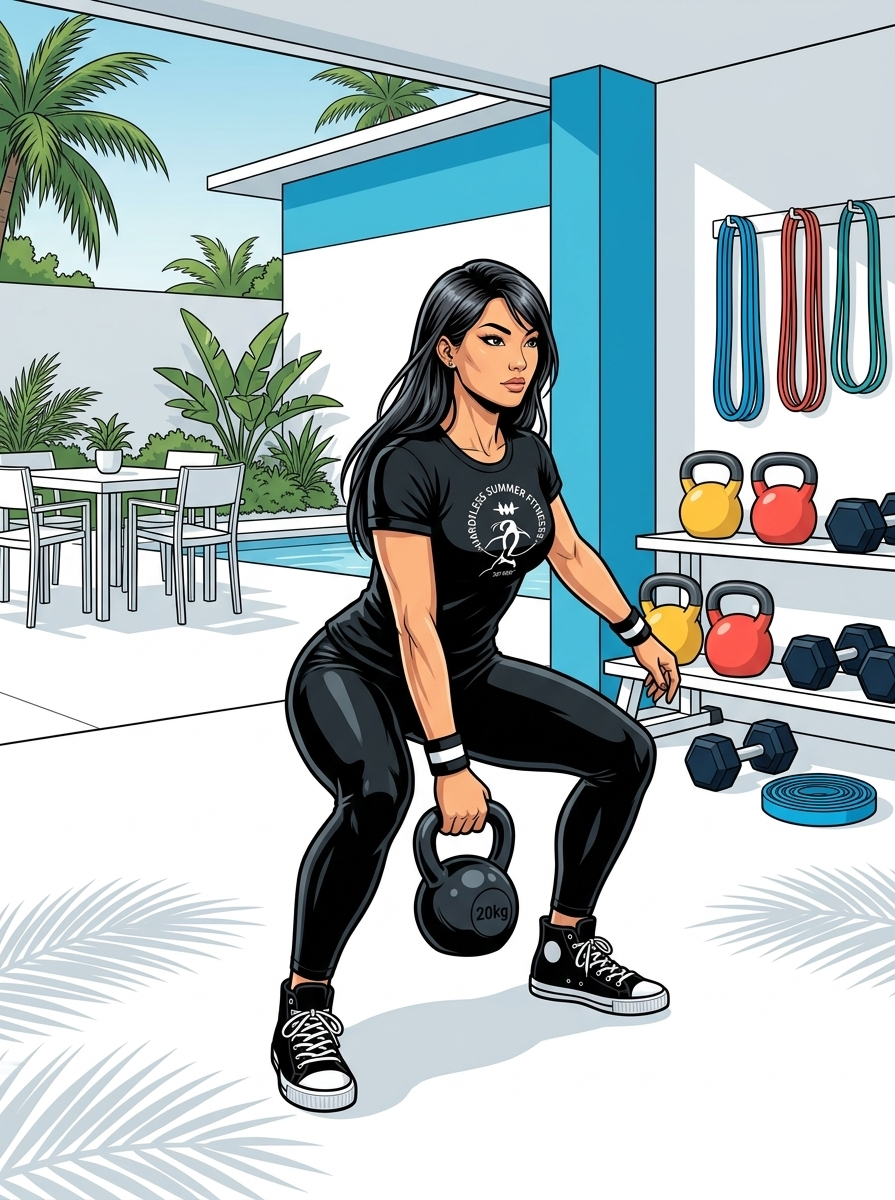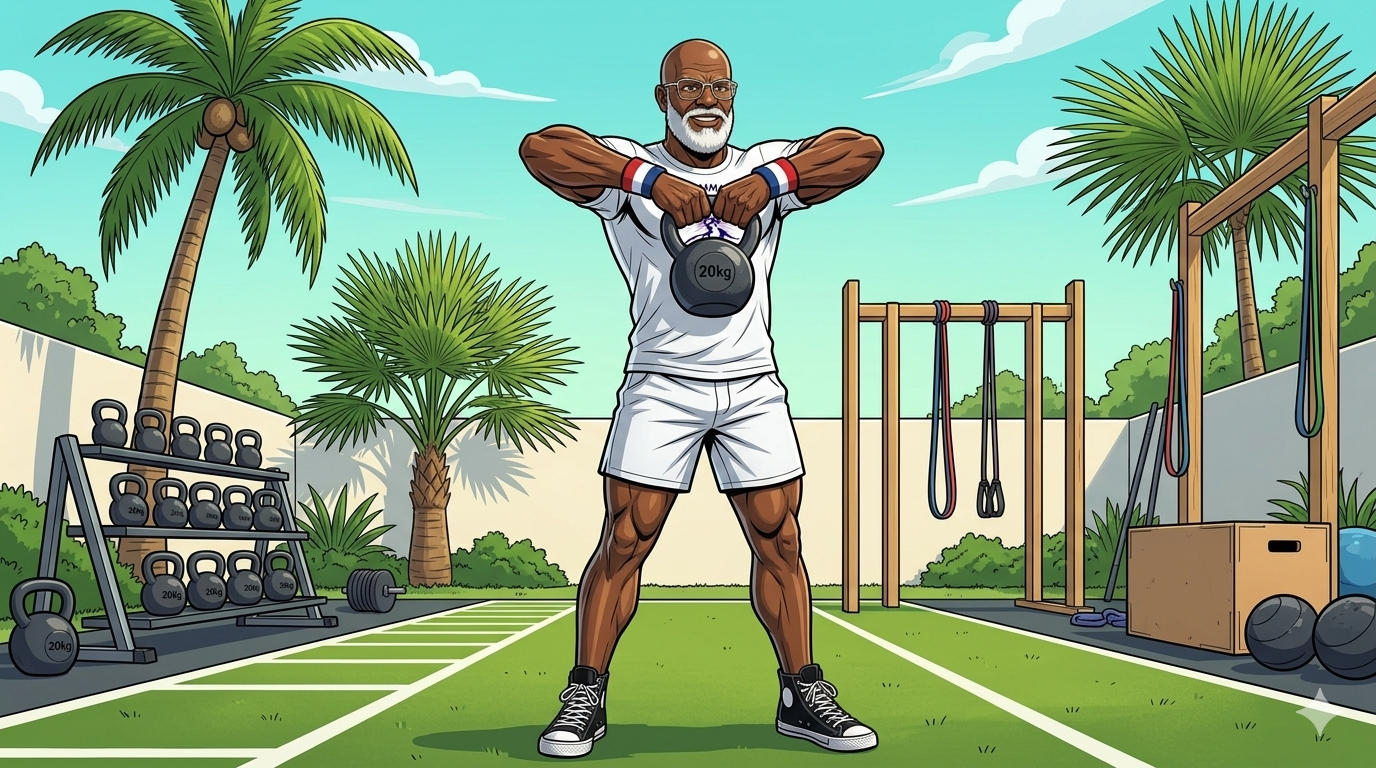
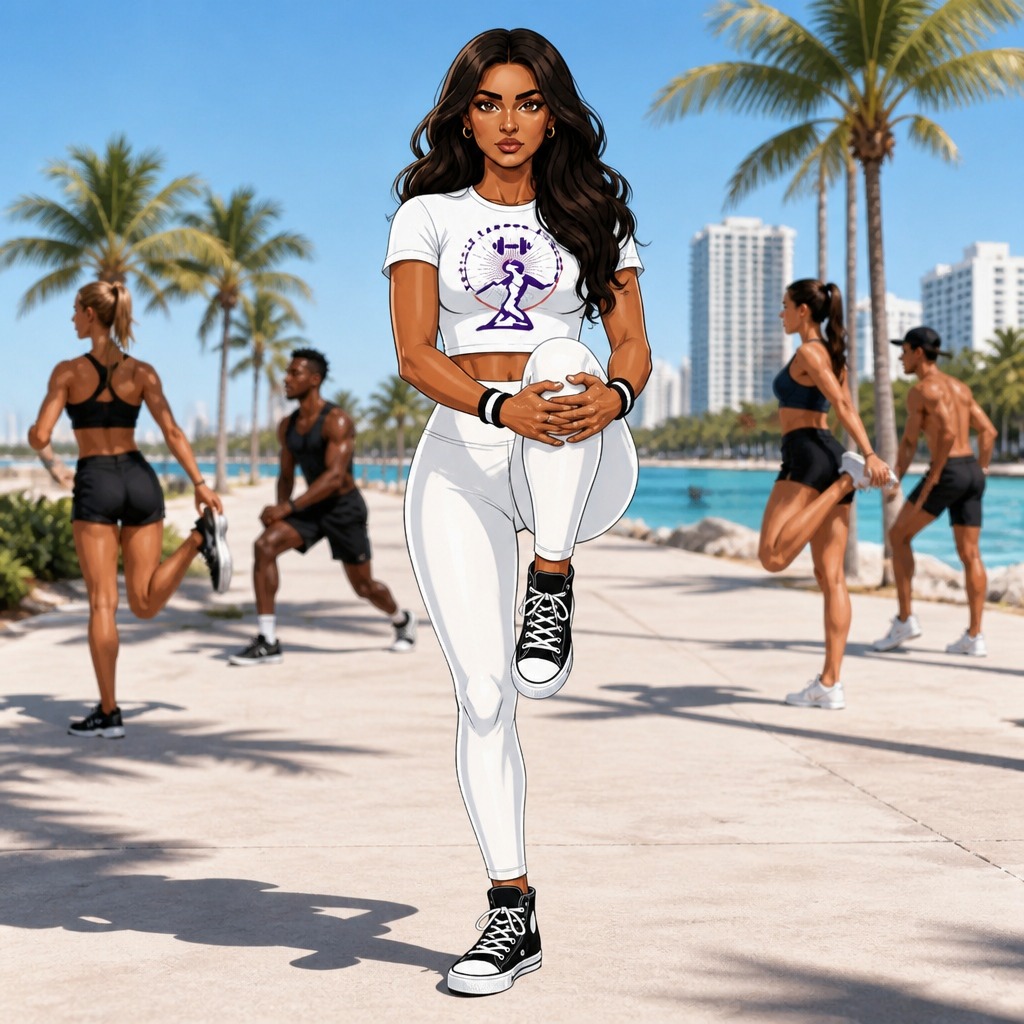
For some people, running feels simple — shoes on, out the door, friendly breeze, done. But your body is doing way more behind the scenes. Every stride demands ankle mobility, hip rotation, hamstring length, and core stability. When even one of those areas gets tight, your stride changes. And when your stride changes, injuries show up fast. In this article, we provide 5 exercises to prevent leg injuries.
The Rise and Inglorious Fall of My Running Career
Running and I are in a long-term feud, and honestly, running started it. My last meaningful victory was junior year of high school, when I absolutely obliterated the entire soccer team in a two-mile run during practice. I wasn’t just fast — I was a myth, a legend, a cautionary tale whispered in locker rooms. And apparently, that day I used up my lifetime supply of cardiovascular ability, because now?
Now running around the block feels like a dramatic reenactment of a medical emergency. I’m out there gasping, wheezing, clutching my chest like a Victorian widow, mentally drafting my own obituary while praying a passerby notices me before I become a sidewalk memorial. My peak was glorious… but my decline is sadly hilarious.
The Real Reason Your Stride Falls Apart (and How to Fix It)
Dynamic mobility is the runner’s best defense. Yale Medicine puts it clearly: “Dynamic mobility work is a runner’s best defense against leg and foot injuries.”
Mobility keeps your joints moving smoothly, reduces overcompensation, and protects the muscles that have the most impact. For hybrid athletes — the Endless Summer Fitness crew who lift, run, sprint, and live active lives—mobility is the glue that keeps everything working together. Check out our article: Beginner Mobility Routine to Reduce Stiffness: Hybrid Guide.
How Does Mobility Prevent Leg Injuries for Runners?
Mobility improves movement quality. When your joints move well, your muscles don’t have to overwork to compensate. That means fewer flare-ups, fewer tight spots, and fewer “why does my knee hurt today?” moments.
Mobility helps runners by:
- Improving stride length
- Reducing impact forces
- Enhancing hip and ankle mechanics
- Supporting better posture
- Reducing fatigue in stabilizing muscles
It also boosts VO₂ max efficiency, because better movement = better energy return. And when you train in the MAF 180 aerobic zone, mobility helps maintain posture and breathing mechanics.
When Should Runners Do Mobility Work?
Before runs: Dynamic mobility activates muscles and preps joints.
After runs: Slower mobility restores range of motion and reduces stiffness.
Strength days: Mobility improves squat depth, hinge mechanics, and single-leg stability — all essential for hybrid athletes.
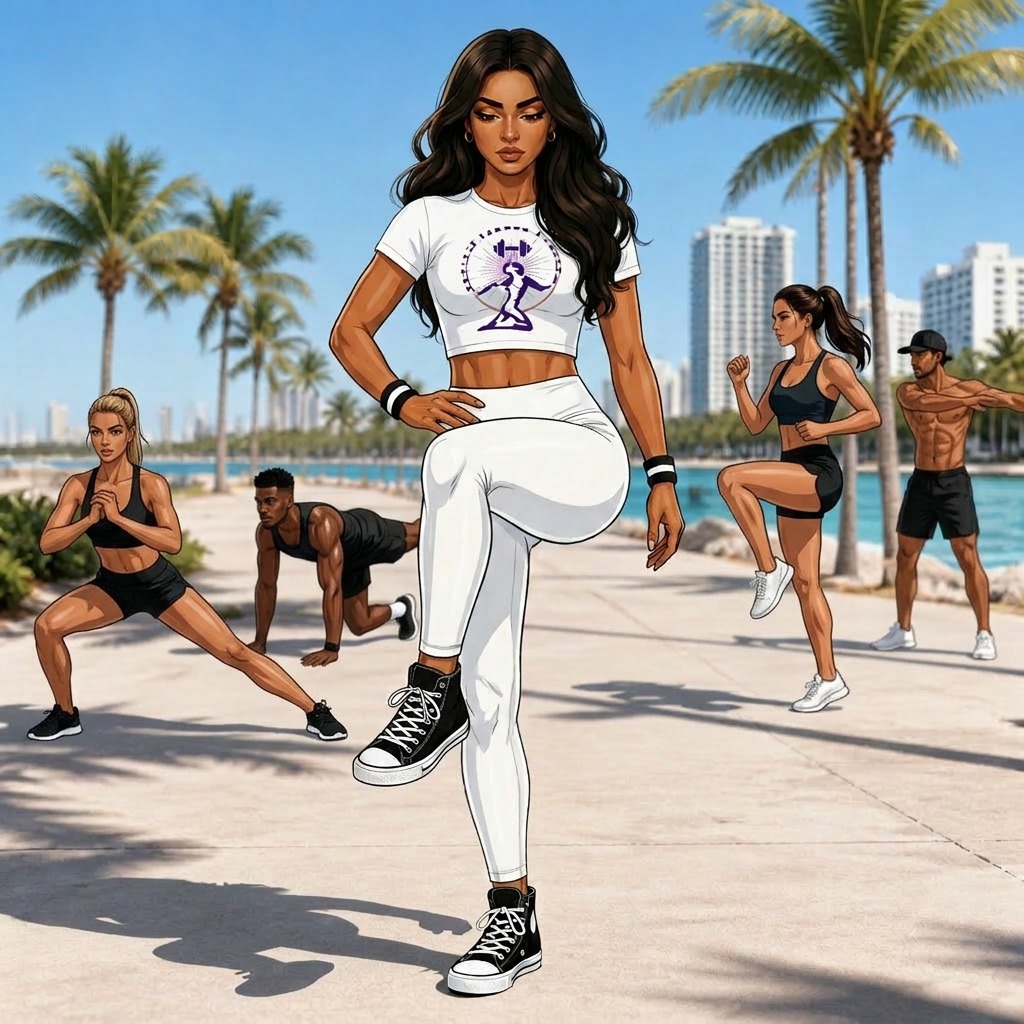
5 Fantastic Mobility Exercises to Prevent Leg Injuries
Below are the five most effective mobility exercises for runners, based on clinical guidance, hybrid-training principles, and real-world performance benefits.
1. Straight Leg Calf Raises
Keyword Variation: Calf mobility for runners.
Why It Helps: Your calves and Achilles absorb massive force with every step. Tight calves limit ankle dorsiflexion, which forces your knees and hips to compensate. That’s how shin splints, Achilles pain, and knee irritation start.
How to Do It: Stand on a step with your heels hanging over the edge. Press up onto your toes, pause, then lower your heels below the step for a deep stretch.
Muscles Worked: Gastrocnemius, soleus.
Stabilizers: Foot for intrinsics, tibialis posterior, and core.
Hybrid Benefit: Better ankle mobility improves squat depth, running efficiency, and sprint power.
Evidence: Calf strengthening reduces Achilles tendinopathy risk.
PubMed: https://pubmed.ncbi.nlm.nih.gov/29799781/ (pubmed.ncbi.nlm.nih.gov in Bing)
2. Hip CARs (Controlled Articular Rotations)
Keyword Variation: Hip mobility for runners.
Why It Helps: Your hips are the engine of your stride. When they’re tight, your lower back and knees take the hit. Hip CARs restore full rotation and keep your stride smooth.
How to Do It: From a tabletop or standing position, lift your knee, rotate it outward, then sweep it behind you in a slow circle.
Muscles Worked: Glutes, hip flexors, deep hip rotators.
Stabilizers: Obliques, core lumbar stabilizers.
Hybrid Benefit: Improve running mechanics, squat stability, and lateral movement for hybrid training.
3. Downward Dog Walkouts
Keyword Variation: Hamstring mobility for runners.
Why It Helps: This move lengthens the entire posterior chain — hamstrings, calves, and lower back. When these areas are tight, your stride shortens, and your push-off weakens.
How to Do It: Start in plank, lift into Downward Dog, and pedal your heels to stretch each leg.
Muscles Worked: Hamstrings, calves, and spinal erectors.
Stabilizers: Shoulders, core, upper back.
Hybrid Benefit: Improves hinge mechanics for deadlifts and reduces lower-back fatigue during long runs.
4. Side Lunges
Keyword Variation: Lateral hip mobility for runners.
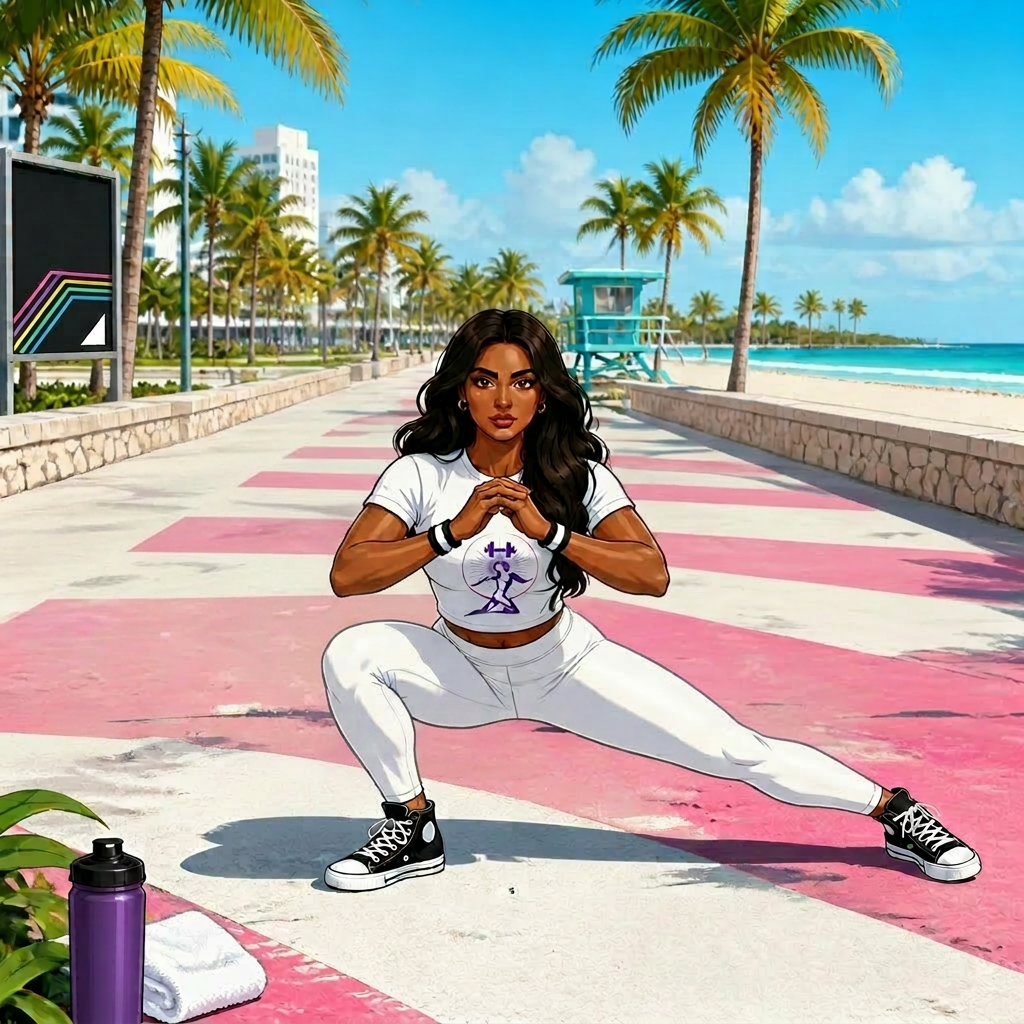
Why It Helps: Runners move forward — but your hips need strength and mobility in all directions. Side lunges strengthen the gluteus medius and adductors, which stabilize your pelvis and prevent IT band issues.
How to Do It: Step wide, bend one knee, keep the other leg straight, then push back to center.
Muscles Worked: Glute medius, adductors, quads.
Stabilizers: Core, hip rotators, ankle stabilizers.
Hybrid Benefit: Improves lateral strength for hybrid athletes and reduces knee valgus during squats and running.
5. Half‑Kneeling Hip Flexor Stretch
Keyword Variation: Hip flexor mobility for runners.
Why It Helps: Sitting tightens your hip flexors, which shortens your stride and increases lower-back stress. This stretch opens the front of your hips and restores power.
How to Do It: In a half-kneeling position, squeeze your glute and gently shift forward.
Muscles Worked: Psoas, rectus femoris.
Stabilizers: Core, glute medius.
Hybrid Benefit: Improves stride length, sprint mechanics, and squat depth.
How Mobility Supports Hybrid Training
Mobility isn’t jury prevention — it’s performance enhancement.
It supports:
- Weight training: deeper squats, cleaner hinges, better overhead positions
- Endurance: smoother stride, less fatigue, better energy return
- Sprinting: improved hip extension and power
- Recovery: reduced soreness and faster tissue repair
Mobility also improves VO₂ max efficiency, reduces wasted energy, and helps maintain form during long aerobic sessions.
Start Here:
Summary
Mobility is one of the simplest ways to stay healthy as a runner — and one of the most overlooked. These five exercises target the exact areas that tighten up from running and modern life: calves, hips, hamstrings, and lateral stabilizers.
When you move better, you run better. Your stride becomes smoother, your joints stay happier, and your training becomes more consistent. That’s the Endless Summer Fitness way — hybrid, strong, and built for longevity.
Add these drills to your warm-ups, cool-downs, or strength days. A few minutes a day keeps your legs feeling fresh, powerful, and ready for the miles.
FAQs
- How often should runners do mobility work?
Daily is ideal, but even 3–4 sessions per week make a huge difference.
- Should I do mobility before or after running?
Both. Dynamic before, slower mobility after.
- Can mobility improve my running speed?
Yes — better hip extension and ankle mobility improve stride efficiency.
- Does mobility help with knee pain?
Often. Knee pain usually comes from tight hips or ankles.
- How long should a mobility session take?
5 –10 minutes is enough for most runners.
- Can mobility replace stretching?
No — but it’s more effective for movement quality and injury prevention.
Move fast, stay strong, go far — The hybrid body is built for anything!
Medical Disclaimer
This article is for educational and informational purposes only and does not constitute medical advice. Always consult a physician or certified fitness professional before beginning a new exercise program, especially if you have pre‑existing conditions.
Clinical / Medical Sources
- ACSM — Mobility improves function in 4 weeks
https://www.acsm.org/blog-detail/acsm-certified-blog/2021/04/19/mobility-training-benefits (acsm.org in Bing) - PubMed — Calf strengthening reduces Achilles tendinopathy risk
https://pubmed.ncbi.nlm.nih.gov/29799781/ (pubmed.ncbi.nlm.nih.gov in Bing) - Harvard Health — Hip mobility reduces compensatory knee stress
https://www.health.harvard.edu/pain/hip-pain-and-what-to-do-about-it (health.harvard.edu in Bing)
Performance / Strength Sources
- NSCA — Lateral hip strength reduces IT band syndrome
https://www.nsca.com/education/articles/hip-strength-and-running-injury-prevention/ (nsca.com in Bing) - NASM — Dynamic warm‑ups improve running mechanics
https://blog.nasm.org/fitness/dynamic-stretching-warm-up (blog.nasm.org in Bing)
Secondary High‑Authority Trainer Sources
- ACE — Mobility enhances movement efficiency
https://www.acefitness.org/education-and-resources/lifestyle/blog/7741/why-mobility-training-is-important/ (acefitness.org in Bing) - ISSA — Hip mobility improves stride length
https://www.issaonline.com/blog/post/hip-mobility-for-athletes (issaonline.com in Bing)
Nutrition & Recovery Journals
- JISSN — Protein supports tissue repair
https://jissn.biomedcentral.com/articles/10.1186/s12970-018-0219-0 (jissn.biomedcentral.com in Bing) - Nutrients — Omega‑3s reduce inflammation
https://www.mdpi.com/2072-6643/11/10/2412 (mdpi.com in Bing)
Recovery Science
- Massage reduces DOMS
https://pubmed.ncbi.nlm.nih.gov/24736760/ (pubmed.ncbi.nlm.nih.gov in Bing) - Cold water immersion reduces inflammation
https://pubmed.ncbi.nlm.nih.gov/26359373/ (pubmed.ncbi.nlm.nih.gov in Bing) - Mobility improves function in 4 weeks
https://www.acsm.org/blog-detail/acsm-certified-blog/2021/04/19/mobility-training-benefits (acsm.org in Bing)