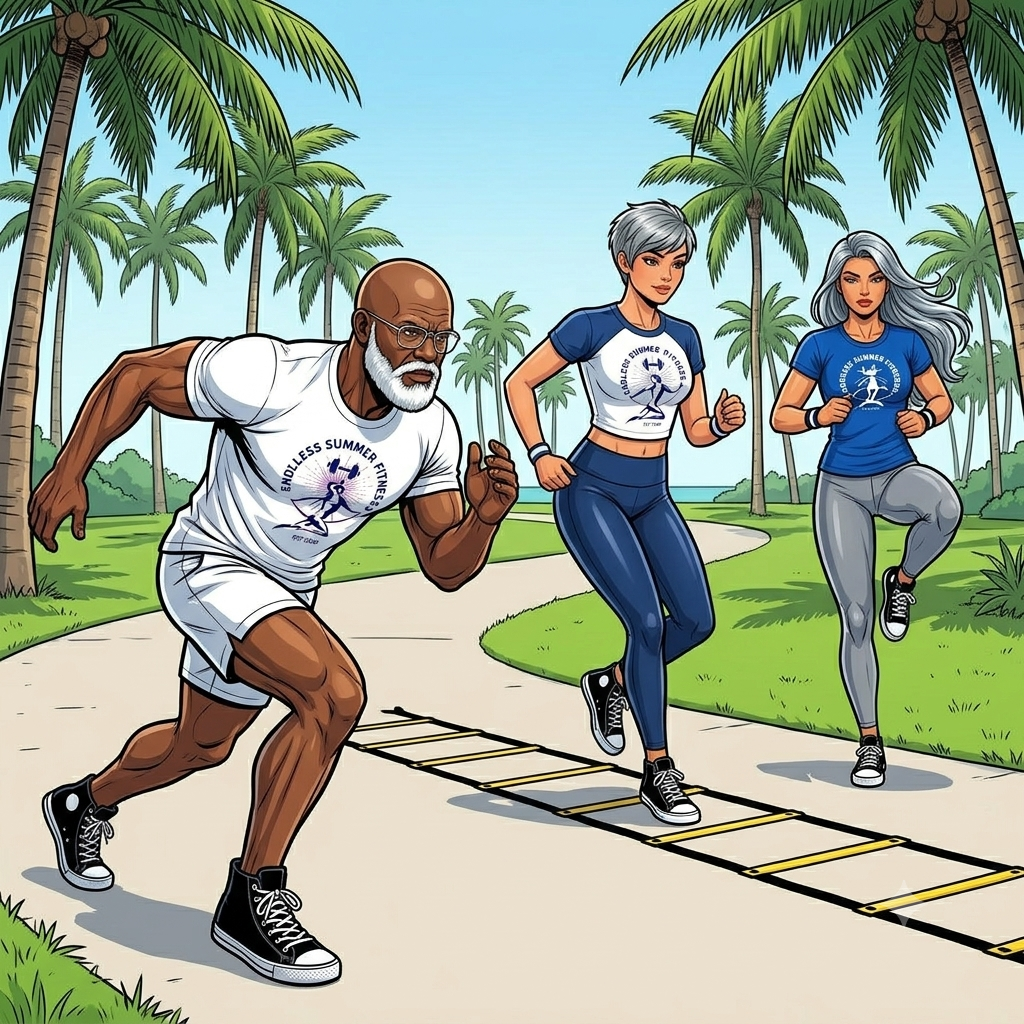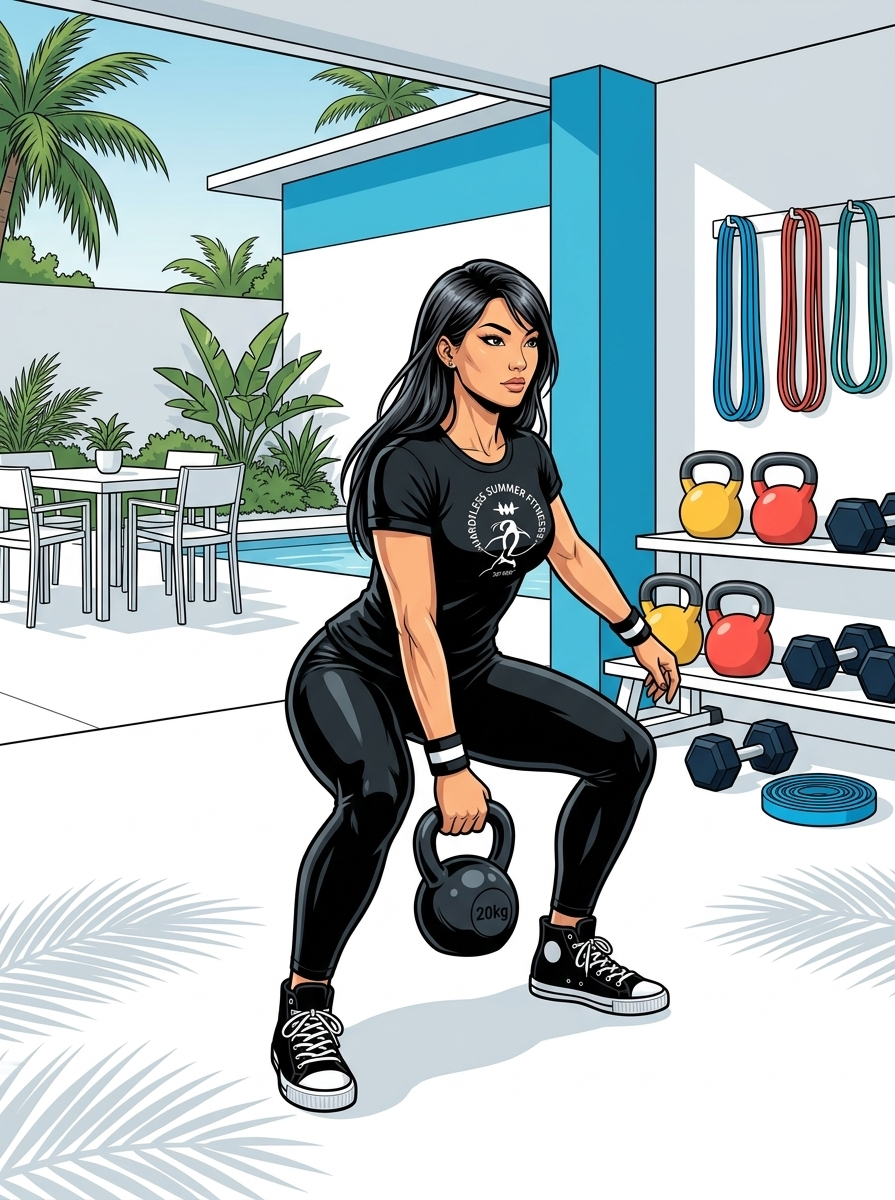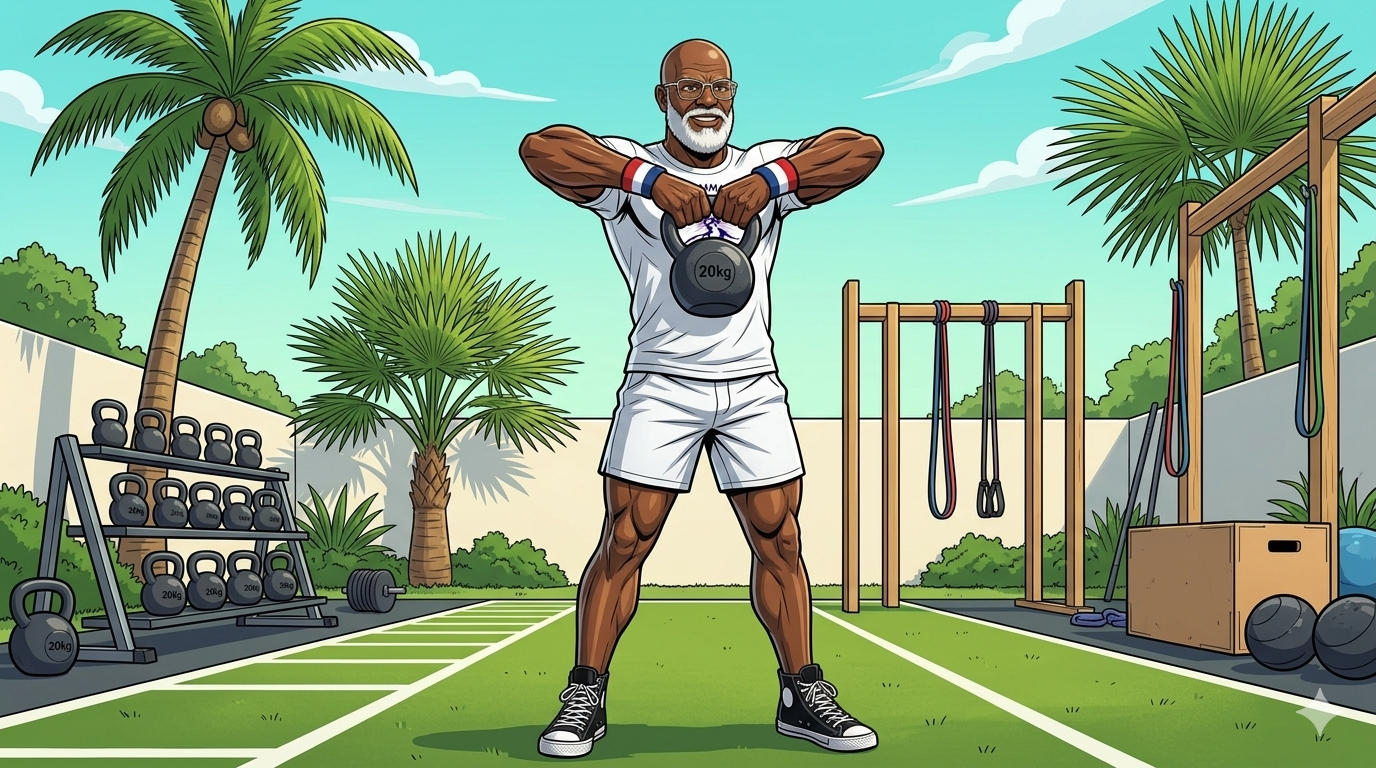
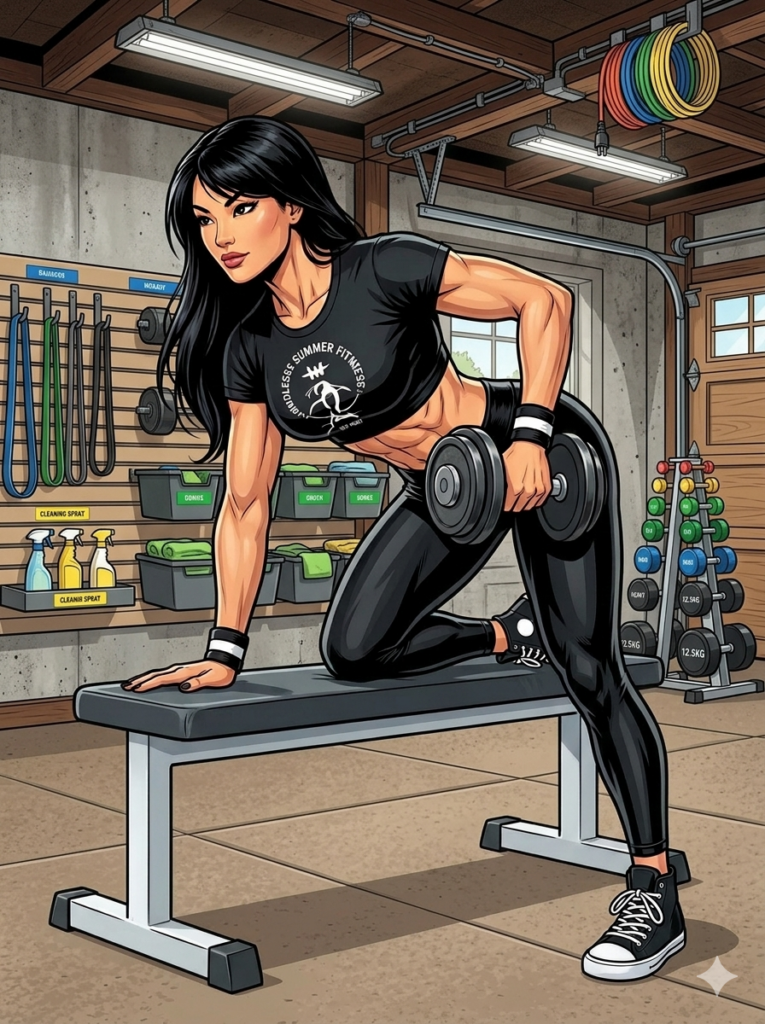
You Don’t Need Heavy Weights to Build Real‑World Strength. Most people think strength only comes from barbells, plates, and a gym full of machines. But the science is clear: your muscles don’t care what you lift — they care about how much stress you put them under. This hybrid fitness guide shows you how to build functional strength without heavy weights.
Continue your journey here: Strength Training After 40: Build Muscle, Live Longer
That means you can build serious, athletic, real‑world strength using nothing but your bodyweight and a few portable tools.
This is the heart of hybrid training — blending calisthenics with light external resistance to build a strong, resilient, Miami‑ready body without ever touching a heavy barbell.
Why This Matters
If you’re over 40, busy, restarting, or rebuilding your fitness routine, heavy lifting isn’t always practical — or safe. Hybrid training gives you: strength that actually transfers to daily life, joint‑friendly progress, better balance, stability, and control, athletic conditioning without burnout, and the freedom to train anywhere.
It’s the simplest way to build a body that moves well, feels strong, and stays durable for years.
The Science Behind Light‑Load Strength
Your muscles can’t tell the difference between:
- 135‑lb barbells
- Hard push‑up variations
- Slow eccentric reps
- Single‑leg squats
- Bands that get heavier as they stretch
Your muscles only respond to mechanical tension, which is the stress placed on the muscle fibers.
Human Kinetics and other strength‑science sources show that light‑load training taken close to fatigue can build the same muscle as heavy lifting. You create that tension by manipulating:
- Body angles — change the angle, change the load
- Unilateral work — one side at a time doubles the demand
- Tempo — slow reps create massive tension
- Instability — rings and straps wake up stabilizers instantly
This is the foundation of hybrid strength.
The 6 Movement Patterns Every Hybrid Athlete Needs
Instead of thinking in “exercises,” hybrid training focuses on movement patterns the way your body naturally moves in real life.
1. Horizontal Push
Push‑ups build chest, shoulders, and core stability.
Real‑world payoff: pushing open heavy doors, bracing, carrying awkward objects.
2. Vertical Push
Pike push‑ups strengthen your shoulders and upper back.
Real‑world payoff: lifting things overhead, shoulder resilience.
3. Vertical Pull
Pull‑ups build your back, arms, and grip.
Real‑world payoff: climbing, posture, and everyday pulling strength.
4. Horizontal Pull
Inverted rows strengthen your upper back and core.
Real‑world payoff: counteracting slouching, pulling objects toward you.
5. Squatting
Bodyweight squats and split squats build leg strength and hip stability.
Real‑world payoff: standing up easily, knee longevity.
6. Hip Hinging
Single‑leg RDLs and banded hinges train your glutes and hamstrings.
Real‑world payoff: bending safely, protecting your lower back.
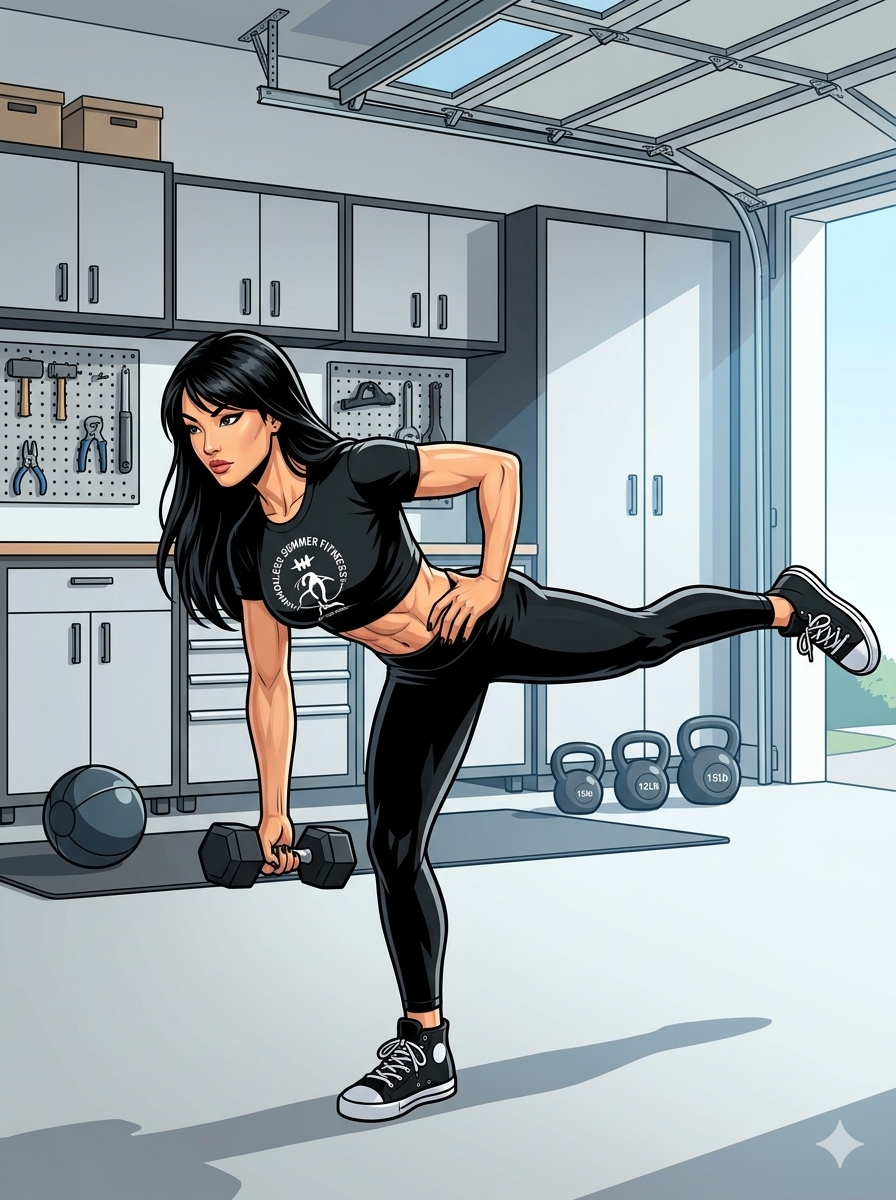
These six patterns are the backbone of every ESF hybrid article and every functional strength plan.
The 3 Tools That Supercharge Hybrid Strength
You don’t need a gym. You need three portable tools that turn bodyweight training into a full‑strength system.
1. Rings or Suspension Straps
They move freely, forcing your stabilizers to fire like crazy. Every push and pull becomes twice as challenging — and twice as effective.
2. Heavy Resistance Bands
Bands get harder the more they stretch, matching your natural strength curve. This makes them perfect for safe, joint‑friendly strength work.
3. A Single Kettlebell or Weighted Vest
Adding a little external load tricks your body into thinking it’s heavier. You get the benefits of weight training without the spinal compression of barbells.
How to Build Your Week (Without a Full Program)
ESF articles never include full programs — instead, we give you simple structure rules you can apply to any week.
Use this hybrid rhythm:
- 1 upper‑body strength day
- 1 lower‑body strength + stability day
- 1 mobility + core day
- 1 conditioning day
That’s it. Simple. Sustainable. Effective.
Recovery Rules for Hybrid Athletes
Your strength doesn’t grow during the workout — it grows during recovery.
Follow these ESF principles:
1. Give Each Muscle Group 48 Hours
Upper body one day, lower body the next. Let your body rebuild.
2. Protect Your Joints
Hybrid training is already joint‑friendly — keep it that way with 5 minutes of stretching and posture resets.
3. Progress Gently
No heavy overload. Just change angles, slow reps, or add a tiny bit of resistance.
4. Sleep Big + Hydrate
Seven to nine hours. Water all day. Your recovery depends on it.
How to Use This Today
Start with one movement pattern from each category, use bodyweight first, add tools when you’re ready, keep it fun, keep it light, keep it Miami. This is hybrid training — the Endless Summer Fitness way.
Medical Disclaimer: This article is for educational and informational purposes only and does not constitute medical advice. Always consult a physician or certified fitness professional before beginning a new exercise program, especially if you have pre-existing conditions.
Move fast, stay strong, go far
— The hybrid body is built for anything!
Peer-Reviewed Sources:
1. Human Kinetics – Strength Training Research Overview
A trusted source for exercise science, biomechanics, and strength‑training principles. https://www.humankinetics.com/blogs/exercise-science (humankinetics.com in Bing)
2. National Strength and Conditioning Association (NSCA) – Resistance Training Guidelines
Evidence‑based guidance on strength development, load principles, and functional training. https://www.nsca.com/education/articles/position-statements/ (nsca.com in Bing)