Starting a fitness routine can feel like a massive mountain to climb, especially if you are trying to exercise again after a long break, an injury, or a shift in your health. When your body feels different from how it used to, knowing where to start can be hard. This 7-day workout plan is built for absolute beginners to help you get stronger and move better. Whether you are starting over or starting fresh, this simple plan will help you get back into shape safely.
Continue your journey with: Start Here: Your Simple, Confident Guide to Beginning Hybrid Fitness
Everyone Starts in a Different Place
Different Fitness Stories
Everyone has a unique relationship with exercise. Some people are active when they are young, but life gets busy. Work, family, and chores take over, and exercise falls to the side. Suddenly, years pass, and they find themselves out of shape, wishing they could have their younger body back.
Other people might have struggled to stay active their whole lives. Maybe sports were hard for them as a kid, or they never found an exercise they liked. Now, they want to make a healthy change but feel overwhelmed by complicated advice. Getting sick or hurting yourself can slow you down, making it feel hard to start over. It is easy to feel discouraged, but everyone’s path looks different.
What Happens as the Body Matures
It is normal to be active for a long time and then notice a major shift in how you feel. As the body gets older, it takes longer to heal from everyday stress. Old injuries can suddenly start to feel stiff and sore again. An injury that used to heal in days might now make it hard to do simple things like squatting down, stretching your legs, or reaching for a high shelf.
When your body feels stiff, jumping right into heavy workouts is a bad idea. If you lift heavy weights or run miles on day one, you will probably hurt yourself or feel so sore that you want to quit. You have to rebuild your strength slowly and safely. You just need to stay consistent, practice easy movements, and give your body plenty of time to rest.
The 7-Day Beginner Plan
This weekly plan focuses on basic movements to keep your joints safe. The most important part of this plan is that the 7th day is just for resting and relaxing your mind. This keeps your body from getting too tired and helps you build a habit that lasts.
Day 1: Easy Walking and Stretching
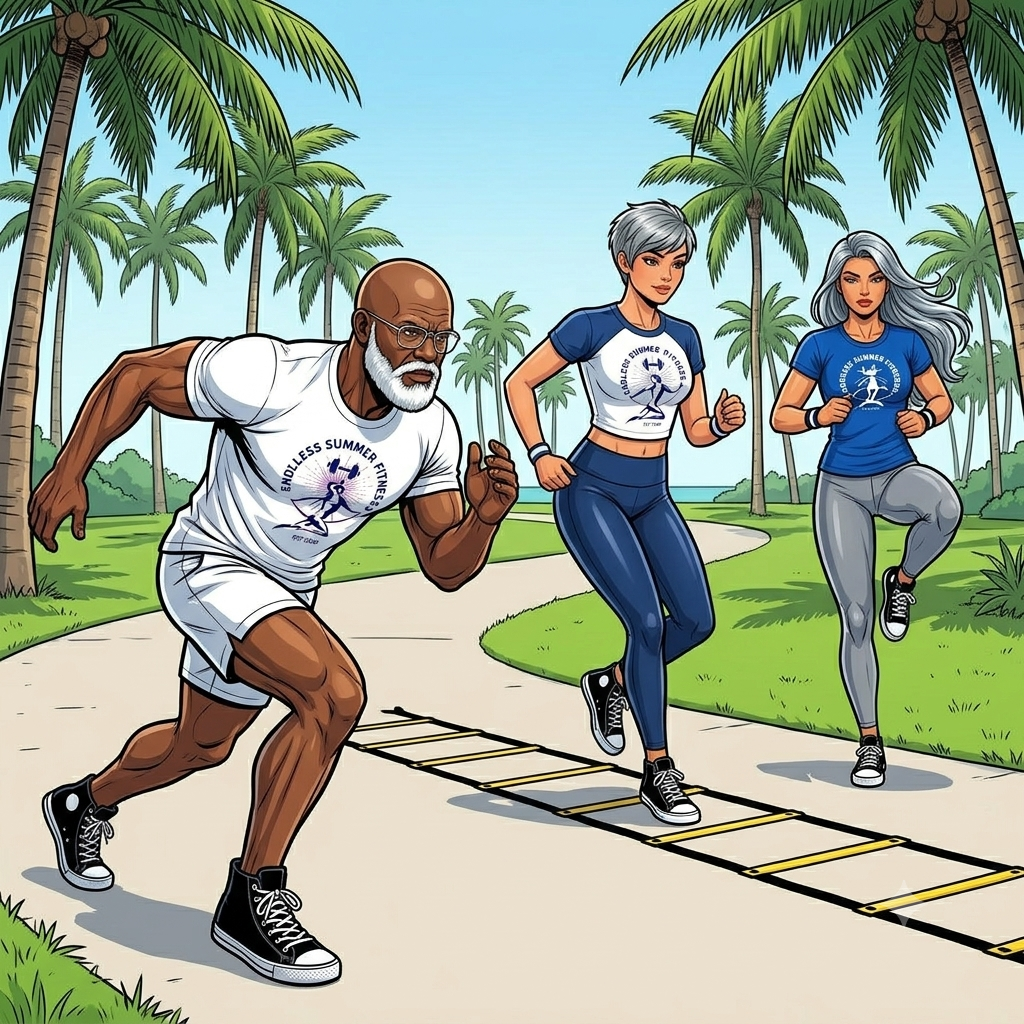
Walk at an easy pace for 15 to 20 minutes. You should still be able to talk to a friend without gasping for air. After your walk, spend 5 minutes doing easy stretches.
- Easy Arm Circles: Stand with feet apart. Bring arms out straight. Slowly move your hands in big circles forward ten times, then backward ten times.
- Neck Rolls: Drop your chin toward your chest. Slowly roll your head toward your right shoulder, then back down, and toward your left shoulder. Do this five times.
- Toe Reaches: Stand tall, reach up to the sky, and slowly bend forward at your waist. Let your hands hang toward your feet. Hold still and count to ten.
Day 2: Tummy and Core Exercises
Your core is made up of your tummy and back muscles. It acts like the anchor for your body. When your core is strong, it protects your lower back from getting hurt. Today, you will do simple movements on a soft carpet or mat.
- Pelvic Tilts: Lie flat on your back with knees bent and feet flat. Tighten your tummy muscles so that your lower back flattens against the ground. Hold it for three seconds, then relax. Do this ten times.
- Modified Dead Bug: Stay on your back with knees bent and feet flat. Lift your right arm straight up toward the ceiling. Slowly lower it. Next, lift your left arm up, then lower it. Switch back and forth ten times.
- Belly Breathing: Lie still on your back with one hand on your tummy. Take a deep breath in through your nose, making your hand lift up. Blow the air out slowly through your mouth. Do this for two minutes.
Day 3: Easy Strength Exercises
Building strength does not require lifting heavy weights. Your own body weight is plenty of resistance when you are just starting out. Today, you will use a wall or a sturdy chair to help keep you safe and balanced.
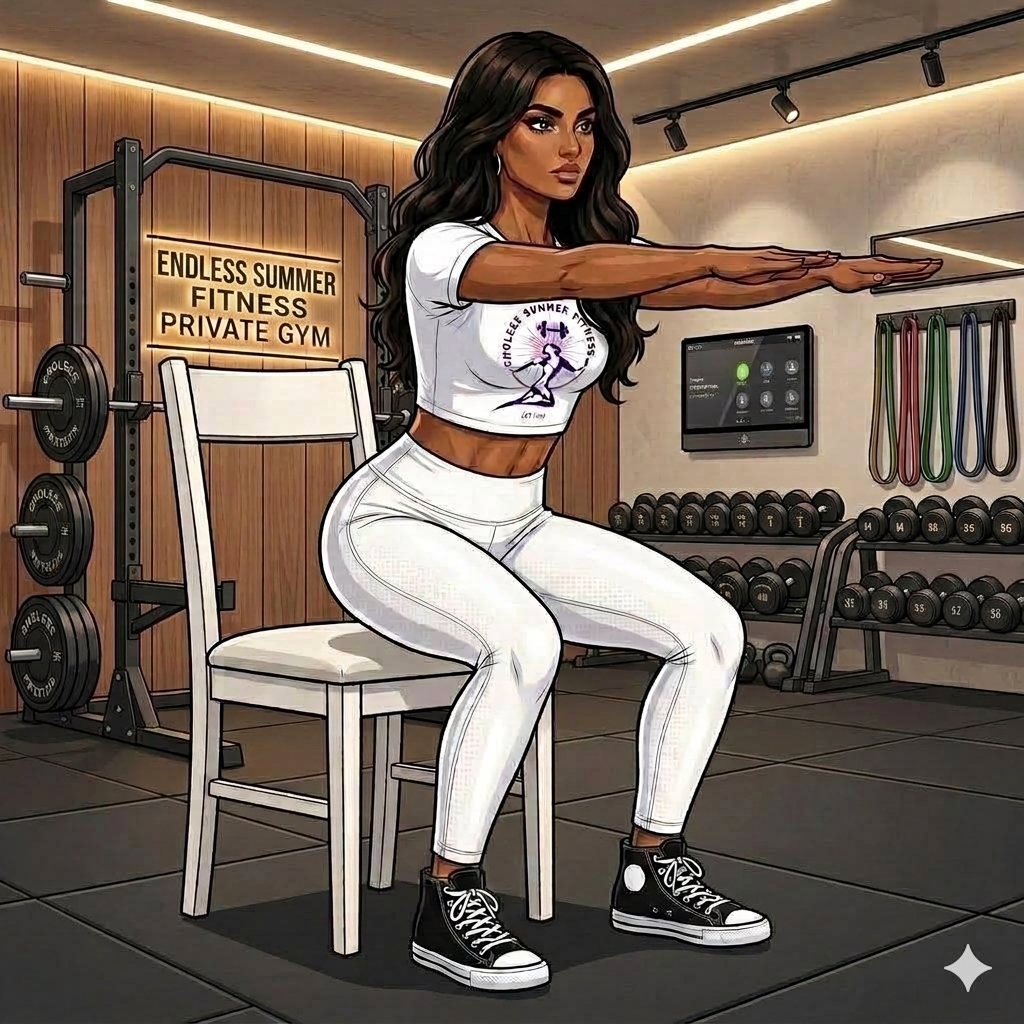
- Chair Squats: Sit on a sturdy chair with feet flat. Lean forward slightly, push through your heels, and stand all the way up. Slowly lower back down until you are sitting again. Do this eight times.
- Wall Push-Ups: Stand two feet away from a wall. Put your hands flat against the wall at shoulder height. Bend your elbows to lower your chest close to the wall, then push back up. Do this eight times.
- Calf Stretches: Stand facing the wall with hands on it for balance. Step your right foot back. Keep your right leg straight and press your heel firmly into the floor. Hold for twenty seconds, then switch legs.
Day 4: Rest and Flexibility
Today is an active recovery day, which means you move gently to help your body heal, not to work up a sweat. You can do a gentle yoga routine, swim, or do home stretches.
- Seated Twist: Sit sideways in a chair with feet flat. Turn your upper body toward the back of the chair and hold onto the frame. Look over your shoulder and hold for fifteen seconds, then switch sides.
- Chest Opener: Stand up and lace your fingers together behind your lower back. Gently pull your shoulders back and lift your chest toward the sky. Hold and breathe deeply for fifteen seconds.
Day 5: Balance Practice
Good balance prevents trips and falls, and makes you feel confident when walking on uneven ground. Start by standing next to a wall or counter so you have something to hold onto if you wobble.
- One-Leg Stand: Hold onto the counter. Lift your right foot slightly off the floor so you are standing only on your left foot. Hold still for ten seconds, then repeat on the other side.
- Side Reaches: Stand with feet wide apart. Lift your right arm straight up, then lean your upper body toward the left side of the room. Hold for five seconds, then switch arms.
- Slow Marching: Stand up straight. Lift your right knee up a few inches, put it down, and lift your left knee. March in place slowly twenty times.
Day 6: Basic Bodyweight Moves
Today is about putting different movements together into a short, easy routine. Focus on standing up straight and doing the moves correctly rather than fast.
- The Circuit: Do 5 chair squats, 5 wall push-ups, and 10 seconds of slow marching in place. Sit down and rest for one full minute to catch your breath and drink some water. Complete the entire circuit two more times.
Day 7: Meditation and Rest
Today, you take a total break from physical exercise. Your body needs a full 24 hours to repair your muscles and rest your nervous system. Spend today relaxing, breathing deeply, and thinking about your progress.
- Find Comfort: Find a quiet room. Sit in a comfortable chair or lie down. Close your eyes.
- Follow the Air: Put your hands on your lap. Pay close attention to the feeling of the air moving into your nose, down into your lungs, and back out through your mouth.
- Clear Your Mind: If your mind wanders, that is okay. Just let the thought go and go back to focusing on your breathing. Do this for five minutes.
Why Rest and Meditation Matter
When you are trying to get healthy, how you think matters just as much as how you move. Exercise causes tiny amounts of stress to your muscles, which is how they grow stronger. However, if you never give them a break, they will stay inflamed and painful.
Giving yourself a full day to rest and quiet your mind prevents your muscles from getting too sore. This is the secret to staying consistent. People often quit working out because they feel miserable and exhausted. By protecting your seventh day for rest and mindfulness, you keep yourself from wanting to quit and give your body the energy it needs to start again next week!
Tips for Long-Term Success
Be Patient with Progress
Getting back into shape is a marathon, not a sprint. You did not get out of shape in a single week, so you cannot expect to completely transform your body in a single week either. Celebrate small victories, like noticing that a stretch feels a little easier.
Drink Plenty of Water
Your muscles need water to work properly and to heal after exercise. Try to keep a water bottle nearby throughout the day and take small sips, especially before and after your walks or strength moves.
Medical Disclaimer: This article is for educational and informational purposes only and does not constitute medical advice. Always consult a physician or certified fitness professional before beginning a new exercise program, especially if you have pre-existing conditions.
Move fast, stay strong, go far
— The hybrid body is built for anything!
Reference 1 (Supports Rest Days and Muscle Recovery)
Yang, Y., Bay, P. B., Wang, X. R., Jiao, J., & Huo, Y. N. (2018). Effects of consecutive versus non-consecutive days of resistance training on strength, body composition, and neuromuscular performance: A systematic review and meta-analysis. Frontiers in Physiology, 9, 725. https://pmc.ncbi.nlm.nih.gov/articles/PMC6015912/
Yang, Y., Bay, P. B., Wang, X. R., Jiao, J., & Huo, Y. N. (2018). Effects of consecutive versus non-consecutive days of resistance training on strength, body composition, and neuromuscular performance: A systematic review and meta-analysis. Frontiers in Physiology, 9, 725. https://pmc.ncbi.nlm.nih.gov/articles/PMC6015912/
Reference 2 (Supports Mindfulness Meditation and Psychological Recovery)
Nascimento, D., Silva, A., Castelo, H., & Brandão, M. (2025). Mindfulness meditation as a tool for enhancing recovery and mitigating burnout in active populations. Frontiers in Psychology, 16, Article 1661724. https://www.frontiersin.org/journals/psychology/articles/10.3389/fpsyg.2025.1661724/full
Nascimento, D., Silva, A., Castelo, H., & Brandão, M. (2025). Mindfulness meditation as a tool for enhancing recovery and mitigating burnout in active populations. Frontiers in Psychology, 16, Article 1661724. https://www.frontiersin.org/journals/psychology/articles/10.3389/fpsyg.2025.1661724/full