A workout routine only helps if it fits your life and you can repeat it. After 40, you do not need to train like an athlete or finish every session exhausted. You need regular movement, a sensible amount of strength work, and enough recovery to come back for the next session.
If a plan leaves you sore for days, aggravates your back, or takes more time than you can spare, the plan needs adjusting. Start with what you can do comfortably. Build from there.
- Want a simple place to start? Read How to Start Working Out After 40
Why a Sustainable Routine Matters Over 40
A consistent routine can support strength, balance, heart health, and the ability to handle everyday tasks. Those benefits do not require punishing workouts. Public health guidance recommends building toward 150 minutes of moderate aerobic activity each week, along with muscle-strengthening activity on at least two days. If you are currently inactive, start with less. Some movement is better than none, and you can increase gradually.[1][2]
“Over 40” covers a wide range of people and abilities. Your age alone does not tell you what exercises you should do. Your health, experience, current activity, and how you feel during and after movement matter more.
The goal is not to exhaust yourself. It is to choose a routine that trains your body without making the rest of your week harder.
What a Balanced Routine Includes
A balanced plan can include three kinds of activity:
Strength work: Exercises using body weight, resistance bands, machines, or weights.
Cardio: Brisk walking, cycling, swimming, or another activity that raises your breathing rate.
Mobility and balance: Comfortable movement through the ranges you use in daily life, plus simple balance practice when appropriate.
You do not have to squeeze all three into every workout. A few short sessions can cover them across the week. Strength training helps build or maintain strength, while aerobic activity supports heart and lung fitness. The two work well together.
Mobility work can help you practice moving comfortably. It does not “protect” a joint from all injury, and stretching is not a substitute for strength training. Use movements that feel controlled and comfortable.
Find Your Starting Point
Choose a level of activity you can repeat without sharp pain or excessive fatigue. If you have been inactive, are recovering from an injury, or have a health condition that affects exercise, check with a qualified health professional about a safe starting plan.
For your first couple of weeks, try:
-
- One or two short strength sessions.
- Easy walks or other comfortable cardio on a few days.
- At least one rest or light-activity day between strength sessions that work the same muscles.
You can begin with 15 to 25 minutes. Finish most sets feeling that you could do a few more good repetitions. You do not need to lift to failure or push through pain to make progress.
Build Your Routine Step by Step
1. Pick a practical goal. Practice getting up from a chair, carrying groceries, walking longer, or using stairs with more confidence.
2. Choose a schedule you can keep. Two strength sessions each week is a useful starting target. Add cardio gradually.
3. Train the main movement patterns. Include a squat or sit-to-stand, a push, a pull, and a hip movement such as a bridge.
4. Warm up with movement. Spend about five minutes walking easily or marching in place. Then practice lighter versions of the exercises you plan to do.
5. Progress one step at a time. Add a repetition, a set, a little resistance, or a few minutes of walking. Change one thing at a time and see how you feel.
6. Leave room for recovery. Muscles can feel tired after exercise, but persistent pain, worsening symptoms, or fatigue that disrupts daily life are reasons to reduce the workload and seek advice.
A warm-up should prepare you for the activity, not tire you out. Gentle dynamic movements, such as easy marching or supported sit-to-stands, are useful before a workout. Static stretching is optional; if you want to stretch, do it gently after training or at another time. It can help with flexibility, but it is not required for recovery.
Sample Routines for Real Life
Use a sturdy chair or counter for support. Start with one or two sets of each exercise. Rest as needed, and stop if you feel sharp pain, dizziness, or unusual shortness of breath.
Core and Foundation Circuit
Start here if you are returning to exercise or want a shorter session.
Warm-Up: Walk in place for three to five minutes. Add easy shoulder rolls and a few comfortable hip hinges.
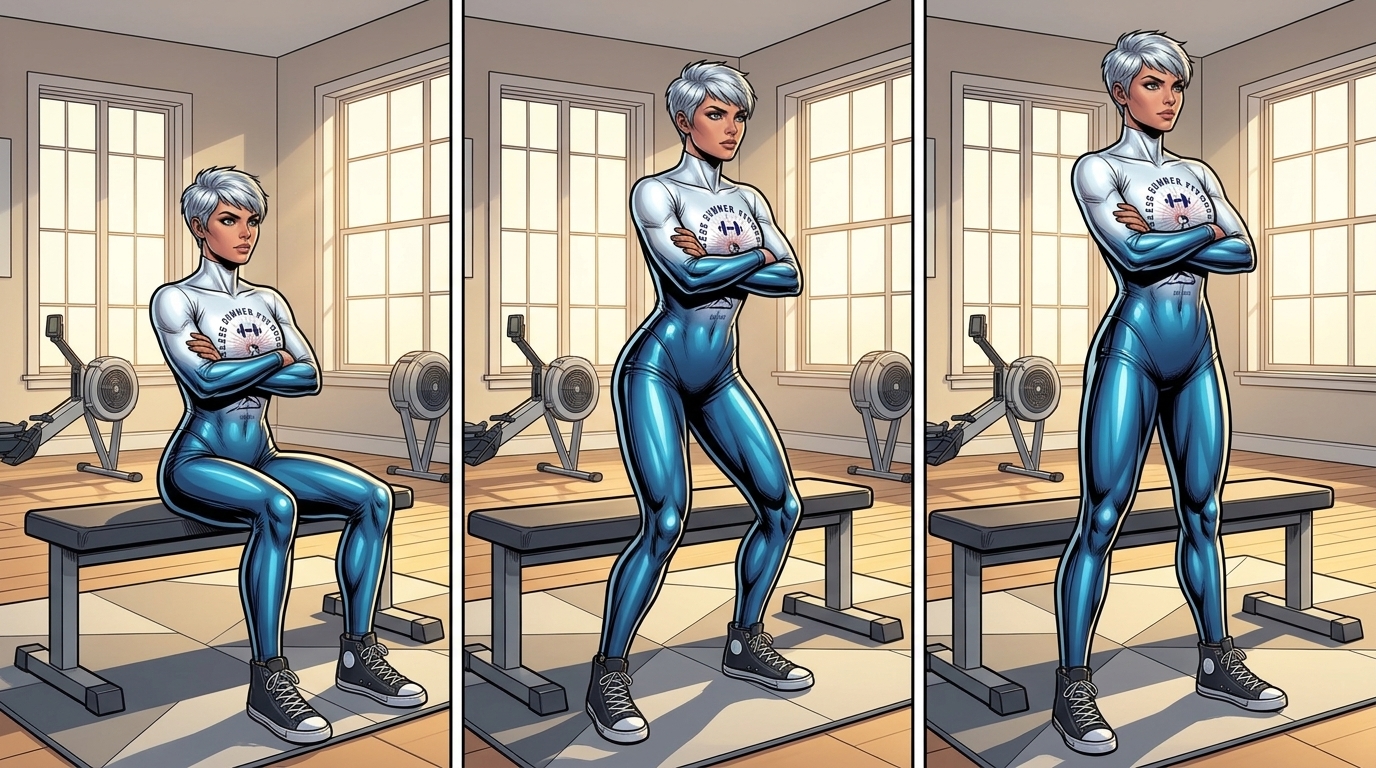
1. Chair Sit-to-Stand
Perform 8 to 10 repetitions.
Execution: Sit near the front of a sturdy chair. Lean your chest slightly forward, stand up by pressing through your feet, then sit down with control. Use your hands for support if needed.
Coaching Tip: Keep the movement comfortable. A higher chair or a cushion can make it easier.
2. Wall Push-Up
Perform 8 to 10 repetitions.
Execution: Place your hands on a wall at chest height. Step back slightly, bend your elbows to bring your chest toward the wall, then press back.
Coaching Tip: Keep your body in a comfortable straight line. Move your feet closer to the wall to make the exercise easier.
3. Seated Band Row
Perform 10 to 12 repetitions.
Execution: Sit tall with a resistance band looped around your feet. Hold an end in each hand. Pull your hands toward your waist, then return slowly.
Coaching Tip: Keep your shoulders relaxed. Avoid leaning back to move the band.
4. Glute Bridge
Perform 8 to 12 repetitions.
Execution: Lie on your back with knees bent and feet flat. Gently tighten your buttocks and raise your hips a comfortable distance. Lower slowly.
Coaching Tip: Stop before your back arches. The movement should feel like work in your buttocks, not pain in your back.
Finish with a comfortable five- to ten-minute walk or easy cycling if you have time.
Strength and Walking Routine
Use this option when the first circuit feels comfortable and recovery is going well.
Warm-Up: Walk easily for five minutes. Practice a few sit-to-stands and arm movements without weights.
1. Supported Squat to Chair
Perform 8 to 12 repetitions.
Execution: Stand in front of a chair and hold a counter if you need balance. Bend your hips and knees to lower toward the seat, then stand again.
Coaching Tip: Use a range of motion that feels steady. You do not need to squat deeply.
2. Counter Push-Up
Perform 8 to 12 repetitions.
Execution: Place your hands on a stable counter. Bend your elbows to bring your chest toward it, then press away.
Coaching Tip: Check that the counter cannot slide. A wall is a good alternative.
3. Supported Hip Hinge
Perform 8 to 10 repetitions.
Execution: Stand with one hand on a counter. Soften your knees and move your hips back as your chest tips forward slightly. Stand tall again.
Coaching Tip: Keep the movement small and comfortable. Do not round or force your back.
4. Standing Band Row
Perform 10 to 12 repetitions.
Execution: Anchor a resistance band securely at chest height. Pull your elbows back, then let your arms straighten slowly.
Coaching Tip: If you cannot anchor the band safely, use the seated row from the first routine.
After strength work, take an easy or brisk walk for 10 to 20 minutes, depending on your current fitness. Keep the pace comfortable enough to speak in short sentences.
Make the Routine Easier to Keep
- Put sessions on your calendar. Short, planned workouts are easier to fit around work and family.
- Track how you feel. Note the exercises, repetitions, and any symptoms during or after the session.
- Keep a shorter version ready. On a busy day, do one set of each exercise or take a 10-minute walk.
- Repeat before you add. Practice the same plan for a few weeks before increasing the workload.
- Treat rest as part of training. Easy walking is fine on many recovery days, but you do not have to exercise hard every day.
Common Mistakes and How to Adjust
• Starting with too much. Begin with fewer sessions and shorter workouts than you think you can handle. Build gradually.
• Treating all discomfort as a problem. Muscle effort is expected; sharp, worsening, or unusual pain is a reason to stop and reassess.
• Using complicated moves too soon. You can build strength with a chair, a wall, a band, and simple movements. You do not need jumps, fast twisting drills, or heavy lifts.
• Skipping the warm-up. A few minutes of easy movement helps you ease into the session. Save long, intense stretches for another time.
• Assuming soreness means a good workout. Soreness is not a measure of progress. A productive session can leave you feeling fine the next day.
Summary
A sustainable workout routine over 40 starts with manageable strength work, comfortable cardio, and a schedule you can repeat. Two strength sessions per week is a reasonable starting point for many adults. Add walking or another cardio activity gradually, and adjust the plan based on how your body responds.
Keep the exercises simple. Move with control. Give yourself time to recover.
- Take Your Next Step with Endless Summer Fitness Visit ESF for more Joint-Friendly 30-Minute Bodyweight Conditioning Routine ideas and practical guidance for building an active routine.
Frequently Asked Questions
How many days a week should adults over 40 work out?
Many adults can start with two strength sessions each week and add comfortable cardio on other days. National guidance recommends at least 150 minutes of moderate aerobic activity weekly, but you can build toward that amount gradually.[1][2]
Is strength training safe if I have joint stiffness?
It depends on the cause and severity. Choose a comfortable range of motion, use support when needed, and reduce resistance if symptoms worsen. If stiffness is persistent or exercise causes pain, ask a qualified health professional for guidance.
How long should a workout take?
A useful workout can take 15 to 30 minutes. Longer sessions are optional. The right length is one that lets you train comfortably and return for your next session.
Should I stretch before or after exercise?
Start with easy movement and practice the exercises you plan to do. Static stretching is optional and can be done after exercise or separately. It is not required to prevent soreness or injury.
Medical Disclaimer: This article is for educational and informational purposes only. It is not medical advice and does not diagnose or treat any condition. Consult a qualified health professional before beginning a new exercise program if you have a medical condition, are recovering from injury or surgery, or have symptoms that concern you. Stop exercising and seek appropriate care if you experience chest pain, fainting, severe shortness of breath, or sudden severe pain.
References
- World Health Organization. WHO Guidelines on Physical Activity and Sedentary Behaviour. 2020.
- Piercy KL, et al. The Physical Activity Guidelines for Americans. JAMA. 2018;320(19):2020–2028.
- American College of Sports Medicine. Resistance Training Prescription for Muscle Function, Hypertrophy, and Physical Performance in Healthy Adults: An Overview of Reviews. Medicine & Science in Sports & Exercise. 2026.
- Blazevich AJ, et al. No Effect of Muscle Stretching within a Full, Dynamic Warm-up on Athletic Performance. Medicine & Science in Sports & Exercise. 2018.