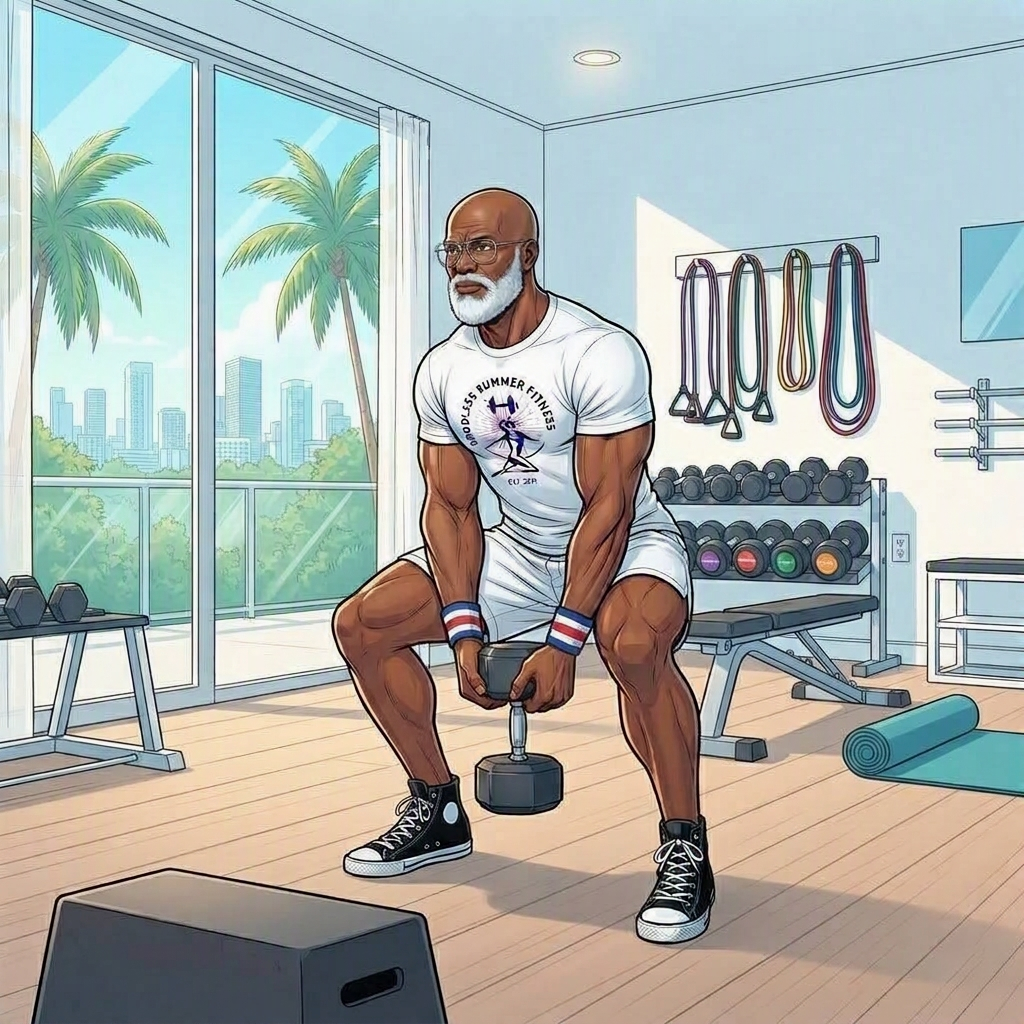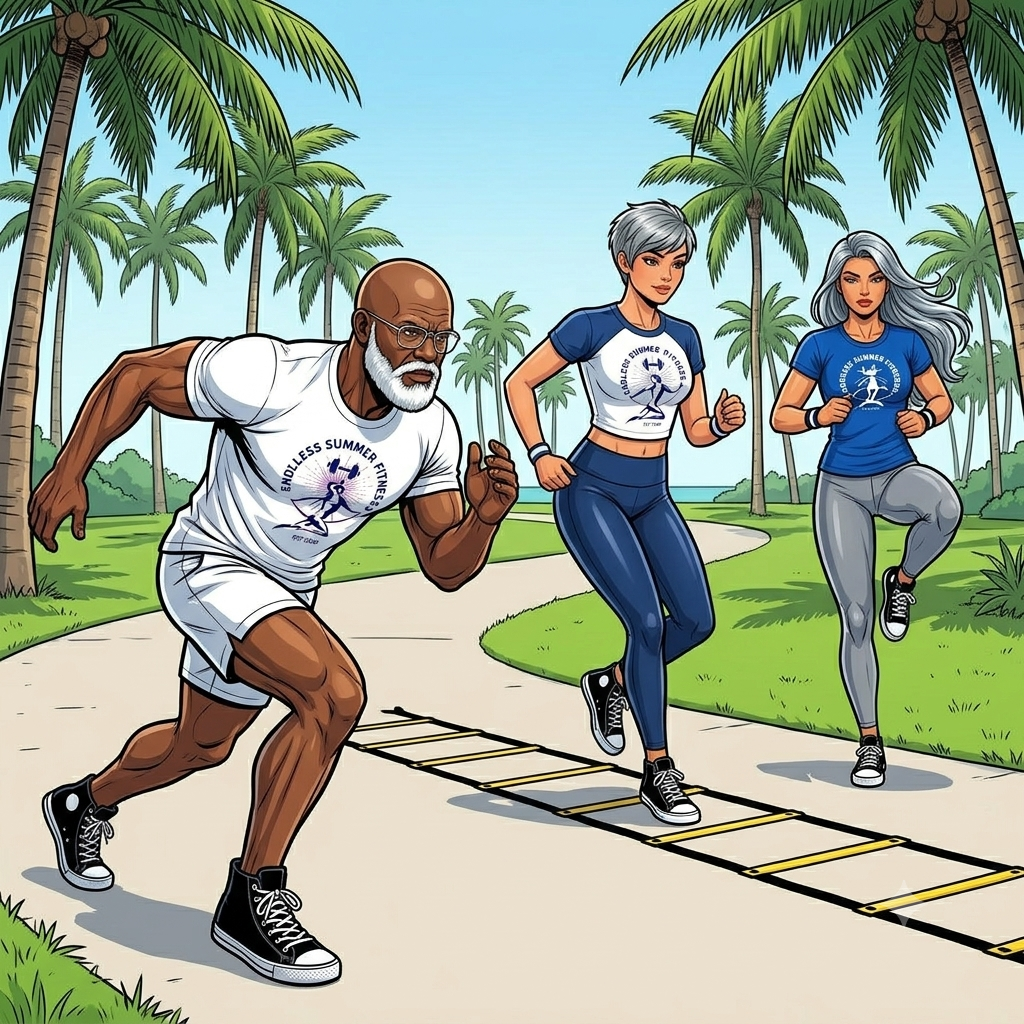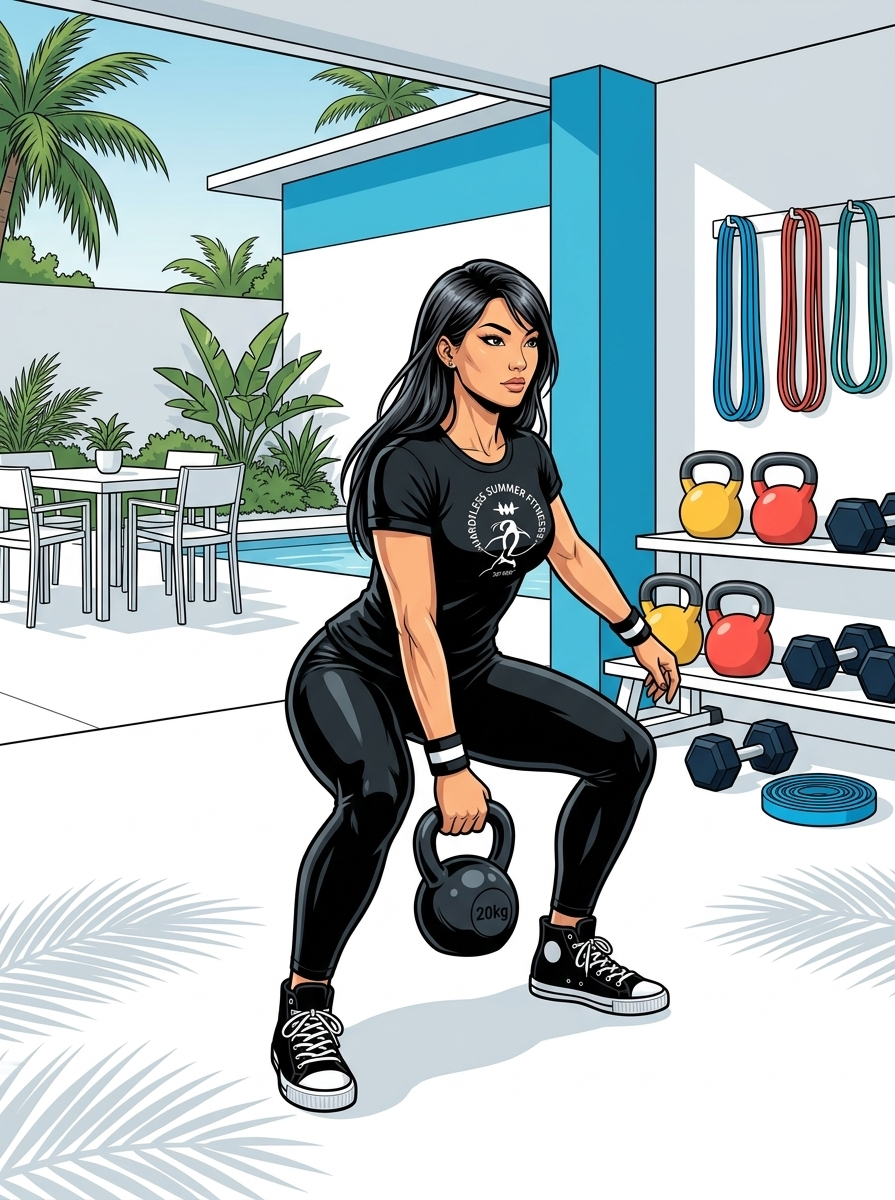
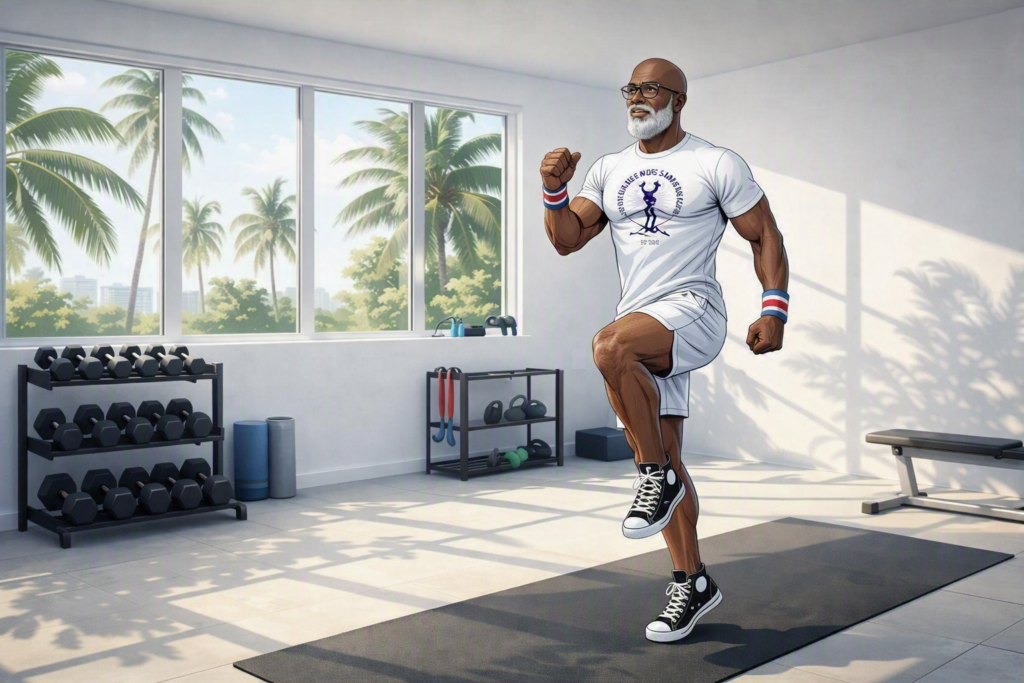
If you’re over 40 and returning to fitness, traditional cardio often feels punishing, pounding joints, flaring old injuries, and leaving you more exhausted than energized. High‑impact movements like running, jump squats, and burpees load your knees, hips, and spine with forces your body may not be ready for. We will discuss 5 low‑impact cardio moves that are effective when you are over 40.
Learn how to: Get Strong After 40: Your Fitness Reset Begins Now
Why Low‑Impact Cardio Moves Matter After 40
Low‑impact cardio moves flip the script. You get all the conditioning benefits without the joint stress, impact forces, or recovery drain.
Low‑impact cardio is the ESF entry point for adults 40+ who want to:
- improve heart health
- increase daily energy
- boost endurance
- reduce stiffness
- feel athletic again
- train consistently without pain
This isn’t about grinding through high‑impact intervals. It’s about building a sustainable engine that supports your strength training, mobility work, and everyday life. When your cardio routine is sustainable, you show up consistently, and consistency drives real, lasting change.
The Science: Why Low‑Impact Conditioning Works
Low‑impact conditioning is highly effective for adults 40+. Research shows that even low‑intensity bodyweight training, when performed consistently, improves muscle strength, walking ability, and cardiovascular function 1 (sciencedirect.com) (sciencedirect.com in Bing).
A 2023 study found that low‑impact interval training significantly improved aerobic capacity and functional mobility in older adults, without increasing joint pain or injury risk 2 (pubmed.ncbi.nlm.nih.gov) (pubmed.ncbi.nlm.nih.gov in Bing).
Another trial showed that moderate‑intensity, low‑impact walking programs improved cardiovascular health and reduced fatigue in adults over 50 3 (academic.oup.com) (academic.oup.com in Bing).
Why this matters for you
Your heart doesn’t care whether you’re running or marching. It only cares that it’s working. When you keep the impact low, you keep your joints happy.
The mitochondrial connection
Low‑impact cardio moves improve mitochondrial efficiency, which is your body’s ability to convert food into usable energy. As we age, mitochondrial function naturally declines. Consistent low‑impact conditioning stimulates the creation of new mitochondria and improves the efficiency of existing ones. More mitochondria = more energy for daily life.
Key Point
Low‑impact cardio is not “easy cardio.” It’s smart cardio: joint‑friendly, sustainable, and effective.
What Low‑Impact Cardio Actually Builds
-
Aerobic Capacity
You breathe better, recover faster, and sustain longer effort both in workouts and daily life.
-
Joint‑Friendly Endurance
You build stamina without pounding your knees, hips, or lower back.
-
Daily Energy
Improved mitochondrial efficiency means more energy all day long.
-
Movement Confidence
You start feeling athletic again even if you haven’t trained in years.
-
Strength Training Support
Better cardio = better recovery = better strength gains.
-
Stress Reduction
Low‑impact cardio activates the parasympathetic nervous system, reducing stress and improving mental clarity.
The 5 Low‑Impact Cardio Starter Moves
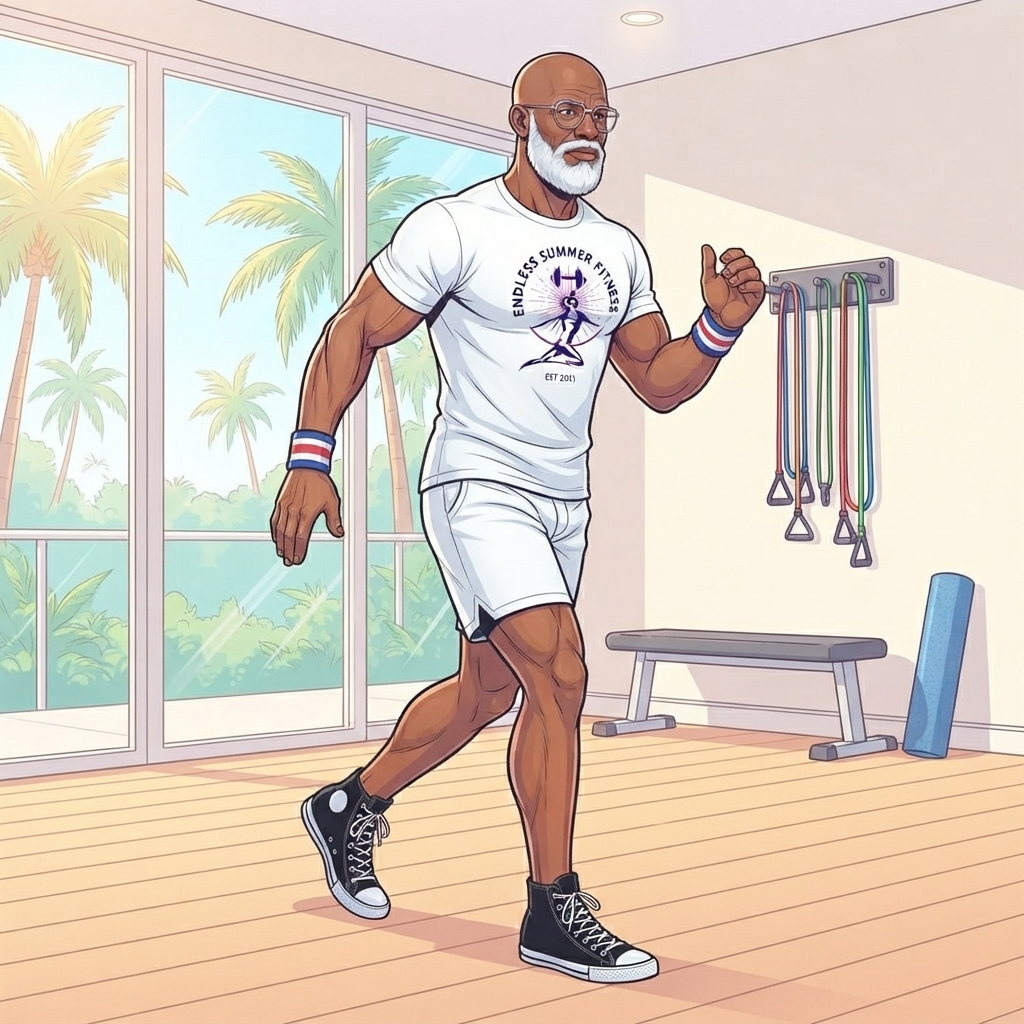
These movements are simple, safe, and perfect for adults 40+ training in a home gym.
-
Marching
The foundation of low‑impact cardio.
How to do it: Stand tall, drive one knee to hip height, swing the opposite arm, and alternate rhythmically.
Common mistakes: Leaning back, collapsing posture, or swinging arms wildly.
Progression: Increase speed, add light dumbbells, or march while holding a band.
-
Step Touch
Builds lateral strength, rhythm, and coordination.
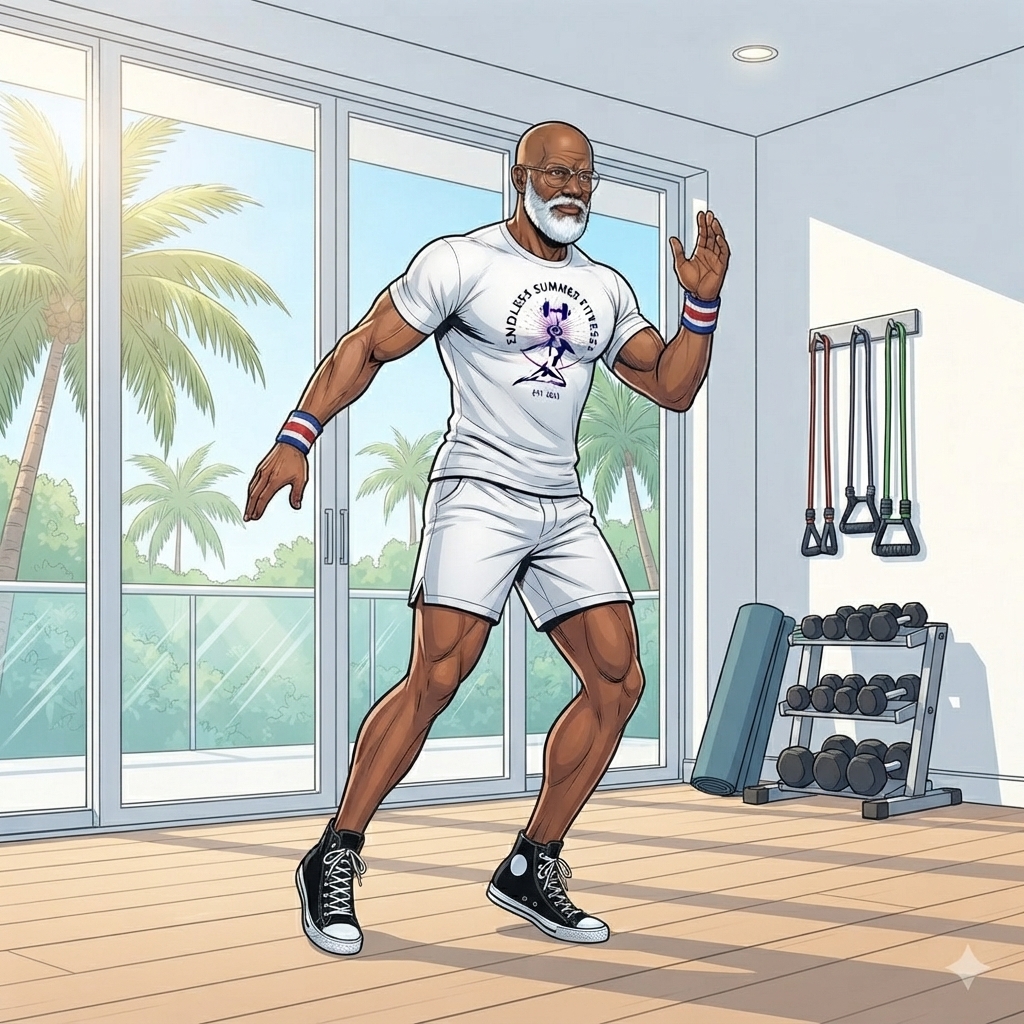
How to do it: Step your right foot out, bring your left foot to meet it, then reverse. Add a slight knee bend and arm swing.
Common mistakes: Staying stiff or upright.
Progression: Add a squat at each step or increase speed.
-
Light Shadow Boxing
An underrated cardio tool that boosts mobility and coordination.
How to do it: Stand athletically, hands up, and throw controlled punches, jabs, hooks, uppercuts.
Common mistakes: Locking elbows, tensing shoulders, forgetting to breathe.
Progression: Add 1–2 lb. dumbbells or incorporate footwork.
-
Low‑Impact Skaters
Improves balance, hip strength, and athletic movement patterns.
How to do it: Step your right foot diagonally behind your left, then switch sides in a smooth skating motion.
Common mistakes: Moving too fast or too small.
Progression: Increase range of motion or add light weights.
-
Fast Feet (Beginner)
Short bursts of controlled speed build confidence and conditioning.
How to do it: Tap your toes quickly while keeping knees bent and movement small.
Common mistakes: Lifting feet too high or losing rhythm.
Progression: Increase duration or add upper‑body movement.
How to Progress Without Overwhelm
Progression is simple:
- Start slowly
- Increase duration before intensity
- Add resistance only when stable
- Keep intervals short and repeatable
- Never chase exhaustion
- Stop before form breaks
Consistency beats intensity every time.
A Sample Low‑Impact Cardio Starter Workout (Beginner)
Warm Up (3 minutes)
- March – 45 sec
- Arm swings – 30 sec
- Hip circles – 30 sec
- Light shadow boxing – 45 sec
- Torso twists – 30 sec
Low‑Impact Interval Circuit (Repeat 2–3 rounds)
- Marching – 45 sec
- Step Touch – 45 sec
- Shadow Boxing – 45 sec
- Low‑Impact Skaters – 30 sec
- Fast Feet – 20 sec
- Active recovery (slow march) – 30 sec
Cool Down (2 minutes)
- Hip flexor stretch – 30 sec each
- Chest stretch – 30 sec each
- Ankle circles – 30 sec
- Deep breathing – 30 sec
Who Low‑Impact Cardio Starter Is For
Perfect if you:
- haven’t exercised in a long time
- feel stiff or deconditioned
- want cardio without joint pain
- want to rebuild endurance safely
- want to feel athletic again
- want a simple, repeatable routine
- are returning from injury
- have been sedentary for months or years
If this is you, low‑impact cardio moves are the smartest starting point available.
How to Integrate Low‑Impact Cardio with Strength Training
ESF Weekly Structure
- Day 1: Low‑impact cardio
- Day 2: Strength (upper body)
- Day 3: Low‑impact cardio
- Day 4: Mobility
- Day 5: Strength (lower body)
- Day 6: Low‑impact cardio
- Day 7: Active recovery
This structure builds endurance, strength, and consistency without overtraining.
The ESF Philosophy
- Weight Training Modalities: dumbbells, bands, bodyweight
- Food for All Goals: simple, balanced meals
- Endurance + Sprinting Modalities: low‑impact conditioning
- Mindset Pillars: patience, commitment, discipline, enjoyment
Common Questions
Is low‑impact cardio effective? Yes, research shows comparable cardiovascular improvements with far lower injury risk.
How often should I do it? Start with 2–3 sessions per week, then build to 4–5.
Can I lose weight with low‑impact cardio? Absolutely, consistency drives results.
What if I’m completely out of shape? Start with 5–10 minutes and build gradually.
Final Takeaway
Low‑impact cardio moves are the safest, smartest way for adults 40+ to rebuild endurance. It’s joint‑friendly, beginner‑friendly, and designed for consistency, not punishment.
Your fitness reset begins with movements that feel good, progress that feels doable, and workouts that fit your real life.
Low‑Impact Cardio Starter builds your engine. Strength Foundations builds your base. Together, they carry you forward for decades.
Medical Disclaimer: This article is for educational and informational purposes only and does not constitute medical advice. Always consult a physician or certified fitness professional before beginning a new exercise program, especially if you have pre-existing conditions.
If you believe in something, never give up! 12 months can change your life!
References
- Low‑intensity bodyweight training iemproves strength and walking ability. https://www.sciencedirect.com/science/article/pii/S1440244021000953 (sciencedirect.com in Bing)
- Low‑impact interval training improves aerobic capacity in older adults. https://pubmed.ncbi.nlm.nih.gov/37126533 (pubmed.ncbi.nlm.nih.gov in Bing)
- Moderate‑intensity walking improves cardiovascular health in adults over 50. https://academic.oup.com/biomedgerontology/article/76/7/1234/6273451 (academic.oup.com in Bing)