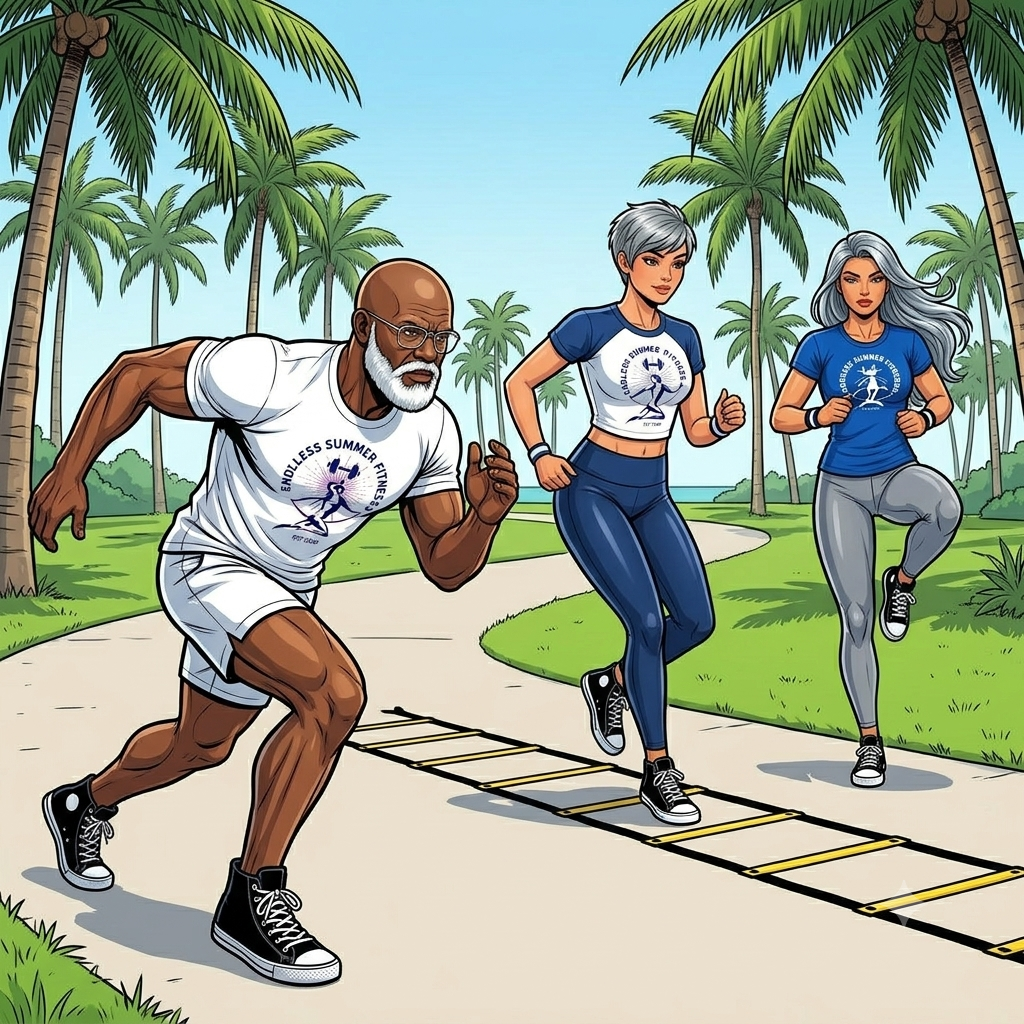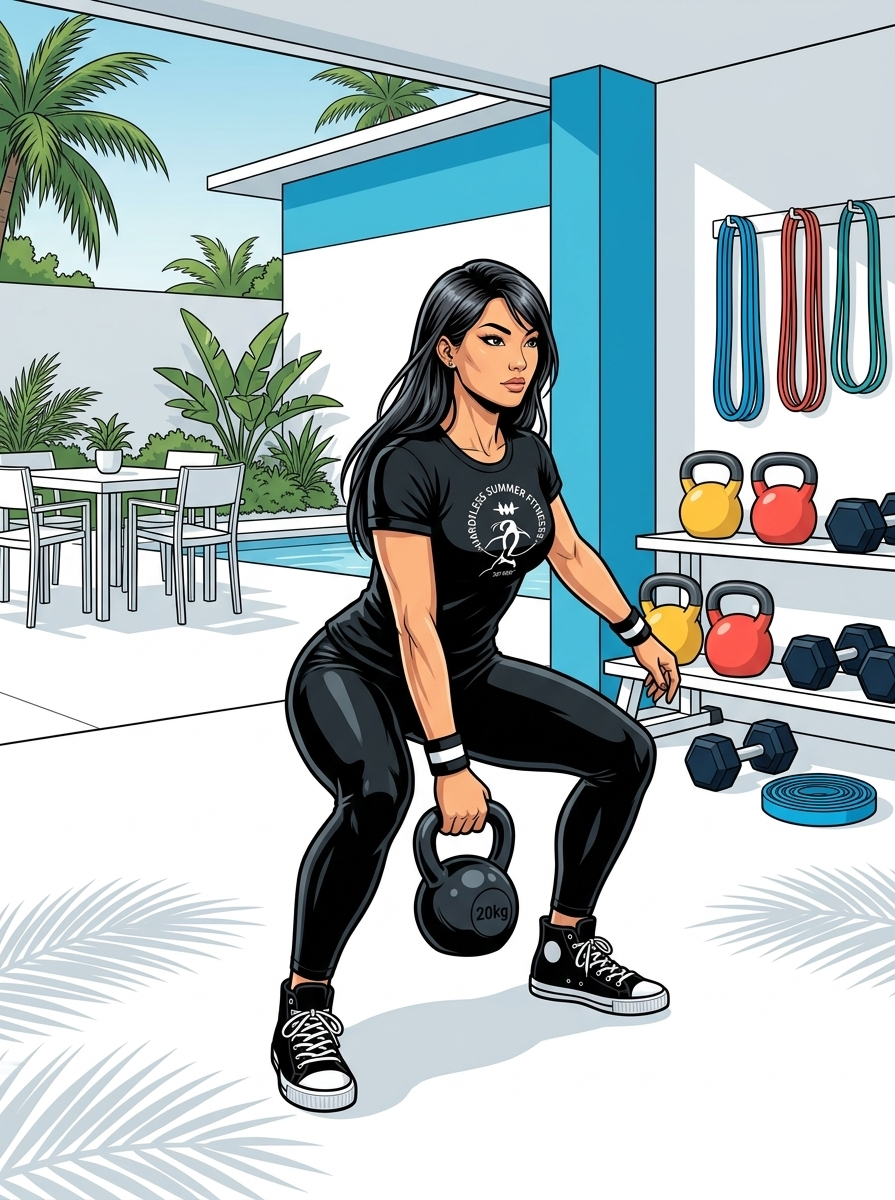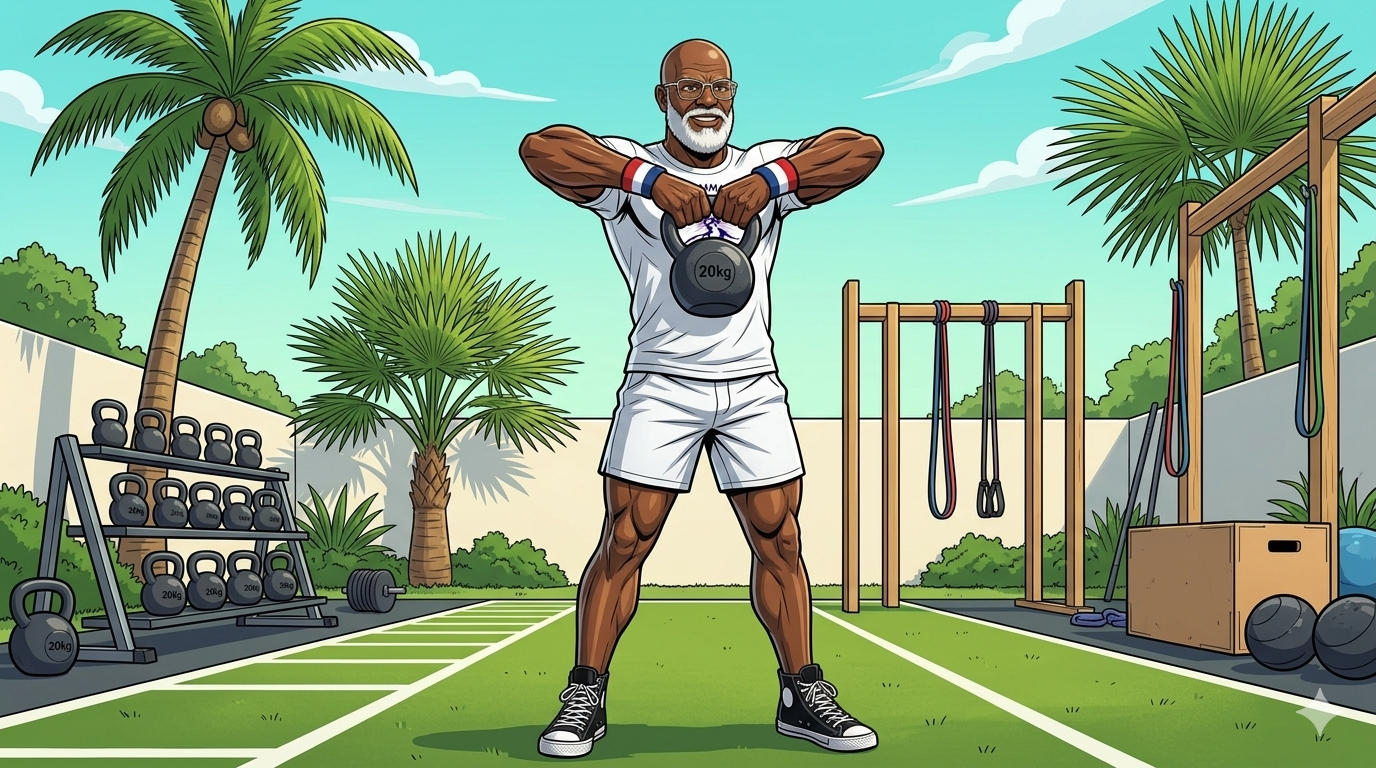
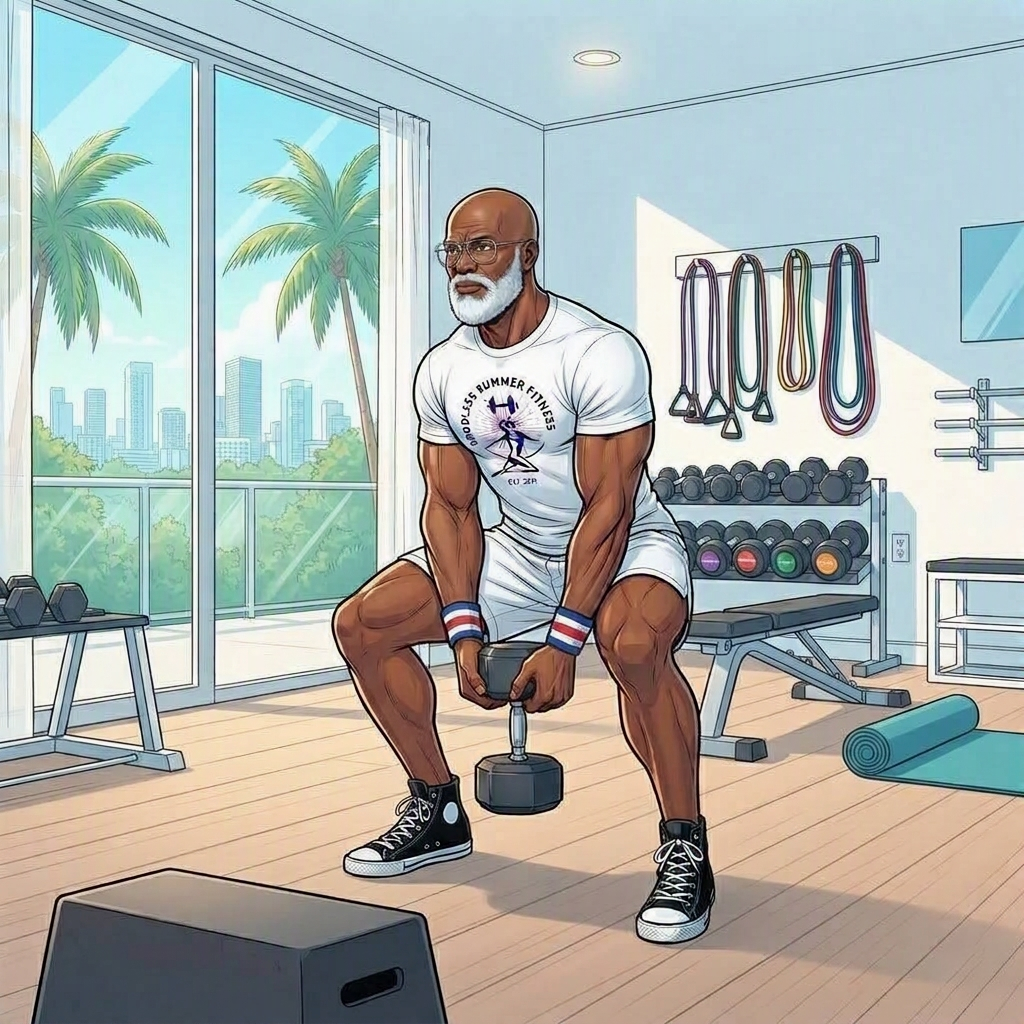
If you’ve been less active for a few years — or a few decades — strength training can feel intimidating. But the truth is simple: you don’t need heavy weights, extreme workouts, or complicated routines to rebuild strength. You need consistency, smart movement, and a foundation that respects where your body is today. This guide will show you how to get strong after 40.
Be sure to read our previous article: 6 Power Hybrid Steps to Blast Fat Fast
Why Strength Foundations Matters After 40
At some point after 40, you start noticing subtle shifts — stiffness, slower recovery, dips in strength. Some people interpret these changes as decline. Others interpret them as responsibility. Strength Foundations exists for the second group: adults 40+ who want to raise the standard, rebuild capability, and feel strong again.
Strength Foundations is designed for adults 40+ who want to:
- Regain lost strength
- Improve daily movement
- Reduce stiffness
- Feel more capable
- Rebuild confidence
- Return to the activities they enjoy
This isn’t about training like you did at 25. It’s about building a body that supports your life now — with movements that feel good, progress that feels doable, and workouts that fit your real schedule.
The Science: Why Strength Training Is Essential After 40
Strength training becomes non-negotiable after 40. Research consistently shows that structured resistance training improves muscle strength, physical function, and quality of life in adults over 40 1 (journals.lww.com in Bing) (bing.com in Bing).
Sarcopenia — age-related muscle loss — is not inevitable. Studies show progressive strength training can reverse sarcopenia in middle-aged and older adults 2 (academic.oup.com in Bing) (bing.com in Bing). Muscle protects your metabolism, bones, joints, and independence, which is why we must strive to get strong after 40.
What Strength Foundations Actually Builds
Strength Foundations focuses on five pillars:
-
Foundational Strength
Simple, multi-joint movements that rebuild strength in the hips, legs, core, and upper body. The “Actívate +40” program showed large improvements in lower limb strength (d=1.15) and upper limb strength (d=1.06) 3 (onlinelibrary.wiley.com in Bing) (bing.com in Bing).
-
Mobility + Range of Motion
Gentle mobility work reduces stiffness and improves joint function. Core stability supports better movement everywhere else.
-
Balance + Stability
Exercises that help you feel steady and coordinated. Functional resistance training improves movement quality more than traditional training alone.
-
Functional Movement
Movements that translate directly to daily life — standing, bending, lifting, reaching, stepping. A randomized clinical trial found that combining strength training with functional activities improved sit‑to‑stand performance and walking endurance 4 (sciencedirect.com in Bing) (bing.com in Bing).
-
Low‑Impact Conditioning
Short intervals that improve heart health without joint stress. Even low-intensity bodyweight training improves strength and walking ability when done consistently.
How Strength Foundations Works
Each workout uses:
- Bodyweight
- Dumbbells
- Resistance bands
- Simple movement patterns
- Beginner/intermediate progressions
- Appropriate modifications
No machines. No heavy barbells. No high-impact jumping. No extreme intensity.
Just clean, effective training.
The Strength Foundations Movement List
Lower Body
- Squat to Box
- Supported Split Squat
- Hip Hinge (Band or Dumbbell)
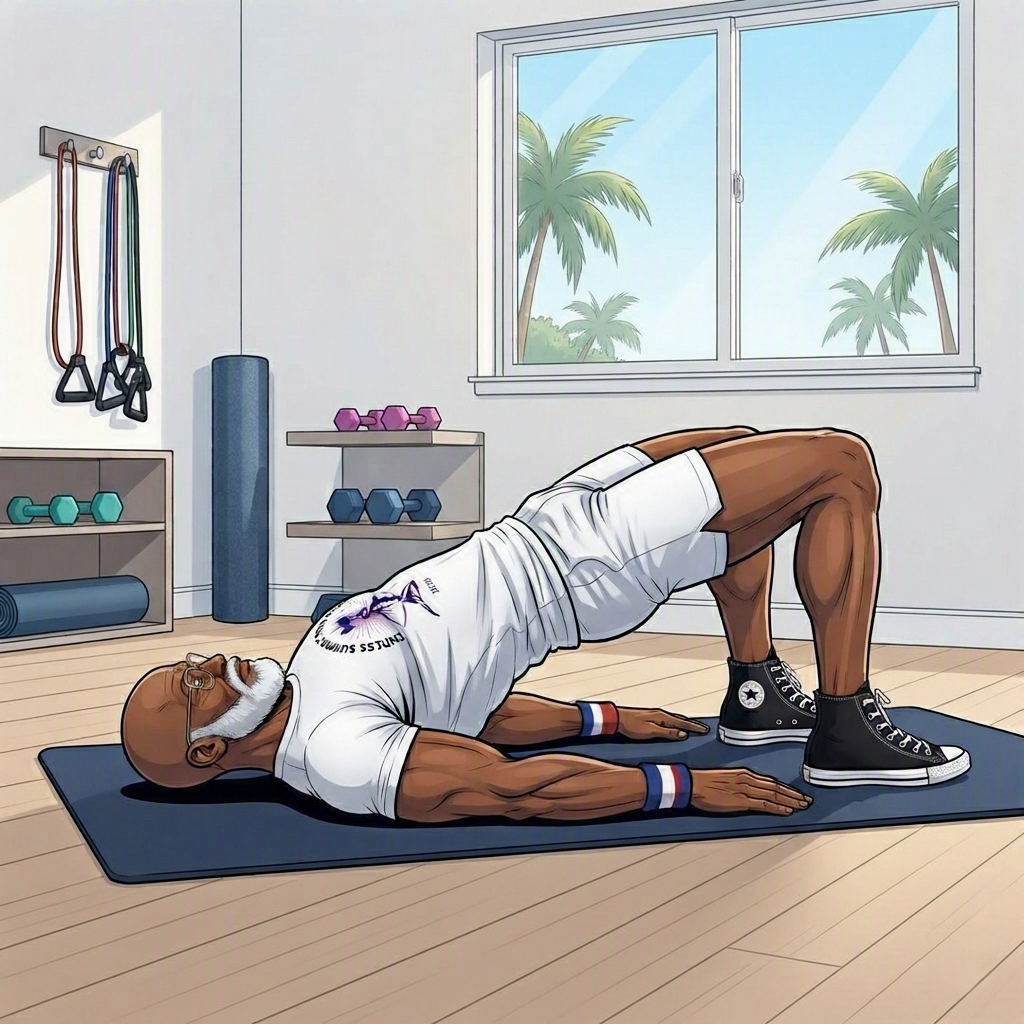
- Glute Bridge
- Step Ups (Low Height)
Upper Body
- Incline Push Up
- Dumbbell Row
- Band Chest Press
- Band Lat Pull
- Dumbbell Overhead Press (Seated Option)
Core + Stability
- Dead Bug
- Bird Dog
- Side Plank (Knees Option)
- Standing Anti-Rotation Press (Band)
Mobility
- Cat Cow
- Hip Flexor Stretch
- Thoracic Rotation
- Ankle Mobility
- Shoulder Circles + Scapular Control
Low-Impact Conditioning
- Marching
- Step Touch
- Light Shadow Boxing
- Low-Impact Skaters
- Fast Feet (Beginner)
How to Progress Without Overwhelm
Progression is simple:
- Start with the easiest version
- Add reps or time when comfortable
- Add light weight when stable
- Move to the next variation only when ready
- Never force intensity
- Never chase exhaustion
Your goal is steady improvement, not perfection.
Sample Strength Foundations Workout (Beginner)
Warm Up (3 minutes)
- March in place
- Arm circles
- Hip circles
- Cat Cow
Circuit (Repeat 2–3 rounds)
- Squat to Box – 10 reps
- Incline Push Up – 8–10 reps
- Dumbbell Row – 10 reps each side
- Glute Bridge – 12 reps
- Dead Bug – 6 reps each side
- Step Touch – 30 seconds
Cool Down (2 minutes)
- Hip flexor stretch
- Chest stretch
- Ankle mobility
Who Strength Foundations Is For
This phase is perfect if you:
- Haven’t exercised in a long time
- Feel stiff or weak
- Have trouble with balance
- Want to rebuild confidence
- Want a program that respects your age and current ability
- Want to feel strong again without pain or pressure
The ESF Philosophy
- Weight Training Modalities: dumbbells, bands, bodyweight
- Food for All Goals: simple, balanced meals
- Endurance + Sprinting Modalities: low-impact conditioning
- Mindset Pillars: patience, commitment, discipline, enjoyment
Final Takeaway
Strength Foundations is where adults 40+ rebuild strength safely, confidently, and sustainably. It’s the first step toward feeling capable again — not just in workouts, but in everyday life.
The body grows stronger after the workout — through recovery, consistency, and smart programming. Strength isn’t something you try occasionally. It’s something you maintain deliberately.
Strength Foundations is your reset button. Whether you want to keep hiking, traveling, playing sports, or simply living actively, the strength you build now determines your capability to get strong after 40 and for decades to come.
References
- Fragala, M. S., et al. (2019). Resistance training for older adults: Position statement from the NSCA. https://journals.lww.com/nsca-jscr/Fulltext/2019/08000/Resistance_Training_for_Older_Adults__Position.1.aspx (journals.lww.com in Bing)
- Cruz-Jentoft, A. J., et al. (2019). Sarcopenia: Revised European consensus. https://academic.oup.com/ageing/article/48/1/16/5127121 (academic.oup.com in Bing)
- Pérez-Sousa, M. Á., et al. (2025). Actívate +40 program functional capacity study. https://onlinelibrary.wiley.com/doi/10.1111/sms.14567 (onlinelibrary.wiley.com in Bing)
- Coelho-Júnior, H. J., et al. (2020). Resistance + dual-task training trial. https://www.sciencedirect.com/science/article/pii/S0531556520300400 (sciencedirect.com in Bing)