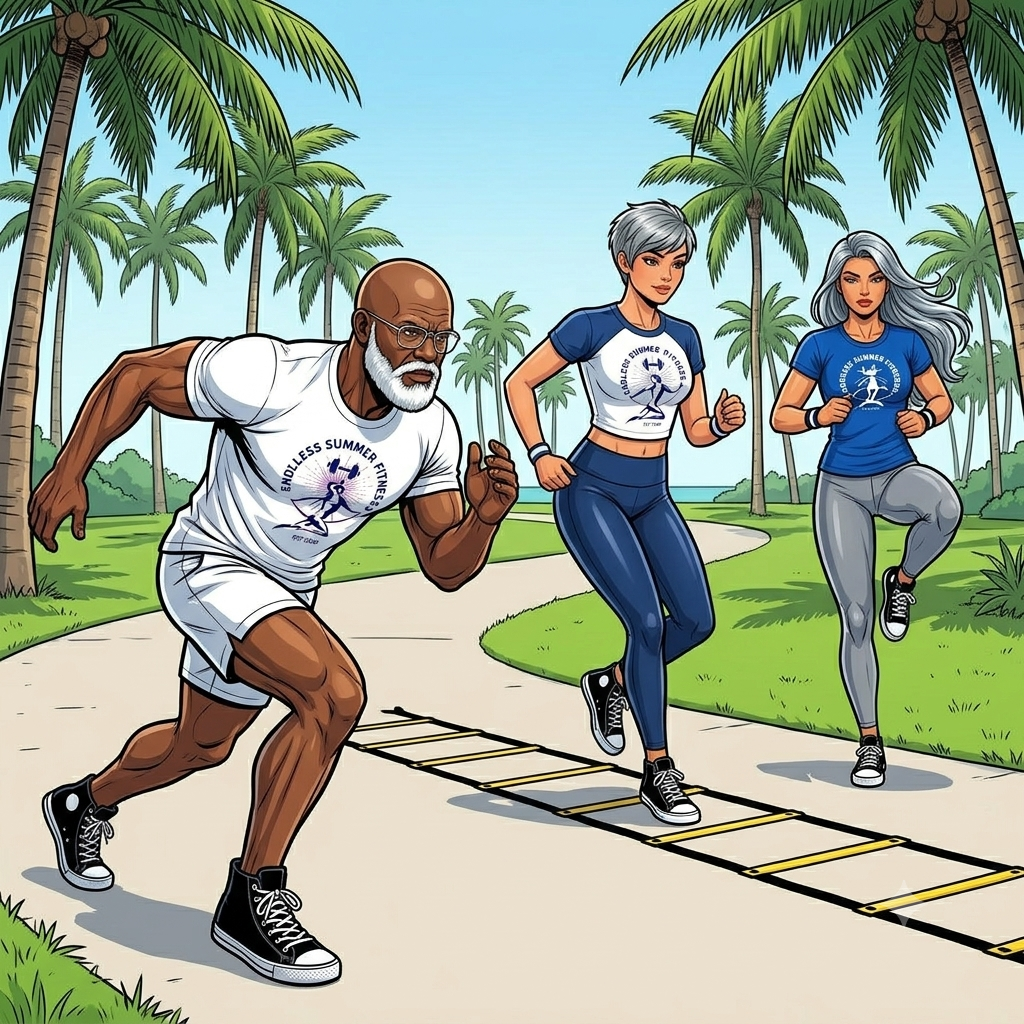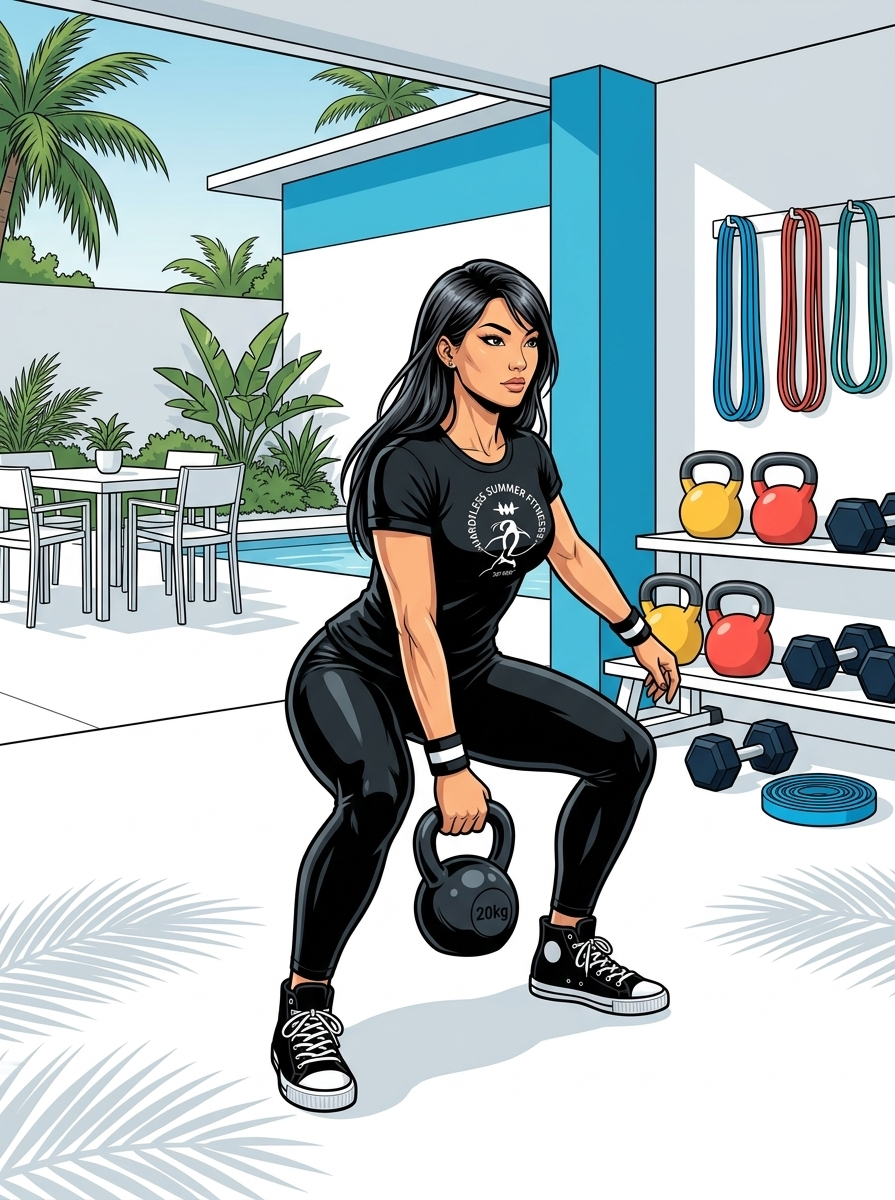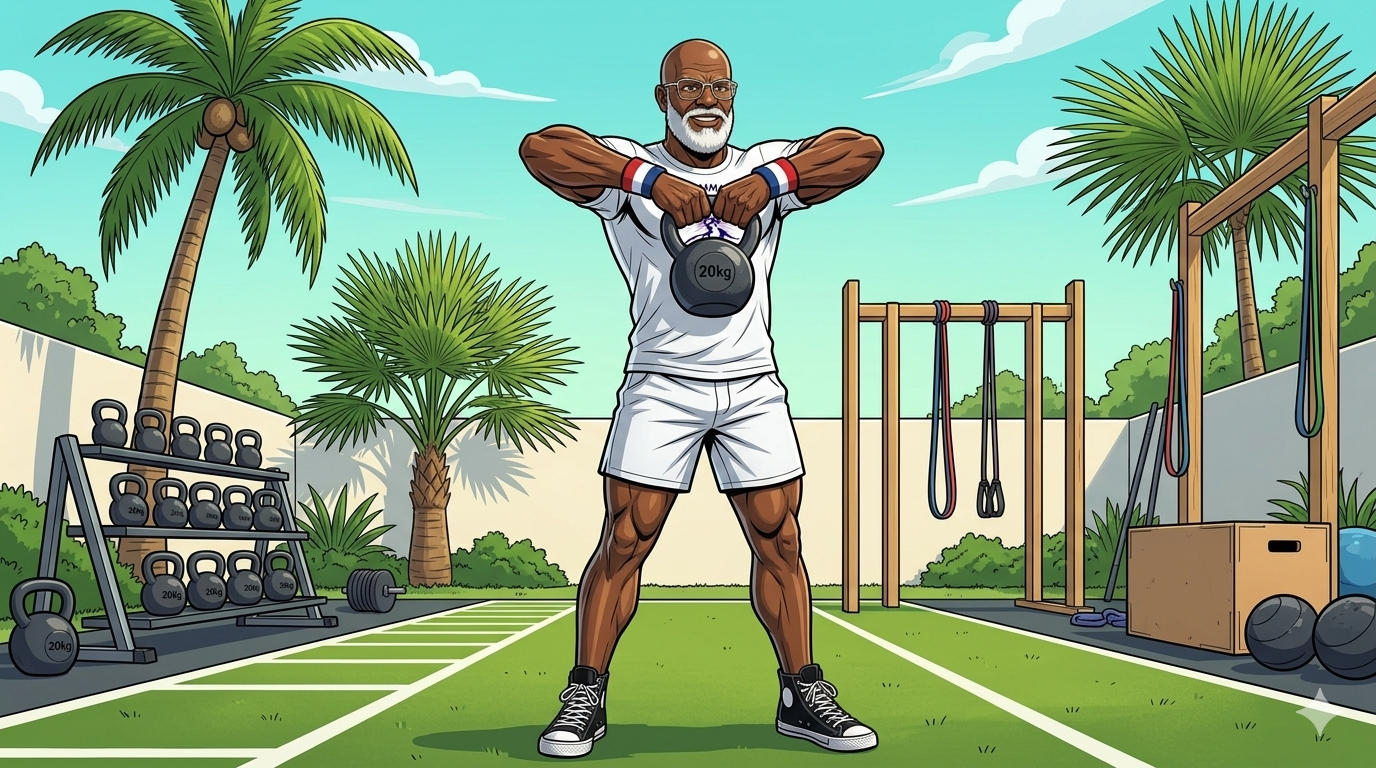
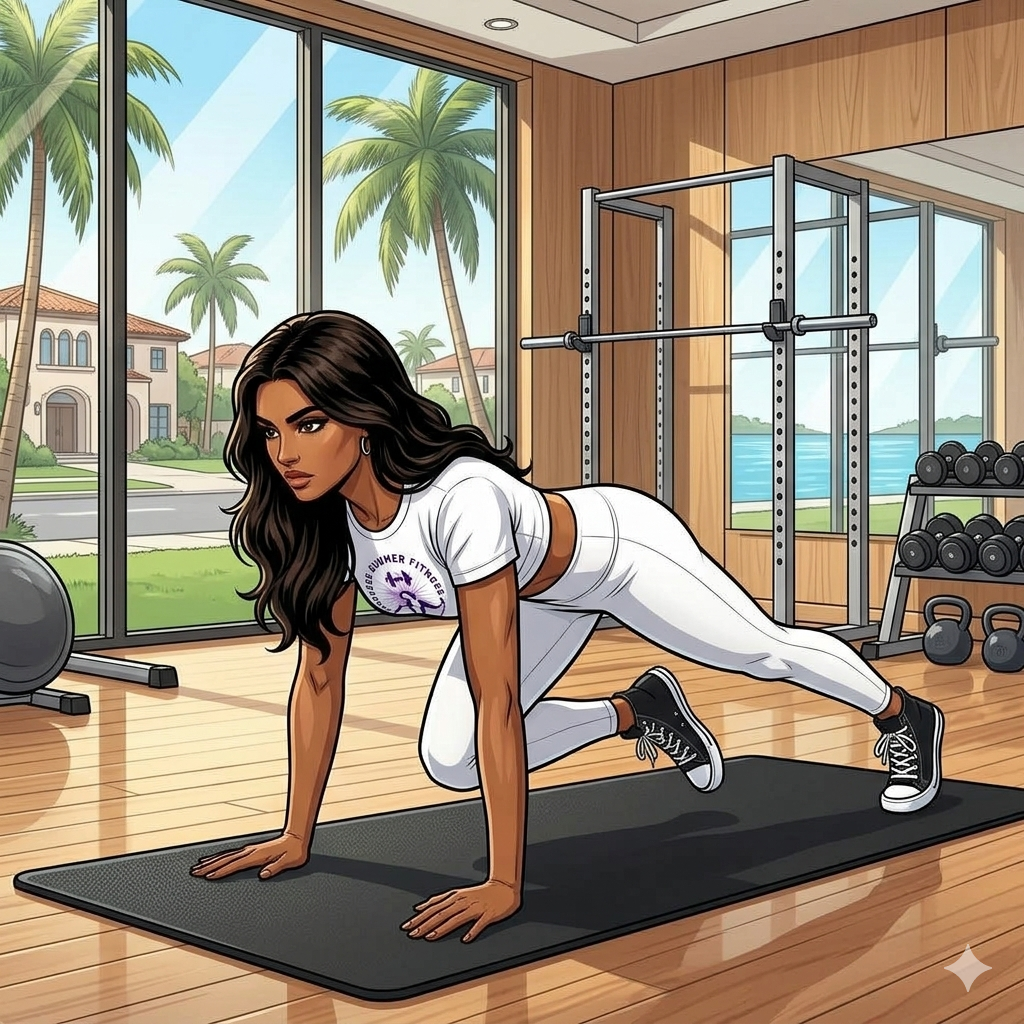
If running feels impossible with your schedule, or your joints simply don’t tolerate impact, you’re not stuck. The endurance world has finally caught up to reality: you can build massive cardio capacity without logging a single mile. And for busy pros, low-impact no-run endurance exercise isn’t just an alternative, it’s the smarter path.
A way to get started: Exercises We Love to Burn Calories
Why This Matters
Endurance is the foundation of how you move through your day, your energy, your focus, and your ability to stay sharp through long work blocks. But traditional endurance training (long runs, high-impact intervals, pounding pavement) demands time, recovery, and joint resilience that many adults simply don’t have.
Low-impact, no-run endurance solves that problem. It strengthens your legs, builds core stability, improves cardiovascular efficiency, and boosts metabolic health, all without the joint stress or time commitment of running. And because these movements use controlled tempo and continuous tension, they deliver a training effect that’s both athletic and sustainable.
What does Science Say?
Publicly available research from the Academy of Sports Medicine (ACSM) and the National Academy of Sports Medicine (NASM) consistently shows that low-impact aerobic training can elevate heart rate, improve VO₂ efficiency, and increase muscular endurance when performed with controlled tempo and sustained tension. Many high-performing “no-run endurance” articles highlight the same themes:
- Lateral movement improves hip stability and reduces injury risk.
- Single-leg work increases metabolic demand.
- Core-driven patterns improve gait efficiency without running.
- Low-impact plyometrics elevate heart rate without joint strain.
Endless Summer Fitness uses these public insights and upgrades them to evidence-based programming and functional movement hybrid-athlete principles.
The Workout: 7 Low-Impact No-run Endurance Secrets
Level: Intermediate
Sets: 3–4
Reps: 20–25
Rest: 45–60 seconds
Tempo: Slow and controlled
Tension: Continuous — no resting at the top or bottom
-
Lateral Step-Downs
Sets x Reps: 3–4 × 20–25 each leg
Tempo: 2 seconds down, slight pause, 2 seconds up
Tension Cue: Keep tension through the glutes and quads
Rest: 45–60 seconds
Form Tip: Keep your hips level — avoid dropping the working side.
Why it’s a “secret”: Public endurance articles consistently highlight lateral strength as the missing link in most cardio programs.
Image Suggestion: Diverse adults performing step-downs on a low platform in bright Miami daylight.
-
Controlled Power Skaters (Low-Impact)
Sets x Reps: 3–4 × 20–25
Tempo: Smooth lateral glide, controlled landing
Tension Cue: Stay engaged through the hips and core
Rest: 45–60 seconds
Form Tip: Land softly and keep your knee tracking over your toes.
Why it’s a “secret”: Skaters mimic the metabolic demand of running without the impact — a common theme in top-performing articles.
Image Suggestion: A diverse group performing skaters on a boardwalk with palm trees.
-
Step-Back Lunges (Light Dumbbells Optional)
Sets x Reps: 3–4 × 20–25 each leg
Tempo: 2 seconds down, slight pause, 2 seconds up
Tension Cue: Keep tension in your front leg
Rest: 45–60 seconds
Form Tip: Push through your front heel to stay stable.
Why it’s a “secret”: Many public articles emphasize unilateral work as a low-impact way to elevate heart rate.
-
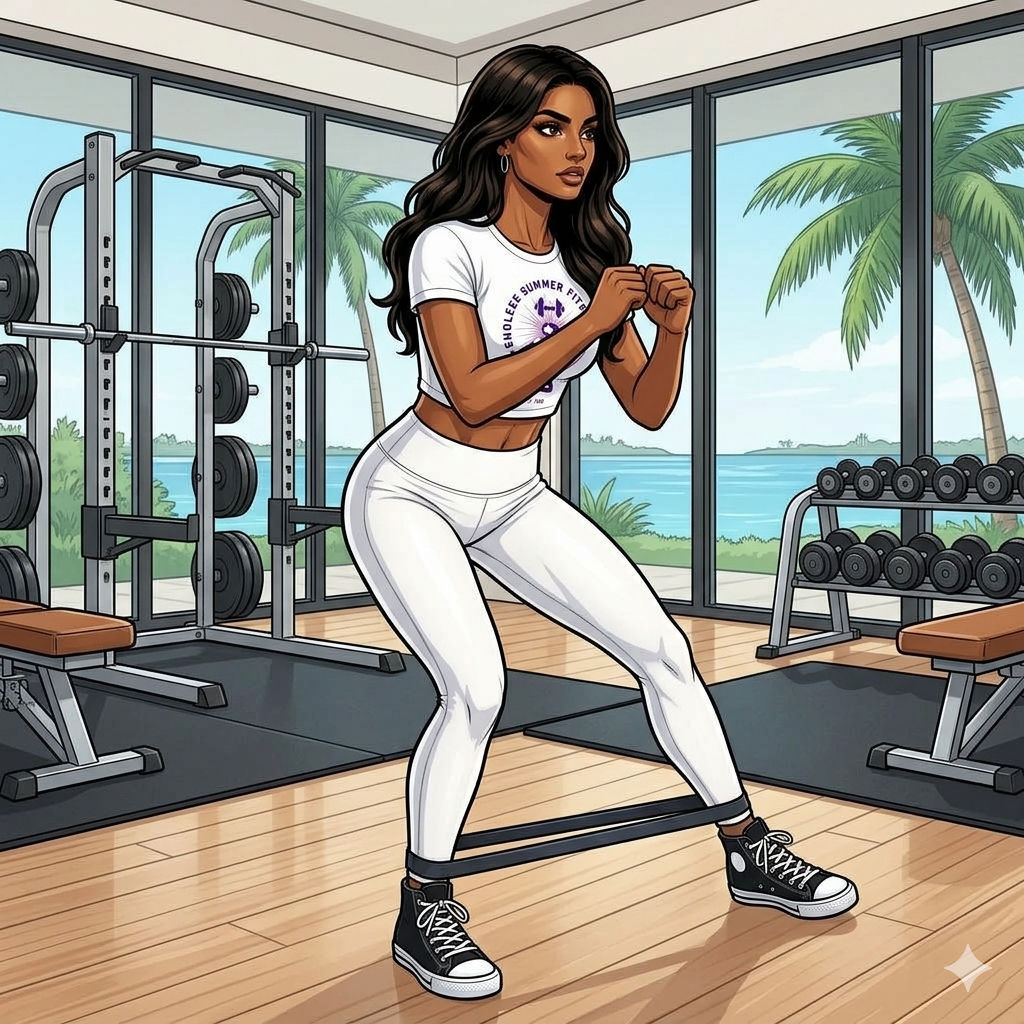
Band-Resisted Lateral Walks
Sets x Reps: 3–4 × 20–25 steps each direction
Tempo: Slow, controlled steps
Tension Cue: Keep the band taut
Rest: 45–60 seconds
Form Tip: Lead with your heel to activate your glutes.
Why it’s a “secret”: Hip stability is repeatedly cited as a key endurance driver — especially for non-runners.
Image Suggestion: A mixed-group band performing a walk on a sunny Miami rooftop.
-
Marching Glute Bridge
Sets x Reps: 3–4 × 20–25
Tempo: 2 seconds up, 1-second hold, alternate legs slowly
Tension Cue: Keep glutes engaged — no hip drop
Rest: 45–60 seconds
Form Tip: Keep your ribs down and core tight.
Why it’s a “secret”: Public articles highlight posterior-chain endurance as a major limiter for non-runners.
Image Suggestion: A Black man and an East Asian woman doing glute bridges outdoors.
-
Standing Band Hip Extensions
Sets x Reps: 3–4 × 20–25 each leg
Tempo: 2 seconds back, 1-second hold, 2 seconds return
Tension Cue: Maintain constant band tension
Rest: 45–60 seconds
Form Tip: Keep your torso tall — no arching.
Why it’s a “secret”: Many endurance articles emphasize glute activation as a substitute for running mechanics.
Image Suggestion: A Latina woman using a resistance band in a sunny Miami park.
-
Plank Knee Drives (Slow Mountain Climbers)
Sets x Reps: 3–4 × 20–25
Tempo: Slow knee drive, controlled return
Tension Cue: Keep your core engaged
Rest: 45–60 seconds
Form Tip: Move with intention, not speed.
Why it’s a “secret”: Public sources repeatedly highlight core-driven endurance as a key to improving stamina without impact.
Image Suggestion: A South Asian woman and a White man in a plank position on a beachside deck.
How to Apply This
Use this workout 2 – 3 times per week as your primary low-impact, no-run endurance session. Pair it with mobility work, light core training, or a short walk for a complete conditioning day. On high-stress weeks, this becomes your go-to: joint-friendly, time-efficient, and energy-building.
ESF Mindset Moment
Endurance is built through consistency, not punishment. Show up, stay patient, and let the volume accumulate. That is how busy pros win.
Sources
- American College of Sports Medicine (ACSM). ACSM’s Guidelines for Exercise Testing and Prescription. 2021.
https://www.acsm.org/read-research/books/acsms-guidelines-for-exercise-testing-and-prescription (acsm.org in Bing) - Schoenfeld, Brad J. The Mechanisms of Muscle Hypertrophy and Their Application to Resistance Training. Journal of the International Society of Sports Nutrition (JISSN), 2010.
https://jissn.biomedcentral.com/articles/10.1186/1550-2783-7-4 (jissn.biomedcentral.com in Bing) - Yale Medicine. Low-Impact Exercise and Joint Health. 2022.
https://www.yalemedicine.org/news/low-impact-exercise (yalemedicine.org in Bing)
Medical Disclaimer: This article is for educational and informational purposes only and does not constitute medical advice. Always consult a physician or certified fitness professional before beginning a new exercise program, especially if you have pre-existing conditions.