
Shoulder mobility exercises are one of the simplest ways to reduce pain, improve overhead movement, and prevent shoulder impingement, especially if you’re over 40, sit a lot, or train like a hybrid athlete. These movements strengthen the rotator cuff, open tight chest muscles, and help your shoulder glide the way it’s supposed to.
I’ve got mild arthritis in my shoulders, which means anything overhead feels like my joints are filing a complaint. Even lifting my arms with no weight can be a whole situation. The weird part? The moment I start doing actual shoulder work, presses, raises, anything structured, the pain eases up. Apparently, my shoulders only behave when they know they’re being supervised.
Below are two helpful resources you can check out later:
What Is Shoulder Impingement?
Shoulder impingement happens when soft tissues, usually the rotator cuff tendons and the subacromial bursa, get pinched under the acromion. The pinch creates irritation, stiffness, and pain when you lift your arm overhead or reach behind you.
Common signs include:
- Pain lifting your arm above shoulder height.
- A dull ache in the front or side of the shoulder.
- Weakness or stiffness.
- Trouble sleeping on the affected side.
As we age, the space inside the shoulder naturally narrows. Add repetitive overhead work, poor posture, or heavy training without mobility work, and the irritation builds fast.
Why Shoulder Mobility Exercises Matter

Shoulder mobility exercises improve the way the shoulder blade and upper arm move together. When the joint moves smoothly, the rotator cuff doesn’t get pinched.
These exercises help you:
- Increase range of motion.
- Strengthen stabilizers.
- Improve posture.
- Reduce pressure on irritated tissues.
- Move better in strength training, running, swimming, and daily life.
For hybrid athletes, mobility is performance. Better shoulder mechanics mean stronger presses, smoother swimming strokes, and more efficient arm drive during sprints.
The 9 Best Shoulder Mobility Exercises (Beginner Friendly)
Perform
1. Pendulum Swings (Warm‑Up)
Why it helps: Increases blood flow and gently decompresses the joint.
Muscles worked: Rotator cuff, deltoids (light activation).
Stabilizers: Core, scapular stabilizers.
Hybrid benefit: Great pre‑run or pre‑lift warm‑up to reduce stiffness.
Sets: 2–3 Reps: 20–30 seconds each direction Rest: 30 seconds
2. Shoulder Blade Squeezes
Why it helps: Strengthens the mid‑back muscles that keep your shoulders from rolling forward.
Muscles worked: Rhomboids, mid‑traps.
Stabilizers: Rotator cuff, deep neck flexors.
Hybrid benefit: Improves posture, breathing, and arm mechanics during endurance work.
Sets: 3 Reps: 12–15 Rest: 30–45 seconds
3. Doorway Chest Stretch
Why it helps: Opens tight pecs that contribute to impingement.
Muscles worked: Pectoralis major/minor.
Stabilizers: Serratus anterior.
Hybrid benefit: Helps restore overhead mobility for pressing and swimming.
Sets: 2–3 Reps: 20–30 second hold per side Rest: 20 seconds
4. Crossover Arm Stretch
Why it helps: Targets the posterior shoulder capsule, often tight in lifters.
Muscles worked: Rear deltoid, teres minor.
Stabilizers: Rotator cuff.
Hybrid benefit: Reduces irritation during overhead lifts and rowing.
Sets: 2–3 Reps: 20–30 second hold per side Rest: 20 seconds
5. Isometric Shoulder Rotations
Why it helps: Builds strength without irritating the joint.
Muscles worked: Internal and external rotators.
Stabilizers: Scapular stabilizers.
Hybrid benefit: Safe strength work during flare‑ups.
Sets: 3 Reps: 10‑second holds, 8–10 reps each direction Rest: 45 seconds
6. Side‑Lying External Rotation
Why it helps: One of the most effective rotator cuff strengthening exercises.
Muscles worked: Infraspinatus, teres minor.
Stabilizers: Core, scapular stabilizers.
Hybrid benefit: Supports heavy pressing and improves shoulder stability for sprint arm drive.
Sets: 2–3 Reps: 10–15 Rest: 60 seconds
7. Resistance Band Internal Rotation
Why it helps: Balances the rotator cuff by strengthening internal rotators.
Muscles worked: Subscapularis, pec major.
Stabilizers: Serratus anterior.
Hybrid benefit: Helps prevent overuse injuries in swimmers and lifters.
Sets: 2–3 Reps: 12–15 Rest: 45–60 seconds
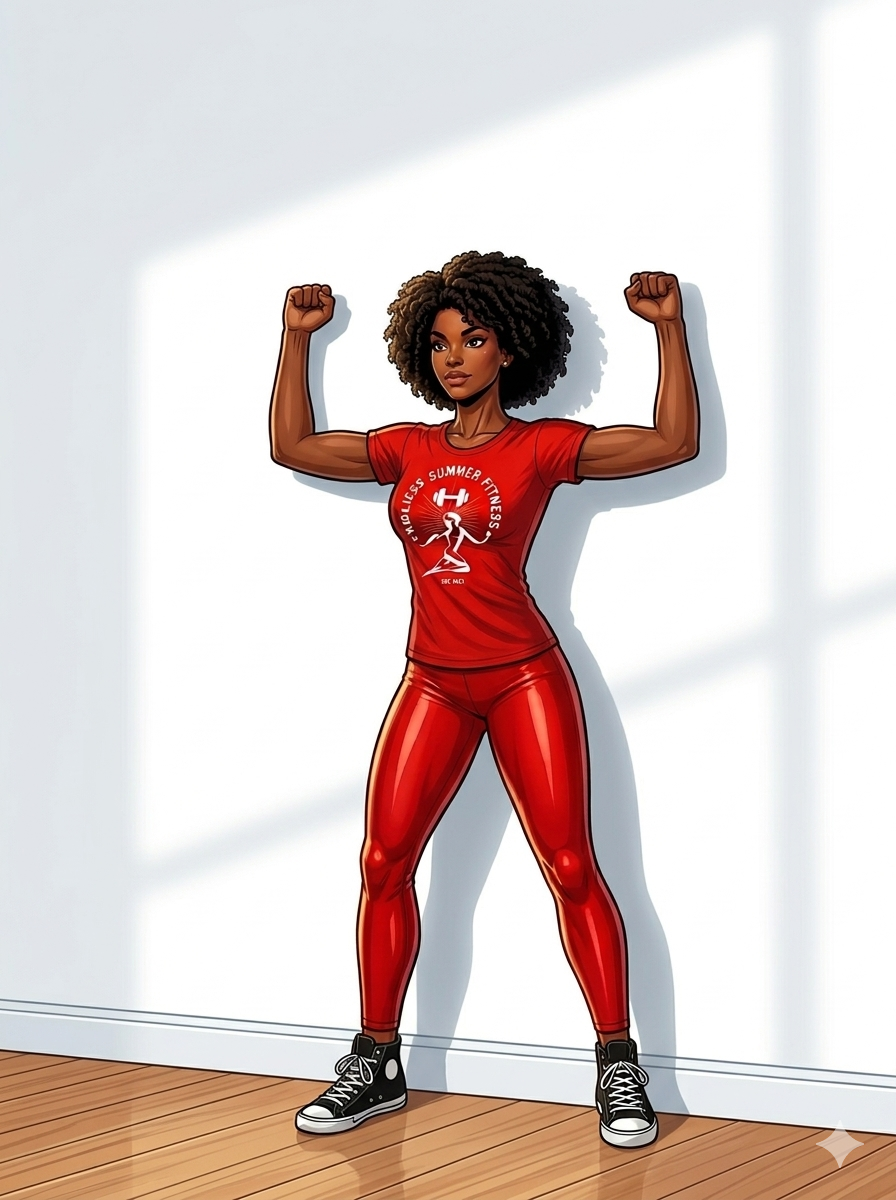
8. Wall Angels
Why it helps: Improves scapular upward rotation and posture.
Muscles worked: Lower traps, serratus anterior.
Stabilizers: Rotator cuff.
Hybrid benefit: Better overhead mechanics for strength training and endurance sports.
Sets: 2–3 Reps: 8–12 slow reps Rest: 45 seconds
9. Scaption Raise
Why it helps: Strengthens the shoulder in the safest plane of motion.
Muscles worked: Supraspinatus, deltoids.
Stabilizers: Rotator cuff.
Hybrid benefit: Builds stability for carries, presses, and swimming strokes.
Sets: 2–3 Reps: 10–12 Rest: 60 seconds
How Often Should You Do These Shoulder Mobility Exercises?
Aim for 3–5 days per week, especially if you sit a lot or train hard.
Use light weights or bands and increase load by 5–10% weekly as tolerated.
Hybrid Fitness Corner: Why This Matters for Performance
Hybrid athletes need strong, mobile shoulders for:
- Running (arm drive).
- Swimming.
- Strength training.
- Rowing.
- Carrying loads.
And because Endless Summer Fitness is built on weight training, food for every goal, and endurance/ sprinting, shoulder mobility supports all three.
A few essentials:
- MAF 180 Formula: Keeps aerobic training easy enough to recover shoulder tissues.
- VO₂ Max Work: Requires strong posture and shoulder mechanics for efficient breathing.
- Electrolytes: Sodium, potassium, and magnesium help reduce cramping and tension.
- Protein: 25-35g per meal supports rotator cuff repair.
- Healthy fats: Omega-3s help reduce inflammation.
Summary
Shoulder impingement is common, especially if you sit often, train hard, or are over 40. But with the right shoulder mobility exercises, you can reduce pain, improve posture, and move better in every part of your hybrid training.
These nine exercises strengthen the rotator cuff, open the tight chest, and improve scapular control. When you combine mobility work with smart strength training, good nutrition, and aerobic conditioning, your shoulders stay strong and resilient.
Stick with it. A few minutes a day adds up fast — and your future self will thank you.
FAQs
- Can shoulder mobility exercises fix impingement?
They can significantly reduce symptoms and improve movement, especially when done consistently. - How long until I see results?
Most people feel improvement within 2–4 weeks. - Should I avoid overhead lifting?
Avoid painful ranges, but keep moving. Light mobility work is usually safe. - Can I do these exercises daily?
Yes, gentle mobility can be done every day. - Do I need equipment?
A band and a light dumbbell help, but most exercises require nothing. - When should I see a doctor?
If pain worsens or lasts more than a few weeks.
Medical Disclaimer: This article is for educational and informational purposes only and does not constitute medical advice. Always consult a physician or certified fitness professional before beginning a new exercise program, especially if you have pre-existing conditions.
If you believe in something, never give up! 12 months can change your life!
Peer‑Reviewed Sources
- ACSM — Shoulder Function & Rotator Cuff Health
American College of Sports Medicine
“ACSM’s Guidelines for Exercise Testing and Prescription”
Covers mobility, rotator cuff strengthening, and safe exercise progressions for shoulder health.
🔗 https://www.acsm.org
- PubMed / NCBI — Rotator Cuff Strengthening Improves Pain & Function
“Effectiveness of rotator cuff strengthening exercises in reducing shoulder pain and improving function.”
Medicine & Science in Sports & Exercise (MSSE)
Shows that targeted external rotation and scapular‑control exercises reduce impingement symptoms.
🔗 https://pubmed.ncbi.nlm.nih.gov/24700110/ (pubmed.ncbi.nlm.nih.gov in Bing)
- Journal of Strength & Conditioning Research (JSCR)
“Scapular muscle activation during shoulder rehabilitation exercises.”
Demonstrates which mobility and strengthening exercises best activate lower traps, serratus anterior, and rotator cuff — key for impingement prevention.
🔗 https://journals.lww.com/nsca-jscr/pages/default.aspx (journals.lww.com in Bing)