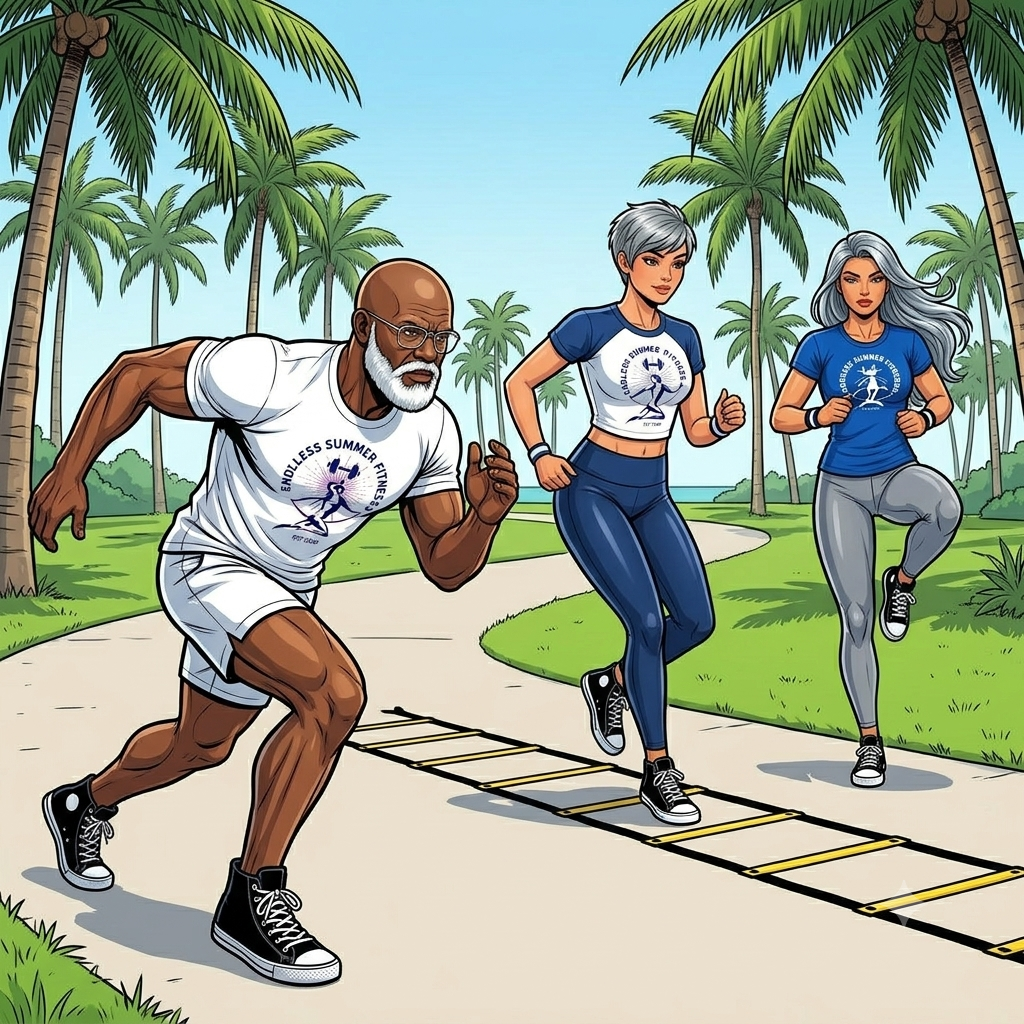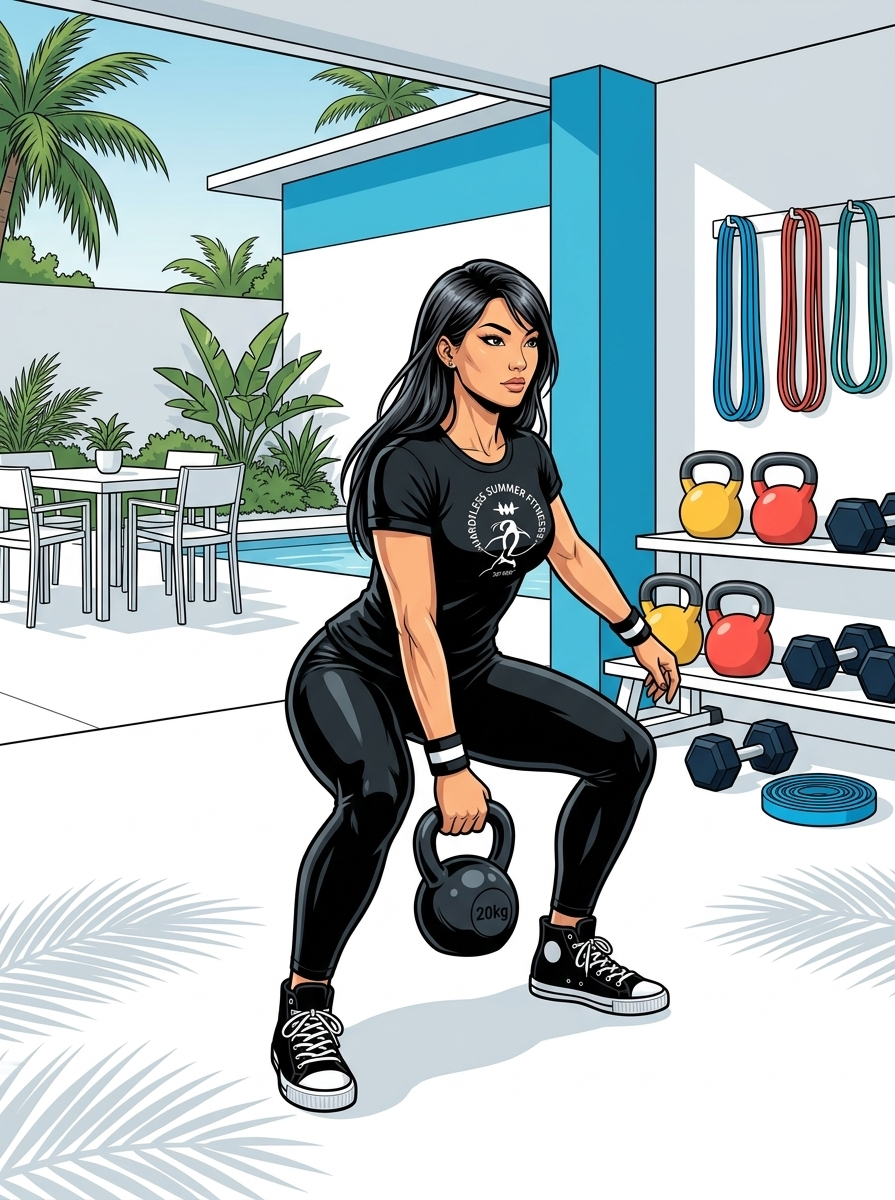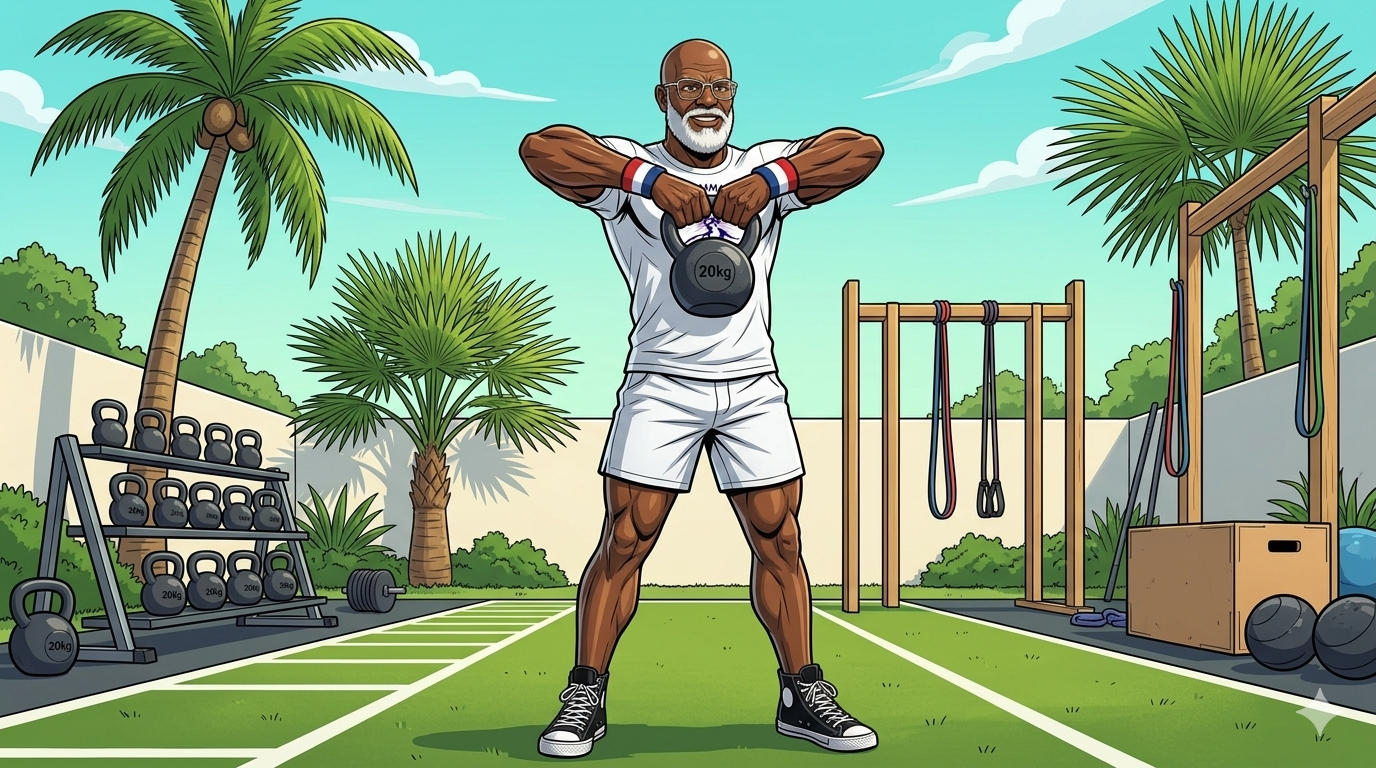
Full-body strength training is your ticket to a strong, capable body without spending your whole life in the gym. It boosts your energy, keeps your foundation balanced, and powers up your performance—whether you are crushing sprints or just walking along the Miami boardwalk. For busy professionals and beginners alike, this is hands down the most time-efficient way to move. If you are a hybrid athlete, it is the exact structure you need to stay powerful, mobile, and ready for whatever comes your way.
Is Full-Body Strength Better? A Beginner’s Guide
Full body strength training is one of the most effective ways for beginners, busy professionals, and hybrid athletes to build muscle, improve endurance, and stay consistent. It’s simple, time-efficient, and backed by decades of ACSM, NSCA, and JSCR. And because it trains every major muscle group in one session, it fits perfectly into the ESF hybrid lifestyle—move fast, stay strong, go far.
In this guide, we break down why full-body strength training works, how to use it safely, and how to build an intermediate-level routine using exercises from the classic 3-day full-body beginner program.
Why Full-Body Strength Training Works So Well
Full-body strength training hits every major muscle group in one workout. That means more total muscle activation, more calorie burn, and more opportunities to improve strength, mobility, and endurance—all in fewer sessions per week.
For hybrid athletes, this matters. You’re not just lifting. You’re running, sprinting, walking, biking, swimming, or doing some combination of all of it. Full-body training keeps your schedule clean and your body balanced.
Is Full-Body Strength Training Better?
Yes—especially if you’re over 40, busy, or new to lifting. Full-body training gives you more practice with foundational movement patterns: squats, hinges, pushes, pulls, and carries. These patterns build the hybrid body—strong, mobile, and ready for anything.
Research from ACSM and NSCA shows that beginners improve faster when they train each muscle group 2-3 times per week. Full-body training hits that sweet spot without requiring five days in the gym.
What Makes Full-Body Strength Training “Hybrid”?
Hybrid athletes need three things:
- Strength (weight training)
- Fuel (food for every goal)
- Engine (endurance + sprinting)
Full-body training supports all three. It builds muscle, improves joint stability, and increases work capacity—which directly improves VO₂ max and overall performance.
When you train full-body, you’re not just lifting. You’re building a system that can run, lift, sprint, and recover better.
How Does Full-Body Strength Improve VO₂ Max?
Strength training increases mitochondrial density, improves lactate threshold, and boosts the efficiency of your cardiovascular system. When paired with Zone 2 training and the MAF 180 formula, your VO₂ max improves faster.
MAF 180 Formula:
180 – your age = your aerobic training heart rate
(Adjust +5 or -5 based on fitness history)
Training at this heart rate improves fat oxidation, endurance, and recovery—without burning you out.
How Often Should You Train Full‑Body?
Most intermediate athletes thrive on 3 days per week:
- Day 1: Strength
- Day 2: Conditioning / Zone 2
- Day 3: Strength
- Day 4: Conditioning / Sprints
- Day 5: Strength
- Weekend: Optional mobility, walking, or recovery
This schedule supports progressive overload while leaving room for endurance and sprint work.
What About Progressive Overload?
Every ESF article includes this because it’s non‑negotiable.
Increase one variable by 5–10% per week:
- Weight
- Reps
- Sets
- Time under tension
- Range of motion
- Speed (for power work)
- Conditioning duration
Small increases = big long‑term results.
THE 5 HYBRID FITNESS EXERCISES (INTERMEDIATE LEVEL)
These five movements form the backbone of a strong, athletic, hybrid‑ready body.
-
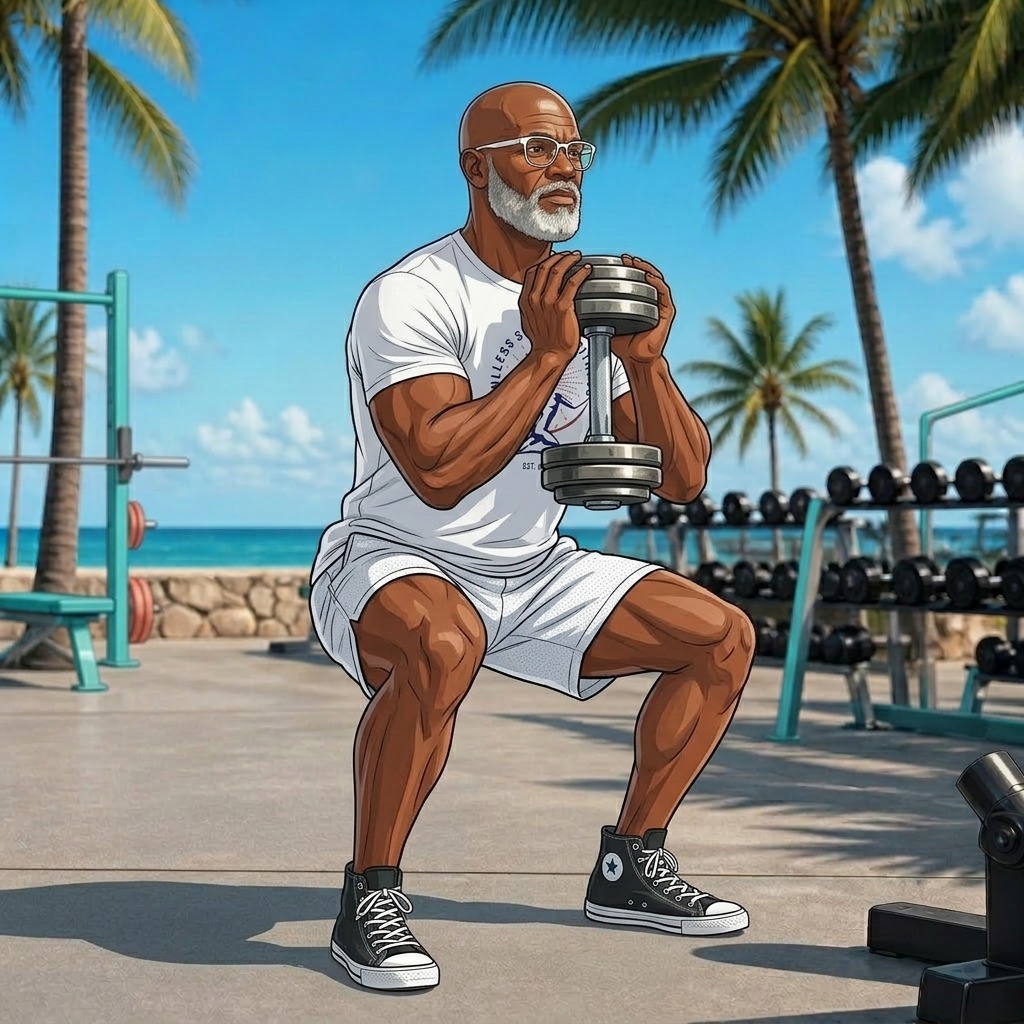
Goblet Squat
Why It Helps
The goblet squat builds leg strength, core stability, and mobility. It’s beginner-friendly but still challenges intermediate athletes with load and depth. It improves running economy, sprint power, and joint resilience.
Muscles Worked
Quads, glutes, hamstrings, core
Stabilizers
Upper back, lats, obliques
Hybrid Benefit
Better stride power, improved posture, stronger climbs, and better knee health.
OpenArt Prompt
Semi‑realistic illustrated athlete performing goblet squat outdoors, Miami boardwalk, warm sunset, hybrid fitness vibe, no text.
Alt Text
-
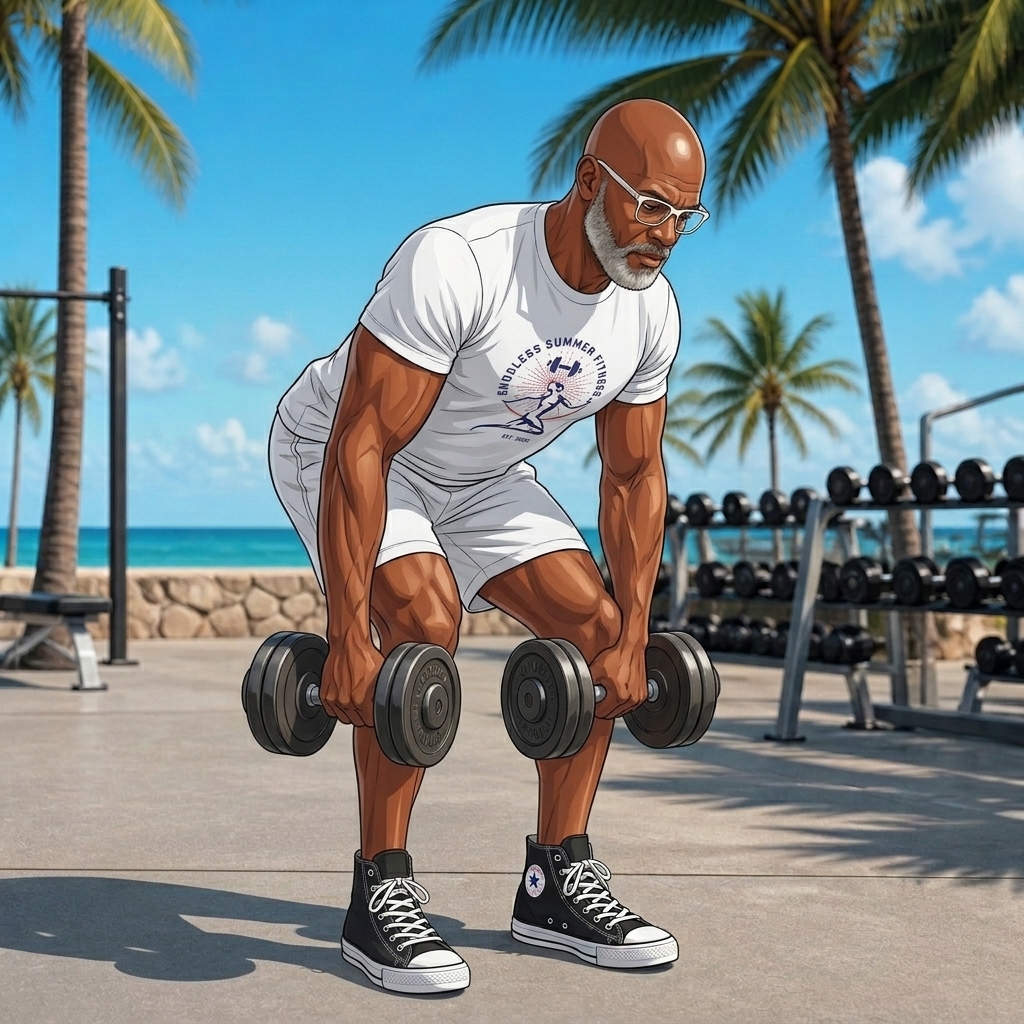
Romanian Deadlift (Dumbbells or Barbell)
Why It Helps
The RDL strengthens the posterior chain — the engine of athletic movement. It improves hip-hinge mechanics, reduces injury risk, and boosts sprint speed.
Muscles Worked
Hamstrings, glutes, lower back
Stabilizers
Core, lats, forearms
Hybrid Benefit
More power, better running mechanics, stronger acceleration.
OpenArt Prompt
Semi‑realistic illustrated athlete doing dumbbell RDL, Miami sunset, palm trees, hybrid strength aesthetic, no text.
Alt Text
-
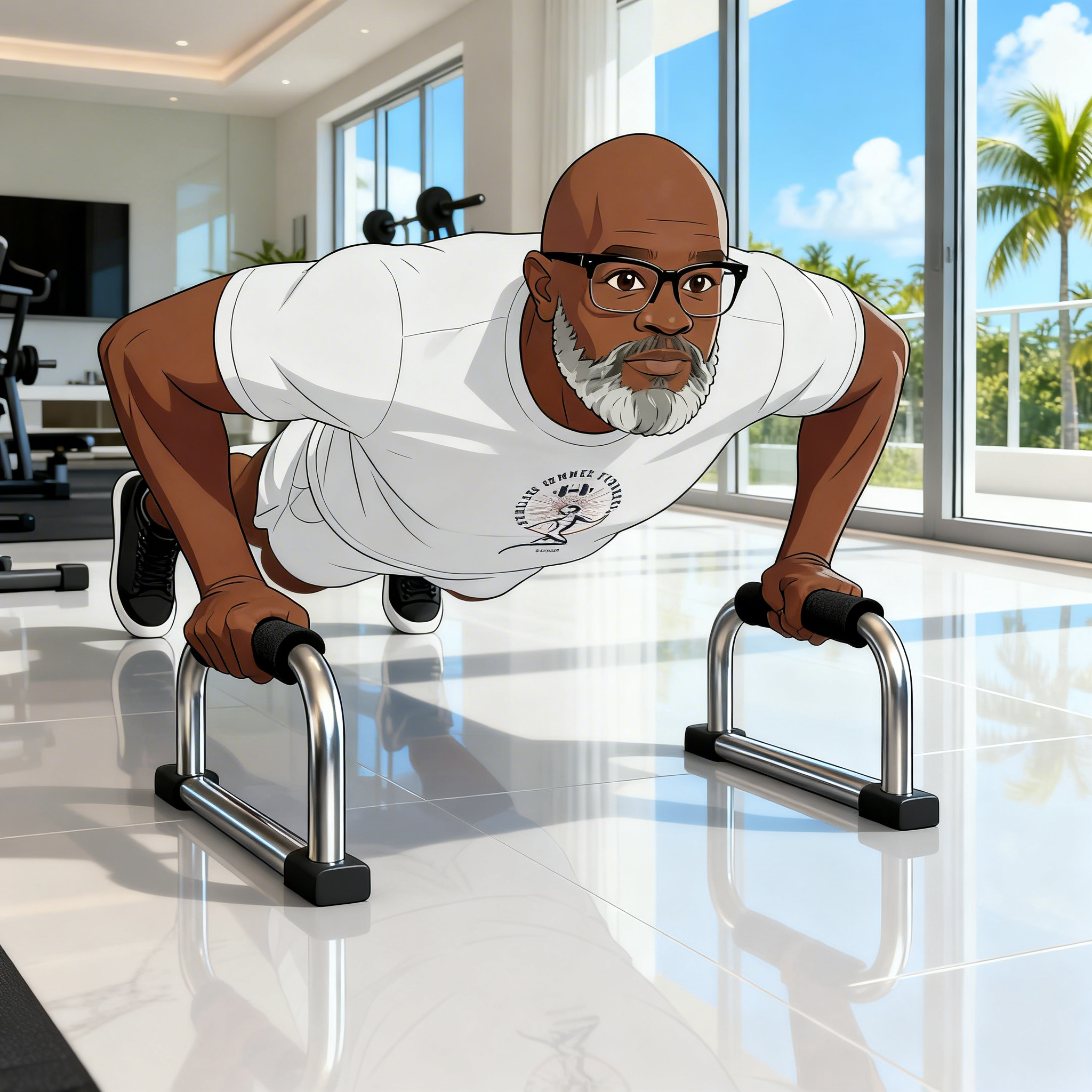
Push‑Ups (Weighted or Elevated)
Why It Helps
Push-ups build upper-body strength, shoulder stability, and core control. They’re scalable and perfect for intermediate athletes.
Muscles Worked
Chest, triceps, shoulders, core
Stabilizers
Serratus anterior, glutes, obliques
Hybrid Benefit
Better arm drive, improved posture, stronger push mechanics.
-
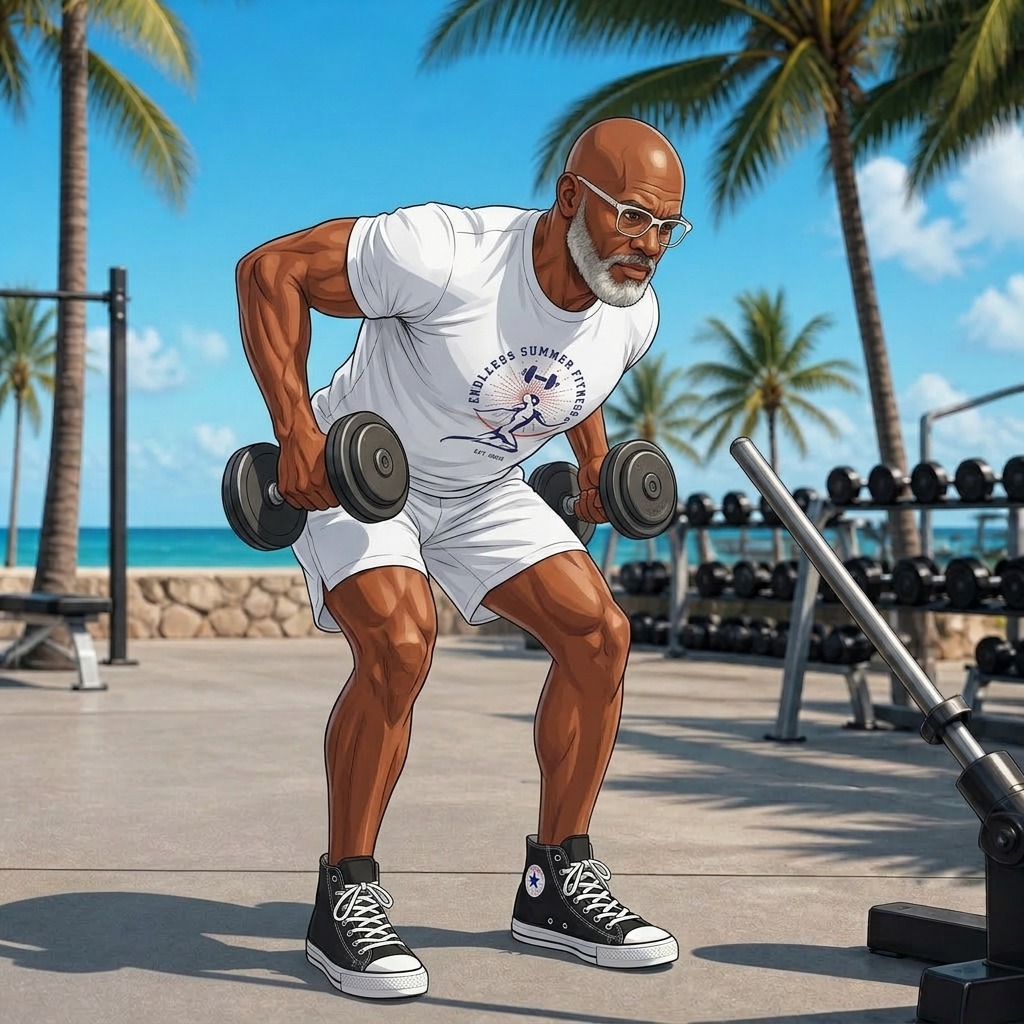
Dumbbell Row
Why It Helps
Rows build back strength, posture, and pulling power—essential for shoulder health and balanced strength.
Muscles Worked
Lats, rhomboids, traps, biceps
Stabilizers
Core, glutes, obliques
Hybrid Benefit
Improved running posture, better breathing mechanics, stronger upper body.
-
Plank Variations
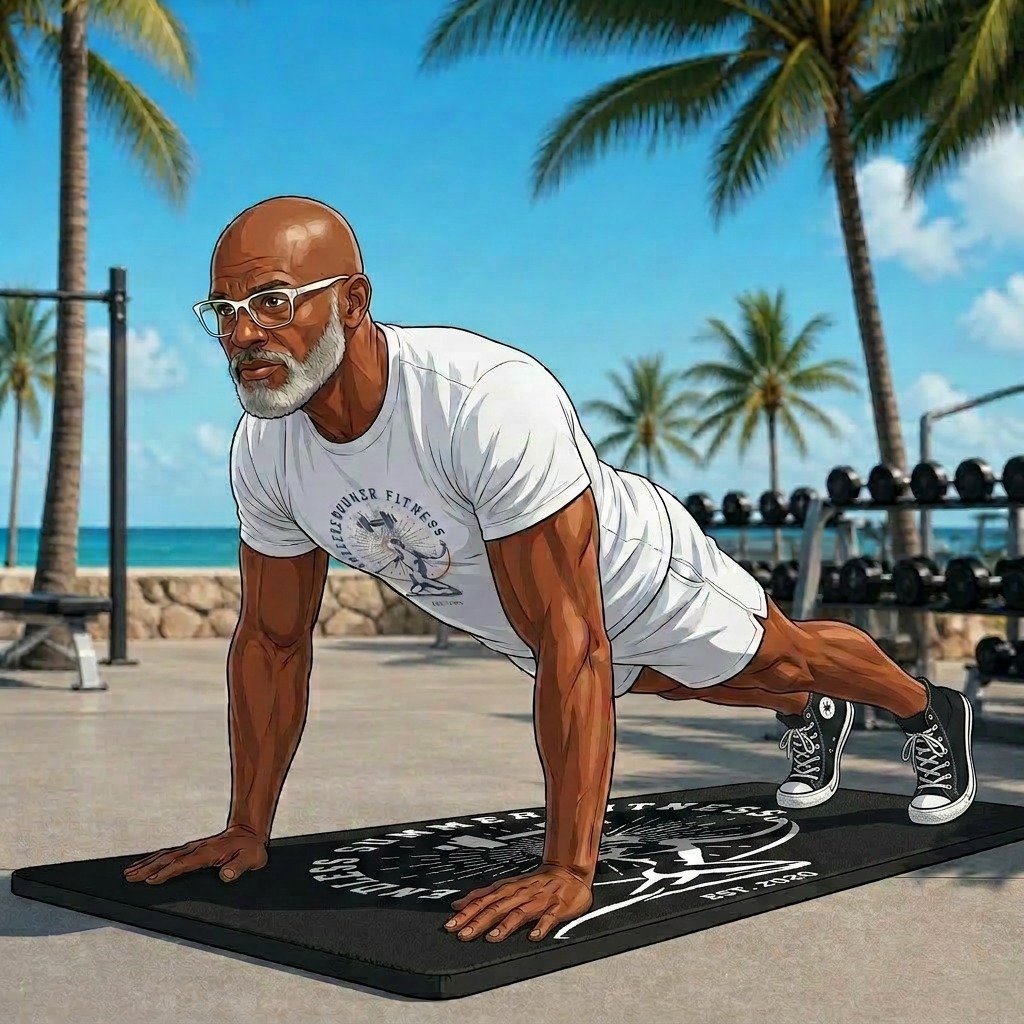
Why It Helps
Planks build deep core stability, which improves every lift and every stride.
Muscles Worked
Core, obliques, shoulders
Stabilizers
Glutes, lats, diaphragm
Hybrid Benefit
Better breathing, better running economy, improved power transfer.
Nutrition, Hydration & Recovery for Full‑Body Strength
Protein
- Aim for 0.7–1g per pound of bodyweight
- Hit 3–4g leucine post‑workout
- Supports muscle repair and growth
Hydration
- Sodium, potassium, magnesium, chloride
- Coconut water + citrus + sea salt = perfect Miami hybrid mix
Anti‑Inflammatory Foods
- Berries, cherries, leafy greens
- Omega‑3s, curcumin, ginger, tart cherry
Recovery
- Massage reduces DOMS
- Cold water immersion reduces inflammation
- Mobility improves function in 4 weeks
Level UP Your Training
- Read next: Walking Workout: Boost Metabolism in 20 Minutes
- Try this next: How to Start a Hybrid Fitness Routine Using Miami’s Best Parks
Summary
Full-body strength training is one of the most effective ways to build muscle, improve endurance, and stay consistent — especially for beginners and hybrid athletes. It trains every major muscle group in one session, making it efficient and easy to recover from.
Intermediate athletes benefit even more. With better movement patterns and stronger foundations, you can push intensity, increase load, and progress faster. Full-body training also supports VO₂ max, running economy, and sprint performance.
When paired with small nutrition, hydration, and recovery, full-body strength becomes a long-term system—not just a workout. It fits the ESF hybrid lifestyle: simple, effective, and built for real life.
This is how you build the hybrid body: strong, fast, mobile, and ready for anything.
FAQs
- Can I do full-body strength training and run on the same day?
Yes—just separate sessions by 4-6 hours. - How long should a full-body workout take?
45-60 minutes for most intermediate athletes. - Should I lift heavy or moderate weights?
Use 60-80% of your capacity for most sets. - How do U know if I’m progressing?
Increase load, reps, or range of motion by 5-10% weekly. - Can full-body training help with fat loss?
Absolutely—it increases muscle mass and metabolic rate. - Is this routine safe for people over 40?
Yes—it’s joint-friendly, scalable, and research-supported.
Clinical / Medical Sources
- ACSM Guidelines for Exercise Testing and Prescription
- PubMed: Resistance training improves VO₂ max and metabolic health
Performance / Strength Sources
- NSCA Position Stand on Resistance Training
- JSCR: Full‑body training improves strength and hypertrophy in beginners
Secondary High‑Authority Trainer Sources
Nutrition & Recovery Journals
Medical Disclaimer: This article is for educational and informational purposes only and does not constitute medical advice. Always consult a physician or certified fitness professional before beginning a new exercise program, especially if you have pre-existing conditions.