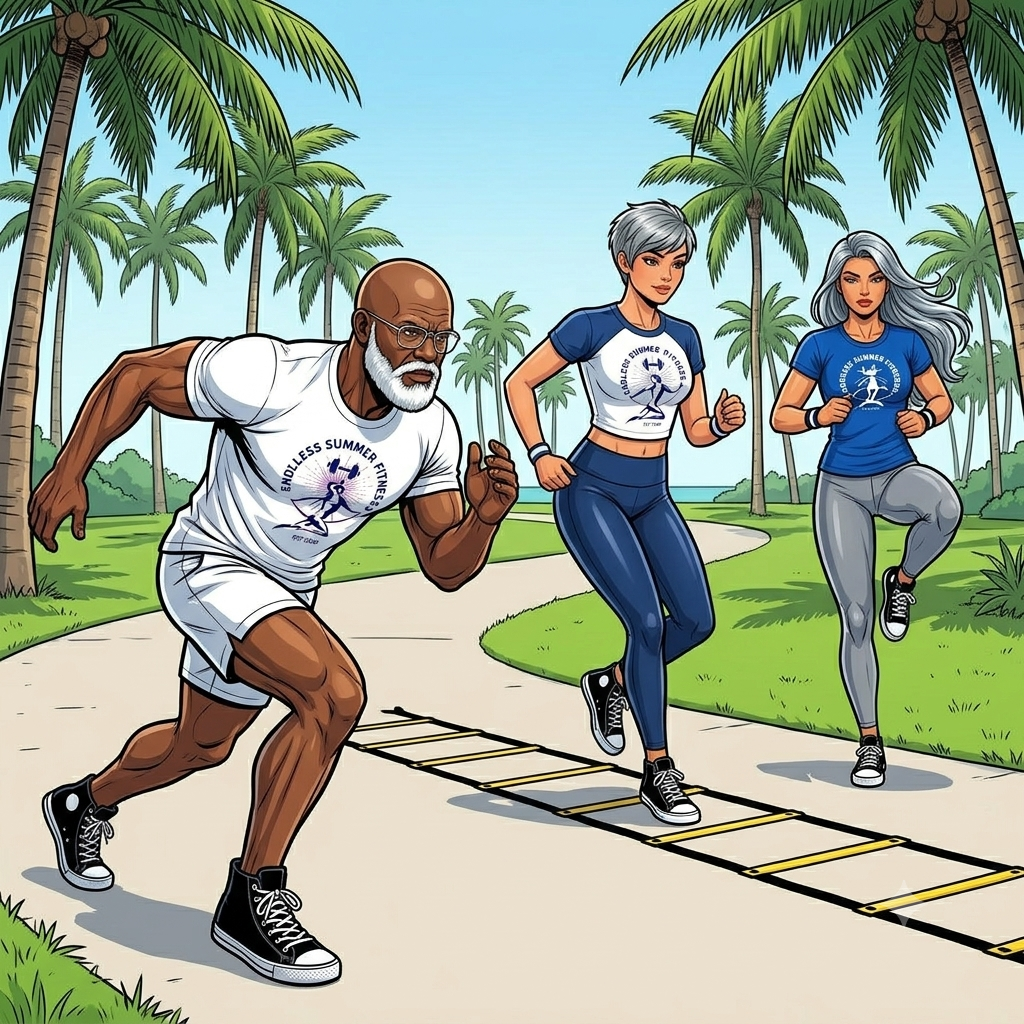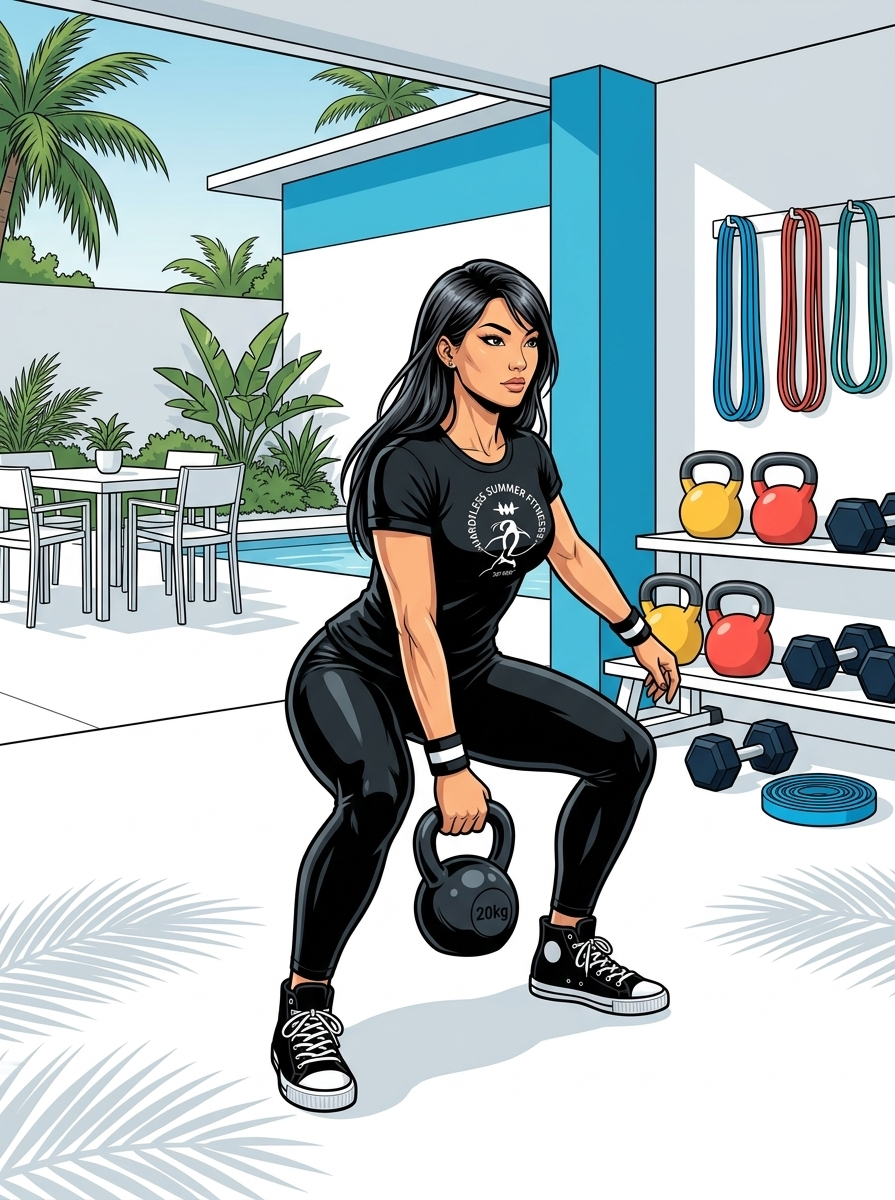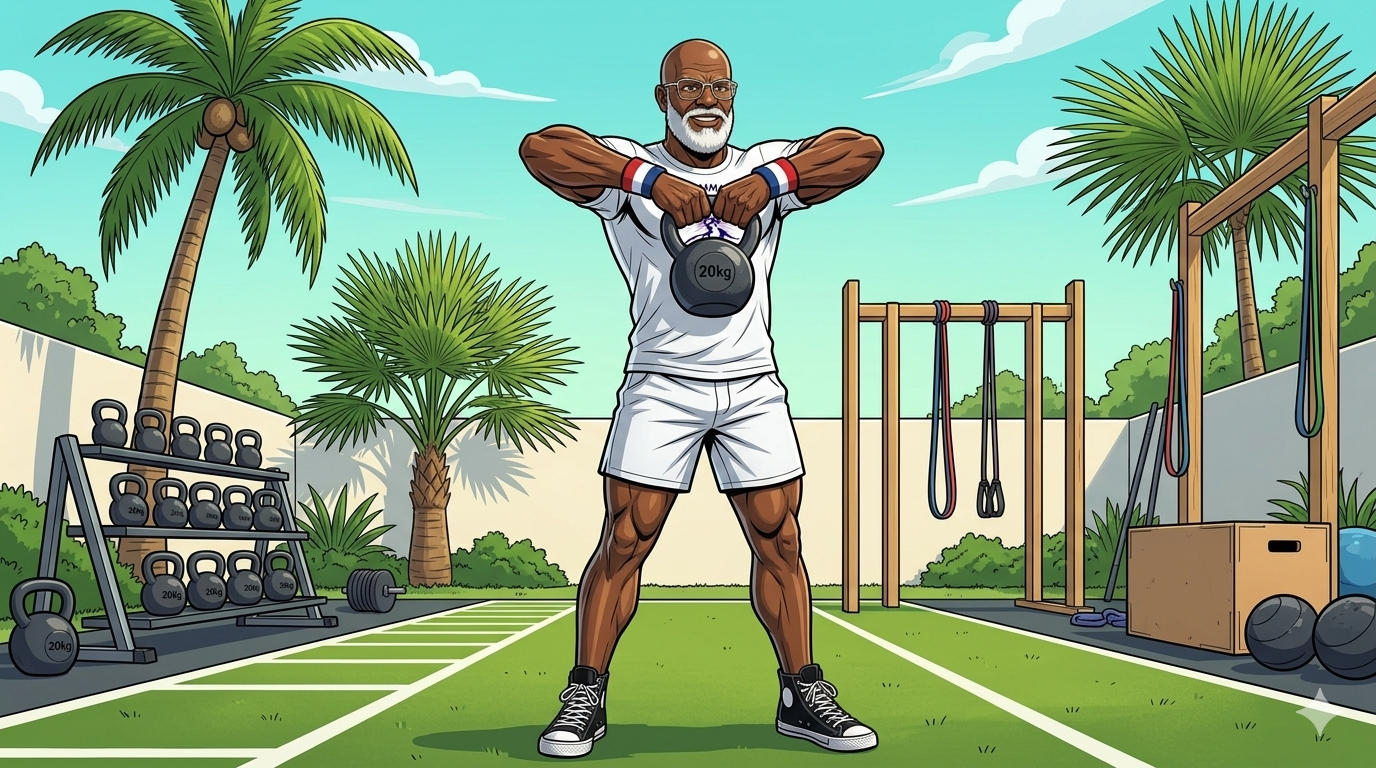
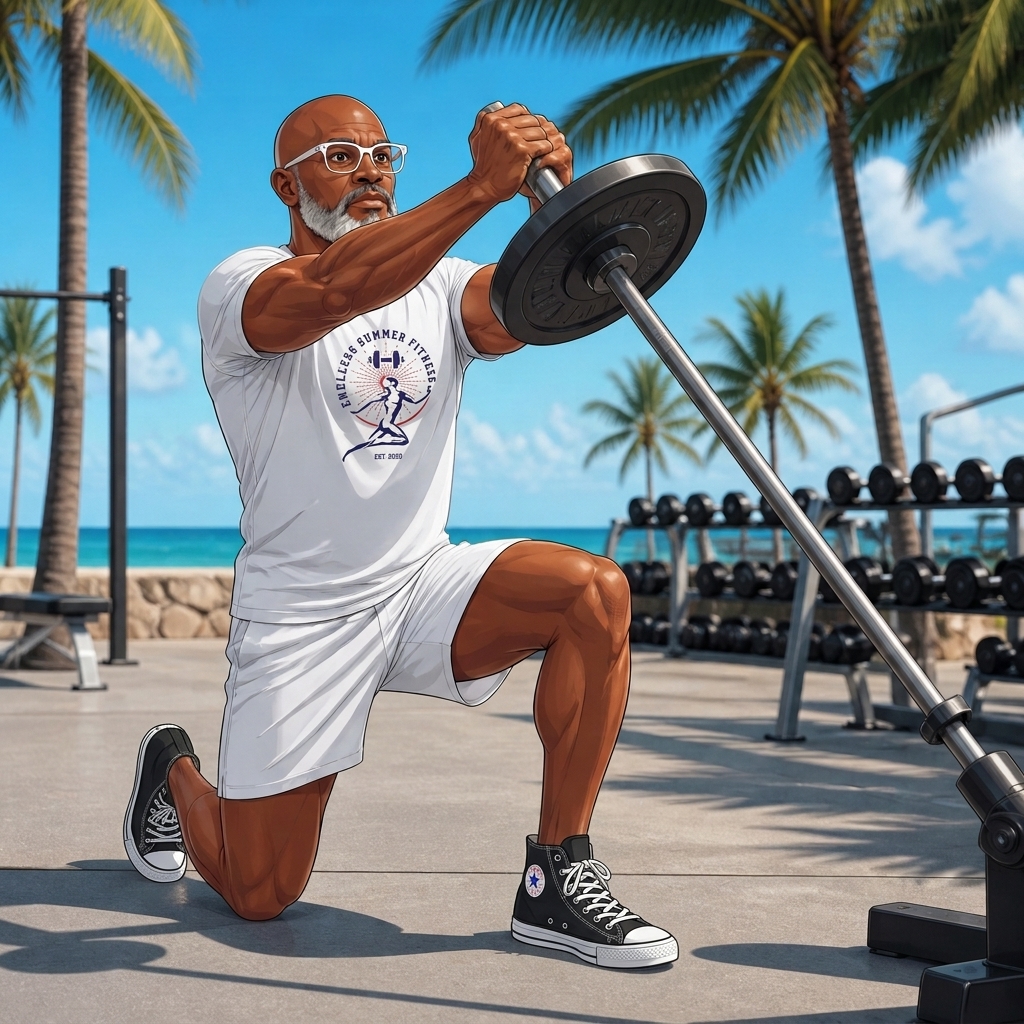
There is a version of your 60s, 70s, and 80s where you are still moving—still running, still hiking, still playing with your kids or grandkids, still walking up without the low-grade dread of a body that has started working against you. And there is another version where each decade quietly takes something off the table. A knee that won’t cooperate. A back that says no. A body that used to feet like yours.
What separates those two futures isn’t luck. It isn’t genetics, though they play a role. More than anything, it comes down to one variable that most people underestimate until it’s already slipping away: muscle.
Muscle Is the Currency for Strength Training After 40
Muscle is not a vanity metric. It is, as researchers and clinicians increasingly describe it, the body’s single most important currency for aging well. Strong muscles regulate blood sugar, reduce systemic inflammation, absorb impact to protect joints, and improve the speed of your nervous system’s reaction—the split-second that keeps a stumble from becoming a fall. The reference place from SuperAge puts it plainly: “Think of muscle as the currency of health, and a robust bank account keeps you moving through life with power.”
At Endless Summer Fitness, we’ve built an entire philosophy around that idea—because here in Miami, we’ve seen what happens when people invest in that account early and consistently, and we’ve seen what happens when they don’t.
This is your guide to making the right investment—in a language that actually makes sense for the way you live.
What Actually Happens to Your Body After 40
Here’s the part that no one wants to say out loud: the decline is already underway. Starting in your 40s, you begin losing muscle mass at a rate of roughly one percent per year—a process called sarcopenia. By your 50s, that rate accelerates. If you’re sedentary, the losses compound fast. And unlike the gradual erosion most people imagine, the research suggests this process doesn’t unfold smoothly. It drops in steps. An illness here. A few weeks of inactivity there. Each episode is steeper than the last, each one harder to climb back from.
For women navigating perimenopause or post menopause, the calculus shifts even further. As estrogen declines, both muscle preservation and bone density become more vulnerable to neglect, which is exactly why the research on women and resistance training is so empathic. A 2024 meta-analysis published in Frontiers in Physiology found that resistance training is the single most effective non-pharmacological intervention available for improving muscle mass and function in older women. Not stretching. Not cardio, Resistance training.
But here is what makes the science genuinely exciting: it is never too late to respond. A 2025 study published in BMC Public Health found that adults who participated in a structured 12-week resistance training program reduced the prevalence of sarcopenia in their group from 35% to zero.
The ESF Philosophy: Training for the Long Game
At Endless Summer Fitness, we don’t just train people to look good at the beach—though that tends to happen anyway. We train people to be useful for decades. That means building what some call a hybrid body: strong enough to lift heavy, mobile enough to move freely, resilient enough to keep going when life gets complicated.
For the 40+ athlete—whether you’re a busy professional squeezing workouts into a lunch break, a weekend trail runner logging miles on Saturdays, or someone just now returning to exercise after years away—that means two things above everything else. First, it means choosing exercises that earn their place by doing more than one job at a time. Second, it means respecting recovery as an active part of the program, not an afterthought.
The five movements below were chosen for exactly that reason. None of them is filler. None of them is chosen because they’re easy to film. Each one addresses a gap in how most 40+ bodies are trained—building strength in the planes of motion that conventional programs ignore, loading the core in ways that protect the spine under real-world stress, and training the connective tissue and stabilizing systems that are the first things to fail when the decade starts stacking up.
The 5 Moves That Will Change How You Age
The Cossack Squat
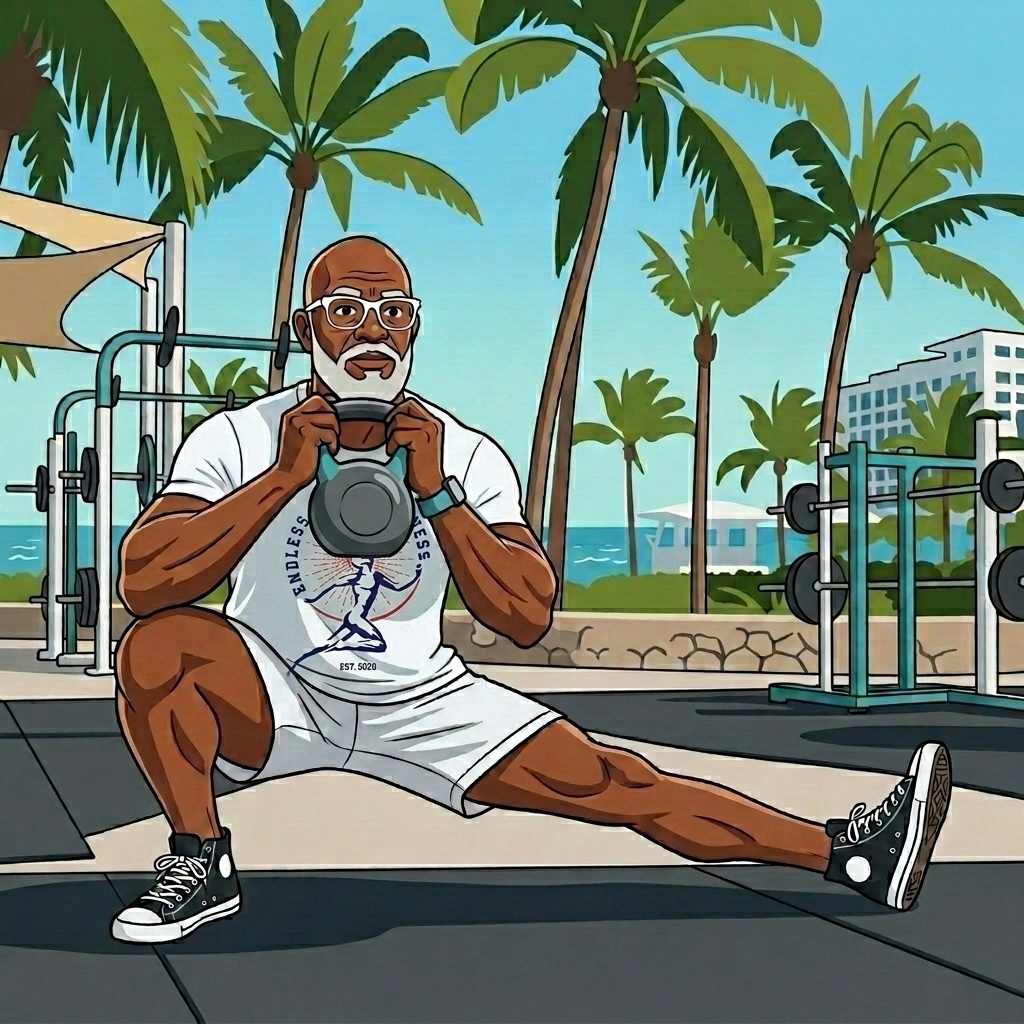
Most people squat forward. Life moves sideways. The Cossack squat—a deep, side-to-side squatting movement where you shift your weight onto one leg while the other extends straight out—trains the hip and inner thigh in a range of motion that almost no conventional exercise reaches.
You’re building quad and glute strength on the working leg while simultaneously demanding mobility and eccentric length from the adductors on the straight leg. Your ankles, hips, and deep core are all problem-solving in real time just to keep you balanced and upright.
For hybrid athletes, this translates directly: better lateral agility, improved groin resilience, and the kind of deep squat mechanics that make running economy smoother and court sports safer. For desk professionals who’ve spent years with tight hips and limited hip rotation, this movement is a genuine reset.
Start with bodyweight, use a doorframe or TRX strap for support if needed, and move only as deep as your mobility allows. The range will come—and when it does, you’ll feel it everywhere.
Muscles Worked: Quadriceps, adductors, glutes (maximus + medius), hamstrings.
Stabilizers: Tibialis anterior, peroneus longus, hip external rotators, deep core, ankle complex. Sets/Reps: 3×8-10 per side | Rest: 60-90 sec.
Cue: Step wider than you think, shift your weight slowly onto one leg, keep your chest tall, and opposite heel planted. Sit into the bent knee, deep as deep as your mobility allows, then push back through your mid-foot to return.
The Suitcase Deadlift
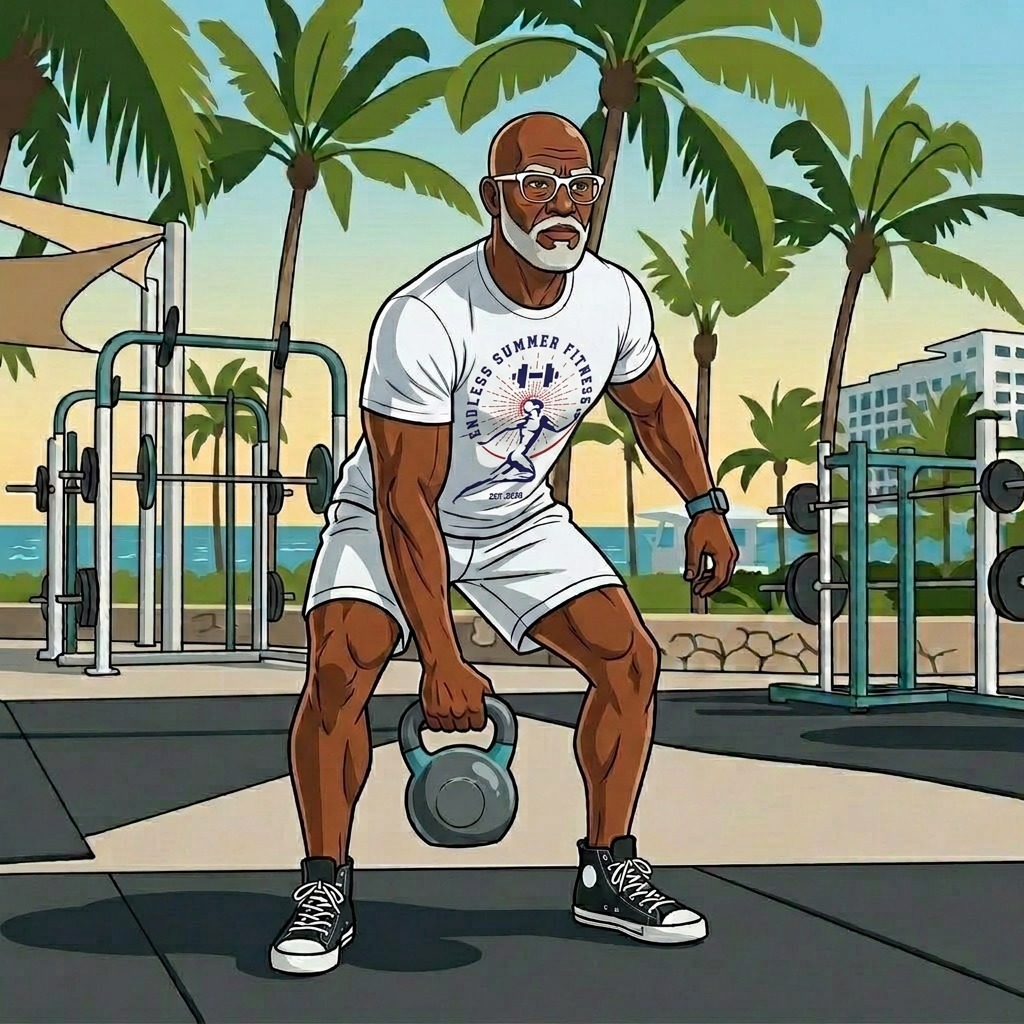
Pick up a heavy dumbbell or kettlebell from the floor with one hand—only one—and stand up straight without letting your torso tilt toward it. That’s the suitcase deadlift. It sounds simple. It is not.
The entire challenge of the movement lives in what you’re not supposed to do: lean. Your obliques, your quadratus lumborum, and your deep spinal stabilizers are working overtime to resist the lateral pull of the load, and that demand—called anti-lateral flexion-is almost completely absent from standard strength programs.
This matters because the lateral core is one of the first functions to be lost with age and one of the hardest to retrain once it’s gone. It’s the system that keeps your spine stable when you carry groceries, when you run on uneven terrain, and when you stand on one leg reaching for something overhead.
Training it directly with the suitcase deadlift means building resilience in exactly the structural layer that protects the spine and hips under real-world asymmetric loads. Add the hip hinge pattern, the grip demand, and the unilateral glute and hamstring work, and you have one of the most underutilized yet comprehensive posterior chain exercises available.
Muscles Worked: Glutes, hamstrings, erector spinae, obliques (anti-lateral flexion).
Stabilizers: Quadratus lumborum, transverse abdominis, forearm flexors, trapezius, lats.
Sets/Reps: 3×8-10 per side | Rest: 75-90 sec.
Cue: Place the weight beside the one foot. Hinge at the hip, grip it, brace hard, and stand tall—keeping your shoulders perfectly level the entire way up. The challenge is the anti-lean. Don’t give in.
The Half-Kneeling Landmine Press
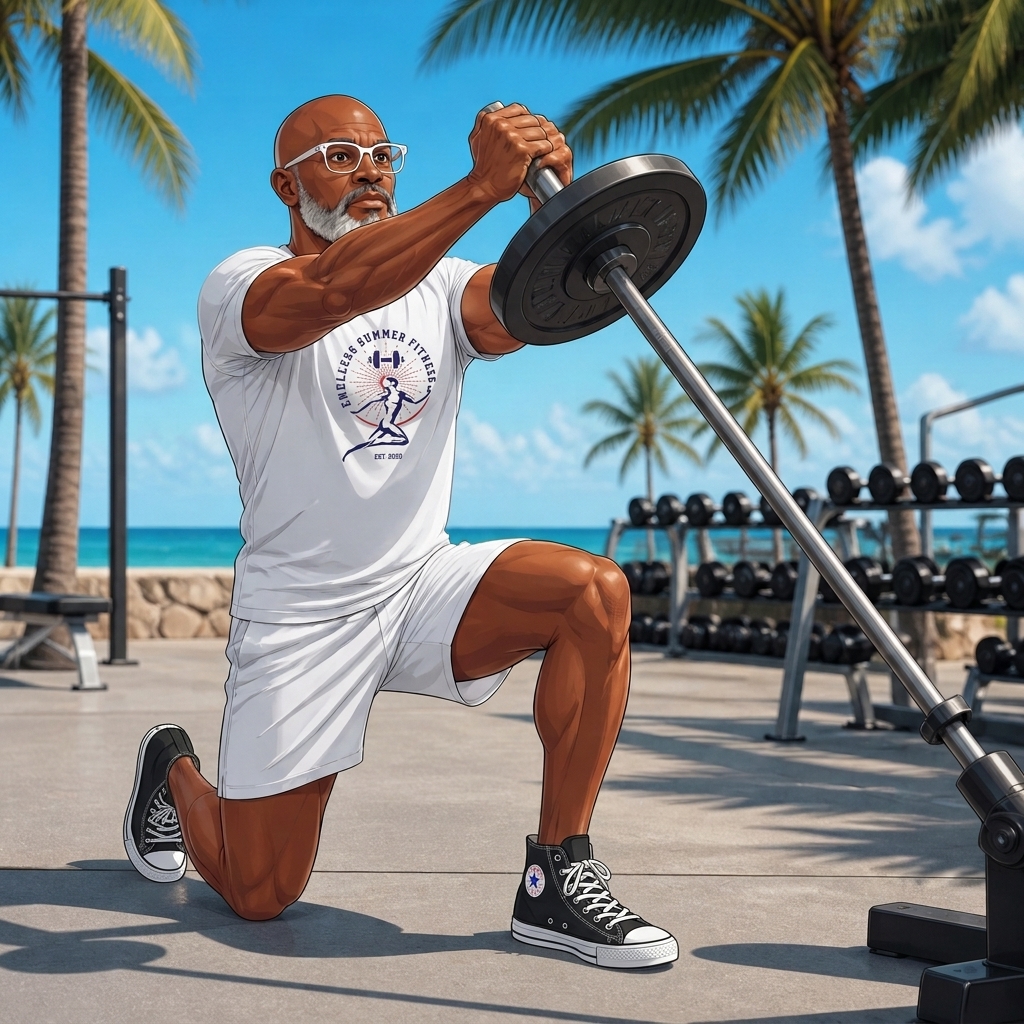
If overhead pressing has ever felt like it was grinding down your shoulders, the half-kneeling landmine press is the movement you’ve been missing. Instead of pressing a barbell or dumbbell straight up—a path that demands extreme shoulder external rotation and can cause impingement in already-compressed joints—the landmine press moves the load along a diagonal arc that naturally follows how the shoulder joint is designed to move.
The results are genuinely shoulder-friendly pressing movements that still build real deltoid and upper chest strength. No compromise required.
Dropping into a half-kneeling position adds another dimension entirely. With one knee on the ground, your hip flexors are working to maintain position, your glutes are bracing the rear hip, and your obliques are resisting the rotational pull of the unilateral load. You’re just pressing—you’re training posture, stability, and pressing strength simultaneously.
For anyone who spends long hours at a desk and has developed shoulder rounding and hip flexor tightness that comes with it, this movement is both corrective and strengthening. It’s the kind of exercise that makes your body feel better the more you do it.
Muscles Worked: Anterior deltoid, upper pectorals (clavicular head), triceps
Stabilizers: Serratus anterior, rotator cuff, core (obliques + TVA), glutes (hip stability from kneeling position)
Sets/Reps: 3×8-10 per side | Rest: 90 sec
Cue: Same-side knee is down as your pressing arm. Clean the barbell end to shoulder height, brace through the core, and press on a forward-diagonal arc to full extension. Don’t lean back—the power comes from the shoulder and chest, not the hips.
Two movements, one setup, zero wasted reps. The dumbbell RDL-to-row combines a posterior chain hip hinge with horizontal pulling movement, sequenced so that the bottom of the deadlift becomes the starting position for the row. You hinge, you hold, you pull—and in doing so, you train your hamstrings, glutes, lats, rhomboids, and rear deltoids in a single fluid motion that takes less than 45 seconds a set.
For the 40+ professional who is perpetually time-crunched, this efficiency is the point. But the movement earns its place beyond just convenience. The horizontal row component directly counteracts the forward-shoulder, collapsed-chest posture that accumulates from years of desk work, driving, and phone use.
Strong lats and rhomboids don’t just look better—they reduce neck tension, improve thoracic extension, and make everything from overhead pressing to distance running feel more controlled and less exhausting.
This is the kind of exercise that quietly improves your quality of life in ways you don’t even notice until the day you realize your back no longer aches.
Muscle Worked: Hamstrings, glutes, lats, rhomboids, rear deltoids, biceps
Stabilizers: Core (anti-rotation), erector spinae, scapular stabilizers (middle +lower trap)
Sets/Reps: 3×10 | Rest: 75 sec
Cue: Hinge at the hip, hold the flat position at the bottom, then drive both elbows straight back. Think: hinge, hold, pull. Don’t rush the transition.
The Lateral Lunge to Knee Drive
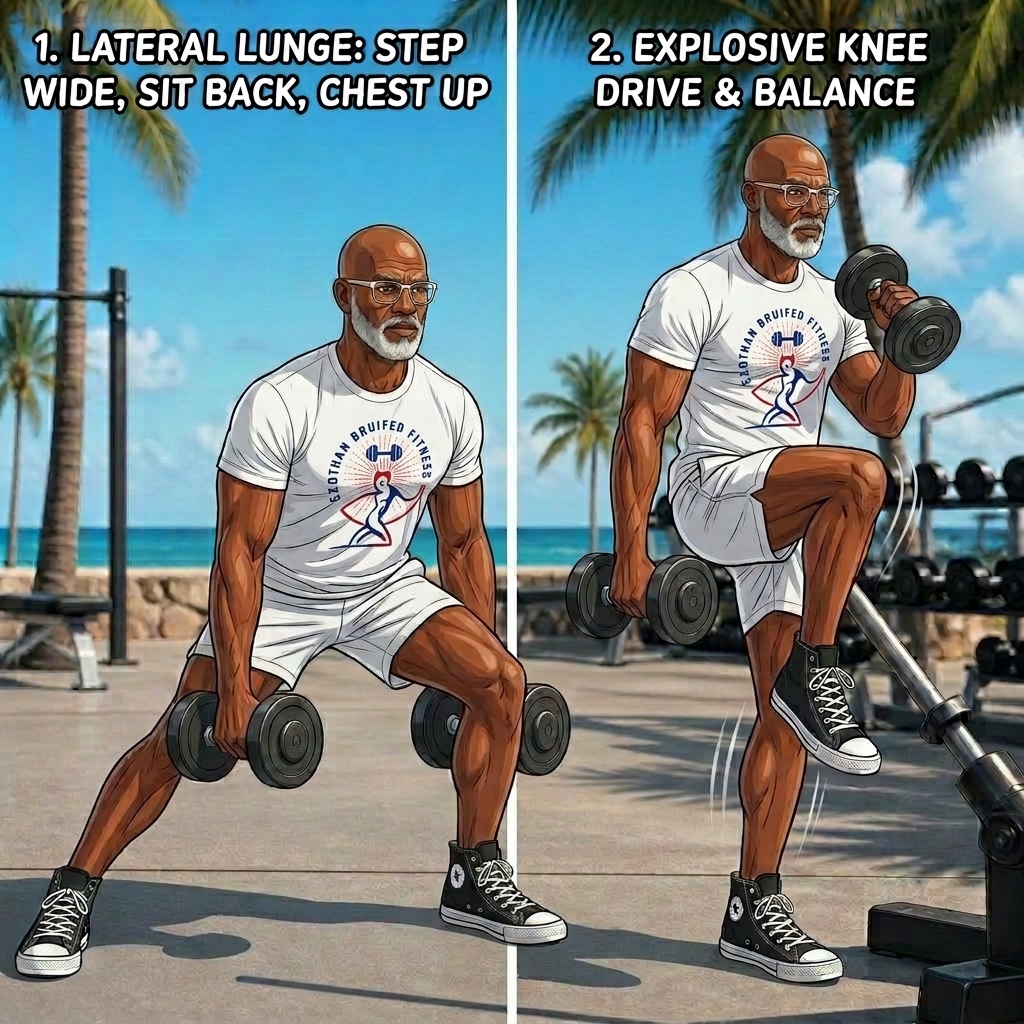
Here’s the pattern that most strength programs never address: sideways. The sagittal plane—moving forward and backward—is where the vast majority of gym happens. Squats, deadlifts, lunges, presses, rows. All forward and back. But your body was built to move in three dimensions, and the frontal plane—the side-to-side dimension—is where knee injuries happen, where hip stability erodes, and where the first signs of athletic decline quietly begin.
The lateral lunge to knee drive trains that dimension directly. You step wide into a lateral lunge, loading the glute medius and adductors in their most challenging range, then explode back up and drive the inside knee across your body—turning the last half of the movement into a balance as a strength exercise.
For runners, it builds the hip stability that protects the IT band and knee. For court athletes, it develops the lateral power and single-leg control that separates reactive athletes from stiff ones.
And for anyone who just wants to be able to move freely and without pain well into their later decades, it’s one of the most functional transferable exercises you can do.
Muscle Worked: Adductors, glutes (medius + maximus), quadriceps, hip flexors
Stabilizers: Tibialis anterior, peroneus brevis, deep hip rotators (piriformis, obturator internus), core Sets/Reps:3×10 per side | Rest: 60-75 sec
Cue: Step wide, sit back into the lunge, keeping your chest tall, then drive your inside knee up and across your body as you stand. The knee drive is the point—don’t skip it.
Without Overwhelming It
Two to three days a week. Full body each session. Thirty-five to forty minutes, including a warm-up of hip circles, leg swings, bodyweight Cossack squat holds, and shoulder rolls. Pick three or four of the movements above, run three sets of each with sixty to ninety seconds of rest between them, cool down with five minutes of static stretching through the hip flexors, adductors, and thoracic spine, and go live your life.
That’s it. That is the program that will change your trajectory if you do it consistently for the next six months. You don’t need to train every day. You don’t need to push to failure every session.
You don’t need the most complex, periodized, spreadsheet-managed protocol ever written. What you need—the one thing that separates the people who age powerfully from the people who don’t—is showing up, session after session, and doing the work with enough intention that it actually accumulates into something real.
The hybrid body isn’t built in a single workout. It’s built in the quiet, unglamorous consistency of a hundred workouts strung together over time. Start simple. Stay consistent. The rest takes care of itself.
Evidence Framework
Source |
Key Finding | Why It Matters |
| Pereira et al., BMC Public Health, 2025 | 12-week resistance training + nutrition reduced sarcopenia prevalence from 35% to 0% | RT is a clinically validated, rapidly effective sarcopenia intervention |
| Volpi et al., Am J Clin Nutr, 2004 | Muscle mass declines 3–8% per decade beginning at age 30, accelerating in the 40s | Quantifies why beginning or maintaining RT before 50 is critical |
| Frontiers in Physiology, Resistance Training Meta-Analysis, 2024 | RT is the most effective non-pharmacological intervention for muscle mass and function in older women | Directly supports the inclusion of RT across all 40+ demographics, especially women |
| SuperAge / Presto, 2025 | Adults 85+ gained 11% muscle mass and 46% strength in 12 weeks of RT | Demonstrates that meaningful muscle-building capacity is preserved at any age |
Medical Disclaimer: This article is for educational and informational purposes only and does not constitute medical advice. Always consult a physician or certified fitness professional before beginning a new exercise program, especially if you have pre-existing conditions.
FAQs
Can I actually build muscle after 40 if I’ve never trained before?
Yes—and beginners often see the fastest initial gains, because their neuromuscular system is responding to an entirely new stimulus. Research documents meaningful strength and muscle gains in untrained individuals well into their 80s. Starting late is infinitely better than not starting.
How often should I strength train for longevity?
Two to three full-body sessions per week is the evidence-backed sweet spot for beginners over 40. That frequency provides your body with sufficient training stimulus to adapt while preserving the recovery window, which becomes increasingly important with each passing decade.
I’ve always had tight hips—is the Cossack squat realistic for me?
Absolutely. It was designed for exactly that situation. Start with a very shallow range of motion and use a doorframe, squat rack, or TRX strap for support while your mobility improves. The Cossack squat is both a diagnostic and a corrective tool—the more you need it, the more it will help you.
Do I need a gym with a landmine attachment for these workouts?
The landmine press is the one movement here that ideally requires either a barbell and landmine sleeve or a barbell safely wedged in a corner. If you train at home without a barbell, a half-kneeling single-arm dumbbell press with a slight forward lean closely mimics the shoulder-friendly diagonal arc and works as a direct substitute.
Will this kind of training make me look bulky?
No. Building significant mass requires years of progressive overload, intentional caloric surplus, and specific genetic predisposition. What you will gain from this program is functional strength, improved muscle tone, better metabolic health, and a body that moves the way you want it to for decades longer than it would otherwise.
Ready to build your hybrid body?
Download the ESF Beginner Strength Program — a done-for-you 4-week plan built specifically for busy adults 40+. No fluff. No guesswork. Just the work. [Red Next: Strength Training Mistakes: 7 Survival Tips for Beginners Over 40