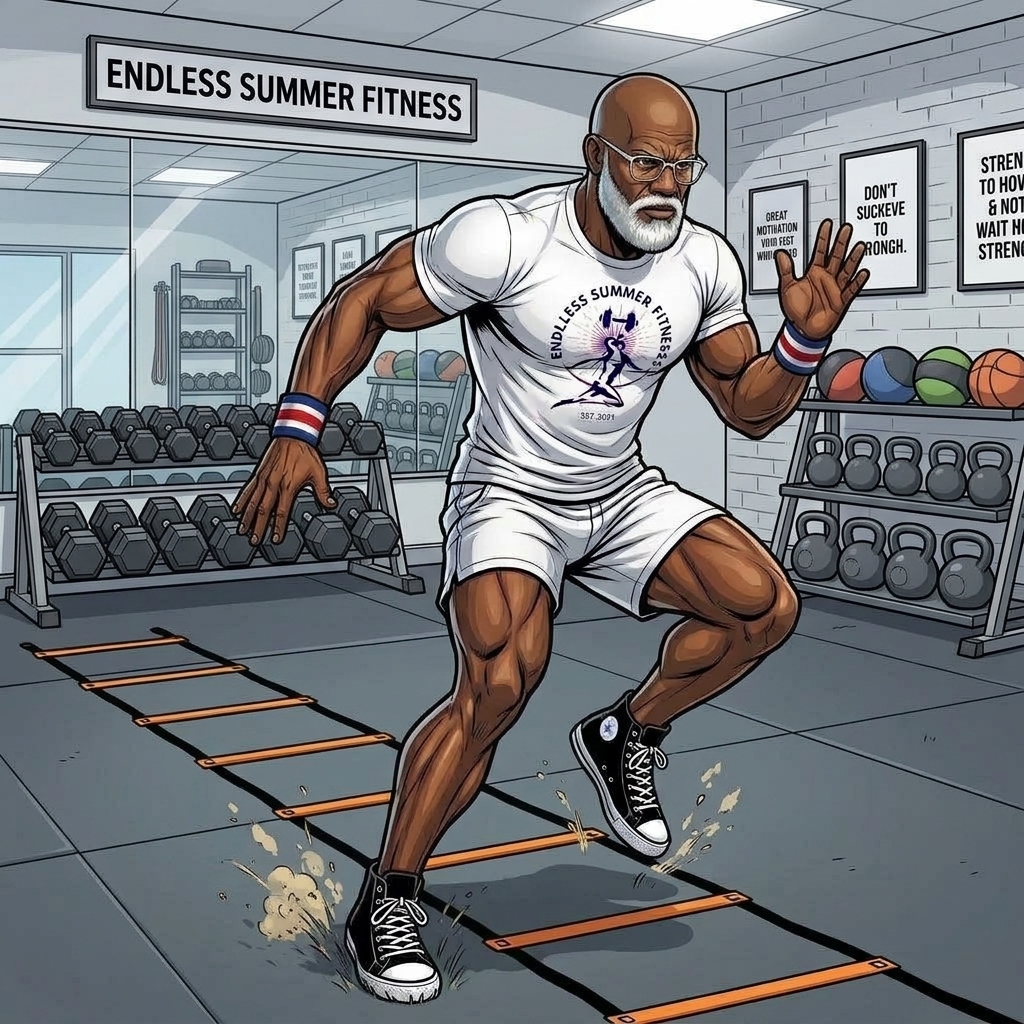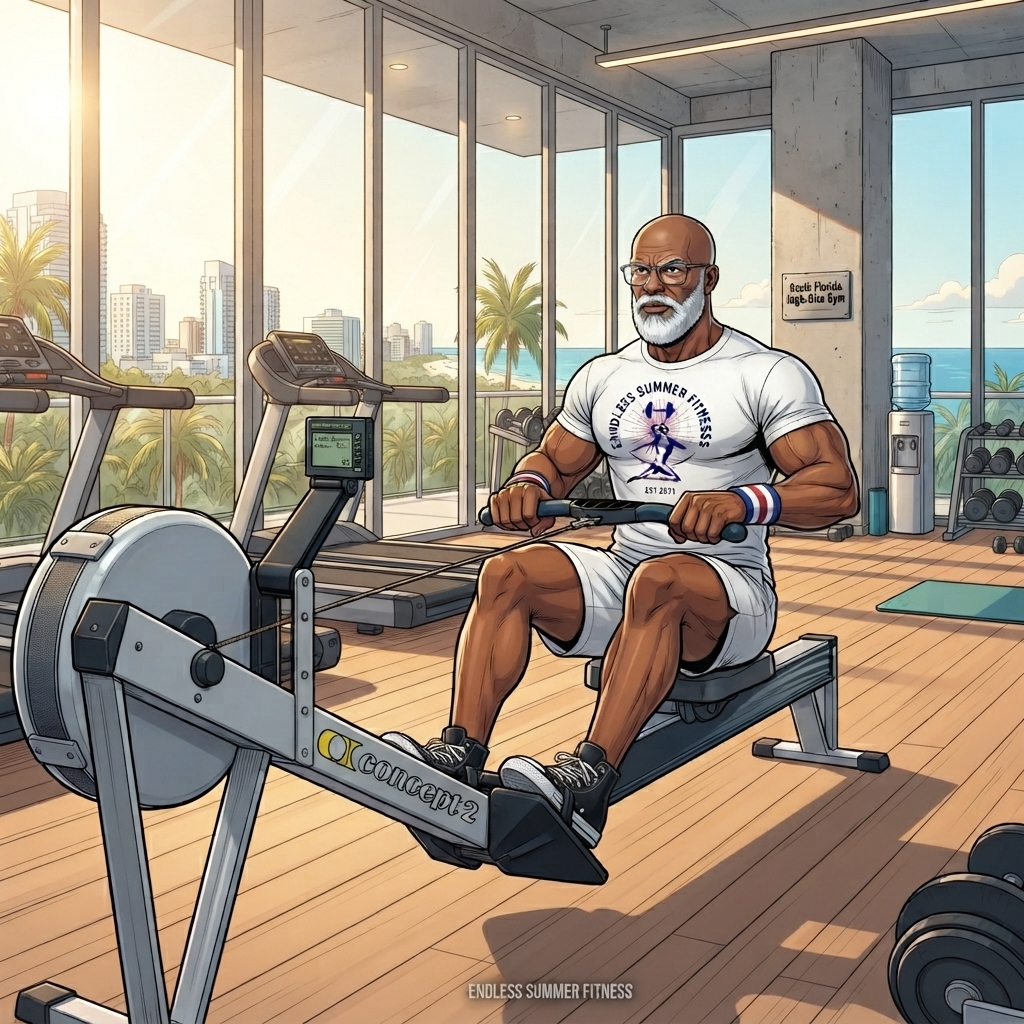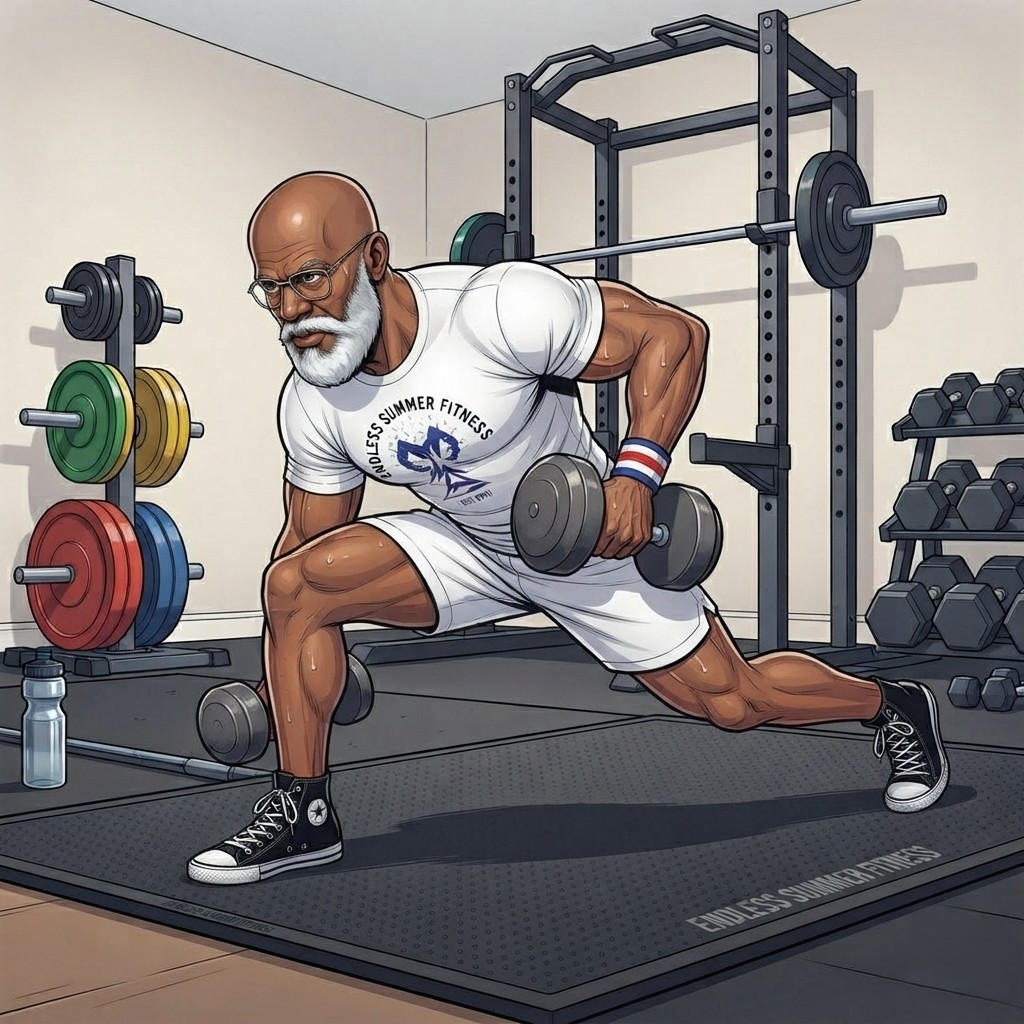
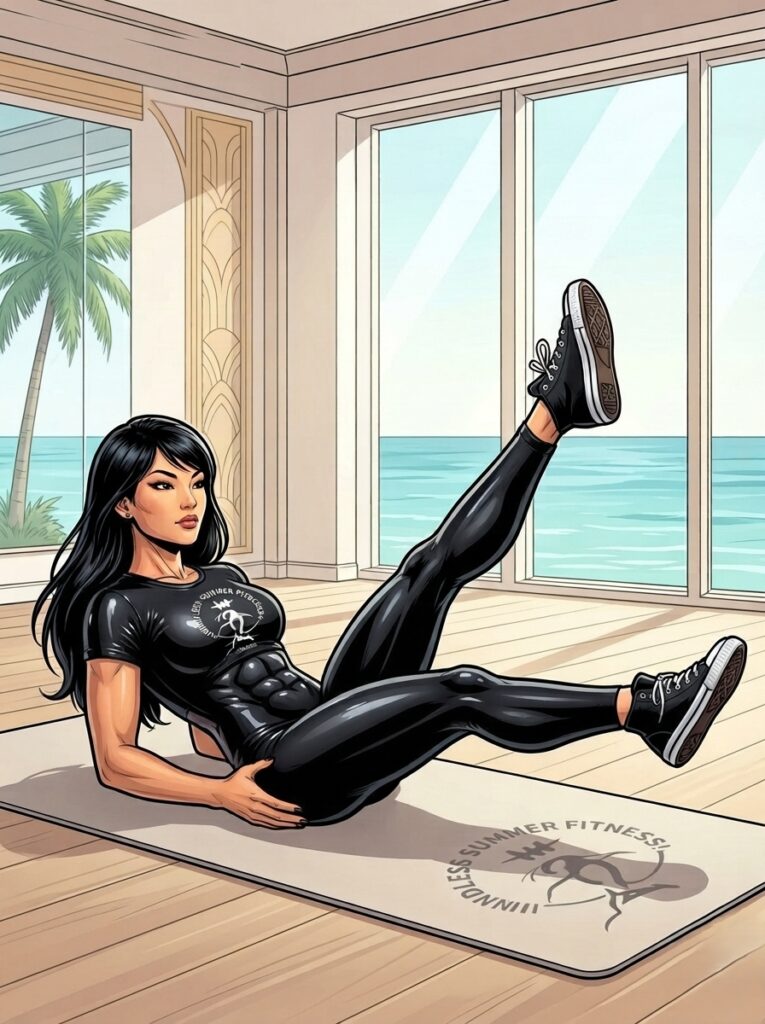
High-intensity interval training drives metabolic expenditure and improves cardiorespiratory capacity. Exercising in short intervals allows high power output while keeping total session times concise. For deconditioned lifters and adults over 40, traditional high-impact routines present major injury risks. Continuous explosive jumping, heavy lumbar shearing, and unbraced rotation frequently lead to patellar tendonitis, acute lower back sprains, and joint inflammation.
Replacing high-impact plyometrics with joint-sparing, low-shear movements delivers identical cardiovascular benefits without sacrificing structural integrity.
Biomechanical Safety and Interval Rules
Achieving high cardiovascular output requires managing joint mechanics and structural stress.
Apply these rules to execute 30-minute interval sessions safely:
- Eliminate Lumbar Shear and Compression: Avoid movements that force the lumbar spine into loaded rotation or hyperextension, such as Russian twists or unbraced back extensions. Substitute them with isometric core braces and anti-rotational holds to stabilize the midsection.
- Remove Ground Reaction Forces: Replace high-impact plyometrics like tuck jumps, jump squats, and jumping lunges with low-impact speed drills. Soft-landing step-jacks, controlled box squats, and mountain climbers maintain elevated heart rates without joint impact.
- Structure Dynamic Warm-Ups: Begin every session with 5 minutes of controlled dynamic mobility to lubricate joint capsules and elevate core body temperature. Reserve static stretching for after the workout to reset muscle resting length.
The Low-Impact 30-Minute Protocol
This total-body workout consists of a 5-minute dynamic warm-up, four 5-minute conditioning blocks, and a 5-minute cool-down.
Interval Structure
Perform each movement for 45 seconds, followed by 15 seconds of rest. Complete each 5-minute block once.
1. Dynamic Warm-Up Phase (5 Minutes)
- Leg Swings (Front-to-Back): 30 seconds per leg. Hold a wall or sturdy object for balance. Swing one leg forward and backward in a controlled arc to mobilize the hips.
- Arm Circles & Cross-Body Hugs: 60 seconds. Rotate arms in slow, controlled circles, alternating directions halfway through.
- Bodyweight Hinge to Reach: 60 seconds. Hinge at the hips with a flat back, push your glutes back, and reach toward your shins before standing.
- Controlled Bodyweight Squat: 60 seconds. Sit into your hips with feet shoulder-width apart, driving through your heels to stand.
- Standing Thoracic Rotations: 60 seconds. Keep your hips locked forward while gently rotating your ribcage side to side.
2. Conditioning Block 1: Lower-Body Strength & Cardio (5 Minutes)
Step-Back Reverse Lunge
Eliminates forward deceleration stress on the patellar tendon while building unilateral leg strength.
- Execution: Stand upright with feet hip-width apart. Step your right foot backward, lowering your back knee toward the floor until both knees form 90-degree angles. Drive through your front heel to return to the starting position. Alternate legs.
- Form Cue: Keep your chest upright and do not allow your front knee to cave inward.
Low-Impact Step-Jack
Maintains high aerobic output without the joint impact of traditional jumping jacks.
- Execution: Step your right foot out wide while bringing both arms overhead. Return to center, then step your left foot out. Maintain a fast, rhythmic pace.
- Form Cue: Stay light on the balls of your feet with knees slightly soft.
Supported Box Squat
Provides a hard depth stop to prevent deep knee flexion and lower back rounding under fatigue.
- Execution: Stand in front of a sturdy chair or bench. Hinge at your hips and lower your glutes until lightly touching the seat. Pause briefly without relaxing your core, then press through your heels to stand.
- Form Cue: Drive your knees outward in line with your toes throughout the motion.
Lateral Skater Step (No Jump)
Develops lateral stability and glute strength without high-impact landing forces.
- Execution: Step wide to the right, sweeping your left leg behind you while sinking into your right hip. Immediately push off your right foot to step wide to the left.
- Form Cue: Absorb motion through the hips rather than twisting the lower back.
Mountain Climber (Hands-Elevated)
Elevates heart rate while protecting the wrists and maintaining core stiffness.
- Execution: Place your hands on an elevated bench or sturdy platform in a rigid push-up plank. Drive your knees toward your chest sequentially in a controlled, rapid rhythm.
- Form Cue: Keep your hips level with your shoulders. Do not allow your lower back to sag.
3. Conditioning Block 2: Upper-Body & Core Stability (5 Minutes)
Incline Push-Up
Builds horizontal pressing capacity while reducing chest and shoulder strain.
- Execution: Place hands shoulder-width apart on an elevated surface. Lower your chest until it nearly touches the surface, keeping your body in a straight line from head to heels. Press back to full extension.
- Form Cue: Keep elbows tucked at a 45-degree angle relative to your torso.
Standing Knee-to-Elbow Drive
Engages the anterior core and hip flexors without flexing the lumbar spine against floor pressure.
- Execution: Stand tall with hands behind your head. Drive your right knee up toward your chest while bringing your left elbow toward it in a controlled diagonal crunch. Alternate sides rhythmically.
- Form Cue: Focus on contracting your abdomen rather than pulling on your neck.
Bench Triceps Dip (Feet Flat)
Targets the triceps while keeping feet planted to reduce shoulder joint stress.
- Execution: Sit on the edge of a bench with hands next to your hips. Slide your glutes forward off the bench with knees bent at 90 degrees and feet flat. Bend your elbows to lower your hips slightly, then press back up.
- Form Cue: Keep your back close to the bench and avoid dipping below a 90-degree elbow bend.
Inchworm to Plank
Builds shoulder stability, hamstrings flexibility, and core endurance.
- Execution: Stand tall, hinge at your hips, and touch the floor with your hands. Walk your hands forward until reaching a high plank position. Pause for 1 second, then walk your hands back to your feet and stand.
- Form Cue: Keep your abdomen tight during the plank phase to prevent lower back sagging.
Forearm Plank Hold
Establishes static core stiffness without spinal movement.
- Execution: Lie face down and prop yourself up on your forearms and toes. Set elbows directly beneath your shoulders. Maintain a straight line from your head to your heels.
- Form Cue: Squeeze your glutes and pull your belly button toward your spine.
4. Conditioning Block 3: Posterior Chain & Mobility (5 Minutes)
Single-Leg Glute Bridge
Strengthens the hamstrings and glutes while removing axial load from the spine.
- Execution: Lie face up with knees bent and feet flat on the floor. Lift one leg off the ground. Drive through the heel of the planted foot to raise your hips until aligned with your shoulders and knees. Lower under control and switch legs halfway through.
- Form Cue: Squeeze your glute hard at the top without arching your lower back.
Prone Cobra
Strengthens the thoracic erectors and rear deltoids to improve posture.
- Execution: Lie face down with arms at your sides, palms facing down. Contract your upper back and glutes to lift your chest and hands slightly off the floor. Hold for 2 seconds, then lower.
- Form Cue: Keep your eyes fixed on the mat to keep your neck neutral.
Alternating Side Lunge
Improves frontal plane mobility while strengthening the quads and adductors.
- Execution: Stand tall, then take a wide step to the right. Hinge your hips back and bend your right knee while keeping your left leg straight. Push off your right foot to return to center. Alternate sides.
- Form Cue: Keep both heels flat on the floor during the movement.
Bear Crawl Hold (Isometric)
Builds deep abdominal stiffness and quad endurance in a quadruped position.
- Execution: Start on hands and knees with wrists under shoulders and knees under hips. Tuck your toes and lift your knees 1 to 2 inches off the floor. Hold this position while breathing deeply.
- Form Cue: Maintain a flat back suitable for holding a tray of water.
Dead Bug
Teaches motor control by moving limbs while keeping the lumbar spine flat against the floor.
- Execution: Lie on your back with arms extended toward the ceiling and knees bent at 90 degrees. Lower your right arm overhead while extending your left leg straight out. Return to center and repeat with the opposite arm and leg.
- Form Cue: Press your lower back flat into the floor throughout the entire rep.
5. Conditioning Block 4: Total-Body Integration (5 Minutes)
Dumbbell or Bodyweight Good Morning
Strengthens the hip hinge mechanism to protect the lower back during daily movements.
- Execution: Stand with feet hip-width apart, hands behind your head or holding a light weight across your chest. Soften your knees, push your hips back, and lower your torso until parallel with the floor. Drive hips forward to stand.
- Form Cue: Maintain a flat back from shoulders to tailbone.
Standing Oblique Knee Drive
Works the lateral core and hip flexors without spinal flexion.
- Execution: Stand tall with right hand behind your head. Drive your right knee out to the side toward your right elbow. Complete 22 seconds on one side, then switch.
- Form Cue: Crunch sideways through your waist rather than leaning forward.
Bodyweight Speed Row (Doorframe or Strap)
Engages the upper back pulling muscles to balance pushing efforts.
- Execution: Hold a sturdy doorframe or suspension trainer, lean back slightly with arms extended, and pull your chest toward your hands quickly under control.
- Form Cue: Drive your elbows back and squeeze your shoulder blades.
Low-Impact Shadowboxing
Drives heart rate and core rotational power without joint stress.
- Execution: Adopt a comfortable athletic stance. Throw light, fast jab-cross combinations into the air while pivoting your back foot.
- Form Cue: Do not snap or hyper-extend your elbows at full extension.
Wall Sit Hold
Delivers isometric quad endurance without joint movement.
- Execution: Slide your back down a wall until your thighs are parallel to the floor with knees over ankles. Press your back flat against the wall and hold.
- Form Cue: Keep your weight distributed evenly through your heels.
6. Post-Workout Cool-Down (5 Minutes)
- Doorway Pectoral Stretch: 60 seconds.
- Standing Hamstring Hinge Stretch: 60 seconds (30 seconds per leg).
- Kneeling Hip Flexor Stretch: 60 seconds (30 seconds per leg).
- Child’s Pose: 60 seconds.
- Deep Diaphragmatic Breathing: 60 seconds.
References
- Ainsworth, B. E., et al. (2011). Compendium of Physical Activities: A second update of codes and MET values. Medicine & Science in Sports & Exercise, 43(8), 1575-1581.
- Gibala, M. J., et al. (2012). Physiological adaptations to low-volume, high-intensity interval training in health and disease. The Journal of Physiology, 590(5), 1077-1084.
- Kavanaugh, A. (2007). The biomechanics of low-impact vs. high-impact conditioning. Journal of Strength and Conditioning Research, 21(3), 982-987.