
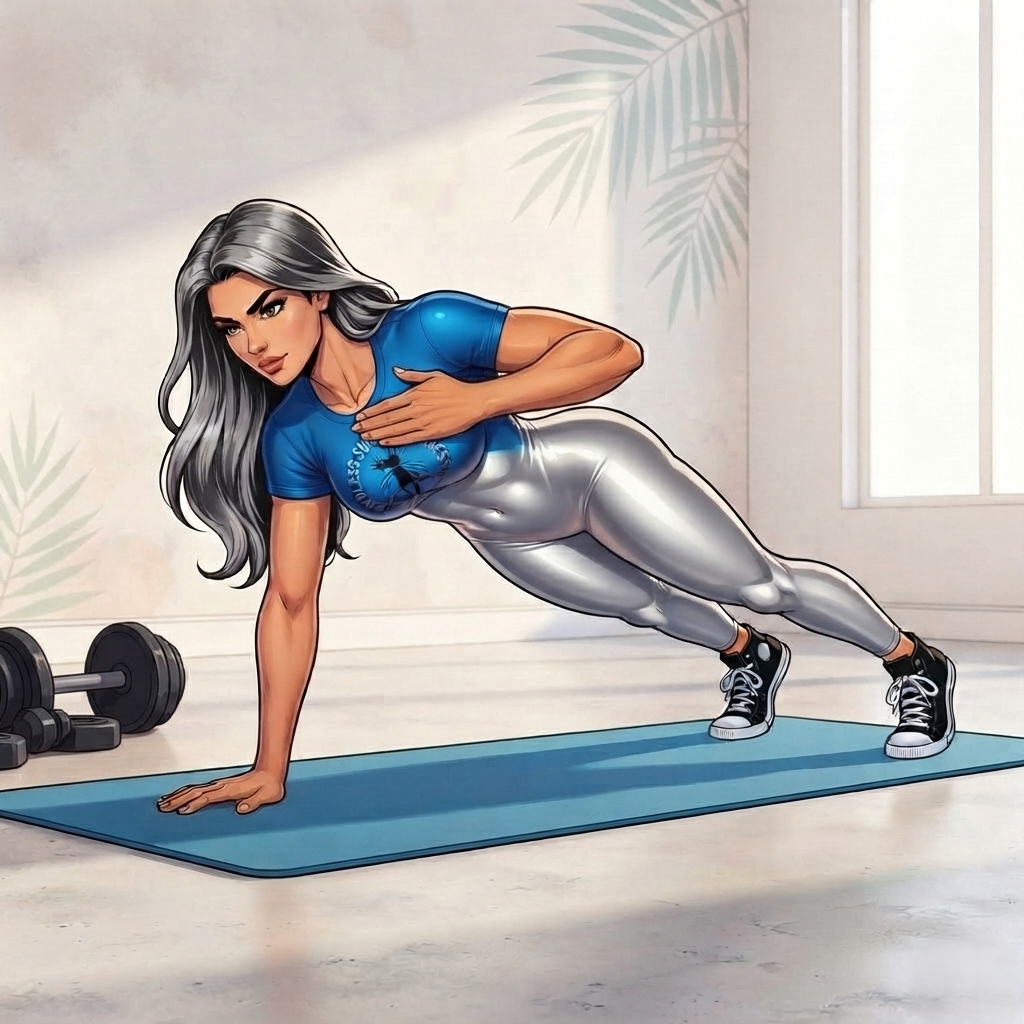
Achieving physical change through structural conditioning & muscle building requires an evidence-based approach to training load, nutrition, and joint protection. Unrealistic claims of gaining 12 pounds of pure muscle in three months ignore natural physiological limits of muscle protein synthesis. For most lifters, gaining 1 to 2 pounds of lean tissue per month represents a realistic, sustainable target that builds functional strength while safeguarding joint health.
Long-term physical change depends on progressive motor control, strategic recovery windows, and high-precision execution.
Biomechanical Safety and Nutritional Guidelines
Hypertrophy protocols fail when connective tissue breakdown outpaces muscle recovery. Heavy compound pressing combined with fatigue-inducing jump drills creates high joint stress, particularly at the shoulders, knees, and lower back.
Apply these rules to optimize physical output while protecting structural joint integrity:
- Evidence-Based Protein Target: Consume 0.7 to 1.0 grams of protein per pound of body weight daily (1.6 to 2.2 g/kg). Exceeding this range yields no additional hypertrophic benefit and adds unnecessary digestive strain.
- Warm-Up vs. Cool-Down Mechanics: Begin every session with 5 to 10 minutes of dynamic movement—such as shoulder dislocates, bodyweight hinges, and thoracic rotations—to elevate core temperature and lubricate articular cartilage. Perform static stretches only after training to restore muscle resting length.
- Power Movement Placement: Never perform explosive plyometric drills after fatiguing upper-body or core muscle groups. Explosive movements require a fresh central nervous system. Replace high-impact plyometrics with joint-friendly, controlled power variations like medicine ball chest passes or kettlebell swings placed early in the session.
Day 1 Workout: Upper-Body Hypertrophy & Stability
This session prioritizes multi-joint upper-body pressing and pulling, followed by low-shear core stabilization and dedicated shoulder mobility.
1. Dynamic Warm-Up Phase
Perform each movement for 45 seconds to prepare the shoulder girdle and thoracic spine.
- Arm Swings & Hugs: Cross arms dynamically across the chest, then open wide to stretch the pectorals.
- Thoracic Windmills: Stand with knees soft, hinge slightly at the hips, and rotate the ribcage side to side while reaching toward opposite feet.
- Band Pull-Aparts: Hold a light resistance band at chest height and pull outward, squeezing the rear deltoids and rhomboids.
2. Primary Power & Strength Phase
Standing Medicine Ball Chest Pass
Replaces high-impact box jumps with a explosive upper-body power drill that unloads the knees and spine.
- Execution: Stand 3 feet from a solid wall holding a 6- to 10-pound medicine ball at chest height. Step forward dynamically and pass the ball forcefully against the wall. Catch the rebound, reset your stance, and repeat.
- Prescription: 3 sets of 5 reps. Rest 90 seconds between sets.
Flat Dumbbell Chest Press
Provides horizontal pressing strength with a natural wrist angle, reducing shoulder impingement risk compared to fixed barbell pressing.
- Execution: Sit on a flat bench holding a pair of dumbbells on your thighs. Lie back, positioning the dumbbells over your chest with palms facing slightly inward at a 45-degree angle. Lower the weights under control until your elbows reach a 90-degree angle, then press upward without locking out your elbows forcefully.
- Prescription: 3 sets of 8 to 10 reps. Rest 2 minutes between sets.
Chest-Supported Dumbbell Row
Isolates the upper back and lats while completely supporting the chest, removing shear stress from the lower back.
- Execution: Set an incline bench to 45 degrees. Lie face down with your chest firmly supported against the pad. Hold a dumbbell in each hand with arms extended. Pull the dumbbells toward your hips, driving your elbows back and squeezing your shoulder blades together at the top. Lower under control.
- Prescription: 3 sets of 10 to 12 reps. Rest 90 seconds between sets.
Half-Kneeling Single-Arm Overhead Press
Builds shoulder strength while forcing the glutes and core to stabilize the hips, preventing lower-back arching.
- Execution: Kneel on your right knee with your left foot flat on the floor in front of you, forming 90-degree angles at both knees. Hold a dumbbell in your right hand at shoulder height. Press the dumbbell straight overhead, locking out directly over your ear. Lower slowly back to the shoulder. Switch sides after completing reps.
- Prescription: 3 sets of 8 to 10 reps per side. Rest 90 seconds between sets.
3. Core Stability & Post-Workout Mobility
Pallof Press (Cable or Resistance Band)
Provides anti-rotational core stability, building trunk stiffness without flexing or twisting the lumbar spine.
- Execution: Stand perpendicular to a cable machine or band anchor point. Hold the handle at your chest with both hands. Step away to create tension. Brace your abdomen firmly and press the handle straight out in front of your chest. Hold for 2 seconds, resisting the pull to rotate toward the anchor, then return to your chest.
- Prescription: 3 sets of 10 to 12 reps per side. Rest 60 seconds between sets.
Post-Workout Static Cool-Down
Hold each stretch for 30 seconds to ease muscle tension and initiate recovery.
- Doorway Pectoral Stretch: Place forearms against a doorframe at 90-degree angles and lean forward gently until feeling a stretch across the chest.
- Lat Doorway Hang: Hold the edge of a doorframe or rig, hinge at the hips, and lean back to stretch the latissimus dorsi muscles.
Tracking Progress
Document your training variables after every session. Record the weight used, sets completed, and precise repetitions performed. Tracking baseline metrics like body composition changes and strength numbers provides immediate feedback, allowing you to make data-driven adjustments to your caloric intake and training volume every 3 to 4 weeks.
References
- Morton, R. W., et al. (2018). A systematic review, meta-analysis and meta-regression of the effect of protein supplementation on resistance training-induced gains in muscle mass and strength in healthy adults. British Journal of Sports Medicine, 52(6), 376–384.
- Schoenfeld, B. J., et al. (2016). Effects of Resistance Training Frequency on Measures of Muscle Hypertrophy: A Systematic Review and Meta-Analysis. Sports Medicine, 46(11), 1689–1699.
- Schoenfeld, B. J. (2010). The mechanisms of muscle hypertrophy and their application to resistance training. Journal of Strength and Conditioning Research, 24(10), 2857–2872.