
Key Takeaways Up Front

  • Holistic Health: Mental wellness and physical conditioning are deeply connected; daily habits directly impact energy and recovery.
  • Small Daily Adjustments: Correcting small daily friction points like sleep disruption, clutter, and social media habits builds long-term consistency.
  • Balanced Environment: A structured routine and supportive environment make staying on track with your fitness goals significantly easier.

The Connection Between Daily Habits and Overall, Health

Getting rid of unhelpful habits is essential if you want to improve your mental health and overall wellness. Using Clinical Psychologist Dr. Gareth Ferber’s mental fitness framework as a guide, we can identify and correct habits that hold back physical and mental progress.

Mental wellness is just as vital as physical health. Overall fitness includes exercises for physical strength, flexibility, endurance, speed, agility, and coordination, as well as proper nutrition, sleep, rest, and managing daily stress.

Related Reading: Looking to establish a strong training foundation? Read our full guide: Get Strong After 40: Your Fitness Reset Begins Now.

Dr. Ferber’s framework highlights key mental fitness domains like emotion regulation, positive relationships, body care, and environment modification. Here are 11 common habits to audit and correct.

11 Habits to Audit and Correct

1. Allowing Fear and Negativity to Dominate
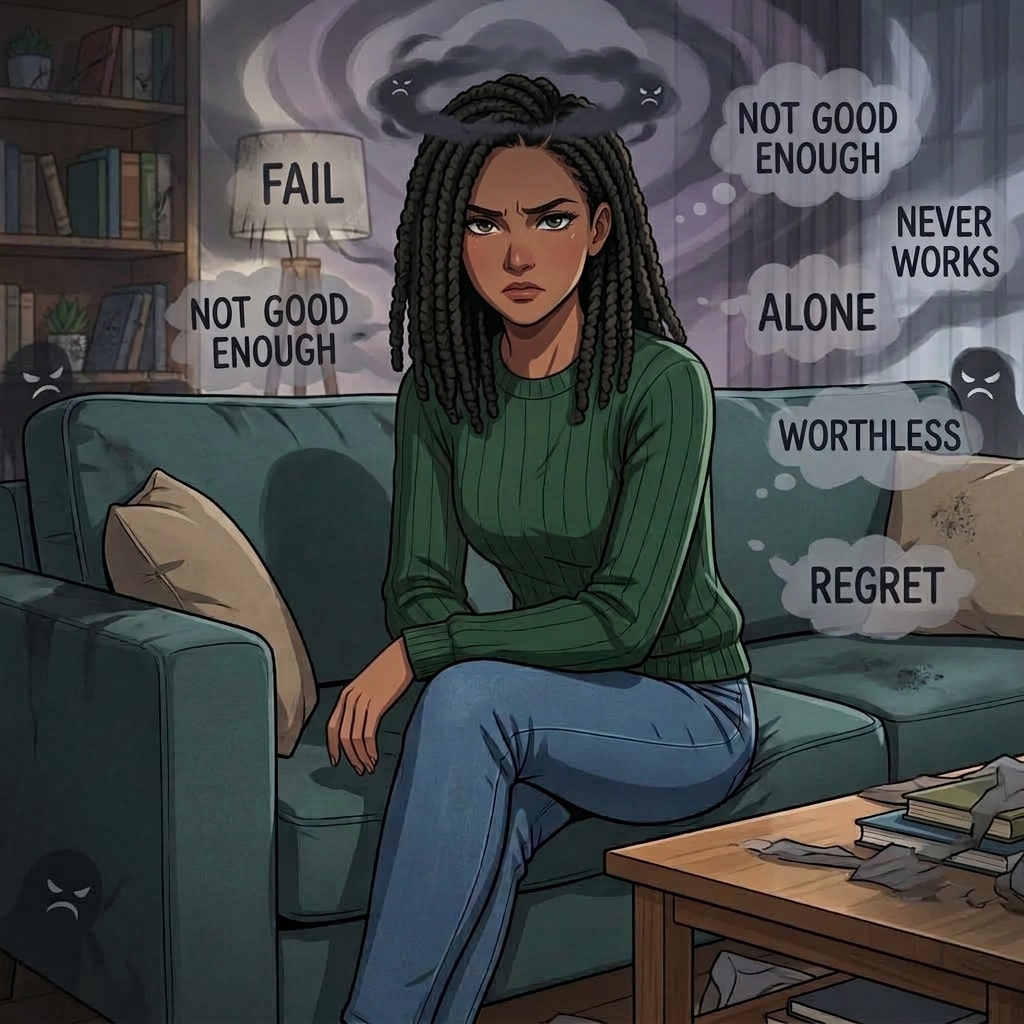
Bad Habits to Address for Better Health & Fitness. An illustration of a young Black woman with long braids, wearing a green sweater and jeans, sitting on a dark grey couch, with an angry and anxious expression. Swirling around her head is a storm of dark, cloud-like thought bubbles containing negative self-talk words: 'FAIL', 'NOT GOOD ENOUGH', 'REGRET', 'ALONE', 'WORTHLESS', and 'NEVER WORKS'. Small, grey, angry-faced cloud entities are also part of the thought storm. She is looking directly and sternly at the viewer. The room is messy, with a bookshelf and a coffee table covered in discarded papers.

  • The Habit: Allowing negative thoughts and surroundings to dictate your daily outlook.
  • The Fix: Shift your focus toward positive influences, supportive friends, and constructive environments that keep you motivated.

2. Excessive Phone and Social Media Screen Time

Bad Habits to Address for Better Health & Fitness. An illustration of three friends sitting together on a couch at night. The person on the right is smiling and scrolling on a lit-up smartphone, while the other two friends to their left are looking at them with looks of concern and slight annoyance. There is a bowl of popcorn and snacks on the coffee table in front of them.

  • The Habit: Spending constant time staring at screens and social feeds.
  • The Fix: Take frequent screen breaks. Focus on face-to-face interactions during meals and social outings to build real-world connections.

3. Remaining in Toxic Relationships

Bad Habits to Address for Better Health & Fitness. An illustration of a diverse group of Black people gathered in a park, with some members looking distressed and covering their faces. In the center, a man and a woman appear to be having a serious, perhaps tense discussion. A thought bubble between them contains text about the negative impact of certain relationship dynamics: "Staying in dynamics that lack emotional support, feature constant conflict, or undermine your confidence." Above the central couple's heads are lightning bolt icons representing conflict.

  • The Habit: Staying in dynamics that lack emotional support, feature constant conflict, or undermine your confidence.
  • The Fix: Set clear boundaries. Relationships should offer mutual support; if a dynamic remains destructive, reevaluate your involvement.

4. Taking Life Too Seriously
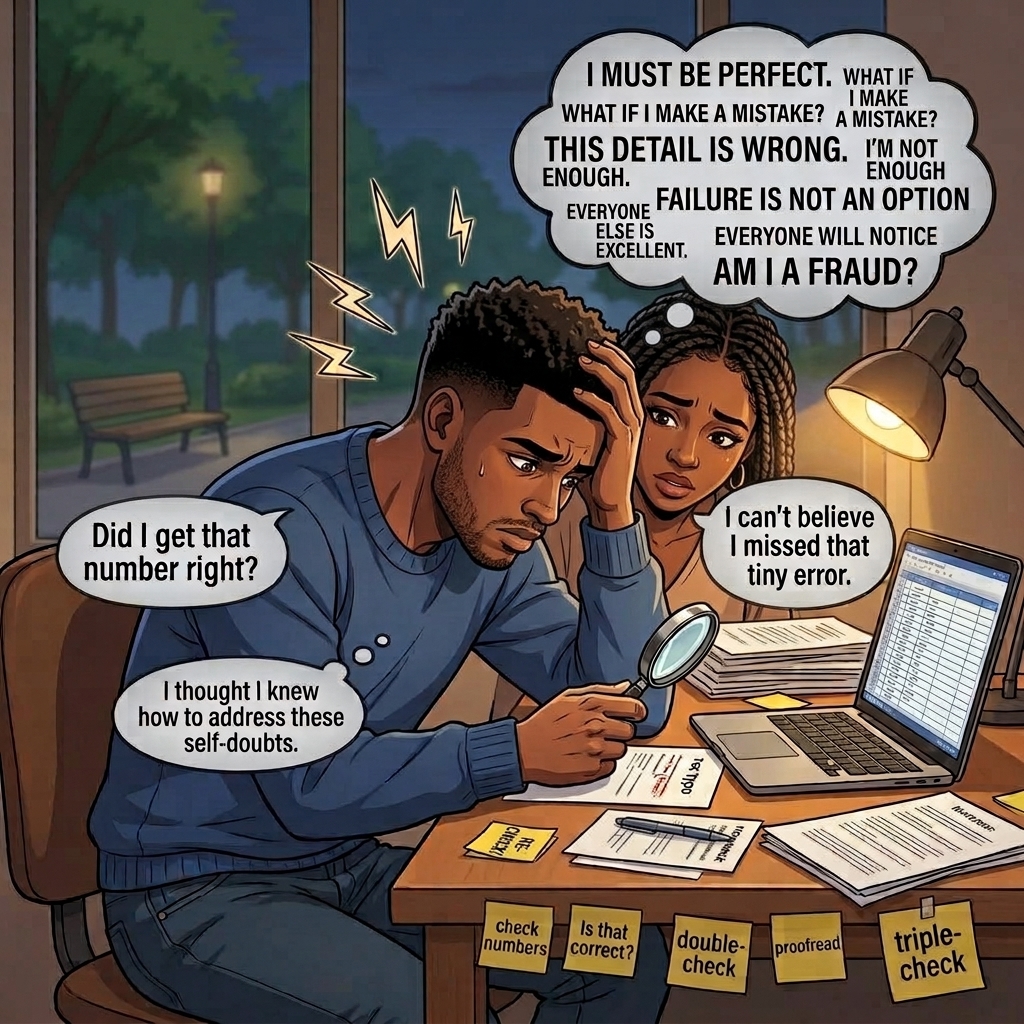
Bad Habits to Address for Better Health & Fitness. A comic-style illustration showing a man and a woman in an office at night, both appearing anxious and stressed while reviewing documents at a desk[cite: 31]. The man, wearing a blue sweater, holds a magnifying glass over papers while gripping his hair with a worried expression, with lightning bolt graphics around his head[cite: 31]. Speech bubbles above him contain phrases like "I MUST BE PERFECT," "FAILURE IS NOT AN OPTION," and "AM I A FRAUD?"[cite: 31]. The woman with braided hair looks on from behind, also concerned. The desk is covered with a laptop displaying a spreadsheet, piles of papers, a lamp, and sticky notes labeled with tasks like "triple-check" and "proofread"[cite: 31]. A window in the background looks out onto a dark park.

  • The Habit: Constantly stressing over minor details, fearing mistakes, or being overly self-critical.
  • The Fix: Shift your perspective. Learn to laugh at minor setbacks and relax your expectations to build mental resilience.

5. Living and Working in Clutter
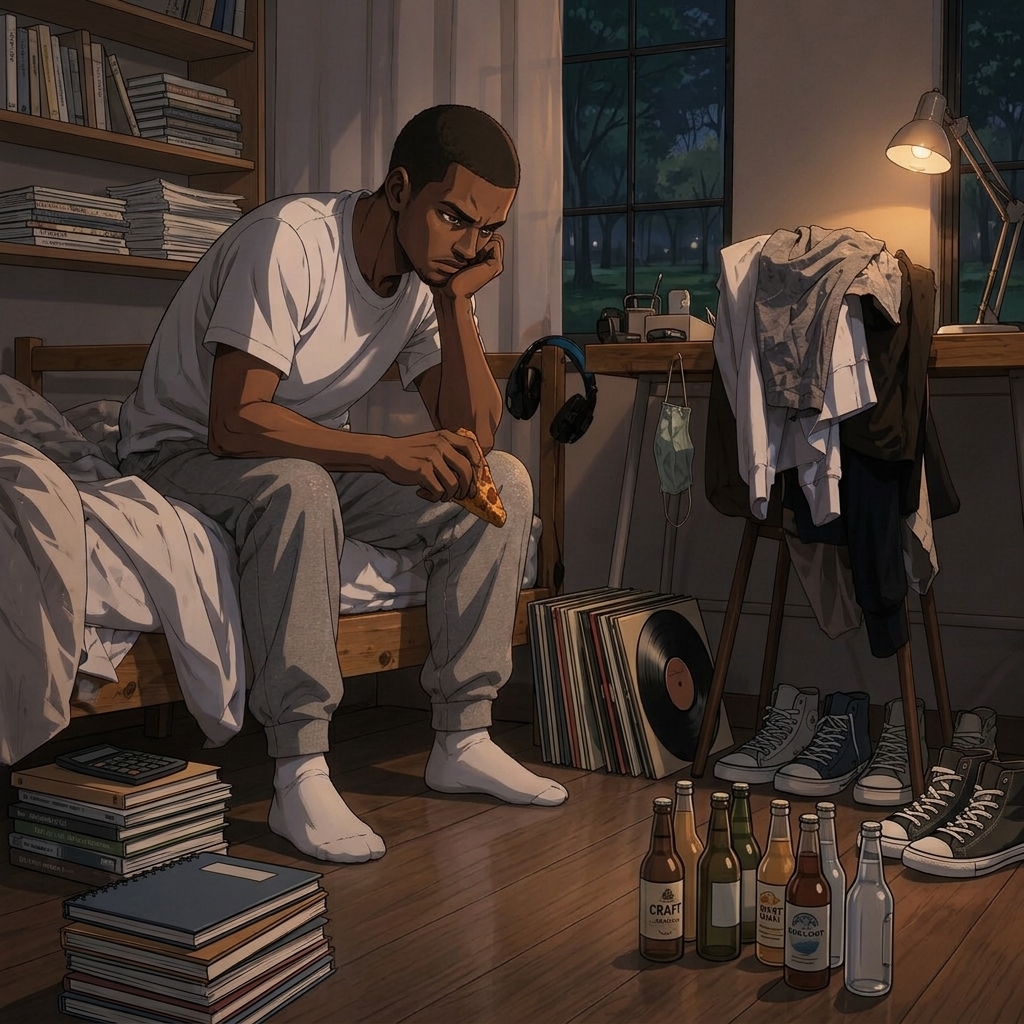
Bad Habits to Address for Better Health & Fitness. An illustration of a young Black man sitting on the edge of his bed in a messy dorm room or bedroom, appearing dejected and deep in thought. He is wearing grey sweatpants and a white t-shirt and holds a single slice of pizza. The room is dimly lit, with warm light from a desk lamp and cool light from a window looking out onto a dark park at night. Bookshelves are packed with books and papers. The wooden floor is cluttered with stacks of vinyl records, several beer and cider bottles (including some labeled 'Craft'), piles of high-top sneakers, stacks of books and notebooks, a calculator, and a pair of headphones hanging on the bed frame. Clothes are draped over a chair, and a disposable mask hangs near the desk.

  • The Habit: Allowing physical living and working spaces to become messy and chaotic.
  • The Fix: Declutter your environment. Organizing your physical space clears mental overhead and makes daily scheduling much smoother.

6. Relying Exclusively on Online Interaction

Bad Habits to Address for Better Health & Fitness. A comic illustration shows a smiling Black woman with braids sitting at a desk and looking at a phone that has hearts around it. She has one hand to her head, with a joyful, flushed expression. Behind her, another Black woman with an afro stands and looks on with a worried, sweating expression. A thought bubble above the smiling woman contains text about an online love, including "WE ARE DESTINED TO BE TOGETHER" and "SOMEDAY WE WILL MEET." The desk has a laptop displaying a dating profile, and a window in the background shows a park at night.

  • The Habit: Replacing in-person relationships entirely with digital communication.
  • The Fix: Prioritize regular, face-to-face contact. Virtual interactions are convenient, but real-world connections are necessary for long-term emotional health.

7. Letting Setbacks Stop Your Progress
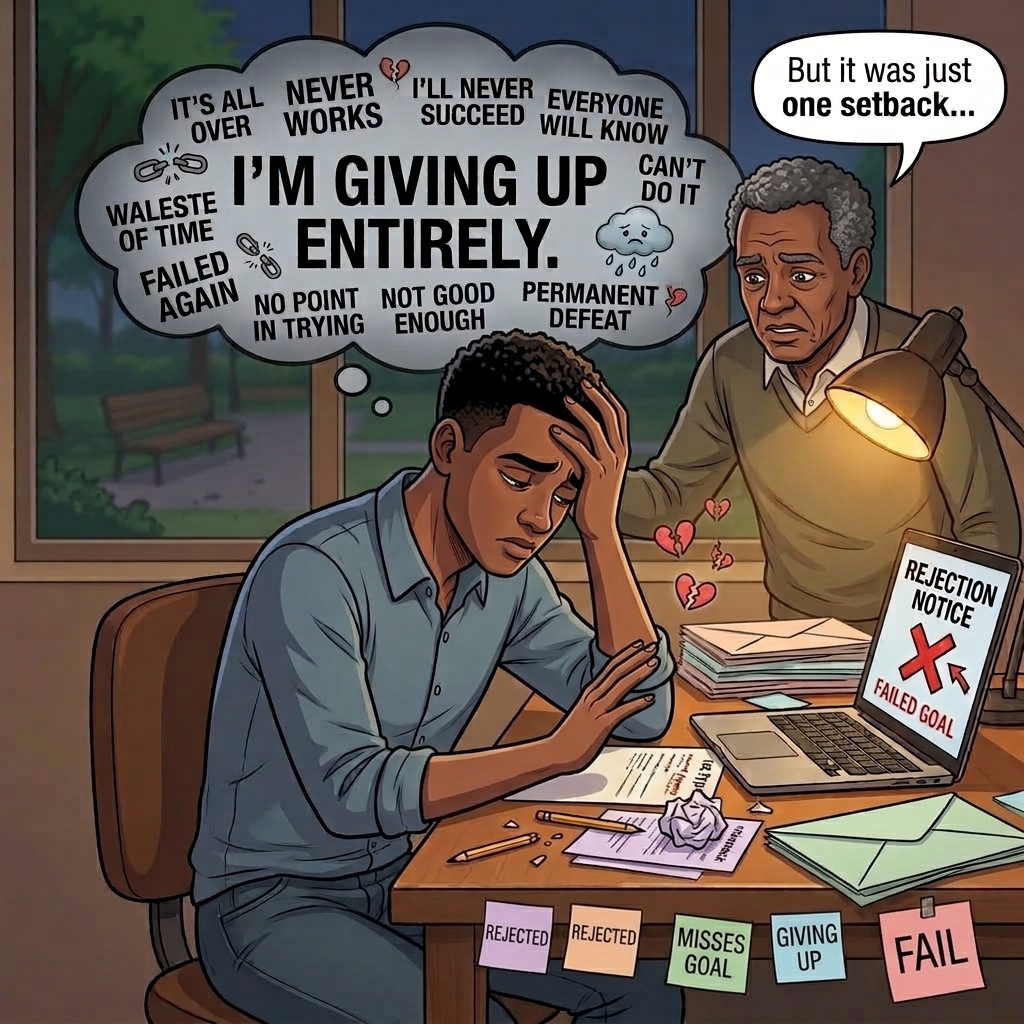
Bad Habits to Address for Better Health & Fitness. An illustration of a young Black man sitting at a desk with his head in his hand, looking overwhelmed by a laptop displaying a rejection notice. A dark thought bubble above him is filled with phrases like "I'M GIVING UP ENTIRELY," "FAILED AGAIN," and "PERMANENT DEFEAT". Standing behind him, a older Black man looks concerned and says in a speech bubble, "But it was just one setback...". Pastel sticky notes labeled "REJECTED," "MISSES GOAL," "GIVING UP," and "FAIL" are attached to the front of the desk.

  • The Habit: Viewing a temporary failure or missed goal as a reason to give up entirely.
  • The Fix: Treat setbacks as learning feedback. Adjust your approach, refine your plan, and keep taking forward steps.

8. Struggling to Clear Your Mind
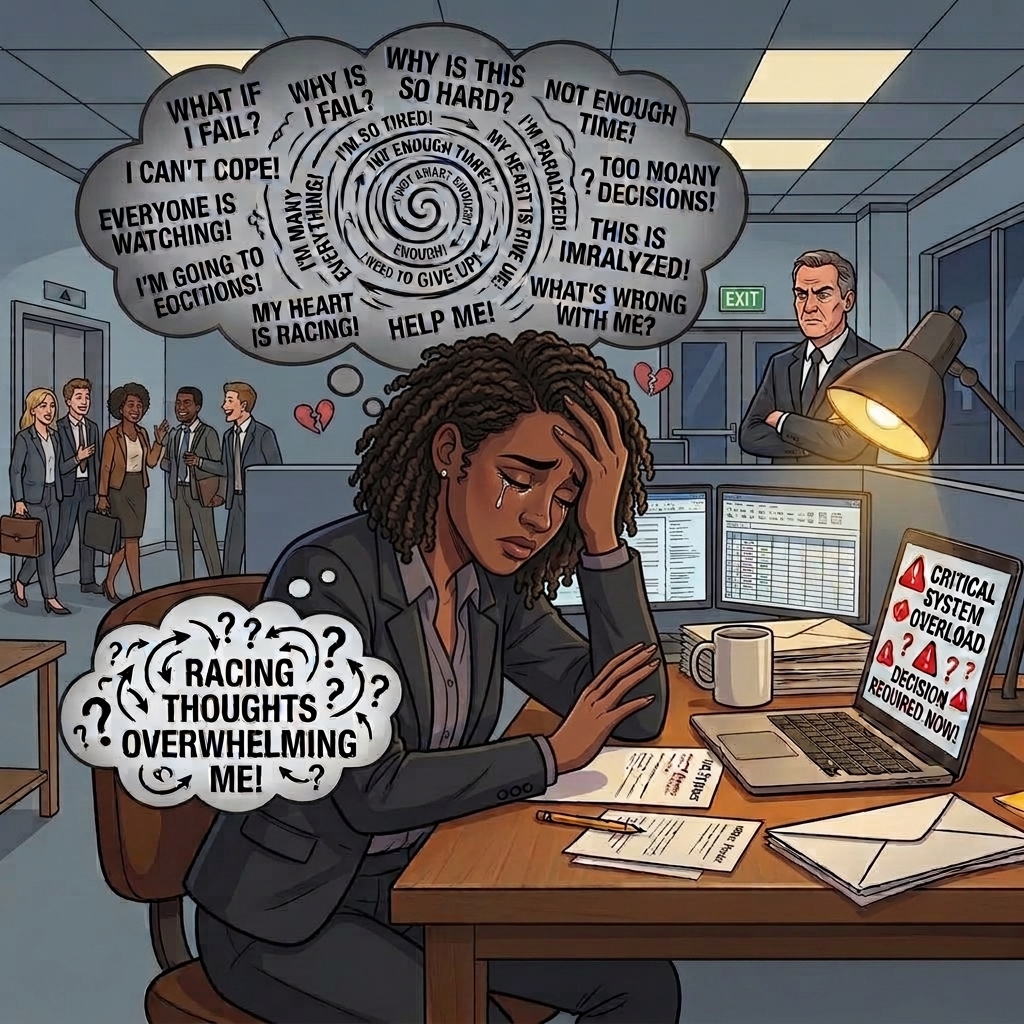
Bad Habits to Address for Better Health & Fitness. A comic-style illustration shows a Black woman with dreadlocks and a business suit sitting at a desk, crying with her hand to her head. A large dark grey thought bubble above her head is filled with various phrases about work stress, such as "WHAT IF I FAIL?", "TOO MANY DECISIONS!", and "CRITICAL SYSTEM OVERLOAD." She is surrounded by multiple computer screens, a laptop with error messages, a strict-looking male boss standing in the background, and other smiling coworkers in the distance. The overall image represents work-related anxiety and burnout.

  • The Habit: Allowing racing thoughts and stress to overwhelm you during challenging moments.
  • The Fix: Practice simple mindfulness or quiet reflection daily to help process stress and uncover clear solutions.

9. Neglecting Quality Sleep
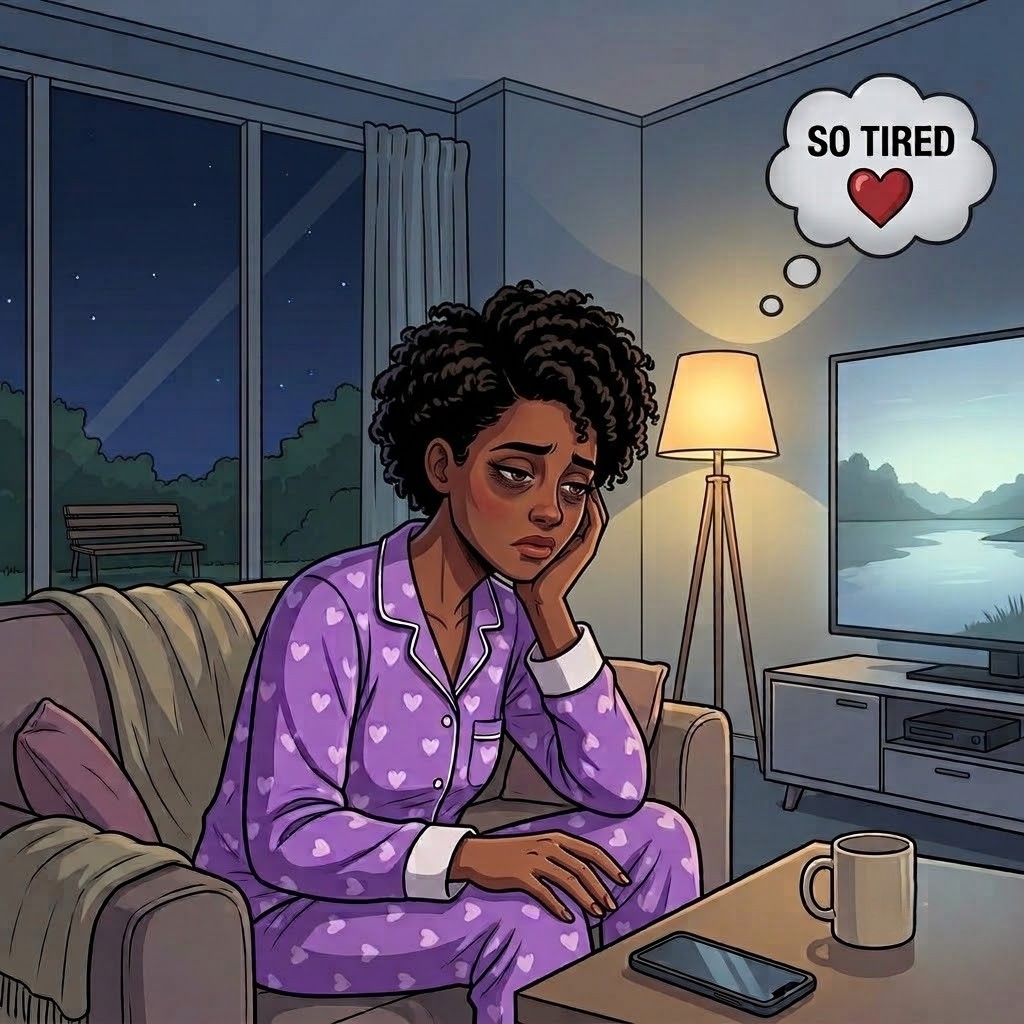
Bad Habits to Address for Better Health & Fitness. An illustration of a tired young Black woman with an afro sitting on a sofa in a purple heart-patterned pajama set at night. She has dark circles under her eyes and holds her head in her hand with a sad expression. A thought bubble above her head contains the text "SO TIRED" and a small heart icon. She is in a living room with a bright floor lamp, a television displaying a peaceful lake scene, a coffee table with a mug and phone, and a large window looking out onto a dark park.

  • The Habit: Chronically shortchanging your sleep hours.
  • The Fix: Establish a regular sleep routine. Keep pre-bed meals light, limit late caffeine intake, and maintain a comfortable sleeping environment.

10. Operating Without a Personal Budget

Bad Habits to Address for Better Health & Fitness. An illustration of a woman in a white blazer handing a credit card to a store clerk at a Barney's New York counter. The woman holds shopping bags, and a long receipt is visible on the counter. The background shows shelves filled with designer handbags.

  • The Habit: Managing personal finances without tracking spending or planning ahead.
  • The Fix: Take regular inventory of expenses, track your cash flow, and avoid impulse purchases to reduce unnecessary stress.

11. Neglecting Physical Activity
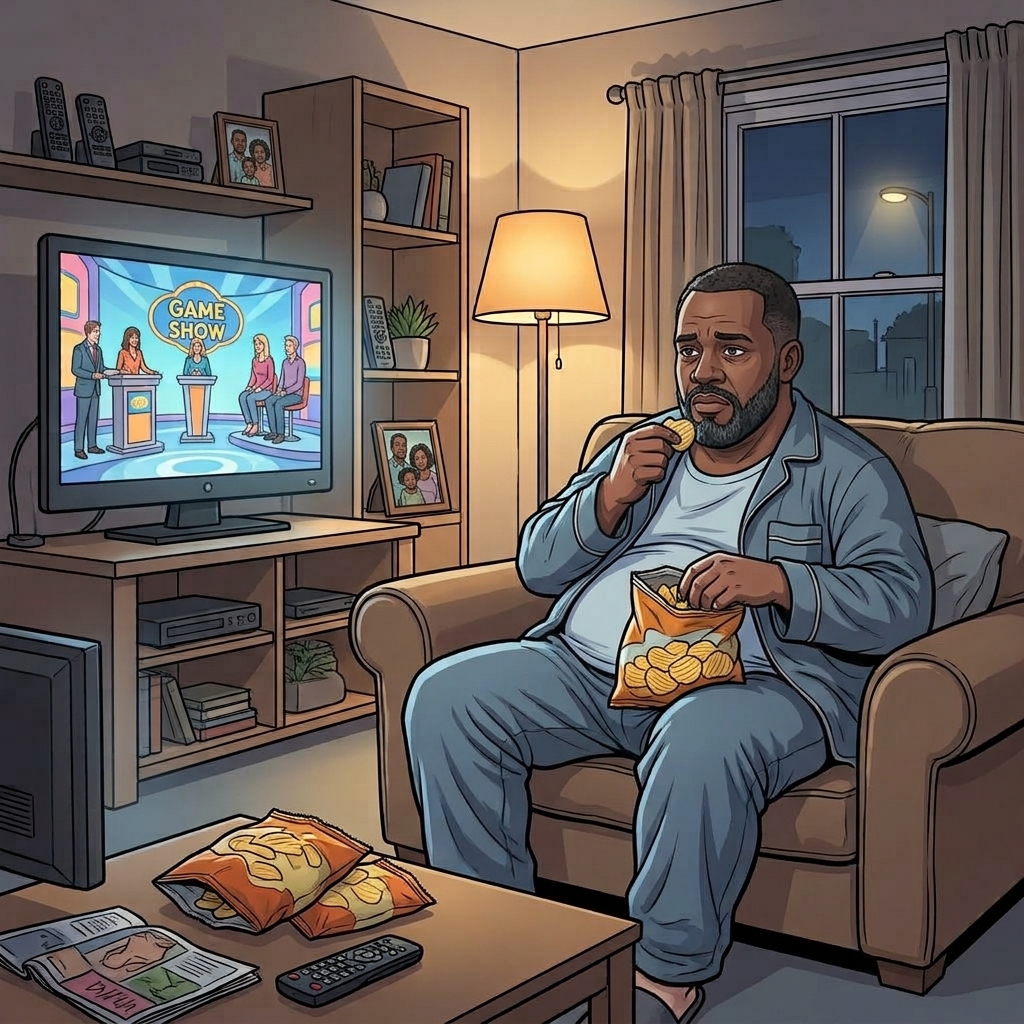
Bad Habits to Address for Better Health & Fitness. An obese Black man in clean blue pajamas sitting on a armchair in a living room at night, eating potato chips while looking at a TV screen, in a clean comic-book illustration style.

  • The Habit: Sitting for extended periods and skipping regular exercise.
  • The Fix: Incorporate structured movement into your week. Consistent physical activity supports cardiovascular health, joint mobility, and mental well-being.

References & Sources

  1. National Institutes of Health (NIH): Physical Activity and Mental Health Interventions
  2. Harvard Health Publishing: Sleep and Mental Health: Essential Recovery Patterns

Medical Disclaimer: This article is for educational and informational purposes only and does not constitute medical advice. Always consult a physician or certified fitness professional before beginning a new exercise program.