High impact training has its place, but it’s not the only path to a strong heart and durable joints. Running produces roughly 2.0–2.9× body weight impact per foot strike, repeated thousands of times in a single session. That’s a lot of load for ankles, knees, and hips. You may need more joint friendly-conditioning.
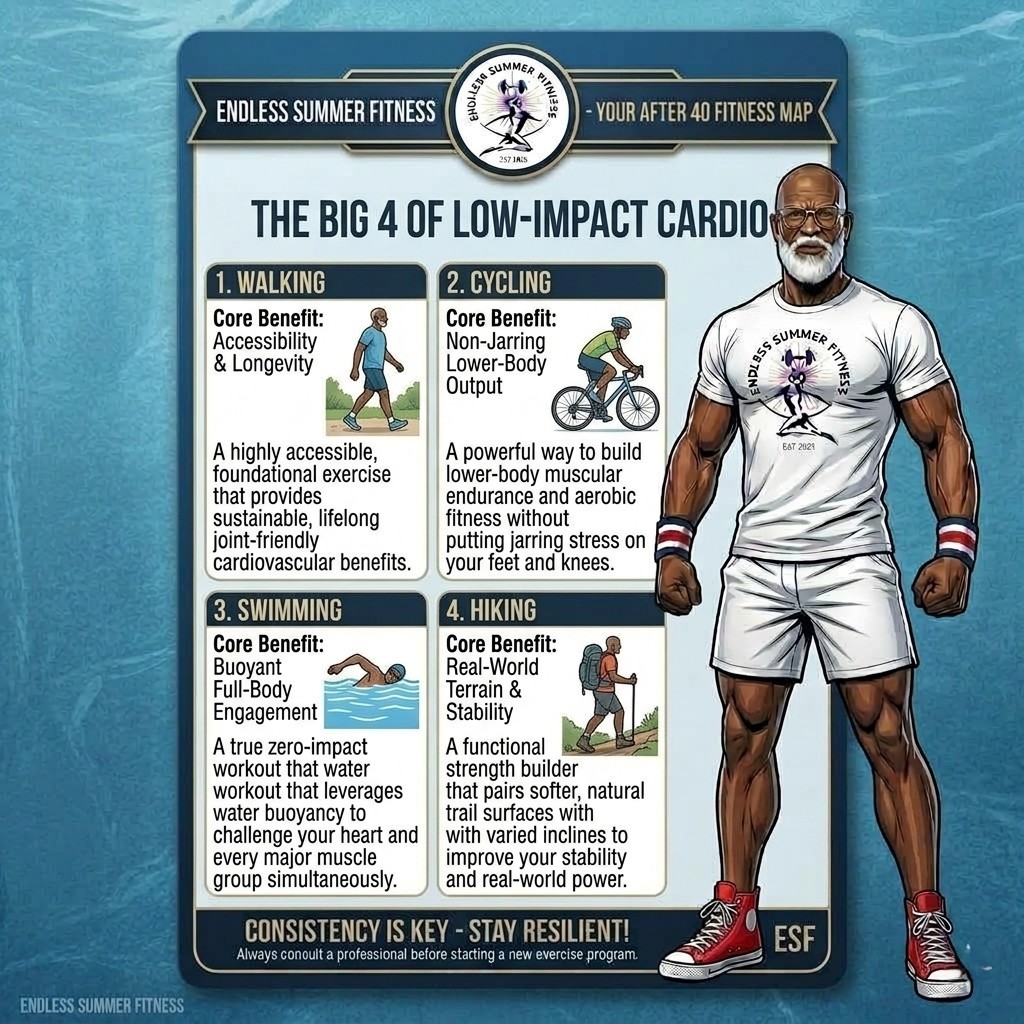
Low impact conditioning flips the script. You still drive your heart rate high, but you avoid the repetitive shock that grinds down cartilage over time. Walking, cycling, swimming, and hiking form a reliable foundation for building aerobic capacity without beating up your joints.
Below is the breakdown, direct, biomechanically accurate, and built for adults over 40 who want athletic conditioning without unnecessary wear and tear.
1. Walking: Your Lifetime Aerobic Anchor
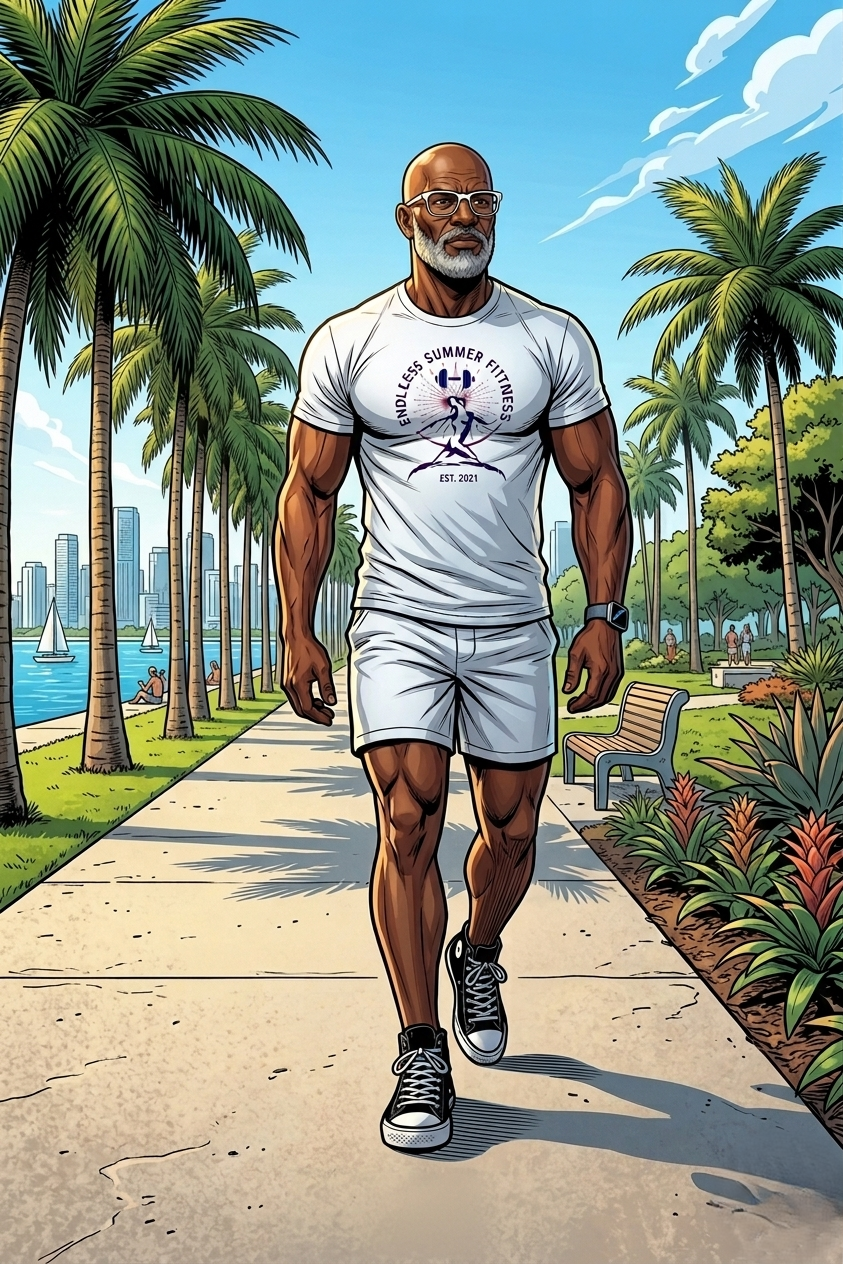
Walking keeps one foot on the ground at all times, which caps impact forces at roughly 1.0–1.5× body weight. That’s a massive reduction compared to running. Even better, walking carries an extremely low injury rate, 0.03 injuries per 100,000 participants per year
A brisk pace (3–4 mph) lands you in the moderate intensity zone, enough to improve blood pressure, circulation, and daily energy. It’s also the easiest way to accumulate low-intensity steady state training (LISS) volume without draining recovery.
Technique cue: Increase cadence, not stride length. Shorter, quicker steps reduce knee shear and keep your joints happy.
2. Cycling: Zero Impact Lower Body Output
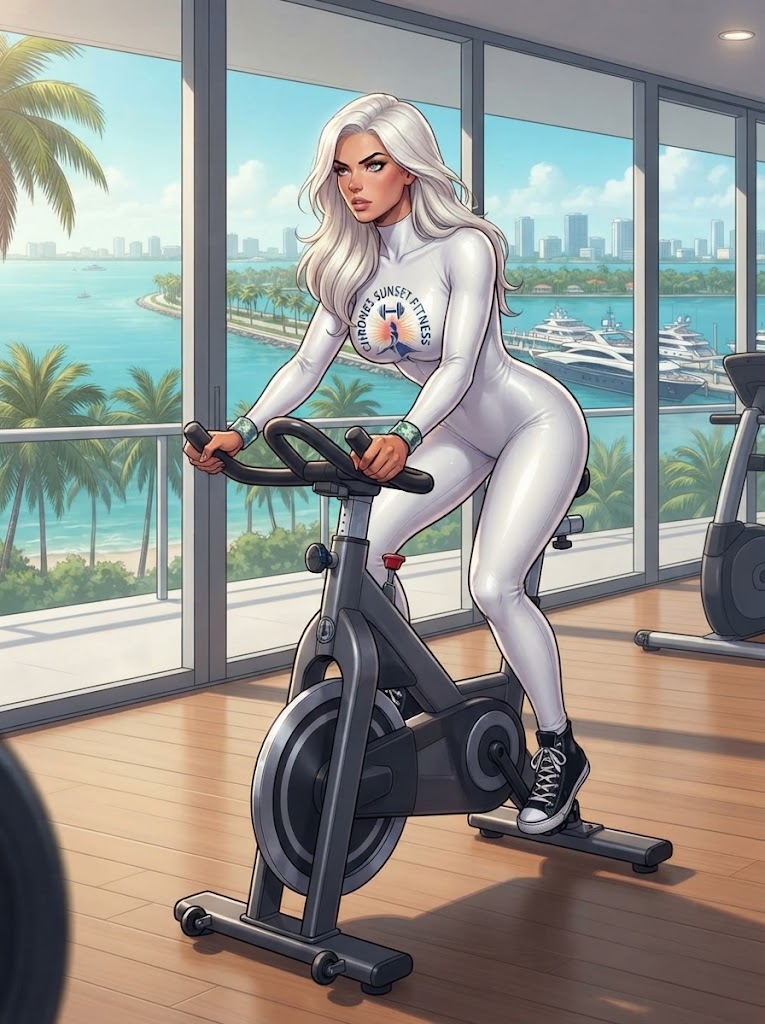
Cycling eliminates ground reaction forces entirely. Your saddle supports your weight, and your legs move through a smooth, closed chain pattern. This makes cycling a top choice for anyone managing knee or hip sensitivity.
Stationary or outdoor cycling can hit 6–11 METs depending on effort, plenty high for serious conditioning. You’ll build endurance in your quads, hamstrings, and glutes without compressive joint stress.
Technique cue: Aim for 80–90 RPM. Grinding at low cadence with heavy resistance spikes patellofemoral pressure.
3. Swimming: Full Body Work Without Gravity
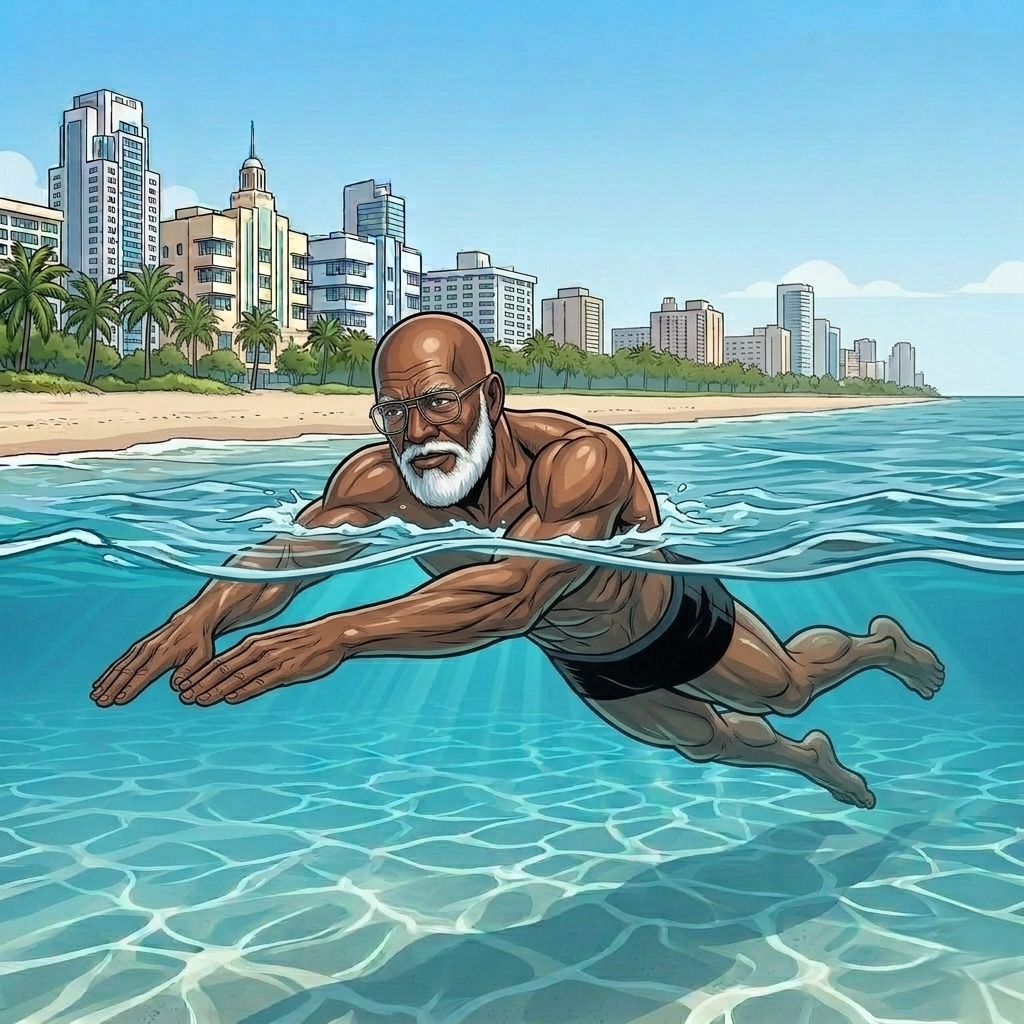
Water supports up to 90% of your body weight when submerged to chest depth . That buoyancy slashes joint loading and makes swimming one of the most forgiving conditioning tools available.
Swimming can reach 10× resting metabolic rate at higher intensities, rivaling running without the impact. The hydrostatic pressure also improves circulation and reduces swelling and provides a built-in recovery boost.
Technique cue: Use long, controlled strokes. If breath timing disrupts your rhythm, a swim snorkel lets you maintain alignment and focus on pacing.
4. Hiking: Natural Terrain for Real World Strength
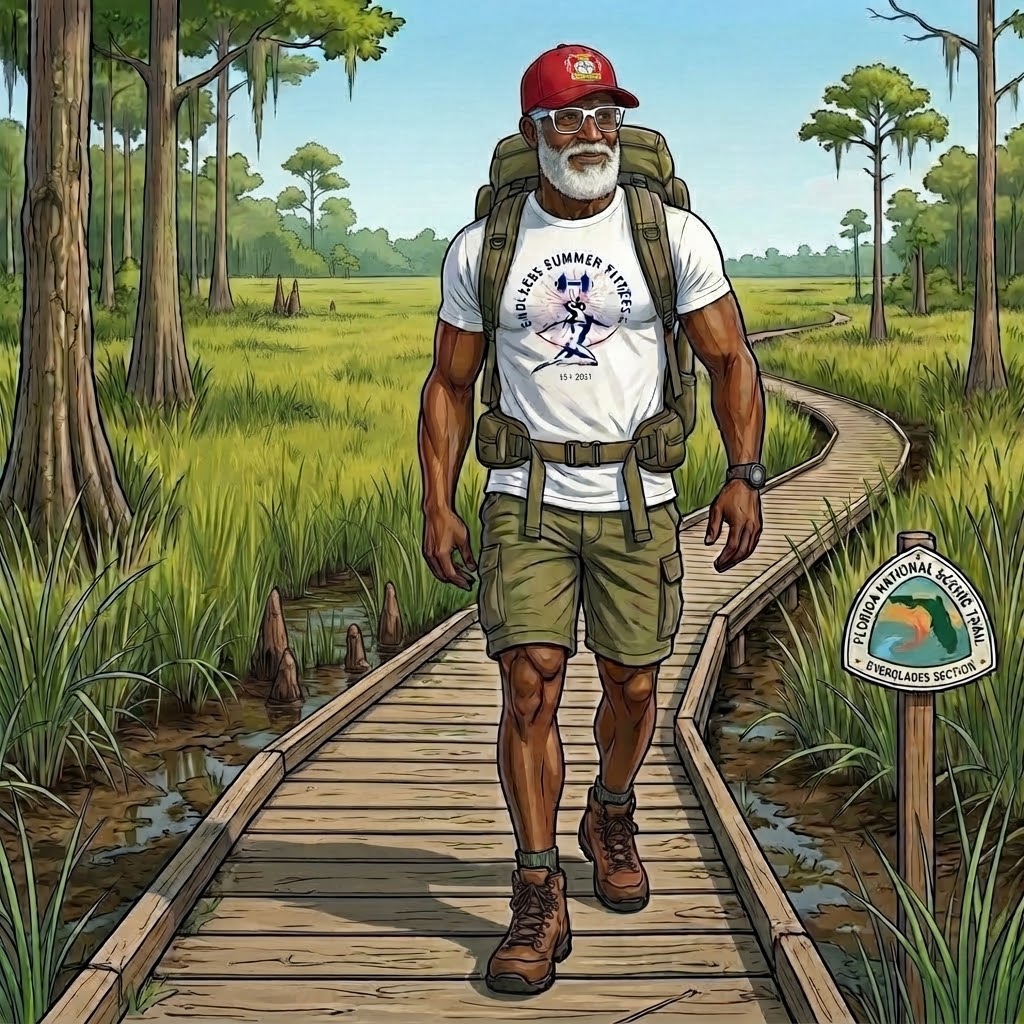
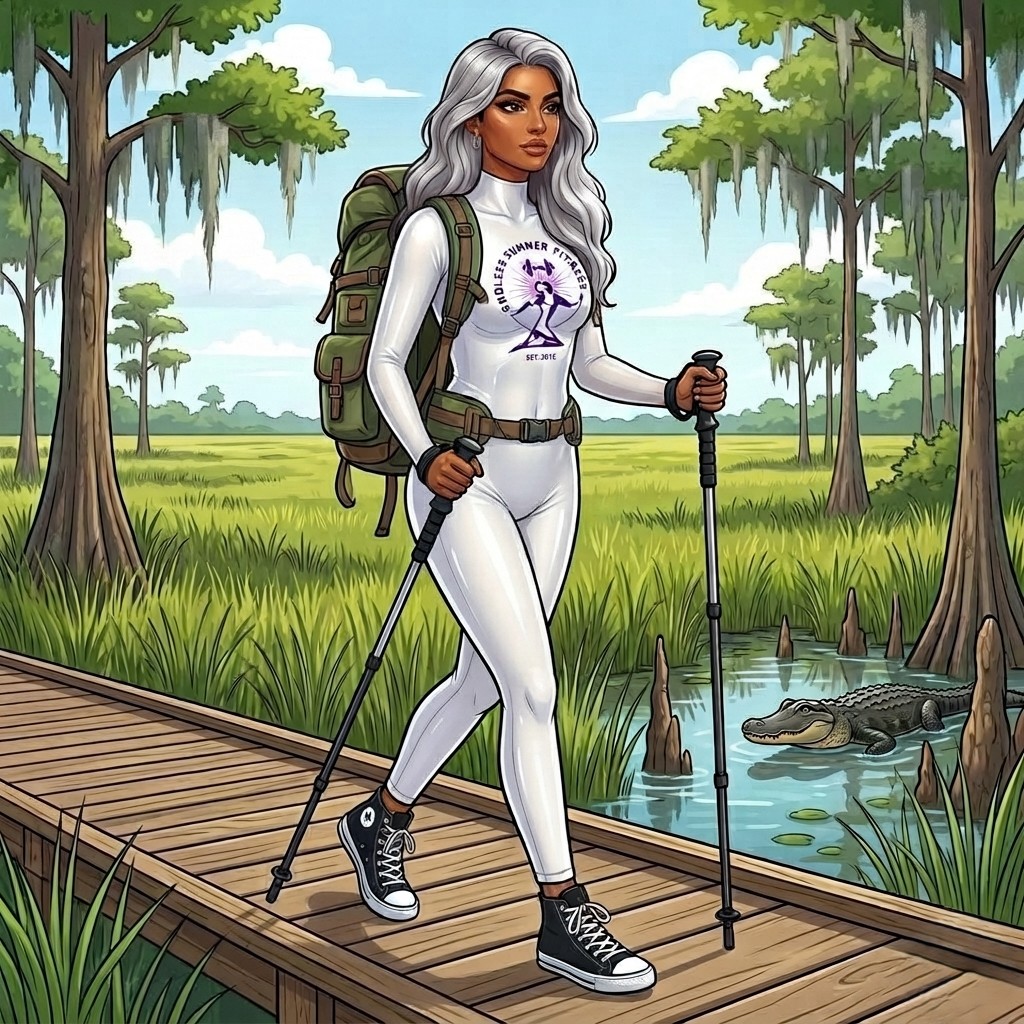
Hiking is walking with added challenge. Uneven terrain forces your stabilizers to work harder, especially around the ankles and hips. Inclines elevate cardiovascular demand without the speed driven impact of running.
Because one-foot stays grounded, hiking remains low impact while delivering meaningful aerobic and muscular benefits. It’s also mentally refreshing, which is a bonus for long term consistency.
Technique cue: Trekking poles help distribute braking forces on descents, reducing knee and lower back strain.
Designing Your Low Impact Week
Blend these four modalities. Rotate them. Use them to fill recovery days or anchor your conditioning blocks. Low impact training gives you a wide intensity range, from gentle movement days to high output aerobic sessions, without the cumulative joint stress of high impact work.
Build an Athletic Body Over 40 by stacking joint friendly conditioning with smart strength work. Your heart, lungs, and connective tissue will thank you.
Medical Disclaimer: This article is for educational and informational purposes only and does not constitute medical advice. Always consult a physician or certified fitness professional before beginning a new exercise program, especially if you have pre-existing conditions.