
How to Improve Balance After 40: Proven Drills That Build Stability
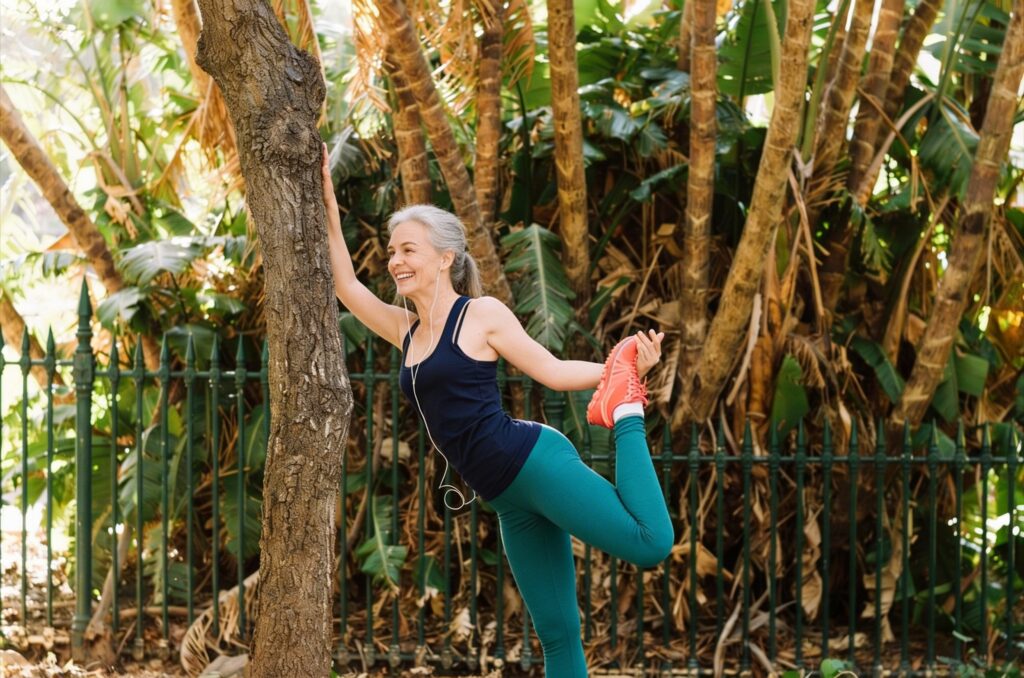
Learning how to improve balance after 40 is one of the smartest things you can do for long-term strength, mobility, and confidence. Balance naturally changes with age, but the right drills can rebuild stability quickly. This guide gives you simple techniques, hybrid fitness strategies, and a full progression matrix you can follow at any level.
Why Balance Changes After 40 — And Why You Can Fix It
Your body becomes slightly less reactive as you move through your 40s. Muscles tighten, joints lose mobility, and your nervous system slows down just a bit. Even so, these changes are not permanent. With consistent training, you can restore stability, strengthen your core, and improve coordination.
Hybrid fitness is especially effective because it blends strength, endurance, mobility, and functional movement. This combination trains your body to stay steady during everyday tasks like walking, lifting, and changing direction.
Benefits of Training to Improve Balance After 40
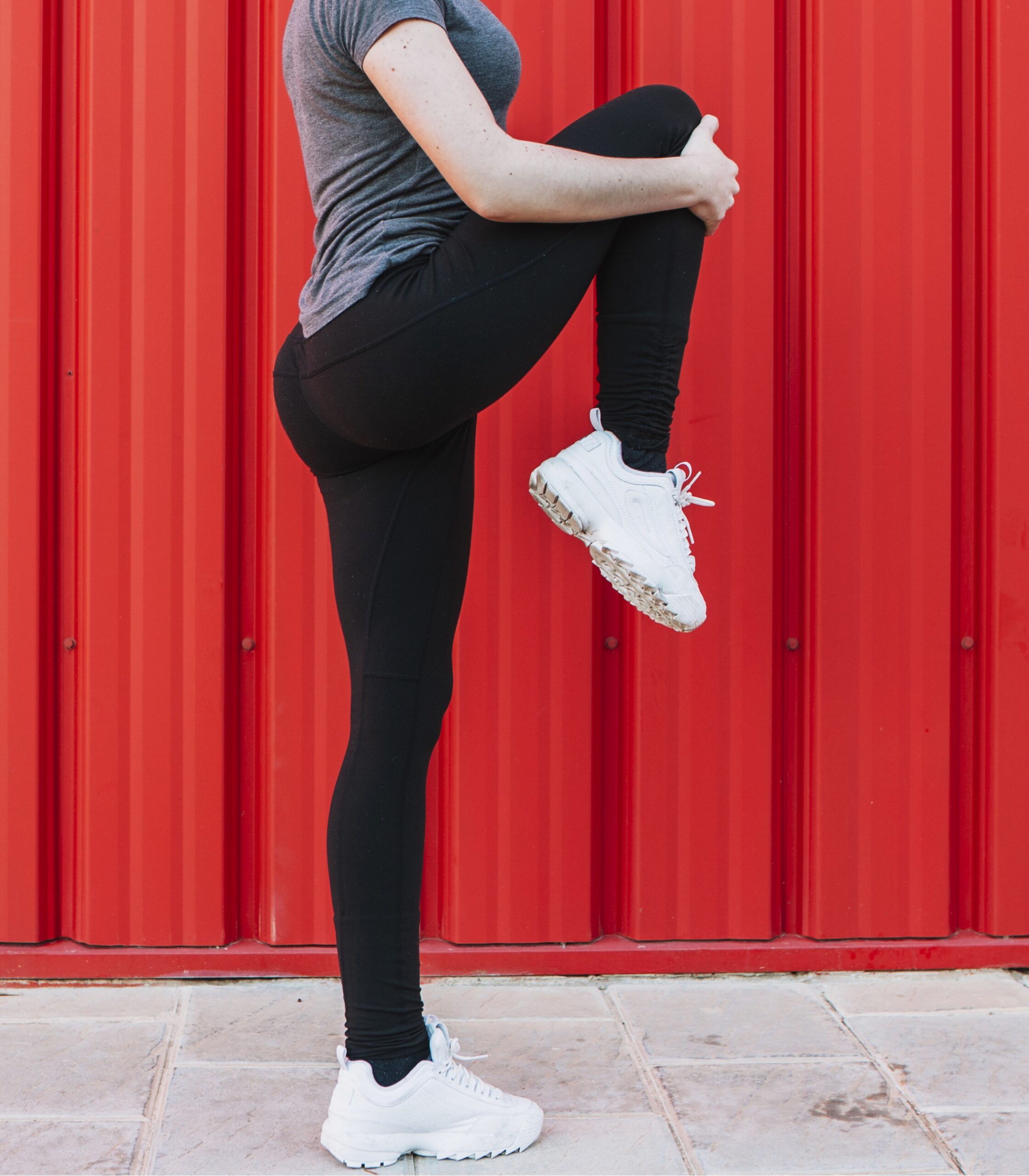
Improving balance after 40 does far more than prevent falls. It also:
- Strengthens your hips, core, and ankles
- Improves posture and joint alignment
- Boosts coordination and reaction time
- Supports hybrid-fitness goals like strength + endurance
- Helps you move with confidence in daily life
These benefits build over time, and even small drills can create noticeable improvements.
Best Drills to Improve Balance After 40
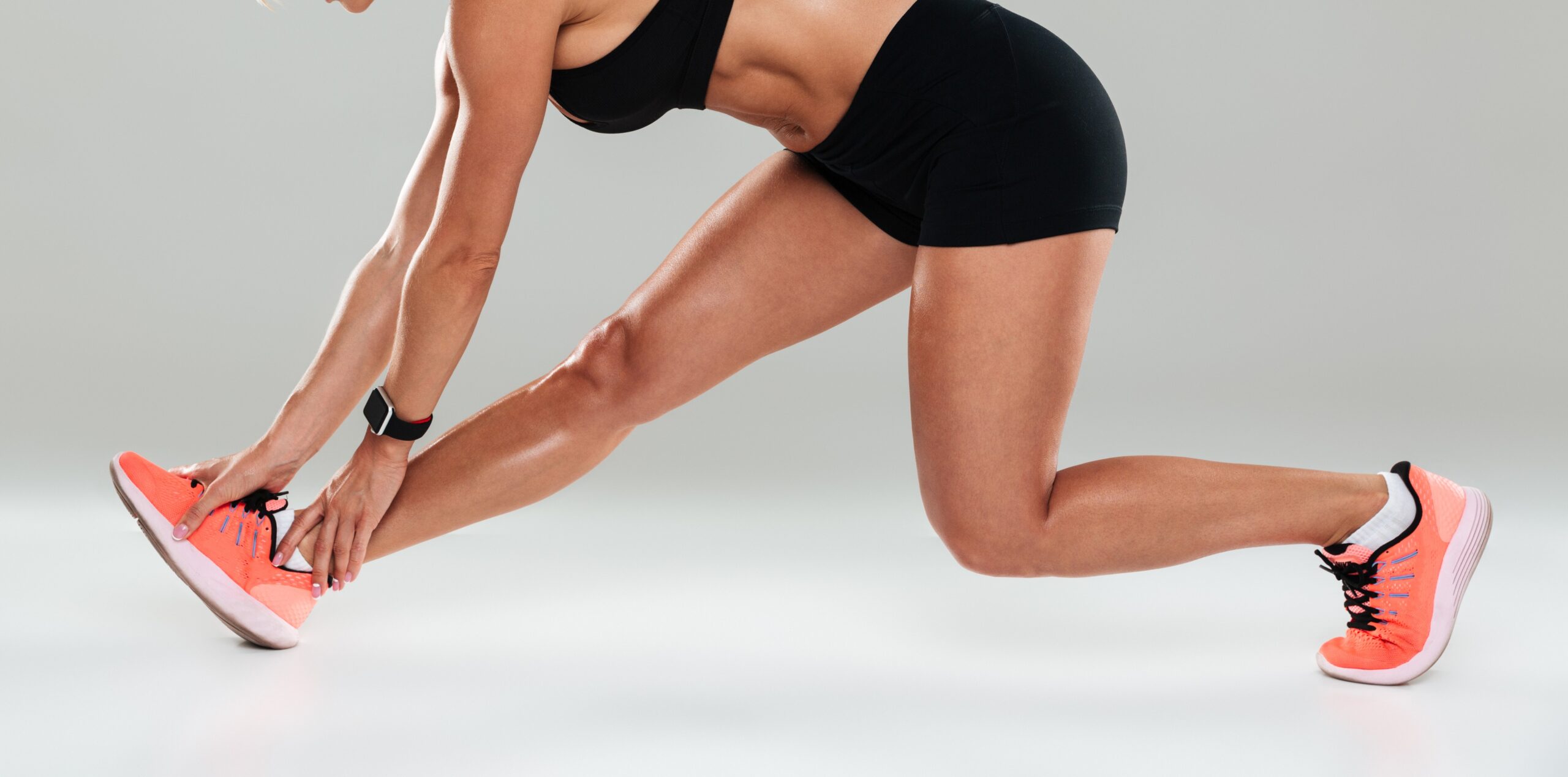
These simple drills help you build stability without equipment. They also prepare your body for hybrid-fitness training.
Single‑Leg Stand (Eyes Open)
Stand tall and lift one foot off the ground. Hold for 20–30 seconds.
Muscles: glutes, quads, calves
Stabilizers: core, ankle stabilizers
Heel‑to‑Toe Walk
Walk in a straight line, placing your heel directly in front of your toes.
Muscles: calves, tibialis anterior
Stabilizers: hips, core
Hip Airplane (Assisted)
Hold a wall and hinge forward on one leg. Rotate your hips open and closed.
Muscles: glute medius, hamstrings
Stabilizers: core, lower back
These drills help you improve balance after 40 by strengthening the muscles that keep you upright and steady.
Hybrid Fitness Strategies to Improve Balance After 40
Hybrid fitness blends strength and endurance, which is ideal for stability training. Because balance depends on both muscular control and cardiovascular efficiency, this approach helps you move better in real-life situations.
-
Strength + Stability Pairings
Pair a strength move with a balance drill.
Example:
- Dumbbell deadlift → Single‑leg balance hold
-
Endurance + Coordination Work
Add walking intervals, stairs, or light jogging to improve rhythm and body control.
-
Mobility + Core Integration
Use dynamic mobility drills to improve joint range of motion before strength work. This combination helps you improve balance after 40 in a sustainable, functional way.
The Progression Matrix — Improve Balance After 40 (Beginner → Elite)
This section includes the full addendum with detailed exercise instructions.
Use 3–4 sets per exercise.
Use 12–15 reps for endurance and 8–12 reps for strength.
Rest 45–75 seconds between exercises.
Beginner Level
Definition: New to training or returning after a long break.
Goal: Build foundational strength, mobility, and stability.
-
Chair Sit‑to‑Stand
How to do it: Sit tall, feet under knees. Stand up by pressing through your heels, then slowly sit back down.
Muscles: quads, glutes
Stabilizers: core
Cues: Keep chest lifted; control the descent.
-
Assisted Single‑Leg Balance (Wall Support)
How to do it: Lightly touch a wall. Lift one foot and hold. Switch legs.
Muscles: calves, glute medius
Stabilizers: ankle stabilizers, core
Cues: Focus on a fixed point; reduce wall pressure over time.
-
Band Row (Light Resistance)
How to do it: Pull a band toward your ribs, squeeze your shoulder blades, and return slowly.
Muscles: upper back, biceps
Stabilizers: core
Cues: Keep ribs stacked; pull with your back.
-
Marching in Place
How to do it: Lift one knee to hip height, lower, switch sides.
Muscles: hip flexors, quads
Stabilizers: trunk stabilizers
Cues: Stay tall; land softly.
Intermediate Level
Definition: Comfortable with basic movement patterns.
Goal: Build unilateral strength and dynamic stability.
-
Single‑Leg Deadlift (Bodyweight)
How to do it: Stand on one leg, hinge at the hips, reach hands toward the floor, return to standing.
Muscles: hamstrings, glutes
Stabilizers: core, ankle
Cues: Keep your back flat; move slowly.
-
Step‑Up to Balance (Low Box)
How to do it: Step onto a box, drive opposite knee up, pause, step down.
Muscles: quads, glutes
Stabilizers: hips, ankles
Cues: Avoid pushing off the back leg; pause at the top.
-
Kettlebell Goblet Squat (Light)
How to do it: Hold a kettlebell at chest height, squat down, stand tall.
Muscles: quads, glutes
Stabilizers: core
Cues: Knees track over toes; chest proud.
-
Lateral Band Walks
How to do it: Step sideways with a loop band, keeping tension.
Muscles: glute medius
Stabilizers: hips
Cues: Stay low; don’t let feet snap together.
Advanced Level
Definition: Strong foundation with good control.
Goal: Add load, complexity, and dynamic balance.
-
Single‑Leg Deadlift (Dumbbells)
How to do it: Hold dumbbells, hinge on one leg, return to standing.
Muscles: hamstrings, glutes
Stabilizers: core, lower back
Cues: Keep weights close; reach hips back.
-
Reverse Lunge to Knee Drive
How to do it: Step back, lower into a lunge, drive the knee up as you stand.
Muscles: quads, glutes
Stabilizers: core, hips
Cues: Pause at the top; keep front knee aligned.
-
Kettlebell Swing (Light–Moderate)
How to do it: Hinge, hike the bell, drive hips forward to swing.
Muscles: posterior chain
Stabilizers: core
Cues: Use hips, not arms.
-
Box Step‑Downs
How to do it: Stand on a box, lower one foot toward the floor, and return to the top.
Muscles: quads
Stabilizers: hips, ankles
Cues: Control the descent; keep hips level.
Elite Level
Definition: High control, strength, and coordination.
Goal: Blend power, agility, and hybrid‑fitness conditioning.
-
Plyometric Lateral Bounds
How to do it: Jump sideways from one leg to the other, land softly, stabilize.
Muscles: glutes, quads
Stabilizers: hips, core
Cues: Stick the landing; stay quiet on impact.
-
Single‑Leg Box Squat
How to do it: Lower to a box on one leg, lightly touch, and stand back up.
Muscles: quads, glutes
Stabilizers: ankle stabilizers
Cues: Use arms for balance; control the descent.
-
Kettlebell Clean + Press
How to do it: Clean the kettlebell to the rack position, press overhead, return.
Muscles: shoulders, glutes
Stabilizers: trunk
Cues: Keep bell close; brace before pressing.
-
Stair Run Intervals
How to do it: Run or power‑walk up stairs, walk down to recover.
Muscles: calves, quads
Stabilizers: hips, core
Cues: Quick steps; upright posture.
Calls to Action
- Read next: Beginner Mobility Routine to Reduce Stiffness: Hybrid Guide
- Also read: How to Start Working Out After 40: Safe, Beginner-Friendly Guide for Real Results
Summary
Training to improve balance after 40 is one of the most effective ways to stay strong, confident, and mobile as you age. Because balance depends on strength, endurance, and coordination, hybrid fitness offers a comprehensive approach that translates to real-world results.
These drills help you build stability from the ground up. As you move through the progression matrix, your hips, core, and ankles become stronger and more responsive. This makes everyday movement easier and reduces your risk of falls or injuries.
Consistency matters more than intensity. Even a few minutes a day can create meaningful improvements. With the right mix of strength, mobility, and endurance, you can maintain balance and stability well into your 40s, 50s, and beyond.
Hybrid fitness keeps your training fun, flexible, and functional—exactly what your body needs as you age.
FAQs
- How long does it take to improve balance after 40?
Most people notice improvements within 2-4 weeks with consistent practice.
- Do I need equipment to improve balance?
No. Bodyweight drills are enough to start, and equipment can be added later.
- Can walking improve balance?
Yes. Walking strengthens your legs, improves coordination, and boosts endurance.
- How often should I train balance?
Aim for 3-5 short sessions per week for best results.
- Is balance training safe for beginners?
Yes. Start with supported drills and progress slowly.
- What muscles help with balance the most?
Your core, hips, and ankles play the biggest role.
Disclosure
This article provides general fitness information and is not a substitute for medical advice. Consult a qualified professional before starting any new exercise program.