
Endless Summer Fitness provides workout tips for fitness beginners, weekend warriors, post-physical therapy individuals, men and women in middle life, and anyone seeking fitness results.
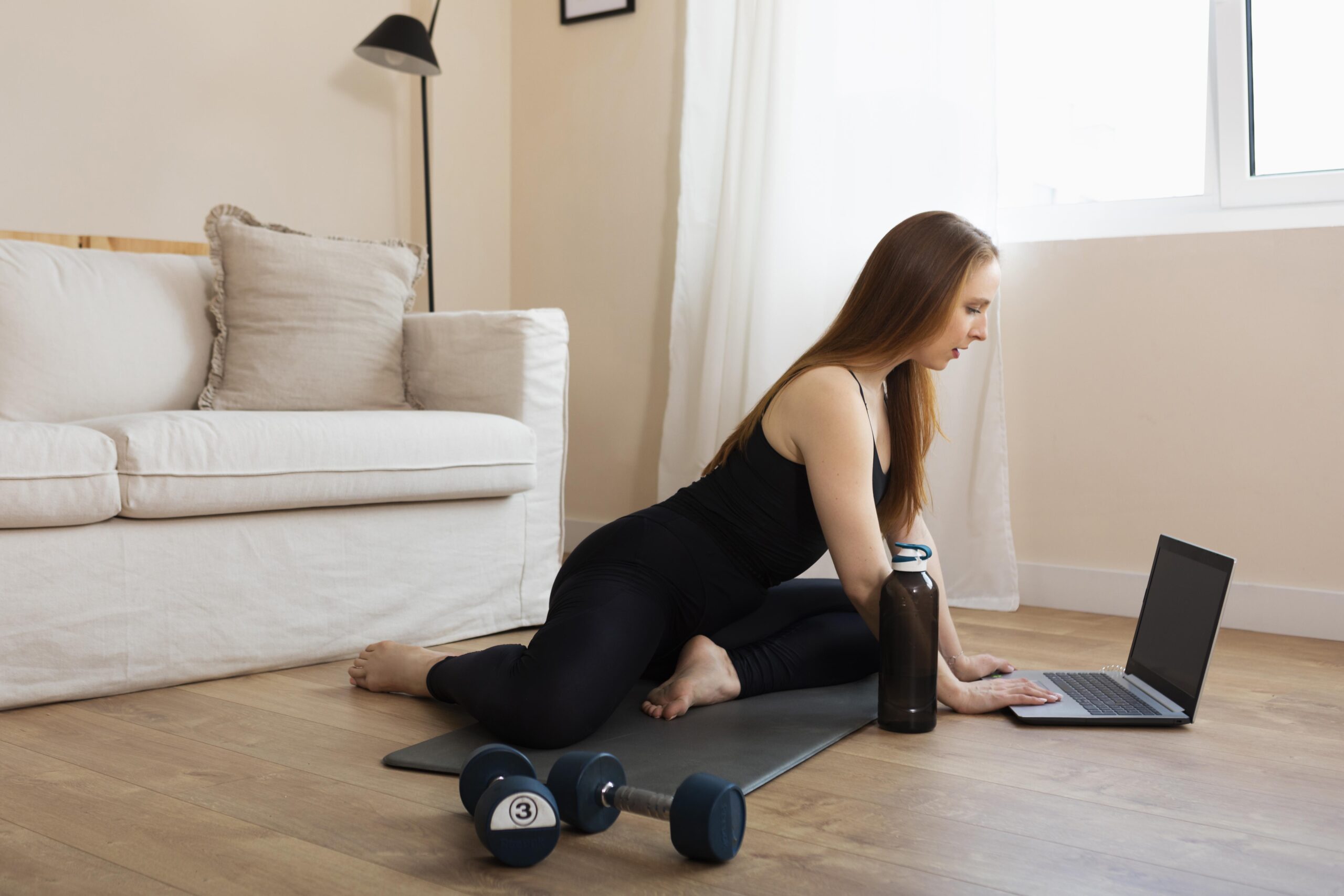
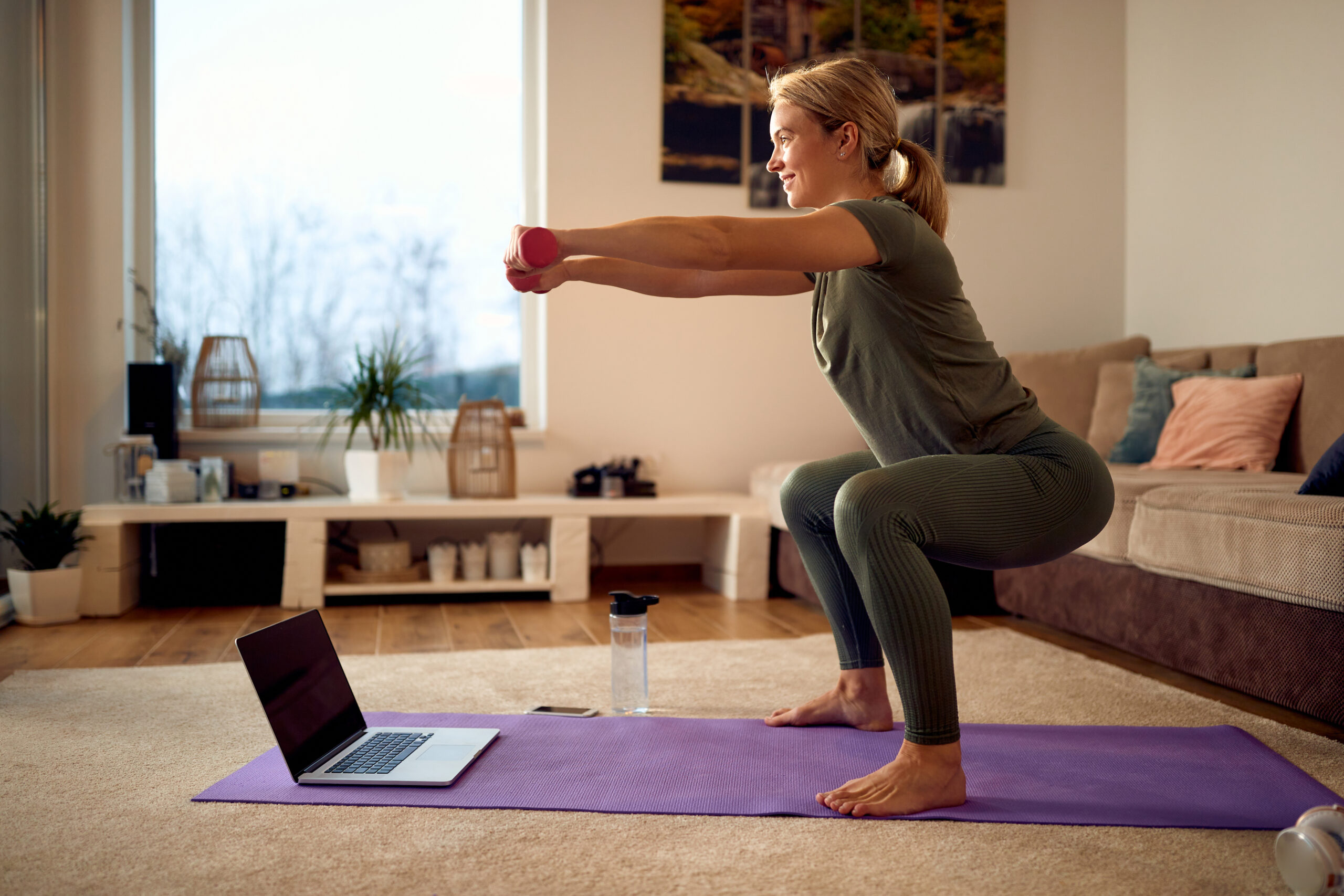
A busy professional in a modern home office, transitioning between a laptop and using dumbbells.

Hybrid Fitness Training for Busy Professionals: 2026 Guide

Why Hybrid Fitness Training for Busy Professionals Boosts Productivity

Finding time for health and fitness can feel impossible when your calendar is packed with meetings. However, hybrid fitness training for busy professionals offers a modern solution that combines strength and cardiovascular training into a streamlined routine. Instead of choosing between lifting weights or running, this approach allows you to develop a resilient, high-performing body without spending hours in the gym. This 2026 guide will show you exactly how to integrate these methods into a demanding lifestyle.
Hybrid Fitness Training

The Science of Hybrid Fitness Training for Busy Professionals

The core philosophy of this method involves “concurrent training.” This means you are working on your aerobic capacity and your muscular strength within the same weekly cycle. According to the American Council on Exercise (ACE), functional movements that mimic daily life are the most effective for long-term health.

Additionally, combining these modalities helps combat the negative effects of a sedentary office job. While strength training protects your joints, aerobic work improves heart health and mental clarity. While strength training protects your joints, aerobic work improves heart health and mental clarity. Consequently, you become more productive at work while feeling physically stronger.
Hybrid Fitness Training

Designing Your Hybrid Weekly Schedule

Consistency is much more important than intensity when you have a high-stress career. To start, you should aim for three to four sessions per week that alternate focus. For example, Monday could be a strength-focused circuit, while Wednesday involves a high-intensity interval walk or jog.

Furthermore, using “micro-workouts” can help you stay on track during busy weeks. If you only have fifteen minutes between calls, a quick set of calisthenics can maintain your momentum. Because hybrid fitness training for busy professionals is flexible, it adapts to your schedule rather than forcing you to adapt.
Hybrid Fitness Training

Overcoming Common Time Barriers

Most people fail because they think exercise requires an “all or nothing” mindset. On the contrary, small bouts of movement throughout the day contribute significantly to your total fitness. Using stairs instead of the elevator or doing a few chair squats during a muted Zoom call are valid ways to stay alive.

Moreover, preparation is your best friend in the professional world. Having your dumbbells or kettlebells visible in your home office makes it easier to transition from work to a workout. By reducing the “friction” of getting started, you ensure that hybrid fitness training for busy professionals becomes a permanent habit.
Hybrid Fitness Training

The Progression Matrix: Your Hybrid Routine

This matrix uses a “Strength + Endurance” approach. Use 12-15 reps for endurance goals and 8-12 reps for strength/hypertrophy.

  1. Beginner: The Foundation Builder

  • Definition: Individuals new to structured exercise or returning after a long break.
  • Characteristics: Focuses on form, mobility, and building a baseline aerobic “engine.”
  • The Routine:
    • Bodyweight Squats (Stairs/Chair): 3 sets of 15. Muscles: Quads, Glutes. Stabilizers: Core.
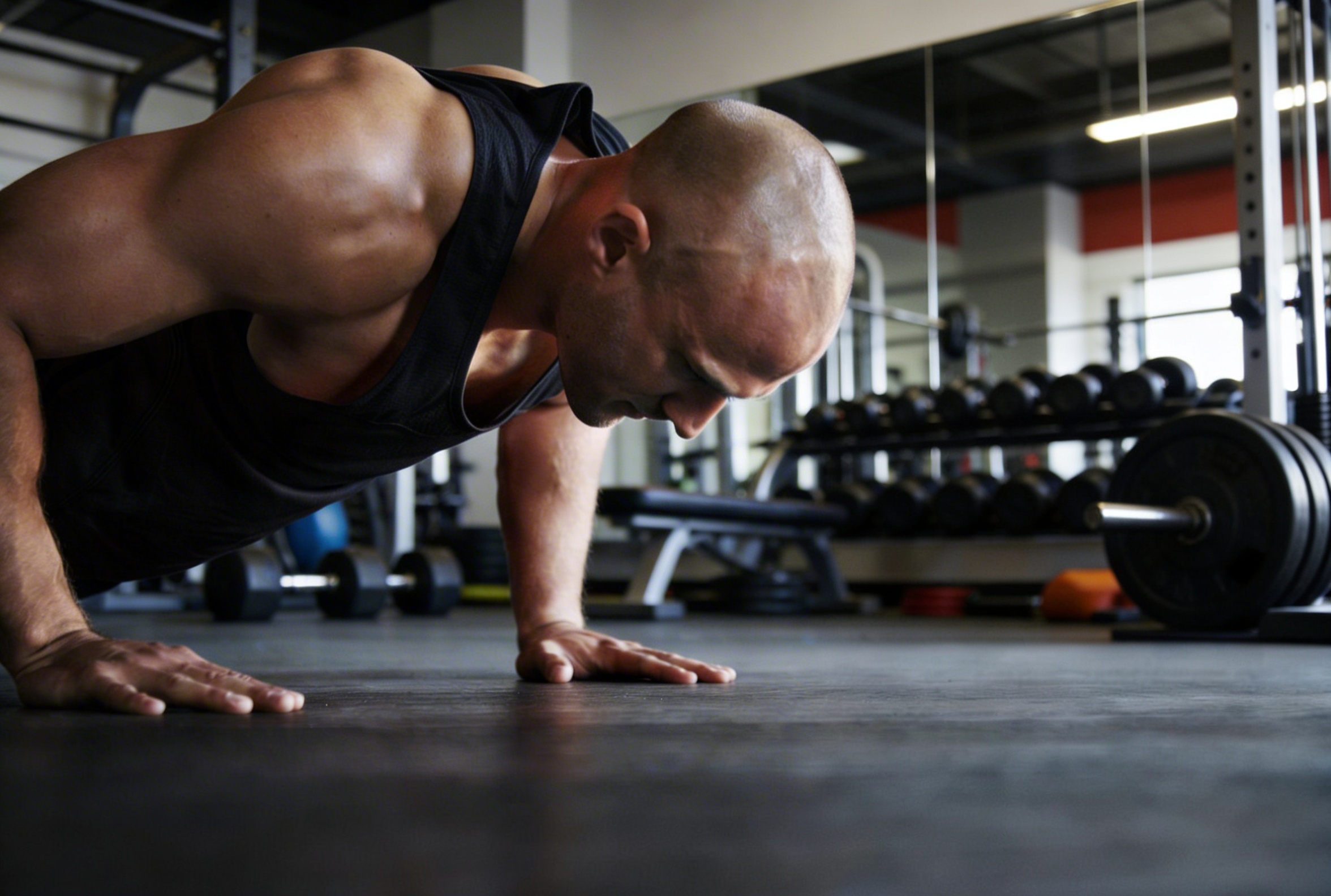
    • Incline Push-ups (Desk/Wall): 3 sets of 12. Muscles: Chest, Triceps. Stabilizers: Shoulders.
    • Banded Rows: 3 sets of 15. Muscles: Upper Back. Stabilizers: Rear Delts.
    • Brisk Walking: 20 minutes. Muscles: Legs. Stabilizers: Hips.
  1. Intermediate: The Performance Optimizer

  • Definition: Consistent for 6+ months with basic knowledge of movements.
  • Characteristics: Incorporates external resistance (dumbbells/kettlebells) and varied tempos.
  • The Routine:
    • Goblet Squats (Dumbbell/Kettlebell): 4 sets of 10. Muscles: Lower Body. Stabilizers: Core, Erector Spinae.
    • Dumbbell Overhead Press: 4 sets of 10. Muscles: Shoulders. Stabilizers: Core, Triceps.
    • Kettlebell Swings: 3 sets of 15. Muscles: Posterior Chain. Stabilizers: Core, Grip.
    • Alternating Light Jog/Walk: 25 minutes. Muscles: Full Body. Stabilizers: Ankles/Knees.
  1. Advanced: The Hybrid Athlete

  • Definition: High level of strength and cardiovascular recovery; 2+ years of training.
  • Characteristics: Focuses on power, plyometrics, and high-volume endurance.
  • The Routine:
    • Box Jumps: 4 sets of 8. Muscles: Quads, Glutes. Stabilizers: Calves, Core.
    • Weighted Lunges: 4 sets of 12 per leg. Muscles: Legs. Stabilizers: Adductors, Glute Medius.
    • Renegade Rows (Dumbbells): 4 sets of 10. Muscles: Back. Stabilizers: Core (anti-rotation), Shoulders.
    • Stair Climbing (Weighted Vest optional): 20 minutes. Muscles: Legs/Cardio. Stabilizers: Hips.
  1. Elite: The High-Performance Executive

  • Definition: Mastery of all modalities; capable of sustained high-intensity output.
  • Characteristics: Advanced mobility, maximum strength, and metabolic conditioning.
  • The Routine:
    • Thrusters (Dumbbells): 4 sets of 12. Muscles: Full Body. Stabilizers: Shoulders, Core, Hips.
    • Burpees to Box Jump: 4 sets of 10. Muscles: Full Body. Stabilizers: Entire System.
    • Kettlebell Clean & Press: 4 sets of 10. Muscles: Back, Shoulders. Stabilizers: Core, Forearms.
    • Hill Sprints or High-Pace Run: 30 minutes. Muscles: Legs. Stabilizers: Core, Ankles.
CTAs

Summary

Implementing hybrid fitness training for busy professionals is the most efficient way to maintain health in a fast-paced world. By combining strength and endurance, you maximize every minute spent exercising. This method ensures you don’t have to sacrifice your career for your physique.

The main takeaway is that movement should be accessible and scalable. Whether you are a beginner using a chair for squats or an elite athlete doing thrusters, the goal remains the same. You are building a body that can handle the physical and mental demands of a modern career.

Finally, remember that hybrid training is a marathon, not a sprint. Start where you are, use the tools you have, and focus on the long-term benefits. Your future self will thank you for the investment you make today.

FAQs
  1. How many days a week should I do hybrid training?
    For most professionals, 3 to 4 days per week is the “sweet spot” for seeing results without burning out.
  2. Can I do hybrid training at home?
    Yes, you can easily perform hybrid fitness training for busy professionals using dumbbells, bands, or even just your own body weight.
  3. Do I need to be a runner to do hybrid fitness?
    Not at all. You can use walking, cycling, or stair climbing to fulfill the endurance portion of your training.
  4. How long does a typical session take?
    Most hybrid workouts can be completed in 30 to 45 minutes, making them perfect for lunch breaks.
  5. Is hybrid training better for weight loss or muscle gain?
    It is excellent for both. Strength work builds muscle, while endurance work increases your daily caloric burn.
  6. What if I have joint pain?
    Always start with low-impact options like walking or banded movements. Consult the ISSA resources for modifications if needed.

Disclosure: The information provided is for educational purposes only. Please consult with a healthcare professional before starting any new exercise program. Effortless Smart Fitness (ESF) is not responsible for injuries resulting from the use of these routines.

Smart tools, human guidance — straightforward, simple, effective, and fun.

Why Hybrid Fitness Training for Busy Professionals Boosts Productivity

Finding time for health and fitness can feel impossible when your calendar is packed with meetings. However, hybrid fitness training for busy professionals offers a modern solution that combines strength and cardiovascular training into a streamlined routine. Instead of choosing between lifting weights or running, this approach allows you to develop a resilient, high-performing body without spending hours in the gym. This 2026 guide will show you exactly how to integrate these methods into a demanding lifestyle.

Hybrid Fitness Training

The Science of Hybrid Fitness Training for Busy Professionals

The core philosophy of this method involves “concurrent training.” This means you are working on your aerobic capacity and your muscular strength within the same weekly cycle. According to the American Council on Exercise (ACE), functional movements that mimic daily life are the most effective for long-term health.

Additionally, combining these modalities helps combat the negative effects of a sedentary office job. While strength training protects your joints, aerobic work improves heart health and mental clarity. While strength training protects your joints, aerobic work improves heart health and mental clarity. Consequently, you become more productive at work while feeling physically stronger.

Hybrid Fitness Training

Designing Your Hybrid Weekly Schedule

Consistency is much more important than intensity when you have a high-stress career. To start, you should aim for three to four sessions per week that alternate focus. For example, Monday could be a strength-focused circuit, while Wednesday involves a high-intensity interval walk or jog.

Furthermore, using “micro-workouts” can help you stay on track during busy weeks. If you only have fifteen minutes between calls, a quick set of calisthenics can maintain your momentum. Because hybrid fitness training for busy professionals is flexible, it adapts to your schedule rather than forcing you to adapt.

Hybrid Fitness Training

Overcoming Common Time Barriers

Most people fail because they think exercise requires an “all or nothing” mindset. On the contrary, small bouts of movement throughout the day contribute significantly to your total fitness. Using stairs instead of the elevator or doing a few chair squats during a muted Zoom call are valid ways to stay alive.

Moreover, preparation is your best friend in the professional world. Having your dumbbells or kettlebells visible in your home office makes it easier to transition from work to a workout. By reducing the “friction” of getting started, you ensure that hybrid fitness training for busy professionals becomes a permanent habit.

Hybrid Fitness Training

The Progression Matrix: Your Hybrid Routine

This matrix uses a “Strength + Endurance” approach. Use 12-15 reps for endurance goals and 8-12 reps for strength/hypertrophy.

  1. Beginner: The Foundation Builder

  • Definition: Individuals new to structured exercise or returning after a long break.
  • Characteristics: Focuses on form, mobility, and building a baseline aerobic “engine.”
  • The Routine:
    • Bodyweight Squats (Stairs/Chair): 3 sets of 15. Muscles: Quads, Glutes. Stabilizers: Core.
    • Incline Push-ups (Desk/Wall): 3 sets of 12. Muscles: Chest, Triceps. Stabilizers: Shoulders.
    • Banded Rows: 3 sets of 15. Muscles: Upper Back. Stabilizers: Rear Delts.
    • Brisk Walking: 20 minutes. Muscles: Legs. Stabilizers: Hips.
  1. Intermediate: The Performance Optimizer

  • Definition: Consistent for 6+ months with basic knowledge of movements.
  • Characteristics: Incorporates external resistance (dumbbells/kettlebells) and varied tempos.
  • The Routine:
    • Goblet Squats (Dumbbell/Kettlebell): 4 sets of 10. Muscles: Lower Body. Stabilizers: Core, Erector Spinae.
    • Dumbbell Overhead Press: 4 sets of 10. Muscles: Shoulders. Stabilizers: Core, Triceps.
    • Kettlebell Swings: 3 sets of 15. Muscles: Posterior Chain. Stabilizers: Core, Grip.
    • Alternating Light Jog/Walk: 25 minutes. Muscles: Full Body. Stabilizers: Ankles/Knees.
  1. Advanced: The Hybrid Athlete

  • Definition: High level of strength and cardiovascular recovery; 2+ years of training.
  • Characteristics: Focuses on power, plyometrics, and high-volume endurance.
  • The Routine:
    • Box Jumps: 4 sets of 8. Muscles: Quads, Glutes. Stabilizers: Calves, Core.
    • Weighted Lunges: 4 sets of 12 per leg. Muscles: Legs. Stabilizers: Adductors, Glute Medius.
    • Renegade Rows (Dumbbells): 4 sets of 10. Muscles: Back. Stabilizers: Core (anti-rotation), Shoulders.
    • Stair Climbing (Weighted Vest optional): 20 minutes. Muscles: Legs/Cardio. Stabilizers: Hips.
  1. Elite: The High-Performance Executive

  • Definition: Mastery of all modalities; capable of sustained high-intensity output.
  • Characteristics: Advanced mobility, maximum strength, and metabolic conditioning.
  • The Routine:
    • Thrusters (Dumbbells): 4 sets of 12. Muscles: Full Body. Stabilizers: Shoulders, Core, Hips.
    • Burpees to Box Jump: 4 sets of 10. Muscles: Full Body. Stabilizers: Entire System.
    • Kettlebell Clean & Press: 4 sets of 10. Muscles: Back, Shoulders. Stabilizers: Core, Forearms.
    • Hill Sprints or High-Pace Run: 30 minutes. Muscles: Legs. Stabilizers: Core, Ankles.
CTAs

Summary

Implementing hybrid fitness training for busy professionals is the most efficient way to maintain health in a fast-paced world. By combining strength and endurance, you maximize every minute spent exercising. This method ensures you don’t have to sacrifice your career for your physique.

The main takeaway is that movement should be accessible and scalable. Whether you are a beginner using a chair for squats or an elite athlete doing thrusters, the goal remains the same. You are building a body that can handle the physical and mental demands of a modern career.

Finally, remember that hybrid training is a marathon, not a sprint. Start where you are, use the tools you have, and focus on the long-term benefits. Your future self will thank you for the investment you make today.

FAQs
  1. How many days a week should I do hybrid training?
    For most professionals, 3 to 4 days per week is the “sweet spot” for seeing results without burning out.
  2. Can I do hybrid training at home?
    Yes, you can easily perform hybrid fitness training for busy professionals using dumbbells, bands, or even just your own body weight.
  3. Do I need to be a runner to do hybrid fitness?
    Not at all. You can use walking, cycling, or stair climbing to fulfill the endurance portion of your training.
  4. How long does a typical session take?
    Most hybrid workouts can be completed in 30 to 45 minutes, making them perfect for lunch breaks.
  5. Is hybrid training better for weight loss or muscle gain?
    It is excellent for both. Strength work builds muscle, while endurance work increases your daily caloric burn.
  6. What if I have joint pain?
    Always start with low-impact options like walking or banded movements. Consult the ISSA resources for modifications if needed.

Disclosure: The information provided is for educational purposes only. Please consult with a healthcare professional before starting any new exercise program. Effortless Smart Fitness (ESF) is not responsible for injuries resulting from the use of these routines.

Smart tools, human guidance — straightforward, simple, effective, and fun.

Leave a Comment

Your email address will not be published. Required fields are marked *

Scroll to Top
Scroll to Top
Verified by MonsterInsights