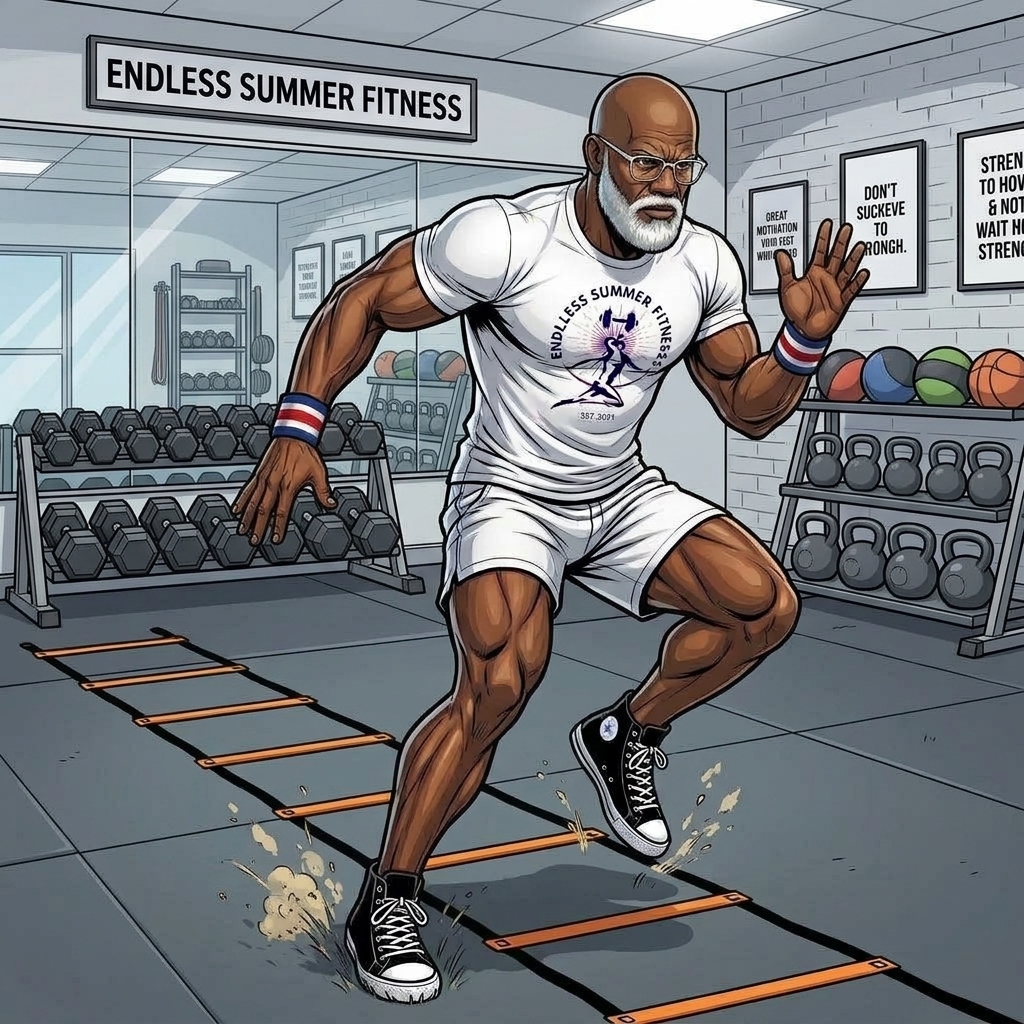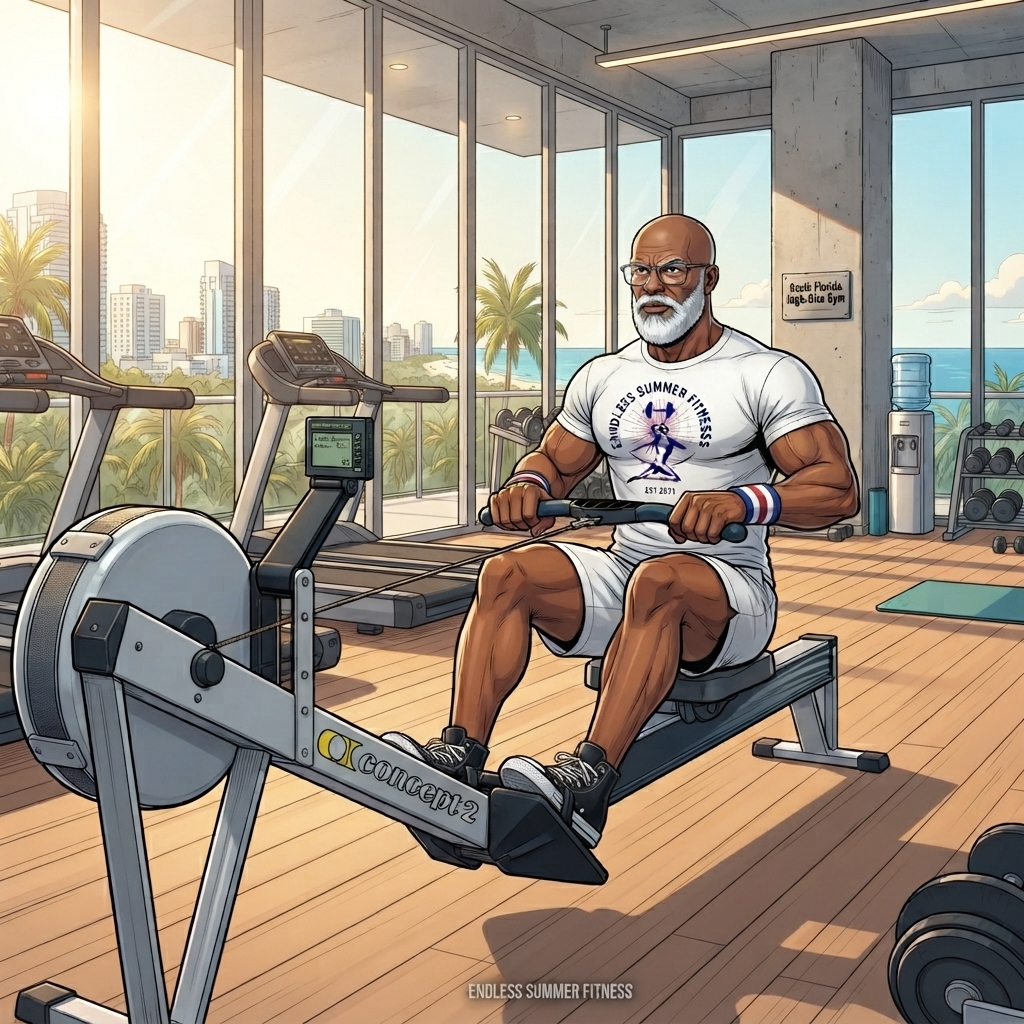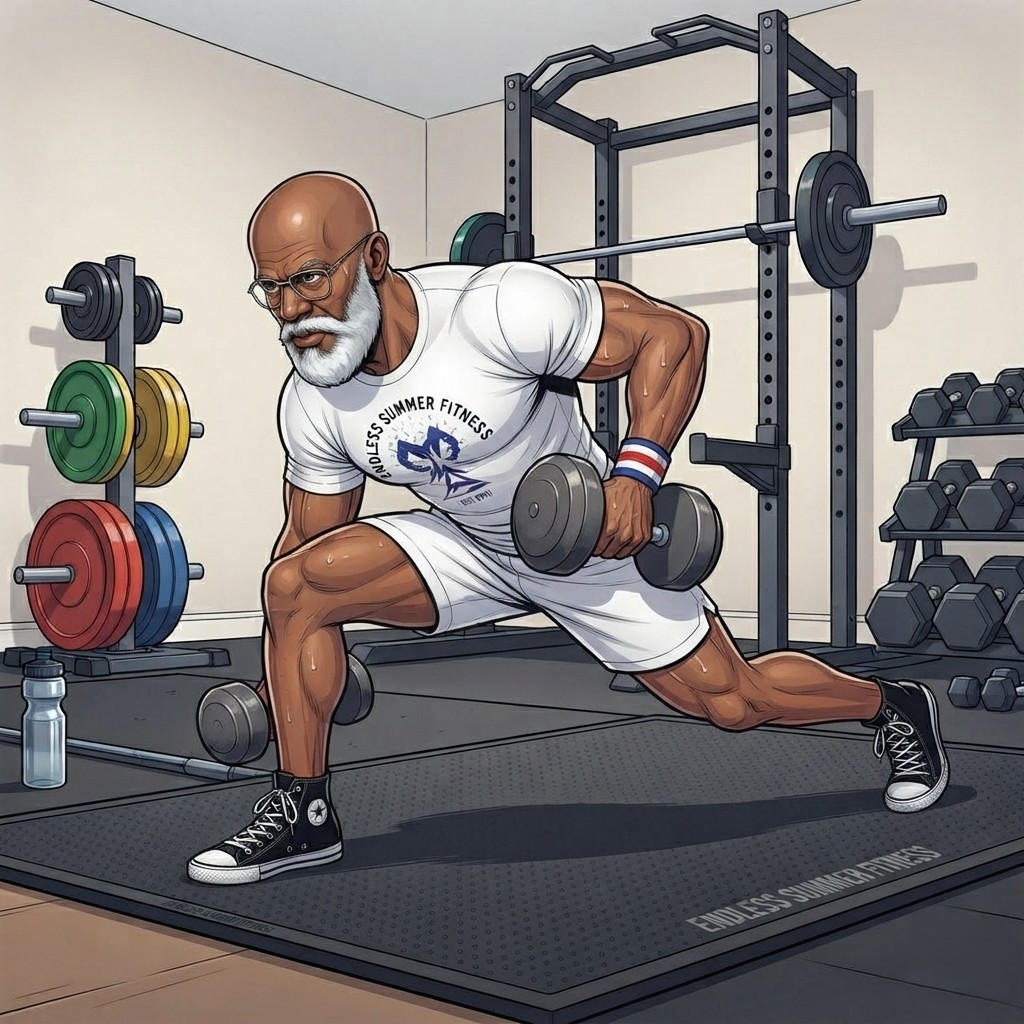
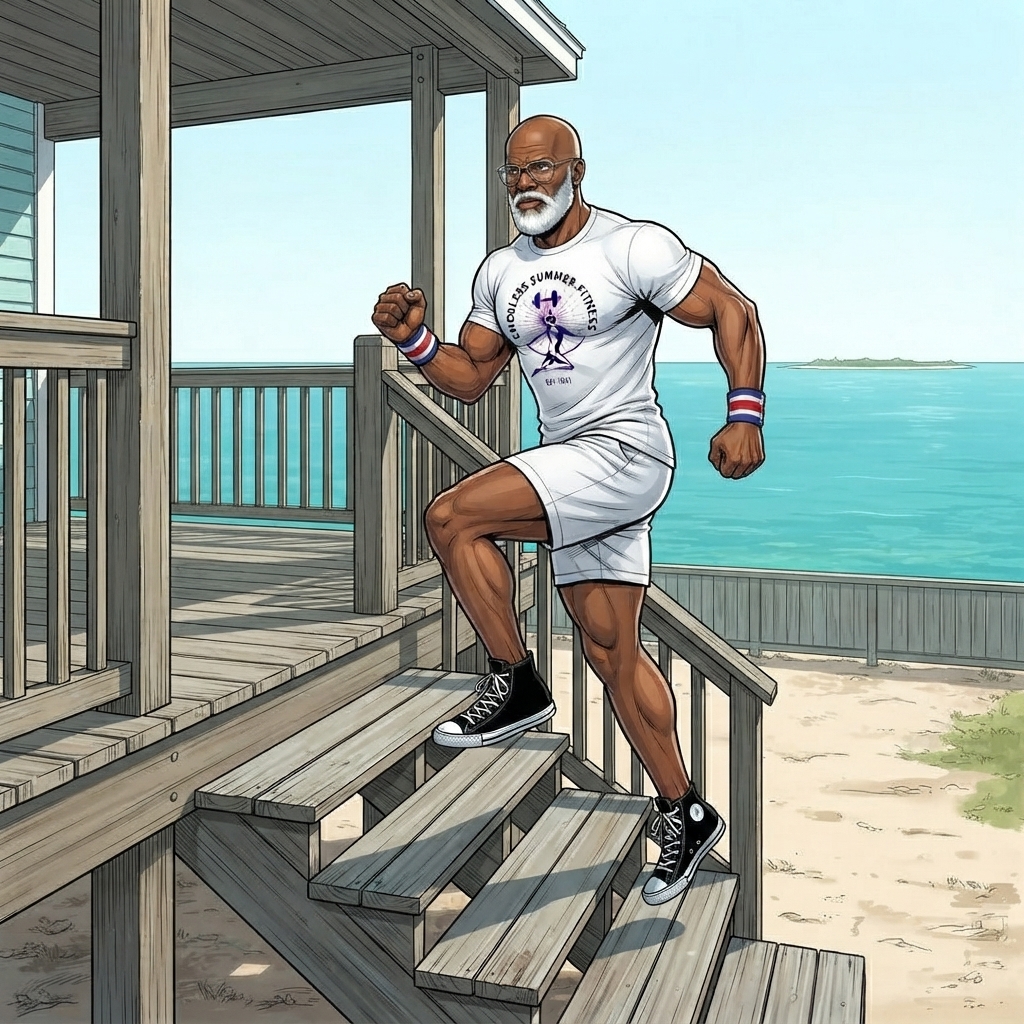
If you’re over 40, fitness starts looking a little different.
You may still want to look good, but you’re probably more interested in feeling good. You want enough energy to get through a busy day. You want to stay strong, move well, and avoid becoming one of those people who gradually stop doing the activities they enjoy because everything hurts.
That’s where hybrid cardio-strength training comes in.
Hybrid training combines resistance exercise and cardiovascular exercise into one workout or a workout that you can also break up into separate phases over the course of the day, if you lack time. Instead of treating strength and endurance as separate goals, you improve both at the same time.
The result is a practical, time-efficient approach to fitness that supports strength, stamina, mobility, balance, and long-term health.
For most adults over 40, that’s a far better goal than chasing extreme workouts.
Read Next
9 Safe Agility Ladder Drills for Beginners and After 40
If your goal is to stay strong without constantly increasing the weight on the bar, this guide explains how controlled resistance training can help build strength while being friendlier on the joints.
What Is Hybrid Cardio-Strength Training?
Hybrid cardio-strength training combines strength exercises with cardiovascular movement during the same workout session.
For example, a workout might include:
- Chair sit-to-stands
- Resistance band rows
- Marching in place
- Core stability exercises
- Walking
Rather than spending one day lifting weights and another day doing cardio, you train both systems together, or at least in the same day.
That makes sense because daily life rarely demands only strength or only endurance.
-
- Carrying groceries requires both.
- Walking through an airport requires both.
- Working in the yard requires both.
- Even climbing stairs requires both.
Important Point: Real-world fitness is not about excelling at one physical quality. It’s about having enough strength, endurance, balance, and mobility to do the things you want to do.
Why Hybrid Training Works After 40
As we age, muscle mass gradually declines. Cardiovascular fitness can also decrease if we become less active. Neither of these changes happens overnight. The problem is that many adults respond by choosing one extreme or the other. Some focus entirely on cardio. Others focus entirely on strength training. A balanced approach is usually the smarter option.
Strength training helps preserve muscle, maintain bone health, and support healthy joints. Cardiovascular exercise supports heart health, circulation, and endurance. Hybrid training combines these benefits into one efficient workout, instead of asking your body to specialize, you’re asking it to stay capable.
Important Point: The goal after 40 is not to train like an athlete preparing for competition. The goal is to maintain the physical abilities that allow you to enjoy life.
Benefits Of Hybrid Cardio-Strength Training
Builds Functional Strength
Strong muscles make daily life easier. Lifting, carrying, pushing, pulling, climbing stairs, and getting up from the floor all become easier when strength is maintained.
Improves Endurance
Many adults notice they tire more easily than they did in their twenties. Hybrid training helps improve stamina without requiring long cardio sessions.
Supports Weight Management
Strength training helps preserve muscle tissue while cardiovascular exercise increases overall energy expenditure. Together, they support healthy body composition.
Improves Movement Quality
Hybrid workouts often include exercises that challenge balance, coordination, and body awareness. These qualities become increasingly important as we get older.
Saves Time
Many adults struggle to fit exercise into busy schedules. Hybrid workouts allow you to train multiple fitness qualities in a single session.
Beginner-Friendly Hybrid Cardio-Strength Workout
Perform the following exercises in order. Complete 2-3 rounds. Rest as needed between exercises. Move with control and focus on quality rather than speed.
1. Chair Sit-to-Stand
This exercise strengthens the legs, hips, and core while improving one of the most useful movement patterns in daily life.
Execution: Sit in a sturdy chair with your feet flat on the floor. Lean slightly forward from your hips and push through your feet to stand. Pause briefly before lowering yourself back into the chair under control.
Coaching Tip: Avoid dropping quickly into the chair. The lowering phase is where much of the strengthening benefit occurs.
2. Resistance Band Row
Rows strengthen the upper back and help counter the effects of prolonged sitting.
Execution: Secure a resistance band at chest height. Hold the handles with your arms extended. Pull your elbows back while gently squeezing your shoulder blades together. Slowly return to the starting position.
Coaching Tip: Imagine placing your shoulder blades into your back pockets as you pull.
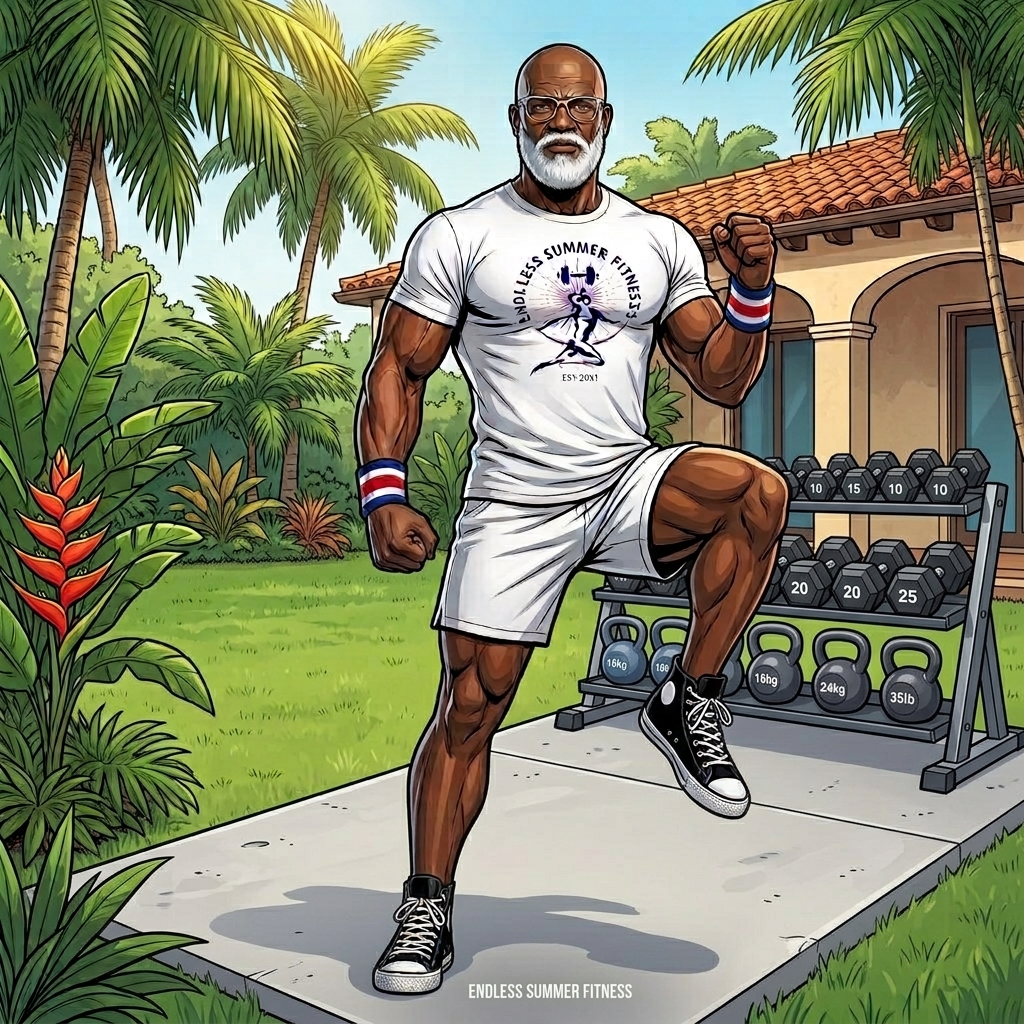
3. Marching In Place
Marching in place improves cardiovascular fitness while also challenging balance and coordination.
Execution: Stand tall and slowly lift one knee at a time while swinging your arms naturally. Maintain steady breathing throughout.
Coaching Tip: Focus on posture before speed. Stand tall and move smoothly.
4. Dead Bug
The dead bug develops core stability while minimizing stress on the lower back.
Execution: Lie on your back with your knees bent to 90 degrees and your arms reaching toward the ceiling. Slowly extend one arm and the opposite leg. Return to the starting position and alternate sides.
Coaching Tip: Move slowly enough that you can maintain control throughout every repetition.
5. Comfortable Walking
Walking provides a simple and highly effective cardiovascular component.
Execution: Walk for 2-5 minutes at a pace that slightly increases your breathing while still allowing you to carry on a conversation.
Coaching Tip: You should finish feeling energized, not exhausted.
How Often Should You Perform Hybrid Training?
Most adults achieve excellent results with:
- 2-3 hybrid workouts per week
- Regular walking on non-training days
- At least one recovery day between strength-focused sessions
- Consistent sleep habits
- Adequate hydration
Many people underestimate recovery. Your body does not improve during the workout itself. It improves when it adapts afterward. Giving that process enough time is part of effective training.
Common Mistakes To Avoid
Doing Too Much Too Soon: Enthusiasm is great. Jumping from no exercise to intense daily workouts rarely ends well. Start conservatively and build gradually.
Skipping The Warm-Up: Spend 5-10 minutes performing dynamic movement before training. Marching, arm circles, shoulder rolls, and gentle bodyweight squats are all good options. Save longer static stretches for after the workout.
Chasing Exhaustion: A workout does not need to leave you exhausted to be effective. Many adults make better progress when they finish workouts feeling accomplished rather than depleted.
Choosing Complexity Over Consistency: The best fitness program is the one you can continue doing six months from now. Simple routines done consistently outperform complicated routines that get abandoned.
Summary
Hybrid cardio-strength training combines resistance exercise and cardiovascular conditioning into one efficient workout.
For adults over 40, it provides a practical way to build strength, improve endurance, support heart health, and maintain the physical capabilities needed for everyday life.
-
- You do not need high-impact workouts.
- You do not need advanced exercises.
- You do not need to spend hours exercising.
You need a routine that is effective, sustainable, and realistic. Most adults over 40 are not limited by a lack of intensity. They are limited by a lack of consistency. Hybrid training can help solve that problem.
Frequently Asked Questions
1. Is hybrid cardio-strength training good for beginners?
Yes. Hybrid training can be easily modified for different fitness levels and works particularly well when built around low-impact exercises.
2. How long should a hybrid workout last?
Most sessions can be completed in 20-40 minutes.
3. Do I need a gym membership?
No. A chair, resistance band, comfortable walking shoes, and a small amount of space are enough to get started.
4. Can hybrid training support healthy aging?
Yes. Strength, endurance, balance, and mobility all contribute to maintaining long-term physical function and independence.
5. How quickly will I notice results?
Many people begin noticing improvements in energy levels, stamina, and daily movement within several weeks of consistent training.
References
Medical Disclaimer
This article is for educational and informational purposes only and does not constitute medical advice. Always consult a physician or qualified healthcare professional before beginning a new exercise program, particularly if you have a medical condition, injury, or health concern.
“`