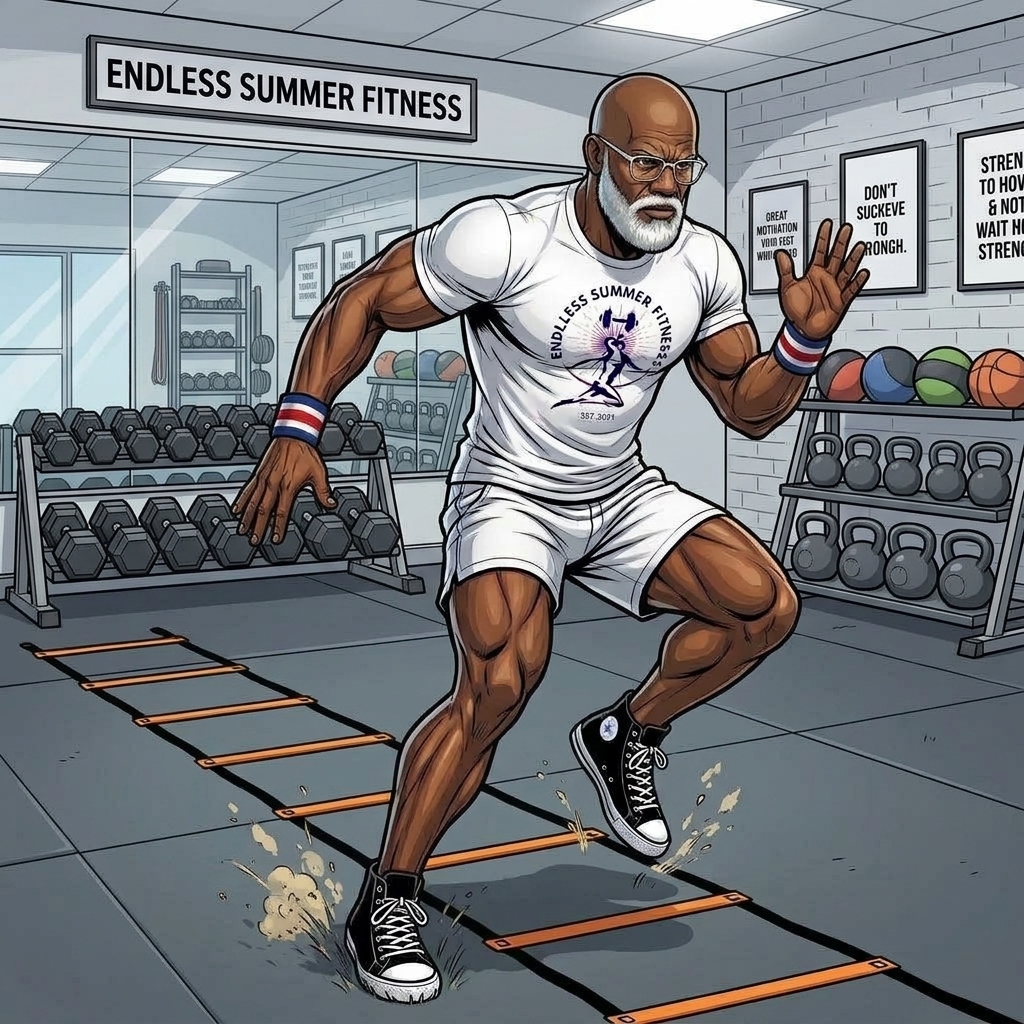

Cardiovascular conditioning drives metabolic efficiency, sharpens insulin sensitivity, and elevates cardiorespiratory output. Selecting appropriate modalities requires balancing energy expenditure with joint impact and nervous system recovery. Unvetted claims surrounding calorie burn—such as burning 1,000 calories in 20 minutes—ignore physiological energy limits. Accurate programming relies on realistic metabolic metrics, joint-friendly biomechanics, and structured interval work.
Conditioning Rules for Recovery and Joint Health
High-intensity conditioning demands clear recovery boundaries to prevent connective tissue breakdown and systemic fatigue.
- Warm-Up Mechanics: Spend 5 to 10 minutes performing dynamic multi-plane movements before high-intensity efforts. Controlled leg swings, torso rotations, and bodyweight hinges increase core body temperature, lubricate joint capsules, and prime the nervous system. Reserve static stretching for after workouts to return muscle fibers to resting length.
- Interval Management: High-intensity interval training (HIIT) taxes glycogen stores and central nervous system capacity. Cap hard HIIT sessions at 2 non-consecutive days per week. Dedicate remaining weekly conditioning slots to steady-state Zone 2 work to build capillary density without stalling tissue repair.
- Structural Alignment: Joint impact must stay within functional limits. Replace high-impact repetitive pounding with joint-sparing, low-shear options whenever joint discomfort or movement restrictions arise.
5 Low-Impact Cardio Modalities
1. High-Intensity Interval Training (HIIT)
HIIT alternates short periods of maximum work with structured recovery intervals. This structure drives excess post-exercise oxygen consumption (EPOC), maintaining elevated metabolic rates during early recovery.
- Physiological Impact: High-intensity efforts elevate heart rates near maximum capacity, driving glucose disposal and improving peripheral insulin sensitivity.
- Execution: Work hard for 20 to 30 seconds at a high effort level, followed by 60 to 90 seconds of low-intensity active recovery.
Prescription: 15 to 20 minutes total. Limit to 2 sessions per week.
2. Heavy Bag Conditioning and Boxing Drills
Boxing combines multi-plane rotational power, rapid footwork, and upper-body stamina. Striking a heavy bag builds shoulder endurance and core stiffness without ground-reaction impacts on lower-body joints.
- Biomechanical Cueing: Power transfers through foot pivot, hip rotation, and core bracing—never through an unbraced shoulder joint. Avoid hyper-extending the elbow on missed or light strikes.
- Interval Structure: Work in 2-minute rounds of continuous punching combinations, followed by 60 seconds of active footwork or rest.
Prescription: 15 to 20 minutes total (3 to 5 rounds).
3. Step Conditioning and Incline Climbing
Stair climbing delivers high posterior chain recruitment—targeting glutes, hamstrings, and calves—while driving rapid heart rate elevation.
- Joint Preservation: Avoid pushing strictly through the toes, which places unnecessary shear force on the patellar tendon. Drive firmly through the heel and midfoot on each step to engage the gluteal complex and protect the knees. Maintain an upright torso rather than slumping over the handrails.
- Pacing: Maintain a steady, continuous rhythm rather than sprinting up steps.
Prescription: 15 to 20 minutes of steady-state stepping or step-interval work.
4. Elliptical Trainer Workouts
Elliptical trainers offer a closed-chain, zero-impact movement pattern. Closed-chain exercise eliminates foot-strike force while maintaining continuous engagement across the lower and upper body.
- Total-Body Engagement: Actively push and pull the handlebars rather than letting momentum carry the movement. This distributes work evenly across the chest, upper back, quads, and hamstrings.
- Variable Resistance: Increase pedal resistance rather than stepping speed to build muscular endurance without joint stress.
Prescription: 20 to 30 minutes at a moderate-to-high resistance setting.
5. Rhythmic Movement and Dance Aerobics
Rhythmic dance conditioning challenges agility, coordination, and lateral stability. Multi-directional footwork recruits stabilizing muscles around the ankles, hips, and core that linear cardio ignores.
- Movement Diversity: Incorporate lateral slides, hip rotations, and controlled direction shifts. Multi-planar movement improves spatial awareness and functional joint stability.
- Impact Control: Keep steps low-impact by staying on the balls of the feet and absorbing motion through soft knees. Avoid unconditioned high-amplitude jumping on hard surfaces.
Prescription: 30 to 45 minutes of continuous, low-impact rhythmic movement.
Action Plan
Integrate two or three of these low-impact modalities into your weekly training schedule. Pair short HIIT or heavy bag sessions with steady-state elliptical or step training to balance system fatigue. Keep movement mechanics precise, enforce strict recovery periods, and focus on sustainable long-term conditioning.
References
- Ainsworth, B. E., et al. (2011). Compendium of Physical Activities: A second update of codes and MET values. Medicine & Science in Sports & Exercise.
- Gibala, M. J., et al. (2012). Physiological adaptations to low-volume, high-intensity interval training in health and disease. The Journal of Physiology.
- Harvard Health Publishing. (2021). Calories burned in 30 minutes for people of three different weights. Harvard Medical School.