
How to Build Functional Strength Without Lifting Heavy Weights
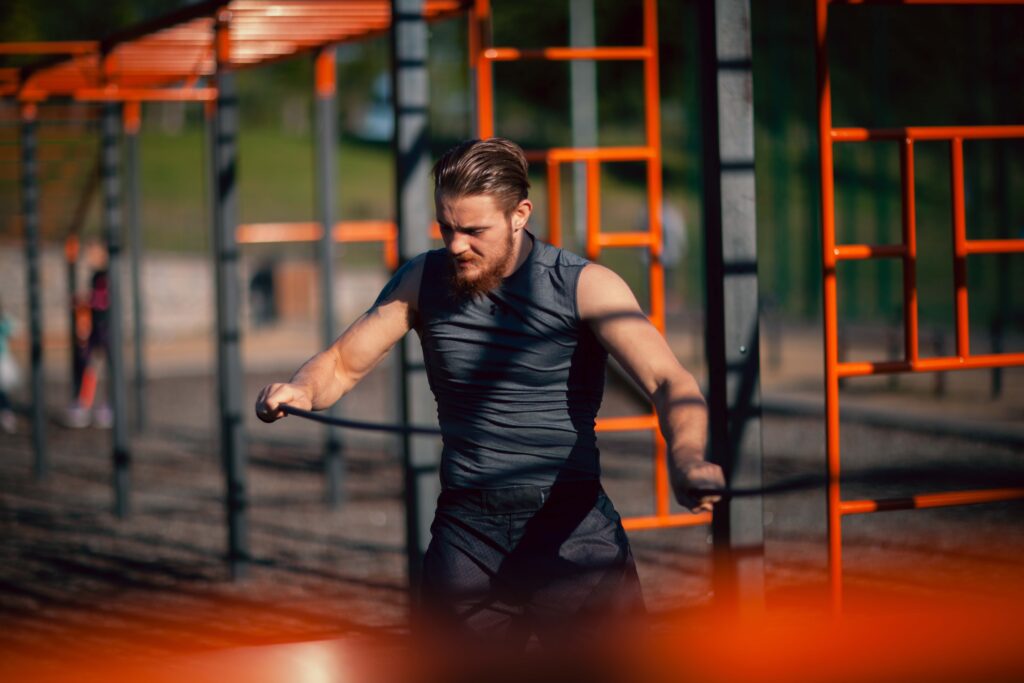
Many people believe that building functional strength requires a rack full of heavy plates. However, you can develop incredible power and a resilient body using nothing but your own mass and smart resistance strategies. This approach is a core cornerstone of hybrid fitness, bridging the gap between pure strength and athletic endurance. This article discusses how to Build Functional Strength Without Heavy Weights.
By focusing on movement quality rather than just load, you can improve your daily performance and longevity. Whether you are a runner looking to stabilize your joints or a busy professional wanting to move better, this guide will show you the way. We will explore how to maximize your results without ever touching a heavy barbell.
Master Bodyweight Mastery and Progressive Calisthenics
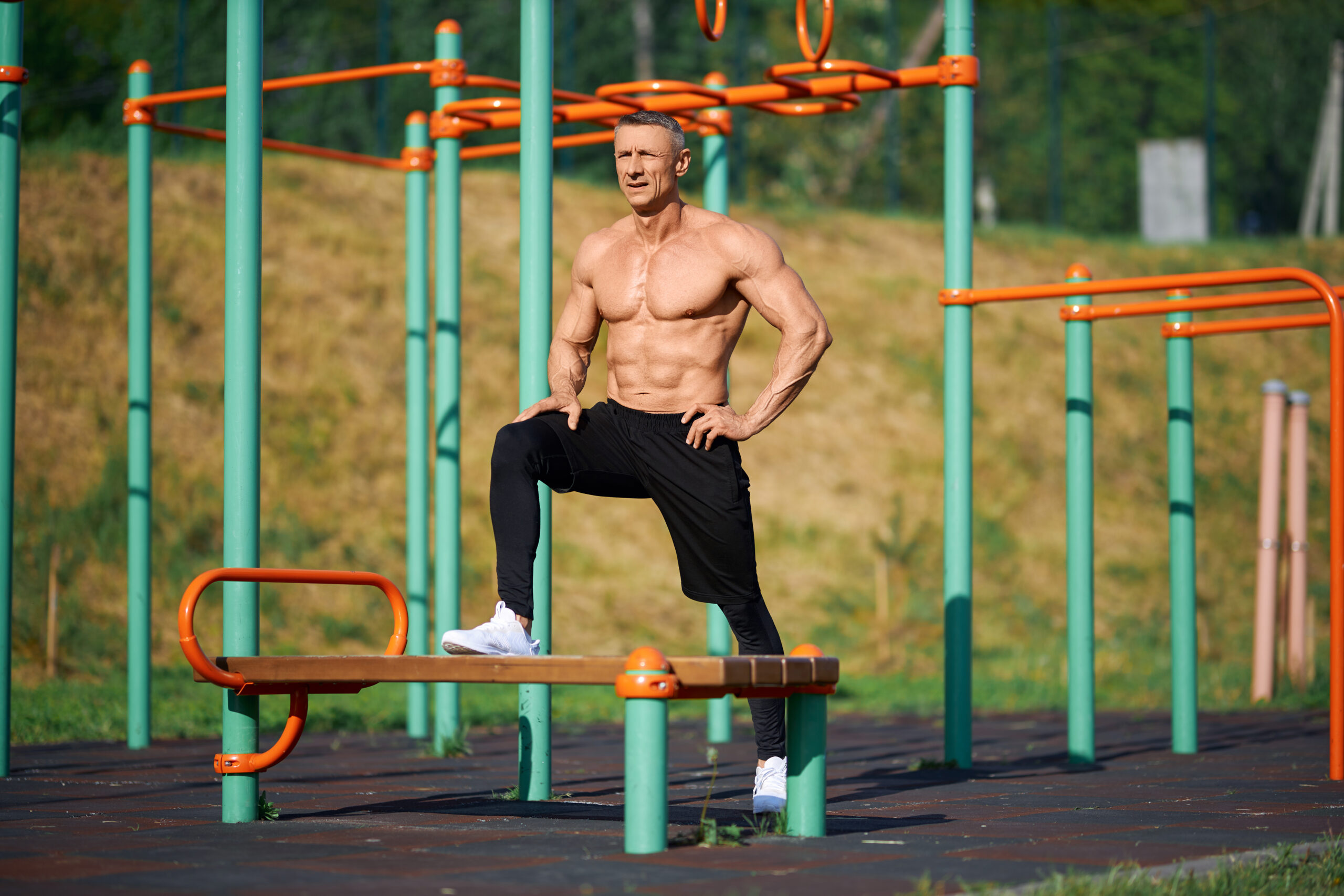
The foundation of any non-lifting routine begins with bodyweight mastery. Instead of adding external weight, you can increase an exercise’s difficulty by adjusting leverage or range of motion. For instance, transitioning from a standard push-up to a decline or archer push-up significantly increases the demand on your chest and triceps.
Furthermore, focusing on progressive calisthenics ensures your muscles never plateau. You should aim to master the mechanics of your own body before seeking outside resistance. This method builds a type of “relative strength” that is highly useful in real-world scenarios. According to research from the American Council on Exercise (ACE), bodyweight training is one of the most effective ways to build functional strength without lifting heavy weights and to increase core stability.
Check out our article, Core Strength for Everyday Movement
Utilize Time Under Tension and Tempo Training
One of the most overlooked secrets to building muscle without heavy weights is time under tension (TUT). Instead of rushing through your reps, you should slow down the eccentric (lowering) phase of every movement. For example, when performing a squat, take four full seconds to lower yourself to the bottom position.
Because you are spending more time in the “work” phase of the move, your muscle fibers experience more metabolic stress. This leads to hypertrophy and strength gains like those seen in traditional weightlifting. Additionally, using tempo training helps you identify and fix “sticking points” in your movement that you might otherwise compensate for by relying on momentum.
Integrate Unilateral Movements for Balance and Stability
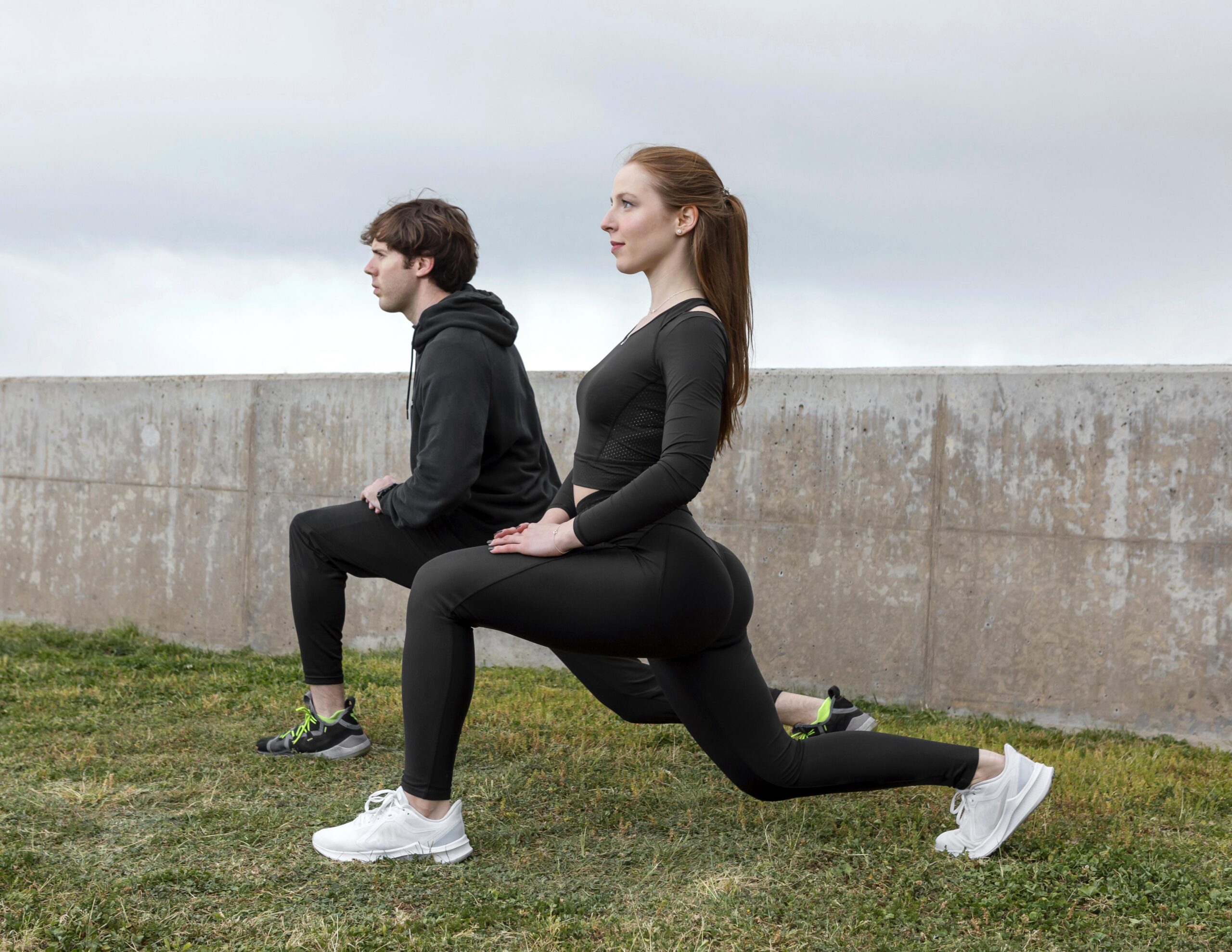
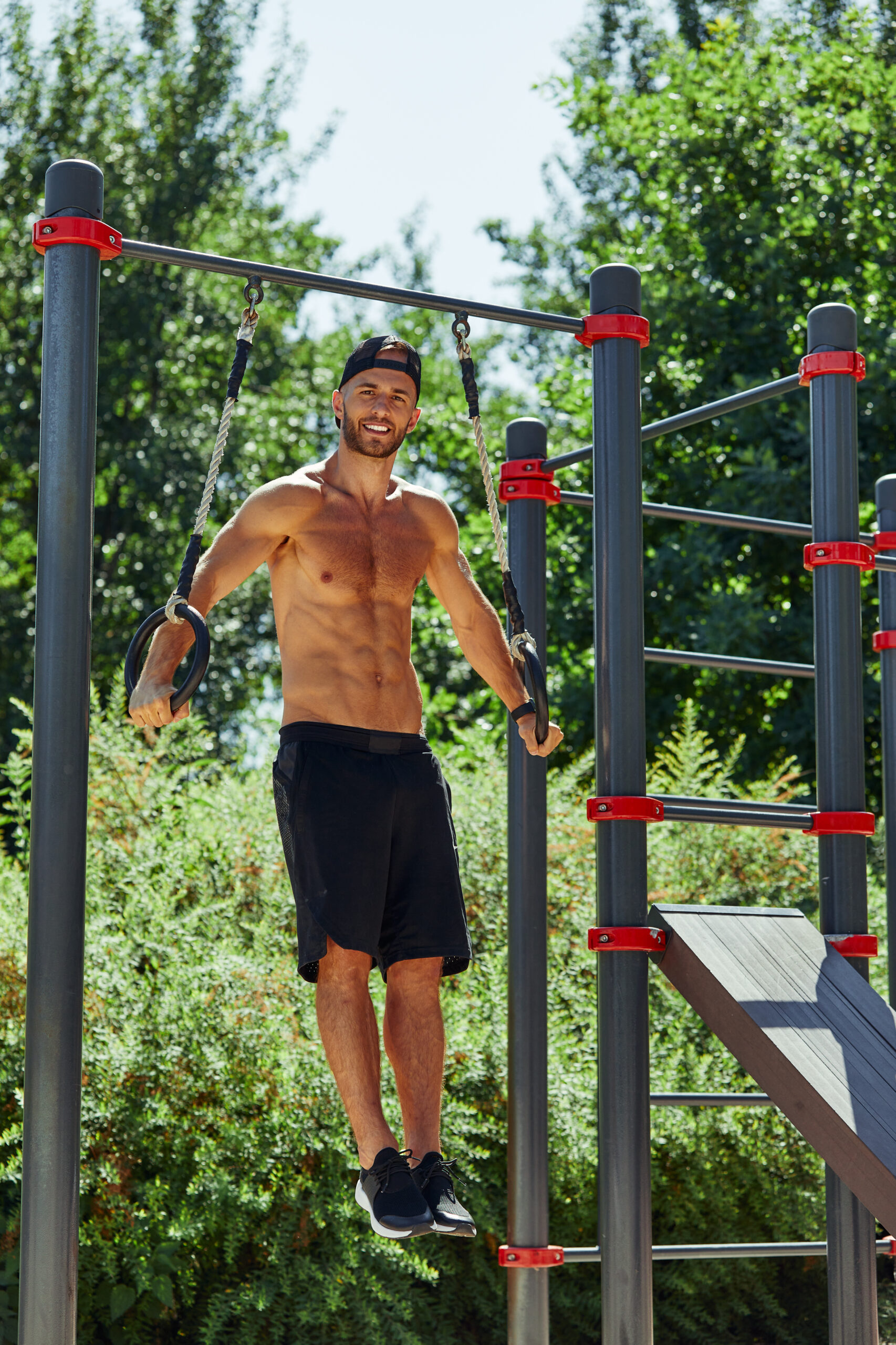
Building unilateral strength—or training one side of the body at a time—is a game-changer for functional health. Most daily activities, like walking or carrying groceries, are inherently one-sided.
By performing Bulgarian split squats or single-arm planks, you force your stabilizing muscles to work overtime.
Moreover, unilateral work corrects muscle imbalances that heavy bilateral lifting often hides. If your left leg is weaker than your right, a heavy barbell squat might allow the right side to take over. When you isolate each limb, you ensure that both sides of your body are equally capable and resilient.
NASM Guide on the Benefits of Unilateral Training
Leverage Isometrics for Maximum Muscle Fiber Recruitment
If you want to build a bulletproof core and strong tendons, you must include isometrics in your routine. Isometrics involve holding a position under tension without moving, such as a plank or a wall sit. These holds recruit a high percentage of motor units, which trains your nervous system to produce force efficiently.
Additionally, isometric training is incredibly safe for your joints compared to explosive heavy lifting. You can push or pull against an immovable object to create “maximal voluntary contraction.” This technique builds “stiff” and reactive muscles that are essential for high-performance hybrid fitness athletes who also participate in endurance sports.
The Hybrid Strength Protocol: A Progressive Workout Plan
To see results, you must follow a structured plan that focuses on progressive overload. Even without weights, you can progress by increasing reps, decreasing rest, or choosing harder exercise variations. Below is a sample 3-day split designed to build total-body functional power.
Workout A: Upper Body Push/Pull Focus
- Tempo Push-Ups: 3 sets of 10-15 reps (3 seconds down, 1 second hold at bottom).
- Inverted Rows (using a table or low bar): 3 sets to failure.
- Pike Push-Ups: 3 sets of 8-12 reps (for shoulder strength).
- Plank to Push-Up: 3 sets of 10 reps per side.
Workout B: Lower Body & Stability Focus
- Bulgarian Split Squats: 3 sets of 12 reps per leg.
- Single-Leg Romanian Deadlifts: 3 sets of 10 reps (focus on balance).
- Wall Sits: 3 rounds of 45-60 seconds.
Workout C: Hybrid Conditioning & Core
- Beat Crawls: 4 rounds of 30 seconds.
- Hollow Body Holds: 4 rounds of 30 seconds.
- Mountain Climbers: 4 rounds of 45 seconds (high intensity).
- Burpees (controlled): 3 sets of 15 reps.
Optimize Your Hybrid Fitness Recovery and Nutrition
No matter how hard you train, your results depend on your ability to recover. In a hybrid fitness model, your body is juggling multiple demands, so sleep and protein intake become even more critical. You should aim for 7-9 hours of quality sleep to allow your central nervous system to recover from high-tension bodyweight work.
Furthermore, fueling your body with the right macronutrients ensures your muscles have the building blocks they need to repair themselves. A study published by the International Society of Sports Nutrition (ISSN) emphasizes that consistent protein distribution throughout the day is key to maintaining lean muscle mass. By pairing smart movement with disciplined recovery, you create a sustainable path to lifelong strength.
[ISSN Position Stand on Protein and Exercise]
Summary: Strength Beyond the Barbell
Building functional strength is not limited to the weight room. By utilizing progressive calisthenics,
tempo training, and unilateral movements, you can forge an elite physique that performs as well as it looks. Remember that the hybrid fitness philosophy is about being “ready for anything,” and that readiness starts with mastering your own body.
FAQ: Building Strength Without Lifting Heavy Weights
Can you actually build muscle without lifting heavy weights?
Yes. By using time under tension and challenging bodyweight progression, you can effectively stimulate muscle hypertrophy.
How many days a week should I do functional strength training?
For most people, 3 to 4 days per week allows for the perfect balance between strength and endurance activities.
Is bodyweight training better for my joints?
Generally, yes. It allows for a more natural range of motion and places less “compressive” loas on the spine than heavy barbell squats or deadlifts.
Do I need any equipment at all?
While not strictly necessary, having a pull-up bar or suspension trainer (like a TRX) can help you target your back muscles more effectively. A TRX is a Total Resistance Exercise, a suspension training system that uses adjustable straps to leverage gravity and your own body weight to build strength, balance, flexibility, and core stability simultaneously.
Ready to Master Your Movement?
Stop guessing and start growing. If you want a customized plan that blends endurance with elite functional power, join the Endless Summer Fitness community today.
Disclosure
The information provided by Endless Summer Fitness (ESF) is for educational purposes only. Always consult with a qualified healthcare professional or physician before beginning any new exercise program. Use of any information provided in this article is solely at your own risk.
Smart tools, human guidance — straightforward, simple, effective, and fun.