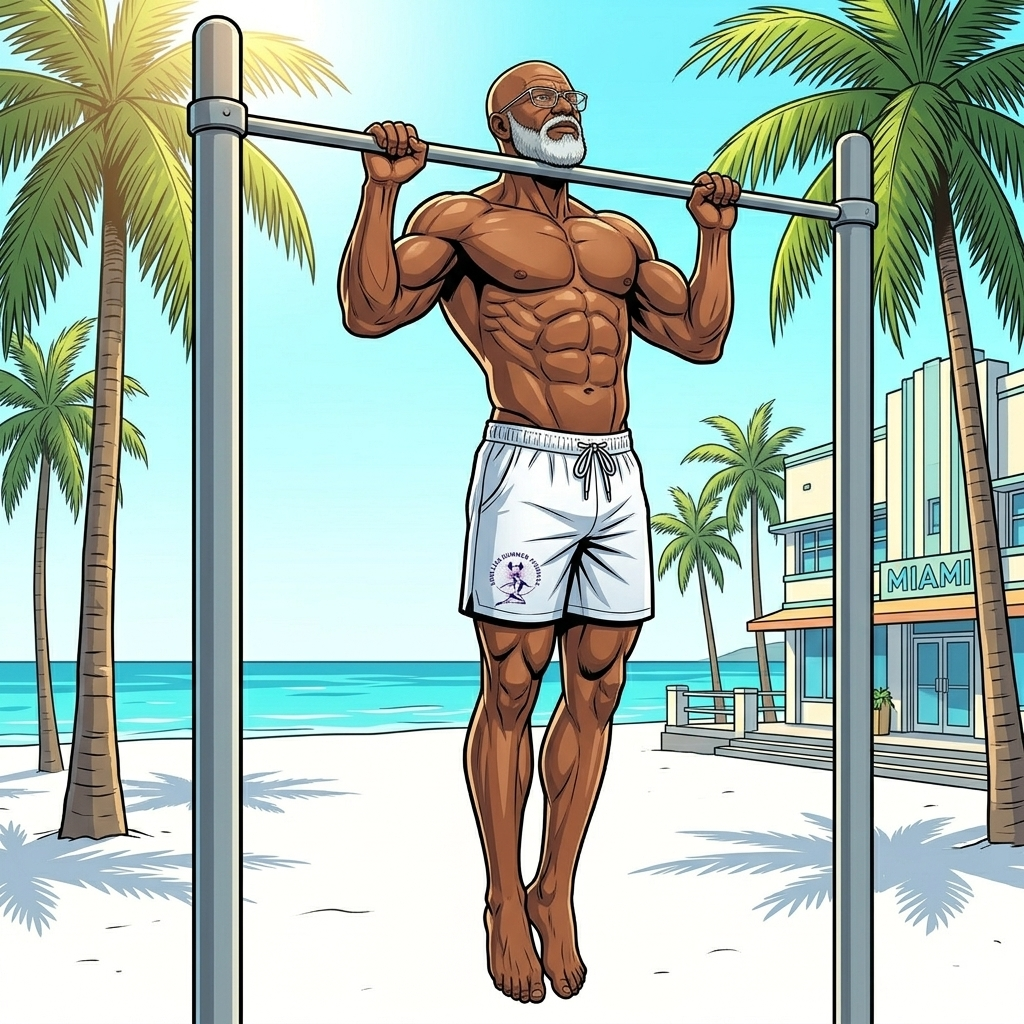
The primary reasons to do pull-ups stem from their ability to develop compound back strength, fortify grip resilience, and improve shoulder girdle stability using bodyweight resistance. As an essential closed-kinetic-chain movement, pull-ups recruit multiple major muscle groups simultaneously while reinforcing core control and shoulder posture.
The Mechanical Superiority of Vertical Pulling
Vertical pulling movements are essential for maintaining balanced upper-body strength and counters the forward-slumped posture caused by sitting and daily screen use. Lifting your own bodyweight through a full vertical range of motion demands high neuromuscular coordination and stability.
For adults over 40, bodyweight vertical pulling provides a joint-friendly stimulus that strengthens connective tissue without placing high compressive axial loads on the lumbar spine. Understanding the key reasons to do pull-ups allows you to structure your pull training for maximum functional capacity and long-term joint health.
Key Physiological Benefits
- Latissimus Dorsi Hypertrophy: Directly targets the largest muscles of the back to build width, posture support, and spinal stability.
- Shoulder Girdle Integrity: Strengthens the lower trapezius, rhomboids, and infraspinatus to support proper scapular rhythm.
- Grip and Forearm Endurance: Demands high isometric recruitment from flexor muscles in the hands and forearms.
- Posterior Chain Balance: Offsets heavy pressing volumes to protect shoulder joint alignment and reduce impingement risk.
10 Core Reasons to Do Pull-Ups
Integrating bodyweight vertical pulling into your weekly routine provides distinct physical and functional advantages.
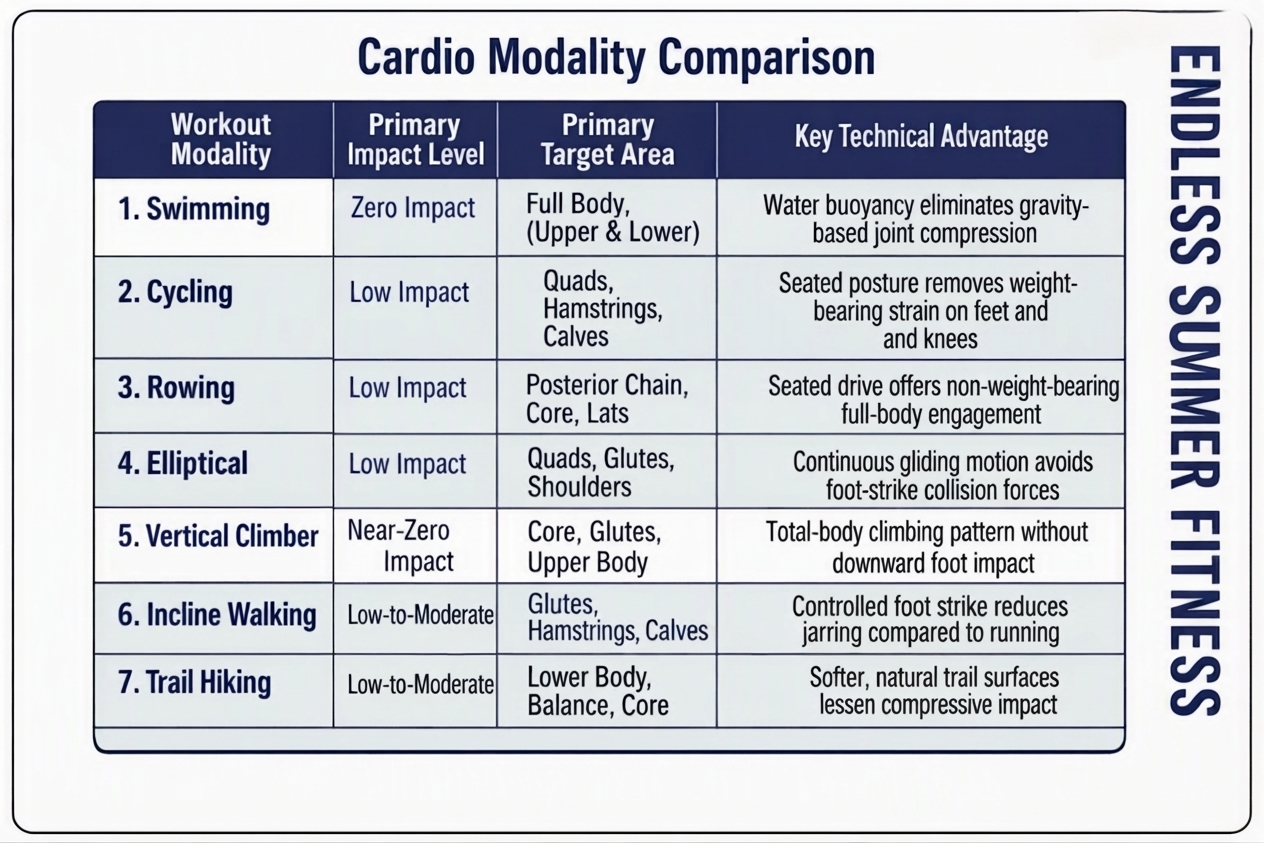
Benefits & Functional Impact Spreadsheet
Detailed Benefit Breakdown
1. Comprehensive Back Musculature Activation
Pull-ups engage the latissimus dorsi, trapezius, and rhomboids in a single coordinated movement. This compound engagement builds functional pulling strength that isolates machine rows cannot replicate.
2. Enhanced Scapular Rhythm and Shoulder Protection
Initiating the pull by depressing and retracting the shoulder blades strengthens the scapular stabilizers. This structural control reduces shoulder impingement risk during daily overhead reaching.
3. Integrated Bicep and Forearm Power
While the back acts as the primary mover, the biceps brachii and brachialis manage elbow flexion under complete bodyweight resistance, driving upper arm strength without isolation stress.
4. Measurable Grip Strength Transfer
Hanging from a bar builds isometric forearm endurance. Strong grip capability directly correlates with improved performance in deadlifts, carries, and daily functional tasks.
5. Natural Spinal Decompression
The initial dead-hang phase of a pull-up allows gravity to decompress the intervertebral discs in the thoracic and lumbar spine, releasing compressive pressure built up from prolonged sitting or standing.
6. Anti-Extension Core Engagement
Preventing your body from swinging during a pull-up requires rigid bracing through the rectus abdominis and obliques, turning an upper-body exercise into a powerful core stabilizer.
7. Realignment of Postural Mechanics
Strengthening the posterior upper-body musculature pulls the shoulders back into optimal alignment, helping reverse rounded upper back posture (kyphosis).
8. High Scalability Without Heavy External Loads
Pull-up mechanics adapt easily to any strength level. Assisted bands, eccentric negative tempos, or chin-up variations allow safe entry without overloading joints with heavy iron.
9. Minimal Equipment and Space Demands
Because the movement relies solely on gravity and body weight, you can perform it anywhere with a secure pull-up bar, rings, or outdoor training apparatus.
10. High Systemic Metabolic Output
Recruiting vast networks of upper-body skeletal muscle demands significant oxygen and blood flow, elevating your heart rate and boosting metabolic conditioning.
Execution Strategies and Scalable Progressions
- Incorporate Controlled Eccentrics: If full concentric pull-ups are not yet accessible, step up to the top bar position and lower yourself down over 3 to 5 seconds to build baseline strength.
- Utilize Band Assistance: Loop a heavy resistance band over the bar and under your foot to lighten the load at the bottom of the movement while maintaining proper mechanical form.
- Prioritize Full Range of Motion: Lower to a complete dead-hang with elbows soft, then pull until your chest approaches the bar. Avoid short, half-range repetitions.
- Control Your Tempo: Eliminate momentum and swinging. Focus on a smooth 2-second concentric pull and a controlled 2-to-3-second eccentric lower.
Common Pull-Up Errors
- Kipping or Using Momentum: Swinging the legs to generate force removes mechanical tension from the back muscles and places unnecessary stress on shoulder capsule structures.
- Shrugging at the Top: Failing to depress the shoulder blades causes the upper trapezius to take over, leading to neck strain and poor lat activation.
- Reaching with the Chin: Reaching the chin over the bar by extending the neck alters cervical spine alignment. Focus instead on driving the elbows down toward your ribs.
Action Plan
Begin by integrating vertical pulling mobility or dead-hang holds into your warm-up routine twice this week. Focus on scannable, high-quality repetitions that emphasize controlled tempo, scapular depression, and joint integrity over raw rep counts.
Related ESF Guides
- ESF Movement Library: 6 Strong Core Stability Drills for Over-40 Strength
Peer-Reviewed References
- Hewit JK. A Comparison of Muscle Activation During the Pull-Up and Chin-Up Exercises.
Journal of Strength and Conditioning Research.
2018;32(10):2682-2688. - Prinz A, et al. Electromyographic analysis of muscle activation patterns during bodyweight pulling variations.
Sports Biomechanics.
2021;20(4):412-425.
Get Free Training Tips in Your Inbox!
Enjoyed this breakdown? Join our community of dedicated lifters to get evidence-based fitness strategies delivered straight to your email. [Sign Up for Our Free Email List Today]
Medical Disclaimer: This article is for educational and informational purposes only and does not constitute medical advice. Always consult a physician or qualified fitness professional before beginning a new exercise program, especially if you have pre-existing shoulder or back conditions.