

Walking is the Key to Unlocking Your Walk
Some of the most effective activities to manage spinal stenosis pain include yoga, swimming, water therapy, cycling, Tai Chi, core and gluteal muscle strengthening, and lower-extremity flexibility exercises targeting the hamstrings and piriformis. However, sufferers of lower back pain often avoid walking as a remedy because they frequently feel worse while walking.

Some Causes of Lower Back Pain:
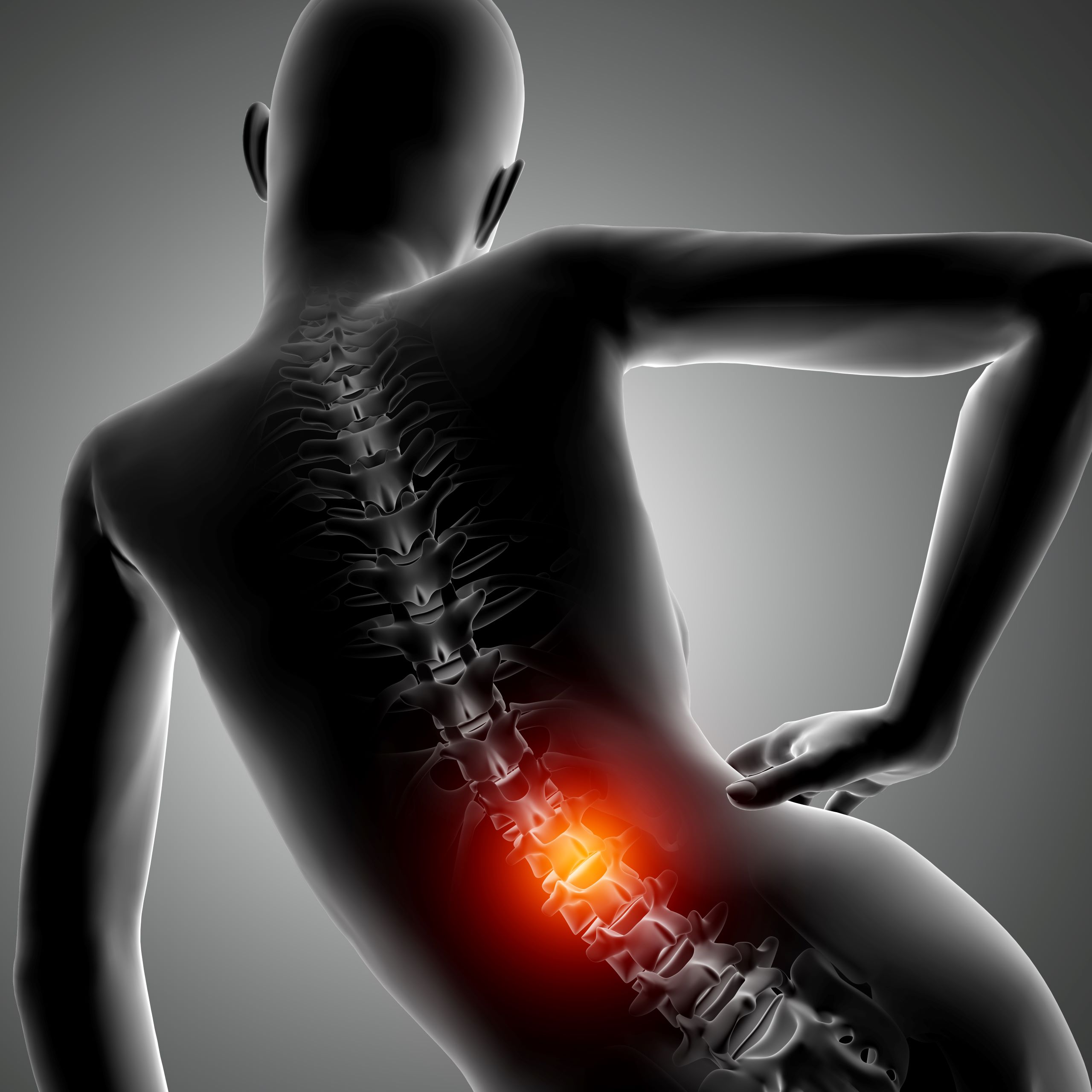
What is Spinal Stenosis?
As I mentioned in my bio and previous articles, I have severe lumbar spinal stenosis. But what is spinal stenosis other than a persistent, excruciating pain in my back? It is a condition resulting from spinal canal narrowing that places excessive pressure on the spinal cord and nerves.
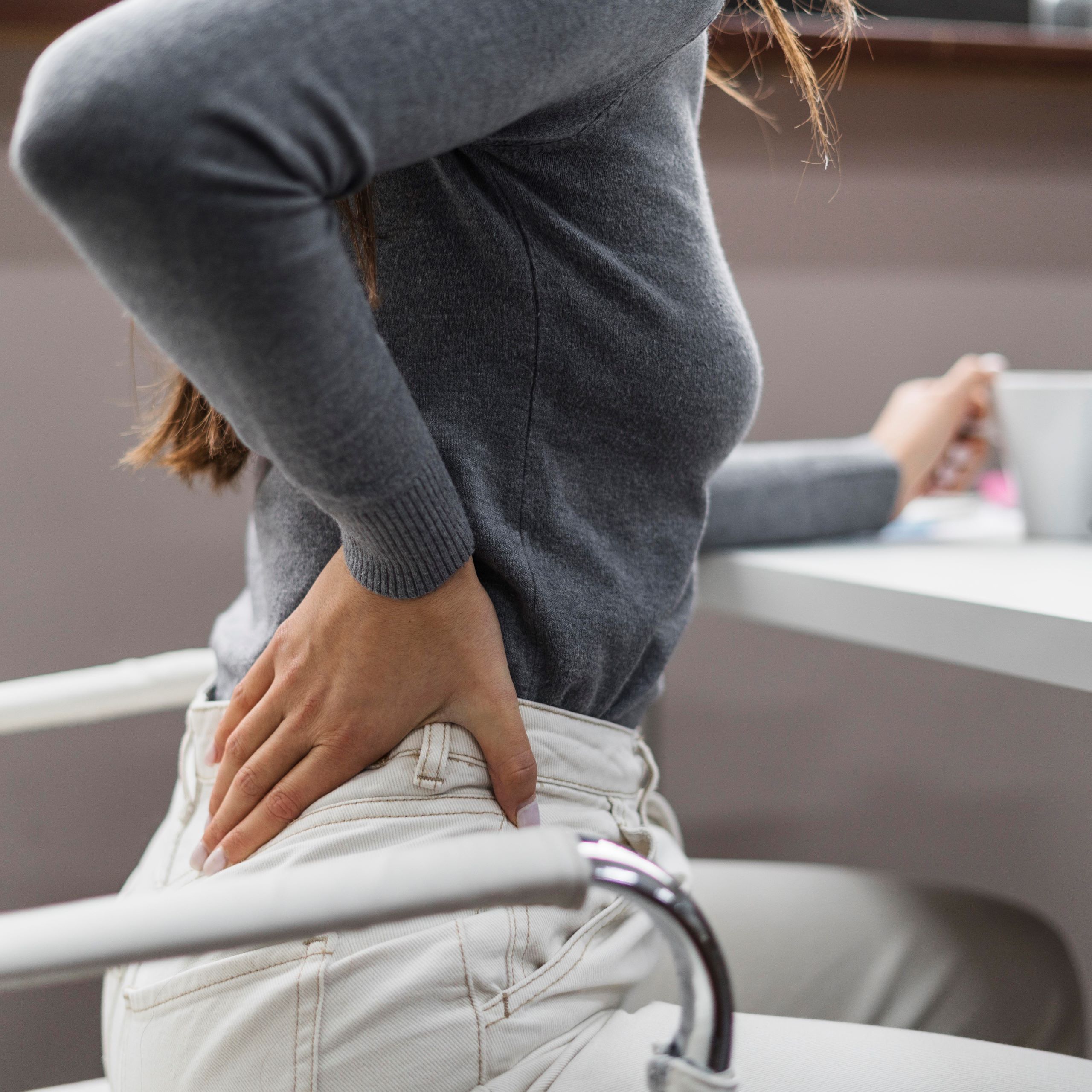
Sitting it Out Can Lead to More Pain!
Given the physical activities we engage in daily, it is not surprising that sprains, strains, and tears occur as often as they do. This is because our bodies are in perpetual motion. But to avoid breakdown, our muscles, joints, and bones need rest from all the lifting, pulling, pushing, running, slipping, and falling.
It is no wonder that individuals with back pain opt for sitting or lying down to avoid additional discomfort whenever possible. But here is some bad news. A Cornell University Department of Ergonomics sitting down too frequently or sleeping in an unorthodox position leads to more pain! And who wants that? I know I don’t! Doctor RJ Burr at startstanding.org writes that 90% of the pressure is placed on the back when sitting rather than standing, due to muscle imbalances and stress.
I know from personal experience that my hip flexors are tight, and it has been challenging to stretch them. Other muscles that feel tight are my hamstrings, piriformis, and quadriceps. In addition, my glute muscles have weakened from many years of prolonged sitting 10-12 hours a day from office work, not to mention additional sitting during leisure time away from work.
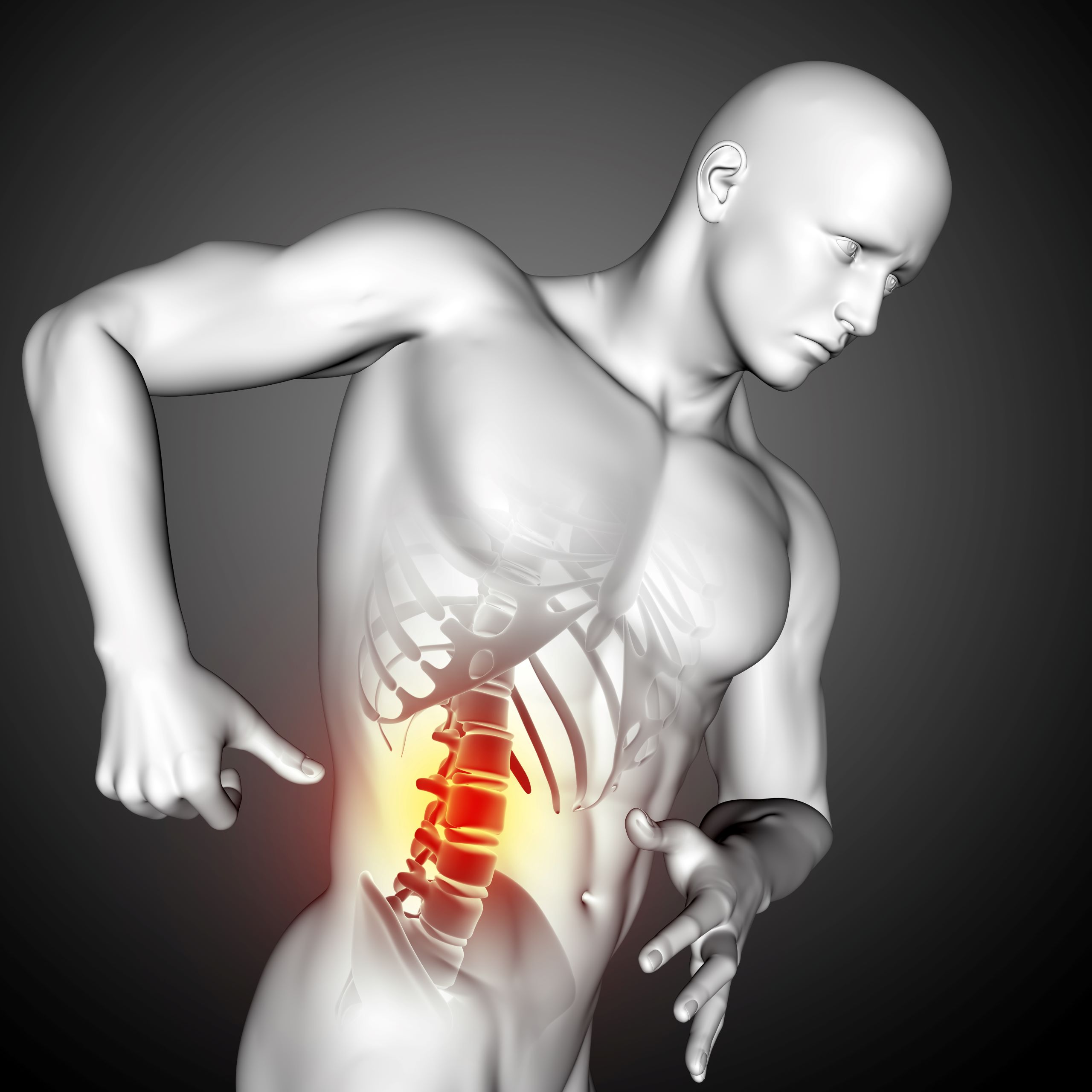
Common Symptoms
An inability to bend, extend, or twist with a full range of motion is a familiar way to tell if you have muscle, tendon, or bone-ligament stress.
The National Institutes of Health published a recent study that found that lumbar back pain significantly decreased during physical activity. The study also reported that walking and stabilization exercises, such as pelvic tilts and brace-supine marching, may alleviate low back pain. As we have covered in previous articles, endurance, stabilization, and strengthening of the core muscles are crucial to decreasing back pain.
The key to walking as a helpful exercise for lumbar spine stenosis is making small changes in walking, says Michael C. Remy, M.D., of Pain-Free & Fit. Doctor Remy says that minor adjustments in body mechanics can decrease spinal stenosis symptoms.
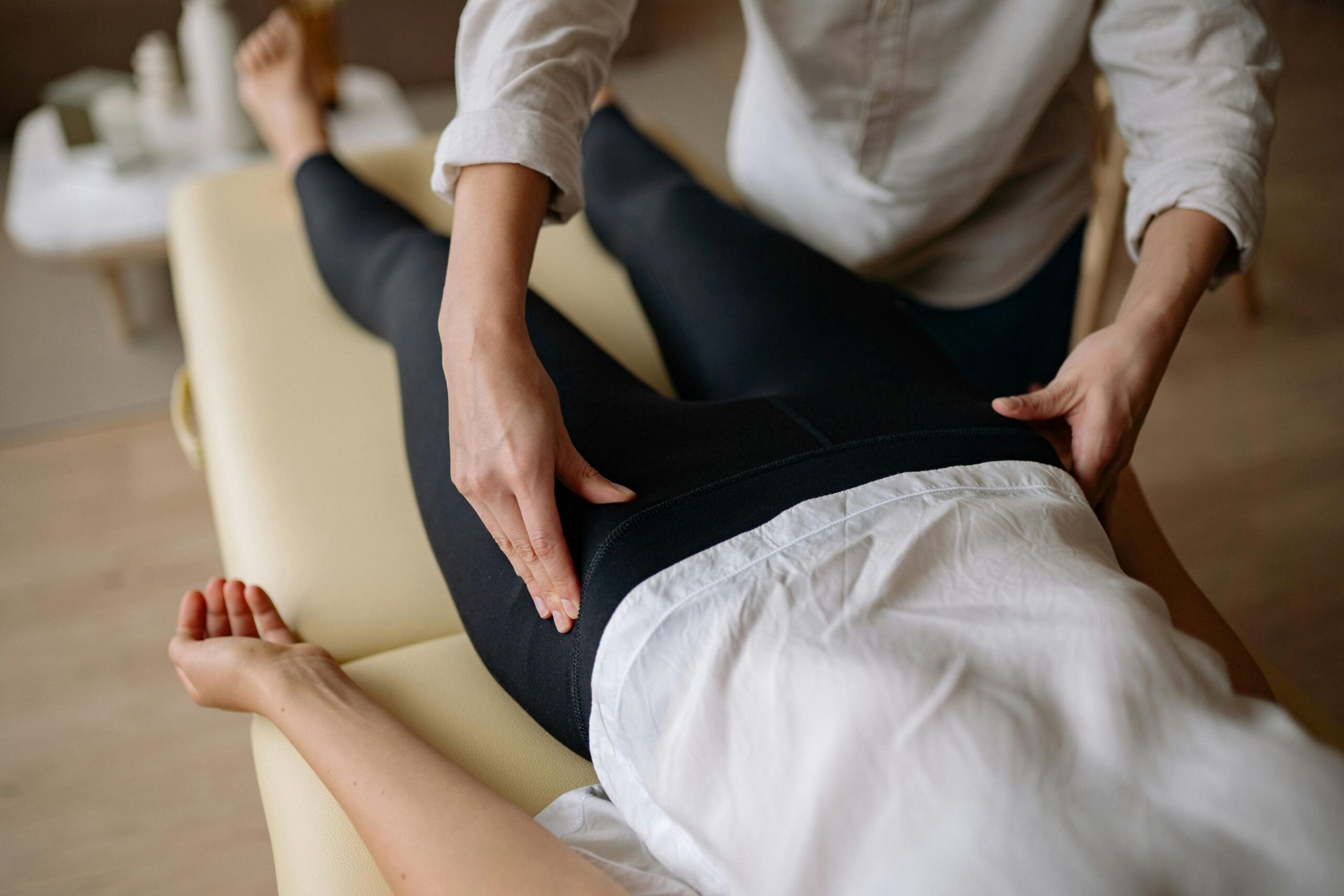
Performing a Proper Posterior Pelvic Tilt
Before beginning your walk, Doctor Remy recommends practicing a standing posterior pelvic tilt exercise. Then, use the pelvic tilt while walking to help stabilize the spine.
While standing, roll the bottom of your pelvis forward. Imagine that the tip of your tailbone is neutral, perfectly lined up with your ears and shoulders. The movement should straighten your lower back’s natural curve so that it can press flat against a wall.
Do not roll the pelvis’s bottom too far forward, which may cause discomfort and spinal nerve irritation. You will know that you are performing the movement correctly when you feel your abs engaged. Again, as you roll the bottom of your pelvis forward, your abs muscles contract involuntarily.
Doctor Remy then recommends making a slight crunch downward with the top of your abs just below your chest, engaging your abs further. Hold the pelvic tilt and abdominal crunch as you walk.

Spine Strength and Stabilization
Walking is an effective way to strengthen and stabilize the spine by engaging the body’s muscles. It is arguably the most basic of all exercises. It has many fundamental health and fitness benefits, like maintaining overall health. Walking is low-impact, can be done at our leisure without any specific schedule, and does not require any equipment. It can strengthen and stabilize our spine.
There is always walking when no gym, athletic, or recreational facility is available for us to use.
Little by Little
Since beginning physical therapy to treat my spinal stenosis, I started walking little by little. It was excruciating each time I rose from a seat, and I sometimes wanted to stop and lie down. But once I got going, my strides began to open up, and I quickly found myself in a nice rhythm. The more I walked, the more pain in my lower back began to go away, and my lower and mid-back muscles started to engage.
By then, I remembered the advice from my physical therapist at NYU Langone and the words from Dr. Remy’s video. I brought my pelvis into a neutral position and engaged my abdominal muscles, and my lower back pain nearly subsided during the walk.
Last weekend, my wife and I went for a walk in Manhattan. Eventually, I did tire out, and I could feel my lower back aches returning. But by the end of our journey, after a few short stops, we racked up 10 miles on our health tracker.
Conclusion
If you suffer from degenerative disc disease, such as spinal stenosis, or any other debilitating spinal issue, but you can still walk, try going for a stroll. It does not matter whether the distance or time is short or long, because you may gradually see improvement with consistent effort.
Sources:
-
- Preview YouTube video BEST Hip, Piriformis & Hamstring Stretches, Increase Flexibility To Stop Pain.
- BEST Hip, Piriformis & Hamstring Stretches, Increase Flexibility To Stop Pain
- Walk Away Back Pain – The Art of Twisting for Healing Back Pain- Part1
- Walk Away Back Pain: The Art of Twisting for Healing Back Pain- Part2
Before starting any new health and fitness program or taking supplements, it’s crucial to consult with your healthcare professional. They can provide personalized advice based on your medical history and current health status, ensuring your new regimen is safe and effective. This step helps mitigate potential health risks and ensures that any changes you make are beneficial and sustainable over the long term. Your healthcare professional is your primary resource for making informed decisions about your health and wellness.