Endless Summer Fitness provides workout tips for fitness beginners, weekend warriors, post-physical therapy individuals, men and women in middle life, and anyone seeking fitness results.

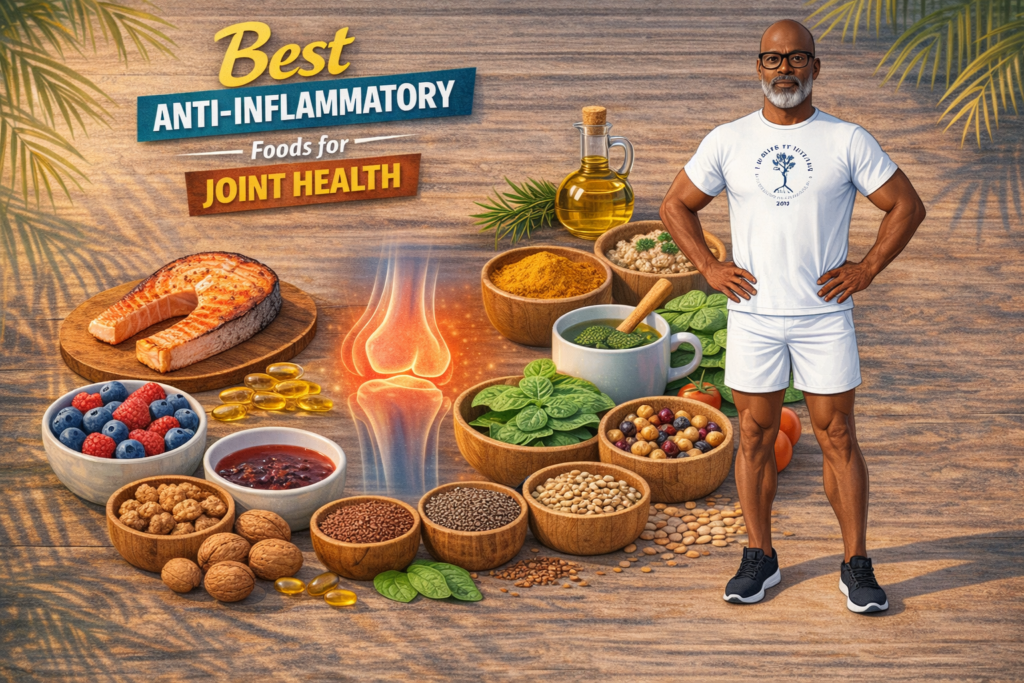
Top 10 Anti-Inflammatory Foods for Joint Health

Hybrid fitness athletes push their bodies harder than most. Because you’re mixing strength and endurance, your joints take on more stress, more volume, and more impact. That’s why eating the top 10 anti-inflammatory foods for joint health is essential. These foods help reduce pain, speed recovery, and support long-term performance.

Inflammation is normal after training, but chronic inflammation slows progress and increases stiffness. By adding anti-inflammatory foods to your meals, you protect your joints, improve mobility, and stay consistent with your hybrid training.
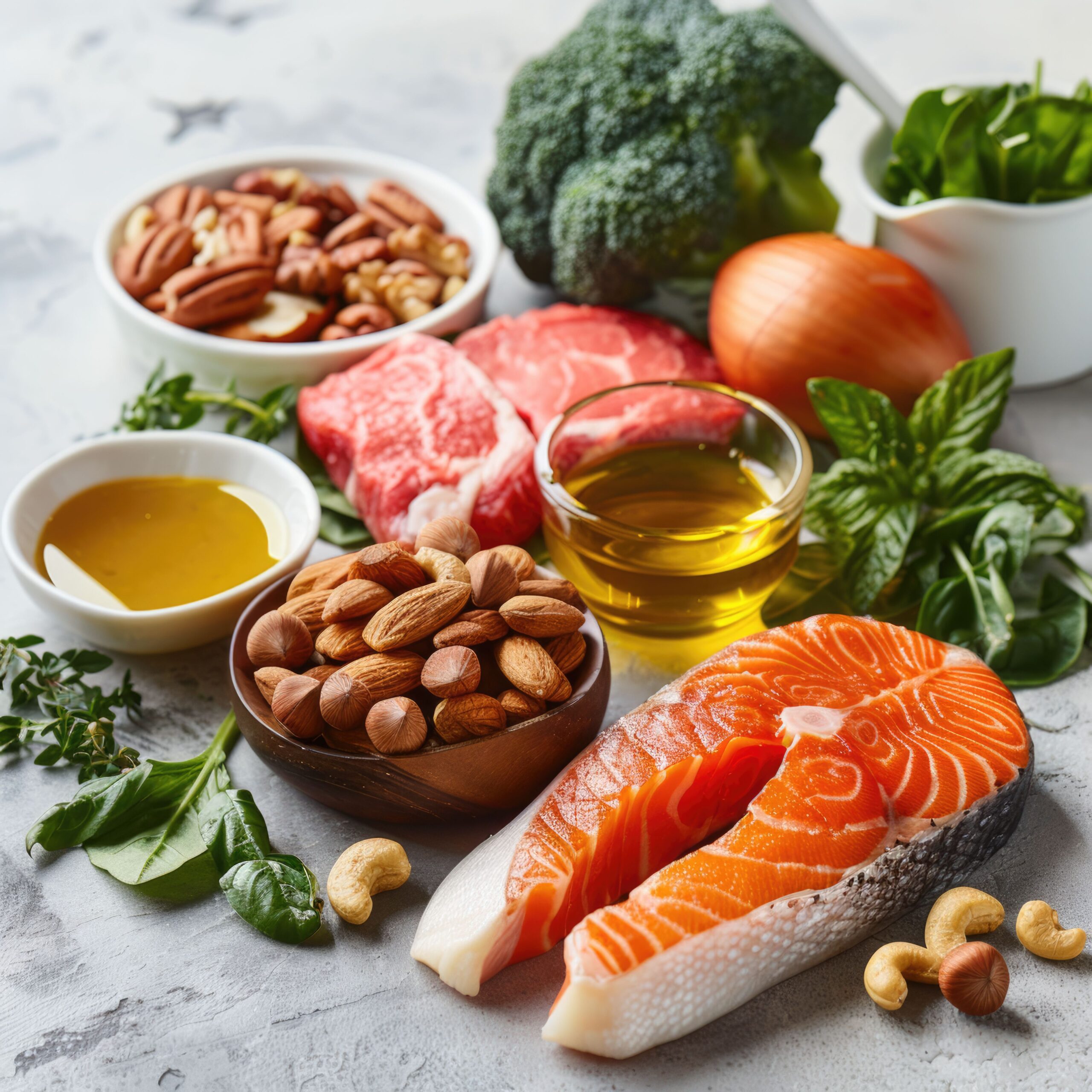
Top 10 Anti-Inflammatory Foods for Joint Health

Why Inflammation Matters for Hybrid Athletes 

When you lift heavy or run long, your muscles and joints experience micro-tears. Acute inflammation helps repair this damage. However, when inflammation lingers, it becomes chronic. Chronic inflammation raises markers like CRP and IL-6, which are linked to joint pain and long-term wear.

Hybrid athletes often train at higher volumes, so managing inflammation becomes essential for staying pain-free and progressing safely.

How Anti-Inflammatory Foods Support Joint Health

The best anti-inflammatory foods for joint health contain nutrients that help:

  • Lower inflammation markers
  • Support cartilage and connective tissue
  • Reduce oxidative stress
  • Improve recovery after strength and endurance sessions
  • Protect long-term joint function

For hybrid athletes, this means fewer setbacks, better performance, and more productive training cycles.

Top 10 Best Anti-Inflammatory Foods for Joint Health

Below is a clean, scannable table summarizing the top foods, their key nutrients, and how they support joint health.

Table: Top 10 Anti-Inflammatory Foods for Joint Health

Fod Category Key Nutrients / Compounds Joint Health Benefits Serving Ideas
Fatty Fish Omega‑3s (EPA, DHA) Reduces CRP, joint pain, and supports recovery Grilled salmon, sardines, mackerel
Berries / Tart Cherries Anthocyanins, Vitamin C Lowers inflammation, speeds recovery Smoothies, yogurt, tart cherry juice
Leafy Greens Vitamins A, C, K, Magnesium Supports bones, lowers CRP Salads, smoothies, omelets
Olive Oil Oleocanthal, MUFAs Blocks inflammatory enzymes Salad dressing, cooking oil
Turmeric Curcumin Reduces joint pain, antioxidant Curries, soups, golden milk
Green Tea EGCG, Polyphenols Protects joints, lowers CRP Hot/iced tea, matcha
Nuts & Seeds ALA, Vitamin E, Fiber Supports joint tissue, reduces CRP Oatmeal, salads, snacks
Fermented Foods Probiotics Regulates inflammation, supports gut health Yogurt, kefir, kimchi
Legumes Fiber, Polyphenols, Protein Lowers TNF‑α, supports recovery Soups, salads, grain bowls
Whole Grains Fiber, Antioxidants Supports gut health, lowers CRP Oats, quinoa, brown rice

Food-by-Food Breakdown

  1. Fatty Fish (Salmon, Sardines, Mackerel)

Rich in EPA and DHA, fatty fish reduce inflammation and support joint lubrication. Research from The American Journal of Clinical Nutrition links omega-3 intake to lower CRP and improved mobility.

Hybrid benefit: Better recovery and heart health.

  1. Berries and Tart Cherries

Loaded with anthocyanins, berries reduce oxidative stress. Tart cherry juice has been shown in JISSN to reduce soreness after intense training.

Hybrid benefit: Faster recovery after high-volume sessions.

  1. Leafy Greens

Packed with vitamins and minerals that support bone and muscle function. Higher intake of leafy green vegetables is associated with lower CRP levels.

Hybrid benefit: Stronger connective tissue and better mobility.

  1. Extra Virgin Olive Oil

Oleocanthal acts like natural ibuprofen by blocking inflammatory enzymes.

Hybrid benefit: Reduced stiffness and improved joint comfort.

  1. Turmeric (Curcumin)

Curcumin reduces joint pain and stiffness. Pair with black pepper for better absorption.

Hybrid benefit: Less soreness after heavy lifting or long runs.

  1. Green Tea

EGCG helps reduce inflammation and oxidative stress.

Hybrid benefit: Supports recovery from endurance training.

  1. Nuts and Seeds

ALA and vitamin E help protect joint tissue and reduce inflammation.

Hybrid benefit: Steady energy and improved recovery.

  1. Fermented Foods

Probiotics support gut health, which regulates inflammation throughout the body.

Hybrid benefit: Better digestion and immune function.

  1. Legumes

High in fiber and polyphenols, legumes lower inflammation markers like TNF-a.

Hybrid benefit: Stable energy and improved endurance.

  1. Whole Grains

Whole grains support gut health and reduce inflammation.

Hybrid benefit: Better glycogen replenishment and recovery.

How to Add These Foods to Your Hybrid Fitness Diet

Serving Guidelines

  • Fatty Fish: 3–6 oz, 2–4× weekly
  • Berries: 1 cup daily
  • Leafy Greens: 1–2 cups daily
  • Olive Oil: 1–2 tbsp daily
  • Turmeric: ½–1 tsp daily
  • Green Tea: 2–3 cups daily
  • Nuts/Seeds: 1 oz or 1 tbsp ground
  • Fermented Foods: 1 serving daily
  • Legumes: ½–1 cup, 3–5× weekly
  • Whole Grains: 3 servings daily

Easy Meal Ideas

  • Oatmeal with berries, walnuts, and flaxseed
  • Quinoa salad with chickpeas and kale
  • Tart cherry juice or chia pudding
  • Grilled salmon with brown rice
  • Lentil curry with turmeric

Calls To Action

Summary

Eating the best anti-inflammatory foods for joint health is one of the simplest ways to protect your joints and improve hybrid fitness performance. These foods help reduce inflammation, support cartilage, and speed up recovery after tough training sessions.

Hybrid athletes place unique stress on their joints due to the combination of strength and endurance work. Anti-inflammatory foods help balance this stress by lowering CRP, reducing stiffness, and improving mobility. When you include these foods consistently, you’ll notice better recovery, fewer aches, and more energy.

Over time, this nutrition strategy supports long-term performance, reduces injury risk, and helps you train harder with confidence.

FAQs

  1. What are the best anti-inflammatory foods for joint health?

Fatty fish, berries, leafy greens, olive oil, turmeric, green tea, nuts, seeds, fermented foods, legumes, and whole grains.

  1. How do these foods help with recovery?

They reduce oxidative stress, lower inflammation, and support joint tissue repair.

  1. Do I need supplements?

Most nutrients can come from food, but omega‑3 or curcumin supplements may help if your intake is low.

  1. What foods should I avoid?

Limit processed foods, added sugars, refined grains, and fried foods.

  1. Are these foods safe with medication?

Some foods (like turmeric or green tea) may interact with blood thinners. Consult your doctor if needed.

  1. How soon will I feel results?

Many athletes notice improvements within a few weeks, with greater benefits over time.

Safety Disclaimer

This article is for informational purposes only and is not medical advice. Consult a healthcare professional before changing your diet, supplements, or training routine.

Smart tools, human guidance — straightforward, simple, effective, and fun.

Hybrid fitness athletes push their bodies harder than most. Because you’re mixing strength and endurance, your joints take on more stress, more volume, and more impact. That’s why eating the top 10 anti-inflammatory foods for joint health is essential. These foods help reduce pain, speed recovery, and support long-term performance.

Inflammation is normal after training, but chronic inflammation slows progress and increases stiffness. By adding anti-inflammatory foods to your meals, you protect your joints, improve mobility, and stay consistent with your hybrid training.

Top 10 Anti-Inflammatory Foods for Joint Health

Why Inflammation Matters for Hybrid Athletes 

When you lift heavy or run long, your muscles and joints experience micro-tears. Acute inflammation helps repair this damage. However, when inflammation lingers, it becomes chronic. Chronic inflammation raises markers like CRP and IL-6, which are linked to joint pain and long-term wear.

Hybrid athletes often train at higher volumes, so managing inflammation becomes essential for staying pain-free and progressing safely.

How Anti-Inflammatory Foods Support Joint Health

The best anti-inflammatory foods for joint health contain nutrients that help:

  • Lower inflammation markers
  • Support cartilage and connective tissue
  • Reduce oxidative stress
  • Improve recovery after strength and endurance sessions
  • Protect long-term joint function

For hybrid athletes, this means fewer setbacks, better performance, and more productive training cycles.

Top 10 Best Anti-Inflammatory Foods for Joint Health

Below is a clean, scannable table summarizing the top foods, their key nutrients, and how they support joint health.

Table: Top 10 Anti-Inflammatory Foods for Joint Health

Fod Category Key Nutrients / Compounds Joint Health Benefits Serving Ideas
Fatty Fish Omega‑3s (EPA, DHA) Reduces CRP, joint pain, and supports recovery Grilled salmon, sardines, mackerel
Berries / Tart Cherries Anthocyanins, Vitamin C Lowers inflammation, speeds recovery Smoothies, yogurt, tart cherry juice
Leafy Greens Vitamins A, C, K, Magnesium Supports bones, lowers CRP Salads, smoothies, omelets
Olive Oil Oleocanthal, MUFAs Blocks inflammatory enzymes Salad dressing, cooking oil
Turmeric Curcumin Reduces joint pain, antioxidant Curries, soups, golden milk
Green Tea EGCG, Polyphenols Protects joints, lowers CRP Hot/iced tea, matcha
Nuts & Seeds ALA, Vitamin E, Fiber Supports joint tissue, reduces CRP Oatmeal, salads, snacks
Fermented Foods Probiotics Regulates inflammation, supports gut health Yogurt, kefir, kimchi
Legumes Fiber, Polyphenols, Protein Lowers TNF‑α, supports recovery Soups, salads, grain bowls
Whole Grains Fiber, Antioxidants Supports gut health, lowers CRP Oats, quinoa, brown rice

Food-by-Food Breakdown

  1. Fatty Fish (Salmon, Sardines, Mackerel)

Rich in EPA and DHA, fatty fish reduce inflammation and support joint lubrication. Research from The American Journal of Clinical Nutrition links omega-3 intake to lower CRP and improved mobility.

Hybrid benefit: Better recovery and heart health.

  1. Berries and Tart Cherries

Loaded with anthocyanins, berries reduce oxidative stress. Tart cherry juice has been shown in JISSN to reduce soreness after intense training.

Hybrid benefit: Faster recovery after high-volume sessions.

  1. Leafy Greens

Packed with vitamins and minerals that support bone and muscle function. Higher intake of leafy green vegetables is associated with lower CRP levels.

Hybrid benefit: Stronger connective tissue and better mobility.

  1. Extra Virgin Olive Oil

Oleocanthal acts like natural ibuprofen by blocking inflammatory enzymes.

Hybrid benefit: Reduced stiffness and improved joint comfort.

  1. Turmeric (Curcumin)

Curcumin reduces joint pain and stiffness. Pair with black pepper for better absorption.

Hybrid benefit: Less soreness after heavy lifting or long runs.

  1. Green Tea

EGCG helps reduce inflammation and oxidative stress.

Hybrid benefit: Supports recovery from endurance training.

  1. Nuts and Seeds

ALA and vitamin E help protect joint tissue and reduce inflammation.

Hybrid benefit: Steady energy and improved recovery.

  1. Fermented Foods

Probiotics support gut health, which regulates inflammation throughout the body.

Hybrid benefit: Better digestion and immune function.

  1. Legumes

High in fiber and polyphenols, legumes lower inflammation markers like TNF-a.

Hybrid benefit: Stable energy and improved endurance.

  1. Whole Grains

Whole grains support gut health and reduce inflammation.

Hybrid benefit: Better glycogen replenishment and recovery.

How to Add These Foods to Your Hybrid Fitness Diet

Serving Guidelines

  • Fatty Fish: 3–6 oz, 2–4× weekly
  • Berries: 1 cup daily
  • Leafy Greens: 1–2 cups daily
  • Olive Oil: 1–2 tbsp daily
  • Turmeric: ½–1 tsp daily
  • Green Tea: 2–3 cups daily
  • Nuts/Seeds: 1 oz or 1 tbsp ground
  • Fermented Foods: 1 serving daily
  • Legumes: ½–1 cup, 3–5× weekly
  • Whole Grains: 3 servings daily

Easy Meal Ideas

  • Oatmeal with berries, walnuts, and flaxseed
  • Quinoa salad with chickpeas and kale
  • Tart cherry juice or chia pudding
  • Grilled salmon with brown rice
  • Lentil curry with turmeric

Calls To Action

Summary

Eating the best anti-inflammatory foods for joint health is one of the simplest ways to protect your joints and improve hybrid fitness performance. These foods help reduce inflammation, support cartilage, and speed up recovery after tough training sessions.

Hybrid athletes place unique stress on their joints due to the combination of strength and endurance work. Anti-inflammatory foods help balance this stress by lowering CRP, reducing stiffness, and improving mobility. When you include these foods consistently, you’ll notice better recovery, fewer aches, and more energy.

Over time, this nutrition strategy supports long-term performance, reduces injury risk, and helps you train harder with confidence.

FAQs

  1. What are the best anti-inflammatory foods for joint health?

Fatty fish, berries, leafy greens, olive oil, turmeric, green tea, nuts, seeds, fermented foods, legumes, and whole grains.

  1. How do these foods help with recovery?

They reduce oxidative stress, lower inflammation, and support joint tissue repair.

  1. Do I need supplements?

Most nutrients can come from food, but omega‑3 or curcumin supplements may help if your intake is low.

  1. What foods should I avoid?

Limit processed foods, added sugars, refined grains, and fried foods.

  1. Are these foods safe with medication?

Some foods (like turmeric or green tea) may interact with blood thinners. Consult your doctor if needed.

  1. How soon will I feel results?

Many athletes notice improvements within a few weeks, with greater benefits over time.

Safety Disclaimer

This article is for informational purposes only and is not medical advice. Consult a healthcare professional before changing your diet, supplements, or training routine.

Smart tools, human guidance — straightforward, simple, effective, and fun.

Leave a Comment

Your email address will not be published. Required fields are marked *

Scroll to Top
Scroll to Top
Verified by MonsterInsights