
Endless Summer Fitness provides workout tips for fitness beginners, weekend warriors, post-physical therapy individuals, men and women in middle life, and anyone seeking fitness results.

You Need to Eat These Foods!

The Power of Anti-Inflammatory Foods

Why Your Health Depends on Them

  • The Holistic View: Nutrition isn’t just for weight loss or disease prevention; it’s a key tool for managing spinal health.
  • The Direct Approach: Beyond preventing chronic illness, proper nutrition is essential for alleviating spinal pain.
  • The Impactful Summary: Eat for more than just weight loss—balanced nutrition effectively reduces back pain.
Key Benefits of Proper Nutrition
  • Disease Prevention: Lowers risk of diabetes, cancer, and heart disease.
  • Weight Management: Helps control caloric intake and fat loss.
  • Pain Relief: Alleviates chronic spinal and back discomfort. 

A study by the Department of Physical Education and Recreation Studies at Mount Royal University in Canada concluded that an appropriate diet positively affects multiple spinal conditions, including inflammation, pain, bone density, and mobility.


Causes for Spinal Stenosis

Spinal stenosis occurs when the spaces in the spine narrow, putting direct pressure on the nerves. It occurs most in the lower back and the neck (cervical spine). 

  • Osteoarthritis primarily causes wear and tear of spinal tissue.
  • Spinal wear and tear from osteoarthritis is the chief cause.
  • Osteoarthritis-driven wear and tear is the main culprit.

What are the Right Foods for Back Pain?

A great meal plan should contain essential nutrients like proteins, antioxidants, glucosamine, chondroitin, calcium, fiber, Omega-3 and omega-9 fatty acids, Vitamins A, C, E, and Vitamin D3, Vitamin K2, and many of the B vitamins (including magnesium and iron).
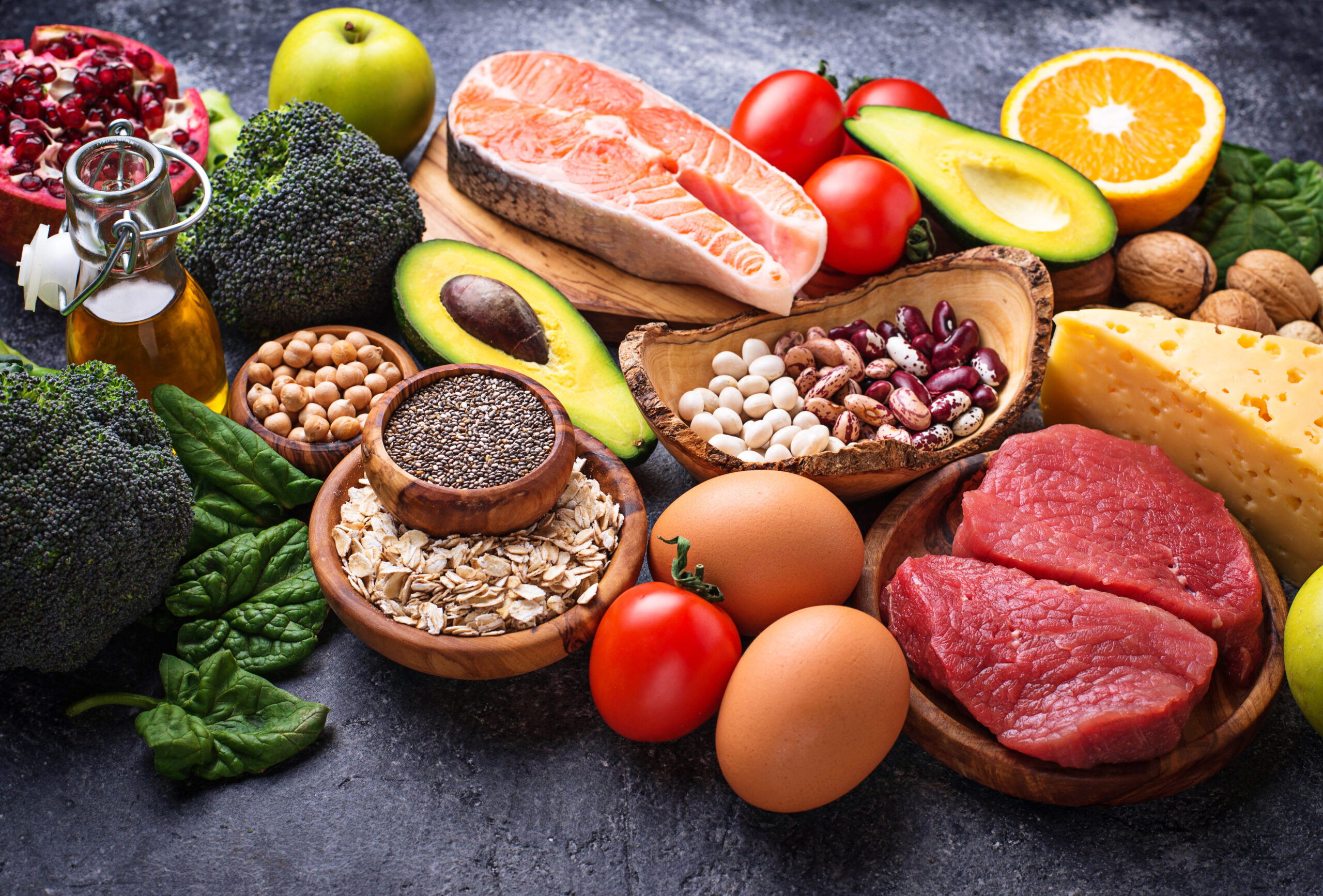

Proteins:

are critical building blocks for body structure, muscle growth, and bone density. Healthy proteins include chicken, duck, goose, hemp-tofu, pheasant, quail, and turkey.
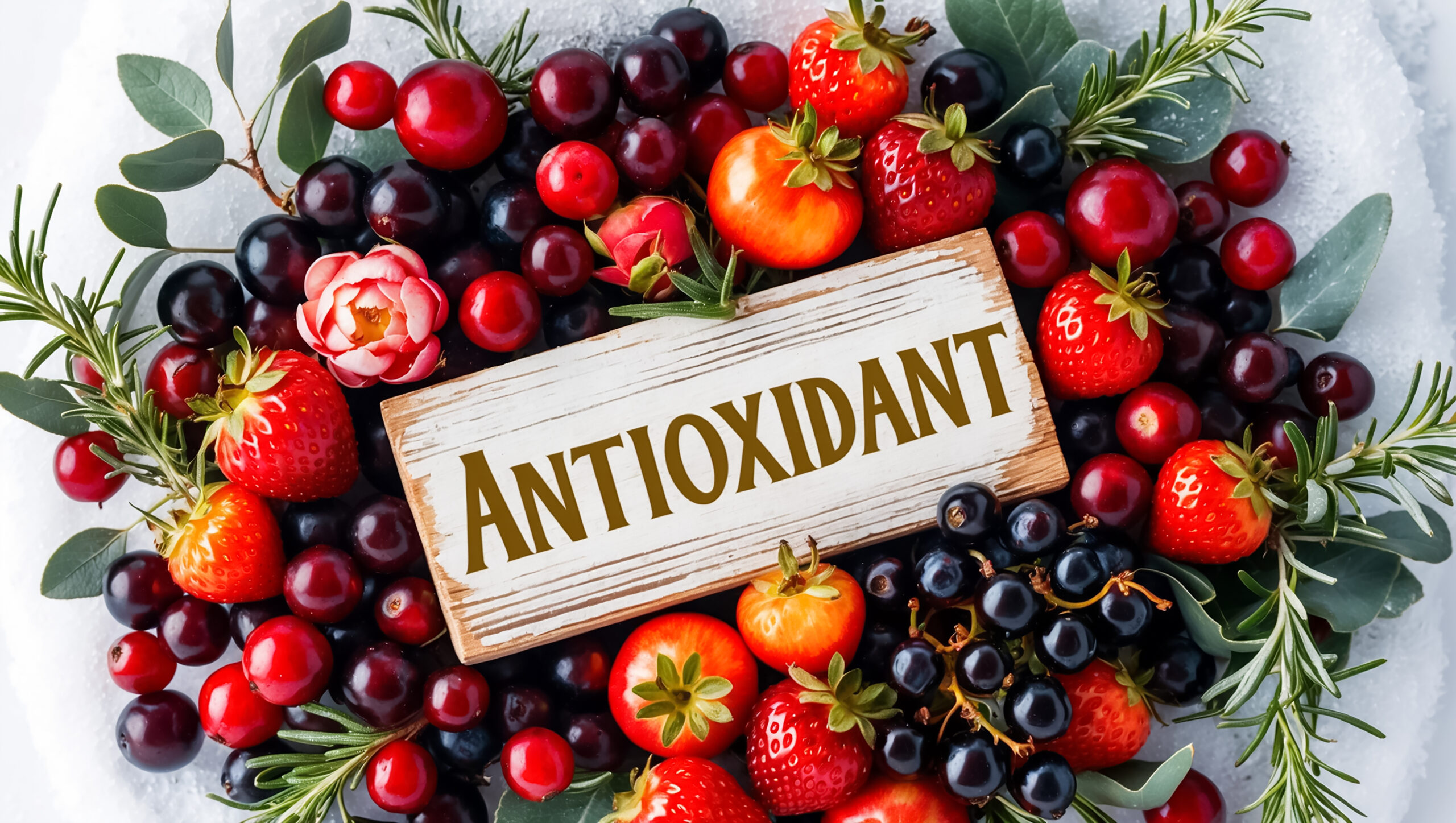

Antioxidants

are the body’s defenders against cell damage caused by harmful organic molecules called free radicals. Healthy antioxidants include beans, beets, blueberries, spinach, and strawberries.


Glucosamine

is an amino sugar with many health benefits for the musculoskeletal system. It is suitable for osteoarthritis-related joint pain, jaw pain, knee pain, and arthritis. It is also used for weight loss. Glucosamine has several forms: glucosamine sulfate, hydrochloride, and N-acetyl glucosamine. They are all taken orally.

Chondroitin

is a sulfated glycosaminoglycan composed of a chain of alternating sugars. It prevents cartilage degradation, stimulates repair mechanisms, promotes joint mobility, and reduces pain and the need for analgesics. Examples of chondroitin: taken orally, chondroitin is not a conventional treatment; the ideal dosage is uncertain.
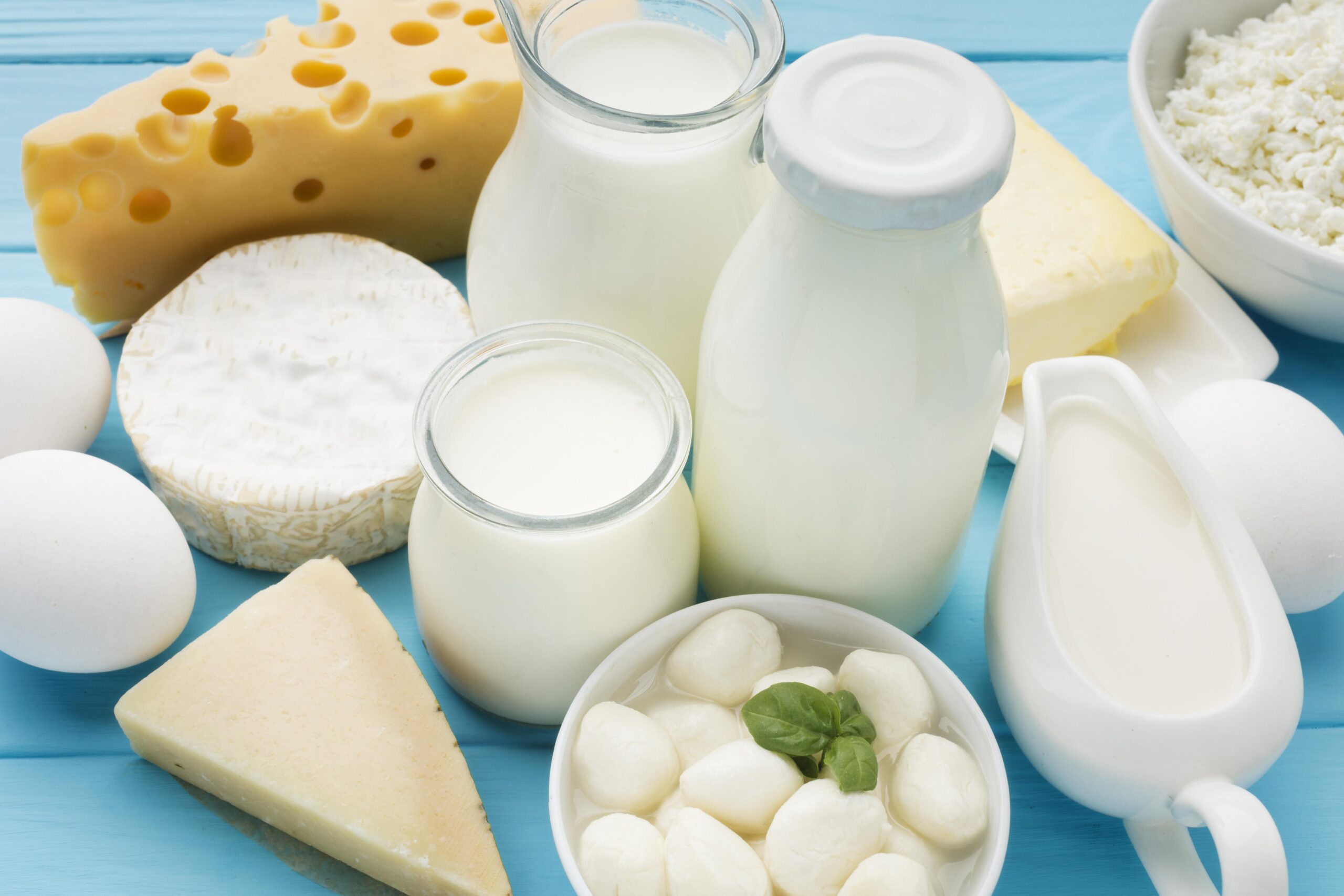
Calcium

is essential for bone formation and maintenance. It also supports a healthy heartbeat and blood clotting, thereby enabling muscular contractions. Furthermore, gender and age help determine the daily calcium requirement.
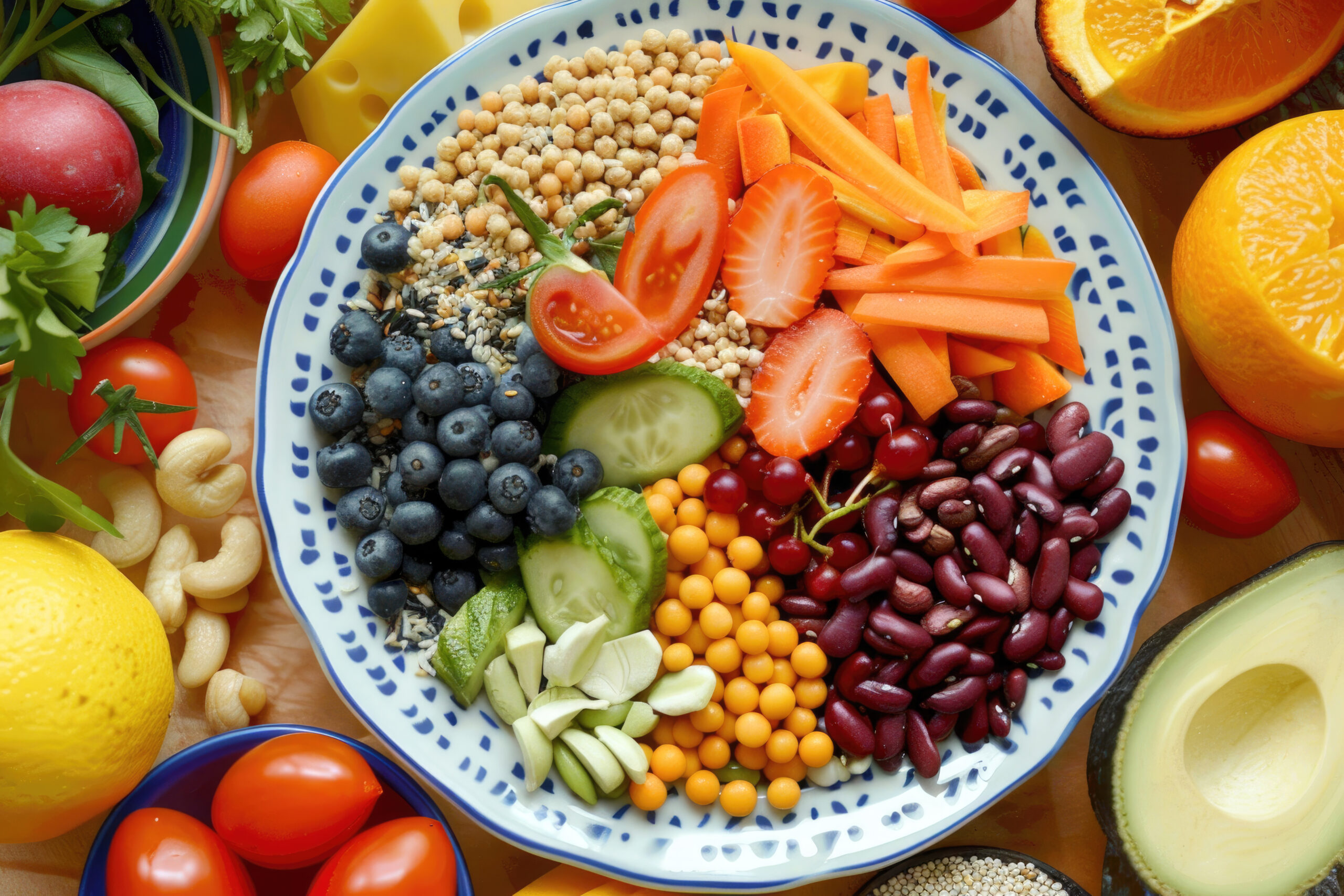
Fiber

is a natural body cleanser in beans, fruits, grains, nuts, and vegetables. Dietary fiber comes from plant-based foods.
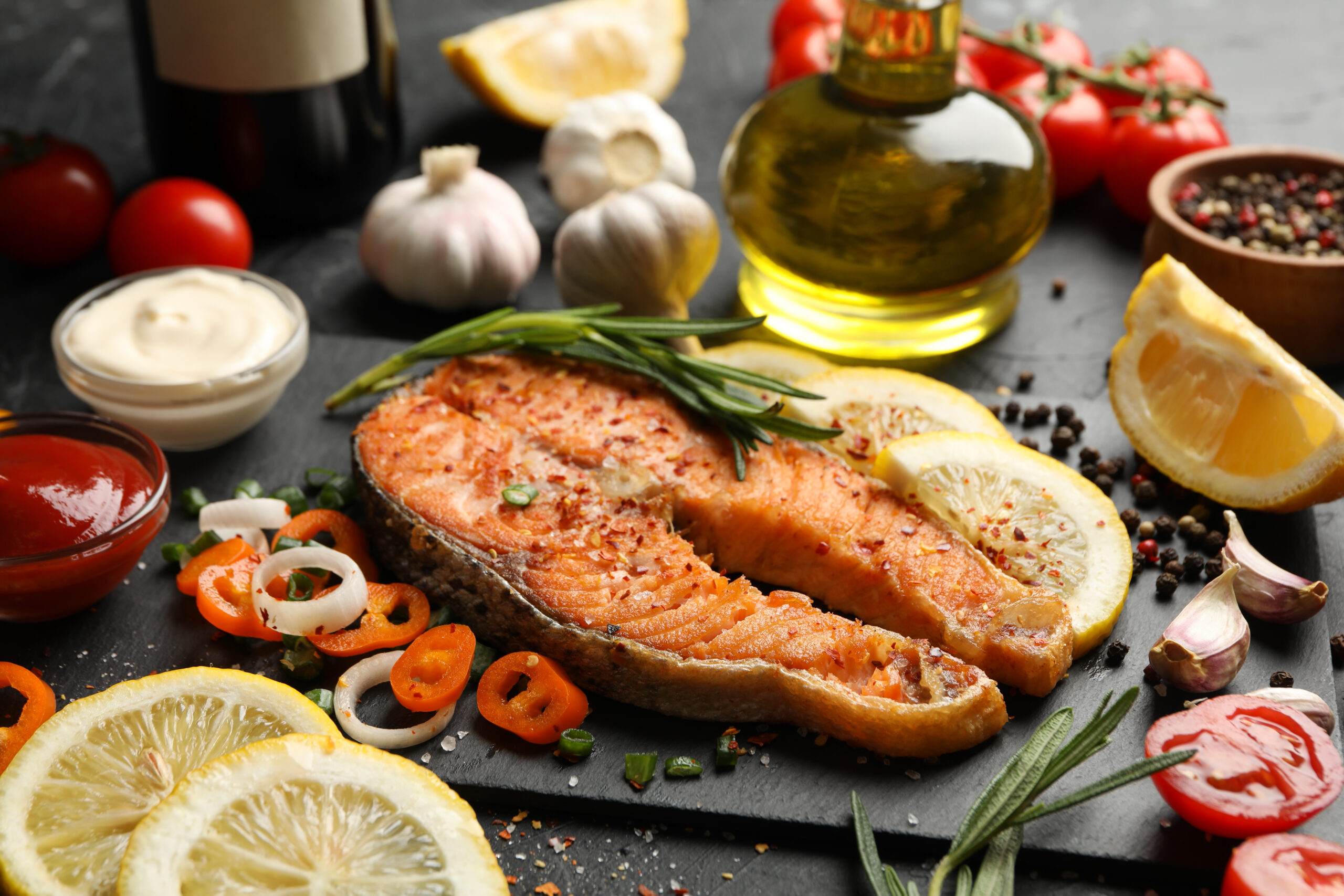

Omega-3

consists of polyunsaturated (many double bonds within the chemical structures) fats, essential fats that the body cannot produce.

Examples of oily fish contain substantial omega-3 fatty acids. The American Heart Association (A.H.A.) recommends eating approximately two portions of this type of fish weekly.
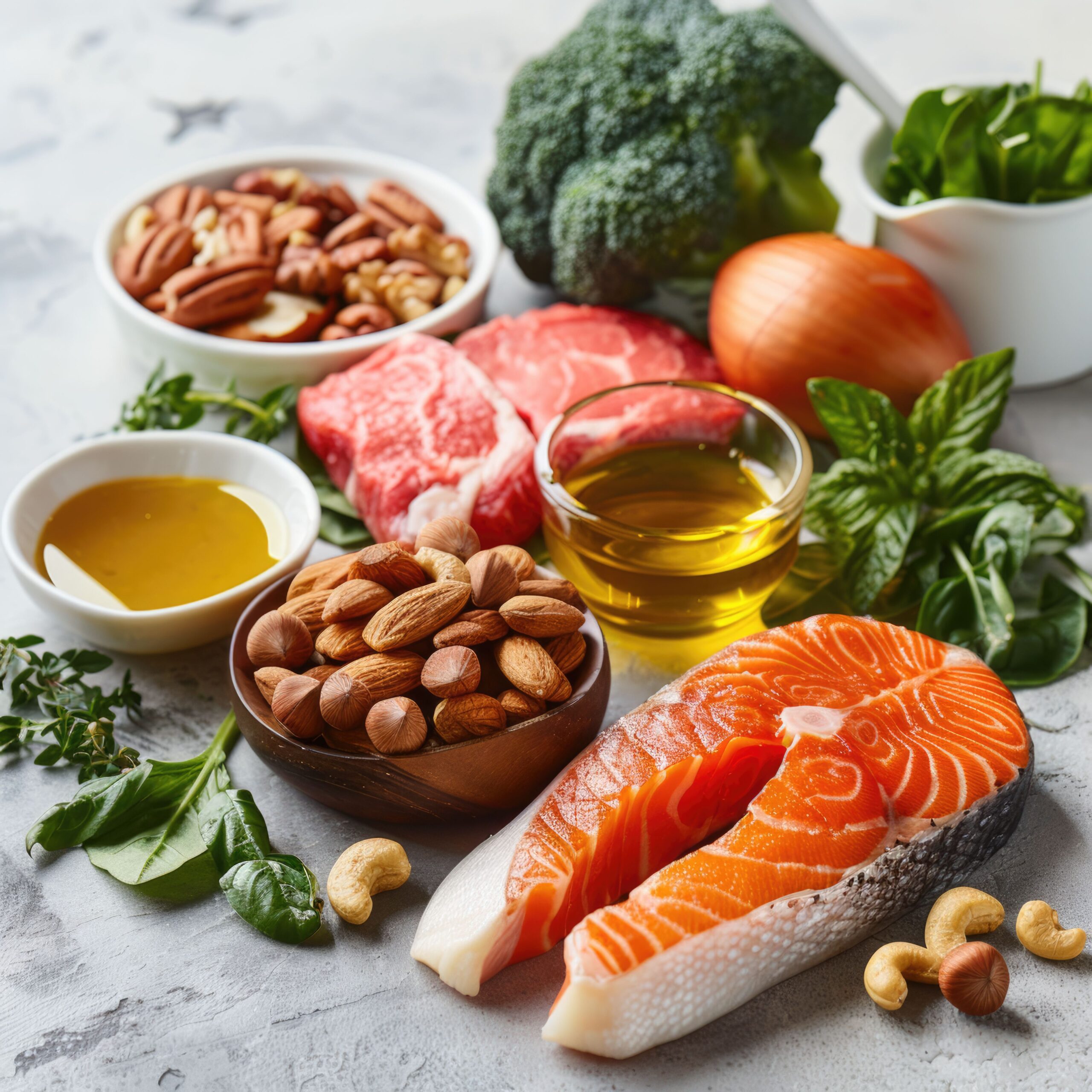

Omega-9s

are monounsaturated (one double bond) fats. Unlike omega-3, the body produces omega-9 fatty acids, which are not considered essential. Examples of Omega-9 include nuts, seeds, and oils created from them.
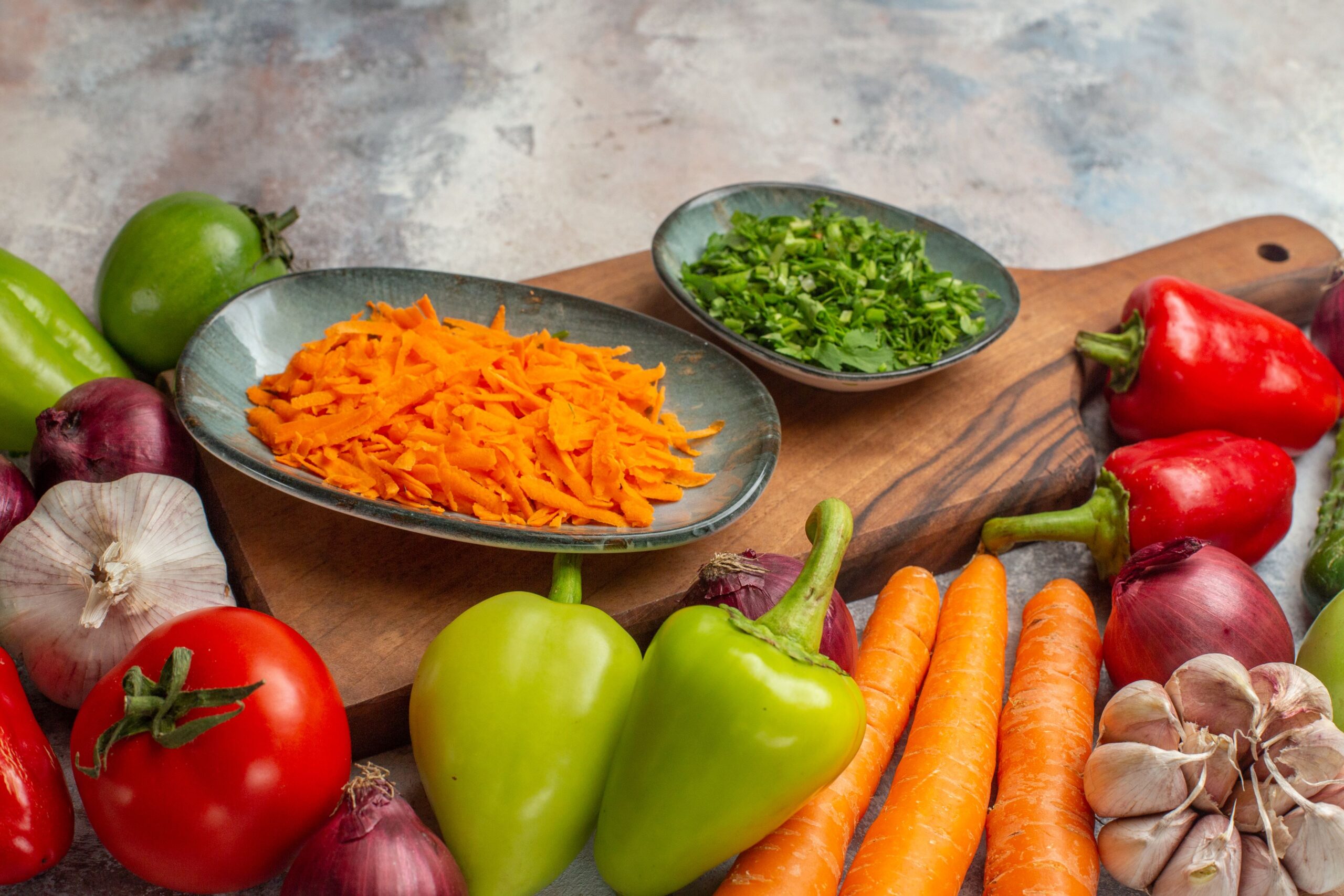

Vitamin A

is fat-soluble, which means it flows through the blood in proteins stored in fatty tissue and the liver and is absorbed in the lymph. Gender and age determine the average daily recommended intake of vitamin A.


  • Nutrient-Focused: Vitamin C (ascorbic acid) repairs tissue, protects cells, and supports skin and bone health.
  • Source-Focused: Citrus, berries, and greens provide Vitamin C, which is essential for cell protection and wound healing.
  • Concise: Vitamin C supports skin, bones, and immunity; find it in citrus, berries, and various vegetables
Vitamin E

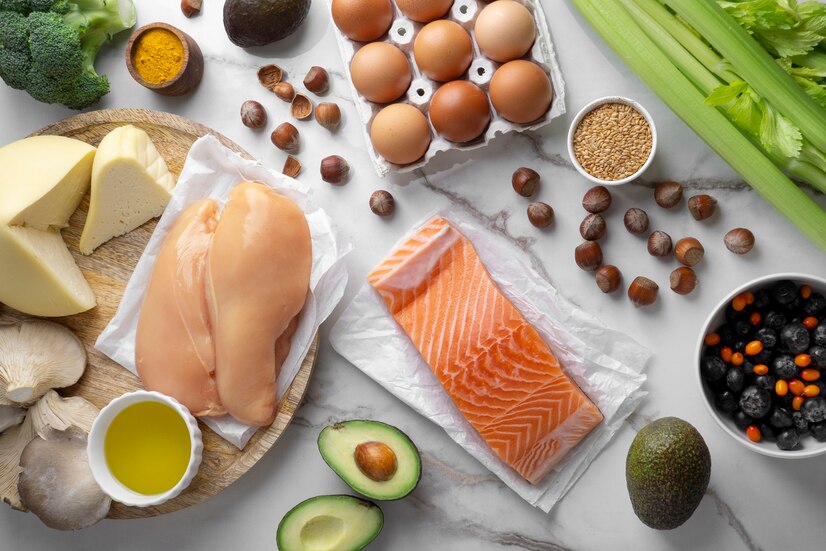
is not a single vitamin. Instead, it is a compound comprising a cluster of fat-soluble antioxidant vitamins. E Vitamins is in cereals, eggs, meat, poultry, vegetable oils, fruits, vegetables, wheat germ oil, or even a pill supplement.


Vitamin D3

is a group of fat-soluble secosteroids that increase the absorption within the intestines of calcium, magnesium, phosphate, and many other nutrients. Vitamin D3 is administered orally.

K2

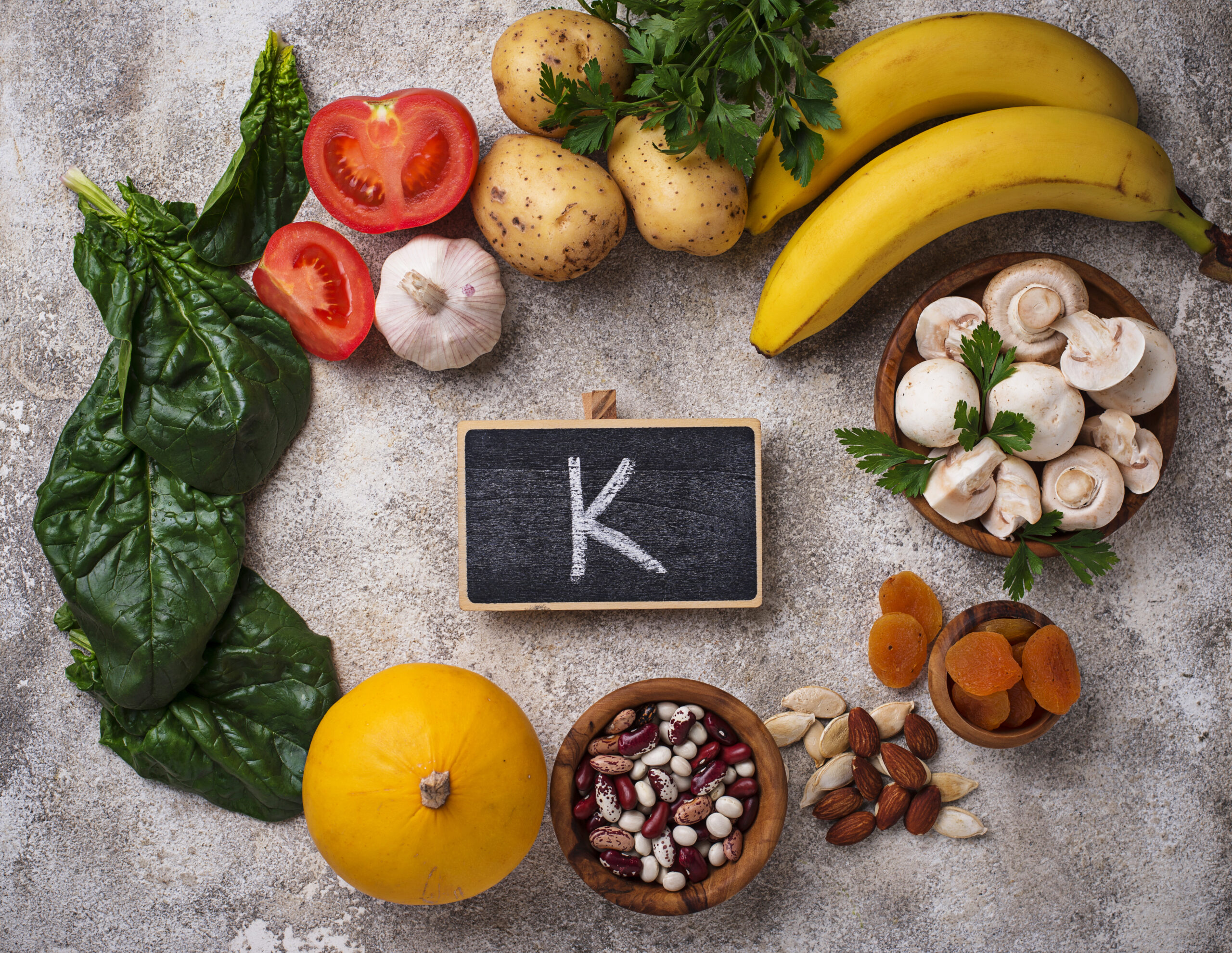
Vitamins metabolize calcium, the primary mineral in teeth and bones. It also helps with healthy blood clotting. Vitamin K2 is found in animal foods and fermented foods. Vitamin K2 is in cultured milk and yogurt, wine, beer, cider, tempeh, miso, kimchi, sauerkraut, and fermented sausage.

B vitamins

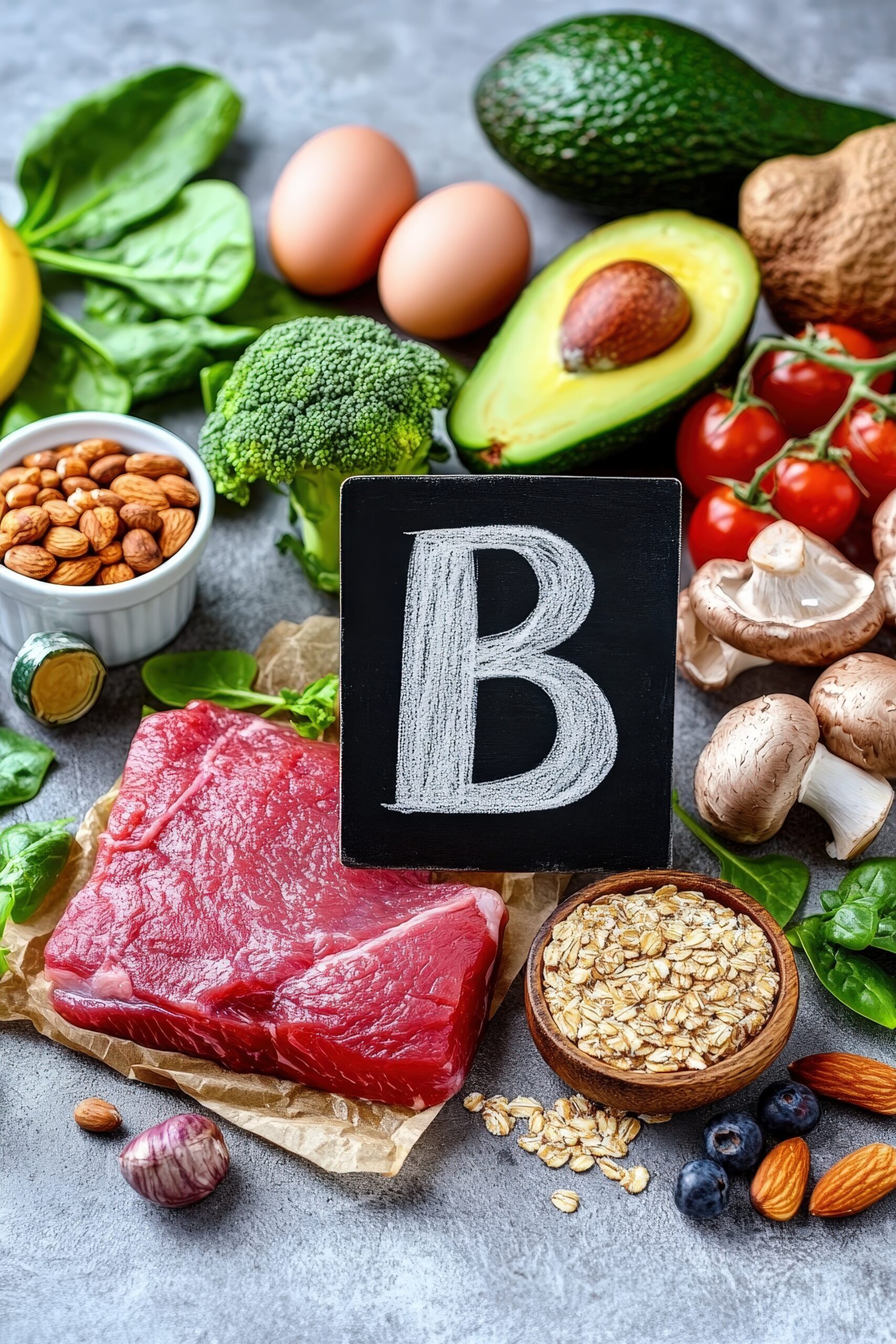
are eight vitamins that make up the B-complex. They are thiamine (B1), riboflavin (B2), niacin (B3), pantothenic acid (B5), pyridoxine (B6), biotin (B7), folate (B9), and cobalamin (B12). Beef, eggs, leafy greens, organ meats like liver, milk, clams, mussels, oysters, and legumes (like black beans, pinto beans, and chickpeas) are among the foods that contain the B-complex vitamins.

Iron and Magnesium

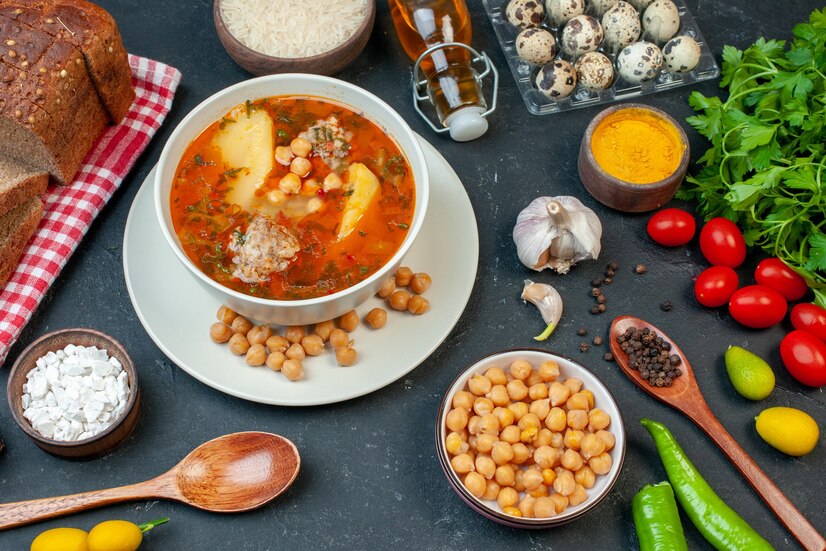
The body requires magnesium for essential chemical reactions, including blood pressure regulation and blood glucose homeostasis. Magnesium is also involved in the biological regulation of brain function, energy metabolism, brain and nervous system function, and protein synthesis.

Iron is found within hemoglobin (red blood cells), a protein that transports oxygen to tissues. Iron deficiency progresses gradually and is a significant trigger of anemia. The World Health Organization estimated that iron deficiency is behind half of all anemia cases worldwide. Foods with magnesium are legumes, green leafy vegetables, nuts, seeds, and whole grains. In comparison, iron is in fish, meat, and poultry.


Water

Drinking sufficient water aids your body in absorbing essential nutrients and minerals for optimal functional performance.


Conclusion

As a fitness specialist, I understand that flexibility exercises or medication may be many people’s initial choices; however, after reviewing this article, I discovered that the right foods are equally crucial for alleviating back pain. Therefore, we recommend the foods mentioned here to support a balanced therapeutic exercise and nutrition regimen. Our backs are calling for it!


Physical Activity in Older Age: Perspectives for Healthy Aging and Frailty

Before starting any new health and fitness program or taking supplements, it’s crucial to consult with your healthcare professional. They can provide personalized advice based on your medical history and current health status, ensuring your new regimen is safe and effective. This step helps mitigate potential health risks and ensures that any changes you make are beneficial and sustainable over the long term. Your healthcare professional is your primary resource for making informed decisions about your health and wellness.


The Power of Anti-Inflammatory Foods

Why Your Health Depends on Them

  • The Holistic View: Nutrition isn’t just for weight loss or disease prevention; it’s a key tool for managing spinal health.
  • The Direct Approach: Beyond preventing chronic illness, proper nutrition is essential for alleviating spinal pain.
  • The Impactful Summary: Eat for more than just weight loss—balanced nutrition effectively reduces back pain.
Key Benefits of Proper Nutrition
  • Disease Prevention: Lowers risk of diabetes, cancer, and heart disease.
  • Weight Management: Helps control caloric intake and fat loss.
  • Pain Relief: Alleviates chronic spinal and back discomfort. 

A study by the Department of Physical Education and Recreation Studies at Mount Royal University in Canada concluded that an appropriate diet positively affects multiple spinal conditions, including inflammation, pain, bone density, and mobility.


Causes for Spinal Stenosis

Spinal stenosis occurs when the spaces in the spine narrow, putting direct pressure on the nerves. It occurs most in the lower back and the neck (cervical spine). 

  • Osteoarthritis primarily causes wear and tear of spinal tissue.
  • Spinal wear and tear from osteoarthritis is the chief cause.
  • Osteoarthritis-driven wear and tear is the main culprit.

What are the Right Foods for Back Pain?

A great meal plan should contain essential nutrients like proteins, antioxidants, glucosamine, chondroitin, calcium, fiber, Omega-3 and omega-9 fatty acids, Vitamins A, C, E, and Vitamin D3, Vitamin K2, and many of the B vitamins (including magnesium and iron).


Proteins:

are critical building blocks for body structure, muscle growth, and bone density. Healthy proteins include chicken, duck, goose, hemp-tofu, pheasant, quail, and turkey.


Antioxidants

are the body’s defenders against cell damage caused by harmful organic molecules called free radicals. Healthy antioxidants include beans, beets, blueberries, spinach, and strawberries.


Glucosamine

is an amino sugar with many health benefits for the musculoskeletal system. It is suitable for osteoarthritis-related joint pain, jaw pain, knee pain, and arthritis. It is also used for weight loss. Glucosamine has several forms: glucosamine sulfate, hydrochloride, and N-acetyl glucosamine. They are all taken orally.


Chondroitin

is a sulfated glycosaminoglycan composed of a chain of alternating sugars. It prevents cartilage degradation, stimulates repair mechanisms, promotes joint mobility, and reduces pain and the need for analgesics. Examples of chondroitin: taken orally, chondroitin is not a conventional treatment; the ideal dosage is uncertain.

Calcium

is essential for bone formation and maintenance. It also supports a healthy heartbeat and blood clotting, thereby enabling muscular contractions. Furthermore, gender and age help determine the daily calcium requirement.

Fiber

is a natural body cleanser in beans, fruits, grains, nuts, and vegetables. Dietary fiber comes from plant-based foods.


Omega-3

consists of polyunsaturated (many double bonds within the chemical structures) fats, essential fats that the body cannot produce.

Examples of oily fish contain substantial omega-3 fatty acids. The American Heart Association (A.H.A.) recommends eating approximately two portions of this type of fish weekly.


Omega-9s

are monounsaturated (one double bond) fats. Unlike omega-3, the body produces omega-9 fatty acids, which are not considered essential. Examples of Omega-9 include nuts, seeds, and oils created from them.


Vitamin A

is fat-soluble, which means it flows through the blood in proteins stored in fatty tissue and the liver and is absorbed in the lymph. Gender and age determine the average daily recommended intake of vitamin A.


  • Nutrient-Focused: Vitamin C (ascorbic acid) repairs tissue, protects cells, and supports skin and bone health.
  • Source-Focused: Citrus, berries, and greens provide Vitamin C, which is essential for cell protection and wound healing.
  • Concise: Vitamin C supports skin, bones, and immunity; find it in citrus, berries, and various vegetables

Vitamin E

is not a single vitamin. Instead, it is a compound comprising a cluster of fat-soluble antioxidant vitamins. E Vitamins is in cereals, eggs, meat, poultry, vegetable oils, fruits, vegetables, wheat germ oil, or even a pill supplement.


Vitamin D3

is a group of fat-soluble secosteroids that increase the absorption within the intestines of calcium, magnesium, phosphate, and many other nutrients. Vitamin D3 is administered orally.


K2

Vitamins metabolize calcium, the primary mineral in teeth and bones. It also helps with healthy blood clotting. Vitamin K2 is found in animal foods and fermented foods. Vitamin K2 is in cultured milk and yogurt, wine, beer, cider, tempeh, miso, kimchi, sauerkraut, and fermented sausage.


B vitamins

are eight vitamins that make up the B-complex. They are thiamine (B1), riboflavin (B2), niacin (B3), pantothenic acid (B5), pyridoxine (B6), biotin (B7), folate (B9), and cobalamin (B12). Beef, eggs, leafy greens, organ meats like liver, milk, clams, mussels, oysters, and legumes (like black beans, pinto beans, and chickpeas) are among the foods that contain the B-complex vitamins.


Iron and Magnesium

The body requires magnesium for essential chemical reactions, including blood pressure regulation and blood glucose homeostasis. Magnesium is also involved in the biological regulation of brain function, energy metabolism, brain and nervous system function, and protein synthesis.

Iron is found within hemoglobin (red blood cells), a protein that transports oxygen to tissues. Iron deficiency progresses gradually and is a significant trigger of anemia. The World Health Organization estimated that iron deficiency is behind half of all anemia cases worldwide. Foods with magnesium are legumes, green leafy vegetables, nuts, seeds, and whole grains. In comparison, iron is in fish, meat, and poultry.


Water

Drinking sufficient water aids your body in absorbing essential nutrients and minerals for optimal functional performance.


Conclusion

As a fitness specialist, I understand that flexibility exercises or medication may be many people’s initial choices; however, after reviewing this article, I discovered that the right foods are equally crucial for alleviating back pain. Therefore, we recommend the foods mentioned here to support a balanced therapeutic exercise and nutrition regimen. Our backs are calling for it!


Physical Activity in Older Age: Perspectives for Healthy Aging and Frailty

Before starting any new health and fitness program or taking supplements, it’s crucial to consult with your healthcare professional. They can provide personalized advice based on your medical history and current health status, ensuring your new regimen is safe and effective. This step helps mitigate potential health risks and ensures that any changes you make are beneficial and sustainable over the long term. Your healthcare professional is your primary resource for making informed decisions about your health and wellness.

1 thought on “You Need to Eat These Foods!”

  1. Pingback: 2 Delicious Protein Shakes You Need to Try! - Endless Summer Fitness

Leave a Comment

Your email address will not be published. Required fields are marked *

Verified by MonsterInsights