Endless Summer Fitness provides workout tips for fitness beginners, weekend warriors, post-physical therapy individuals, men and women in middle life, and anyone seeking fitness results.

You Need to Do Swimmer Exercises

Swimmer Exercises — My Take

The core is important because it is the foundation of your entire body and needs to be strong to help fuel all other aspects of fitness, stability, and injury prevention. Swimmer exercises are a great way to work the lower back and core. This exercise mimics swimming and works multiple muscles simultaneously, making it an excellent workout for your back and core. This article discusses swimmers’ exercises, the muscles they target, how to perform them, and how to incorporate them into your fitness program.


Why the Swimmers Exercise Matters

Lower Back Stabilization:

The lower back is incredibly important in good posture and avoiding lower back pain, which affects 70% of people at some point.

Core Stability—This exercise is designed to work the core, including the obliques and the transverse abdominis (TrA), the deepest of the 6 abdominal muscles crucial for stability/balance.

Providing Functional Fitness Benefits:

Swimmer exercises simulate real-life movements and provide functional fitness benefits, making physical chores easier.

Prevention of Injury:

Strengthening the lower back and core muscles helps avoid possible injuries, especially to the spine and lower back.
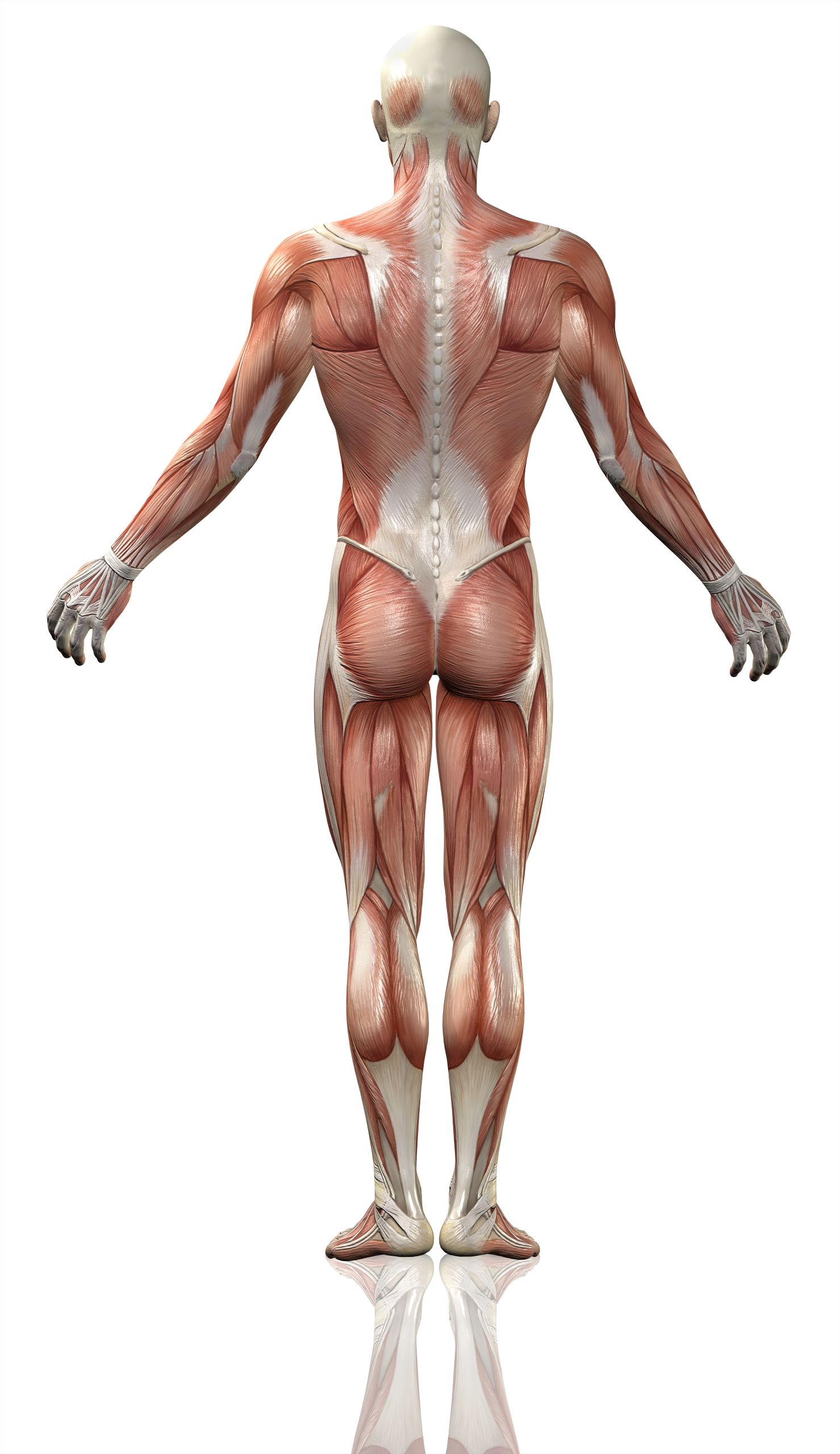

Muscles Involved

Swimmer exercises hit major muscle groups.

Erector Spinae – The erector spinae muscles go up the back vertically and extend/rotate the back.

Glutes ‘ Gluteus maximus — the big muscle in your butt that assists with hip extension and stability.

Hamstrings—These muscles are located at the back of the thigh and help with hip extension and knee flexion.

Deltoids — The shoulder muscles in movement during arm and shoulder movements, such as pushups (chest presses), overhead presses, shoulder flexion, etc.

Latissimus Dorsi – The big muscles in your back that assist with shoulder extension & adduction.

Supporting Muscles (the rectus abdominis, obliques, and transverse abdominis) work to stabilize and support the spine.
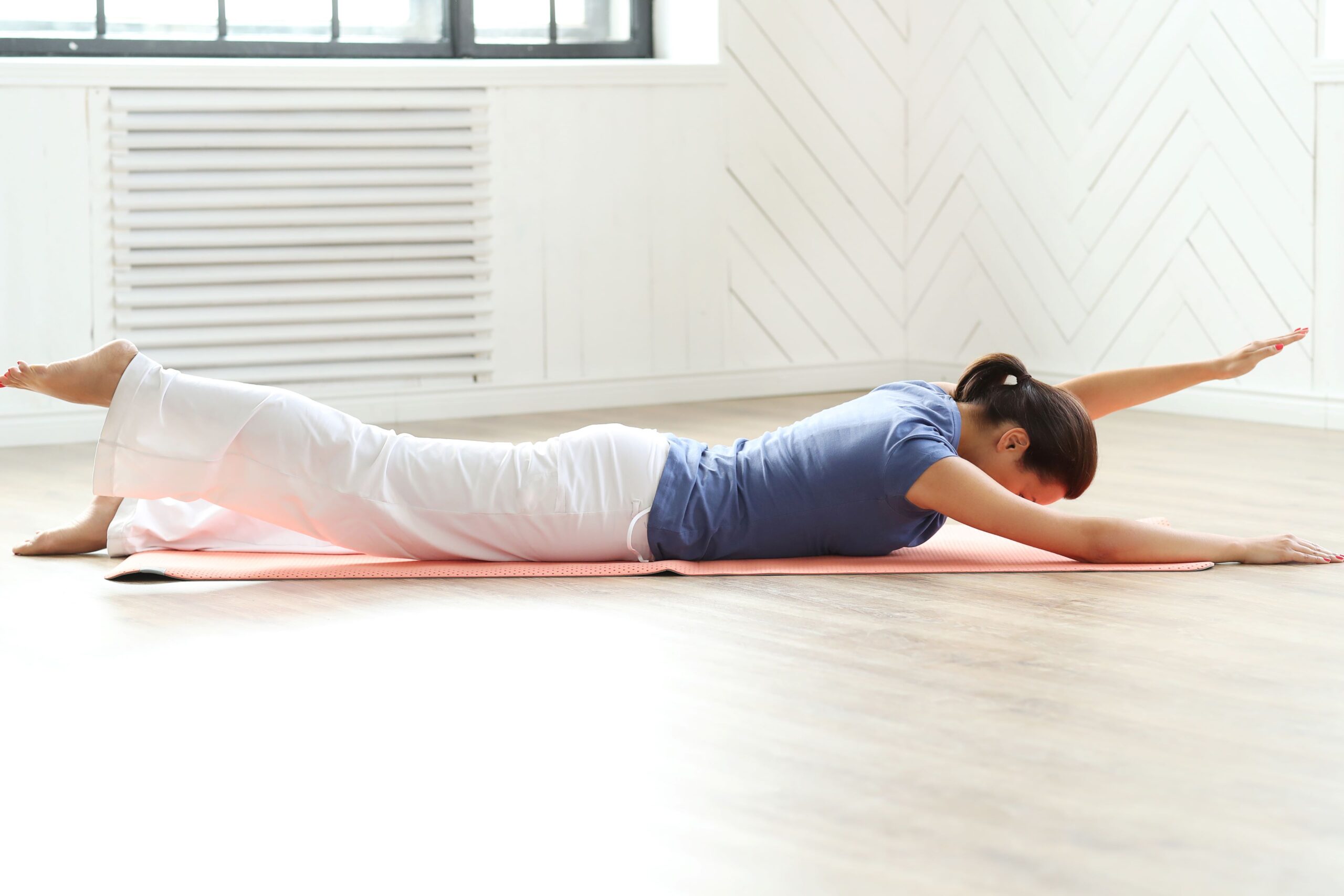

Swimmer Exercise

How to do Swimmer Exercises

Executing swimmer exercises properly is vital to fully reap their benefits without injury. Follow these steps:

BEFORE: Lie on your mat face down, arms extended above your head in an aqua man position. Your forehead should touch the mat lightly.

Tighten Your Core: Forcefully pull your belly button towards your spine until you feel it tighten. Doing this will stabilize your body as you perform the exercise.

Opposite Arm and Leg Lift: Keep your left arm on the floor and lift your right arm and left leg simultaneously. Straighten your arm and leg and raise them as high as possible without adding strain to your lower back.

Keep it: Hold your lower back and glutes tighter for a few seconds.

Lower and Switch: Lower back to the starting position—aim for a controlled effort, not just dropping! Do the same thing now with your left arm and right leg.

Reps: 10–15 reps per side for 2–3 sets


Tips for Proper Form

Maintain Controlled Movements: Do not make quick or jerky movements. Do the exercise slowly and controllably to work the muscles hard.

Neutral Spine: Attempt to keep your spine neutral throughout the exercise. Don’t arch excessively.

Breathe Slowly: Keep taking deep, even breathing. Take a deep breath as you lift your arm and leg, and exhale as you bring them back down.
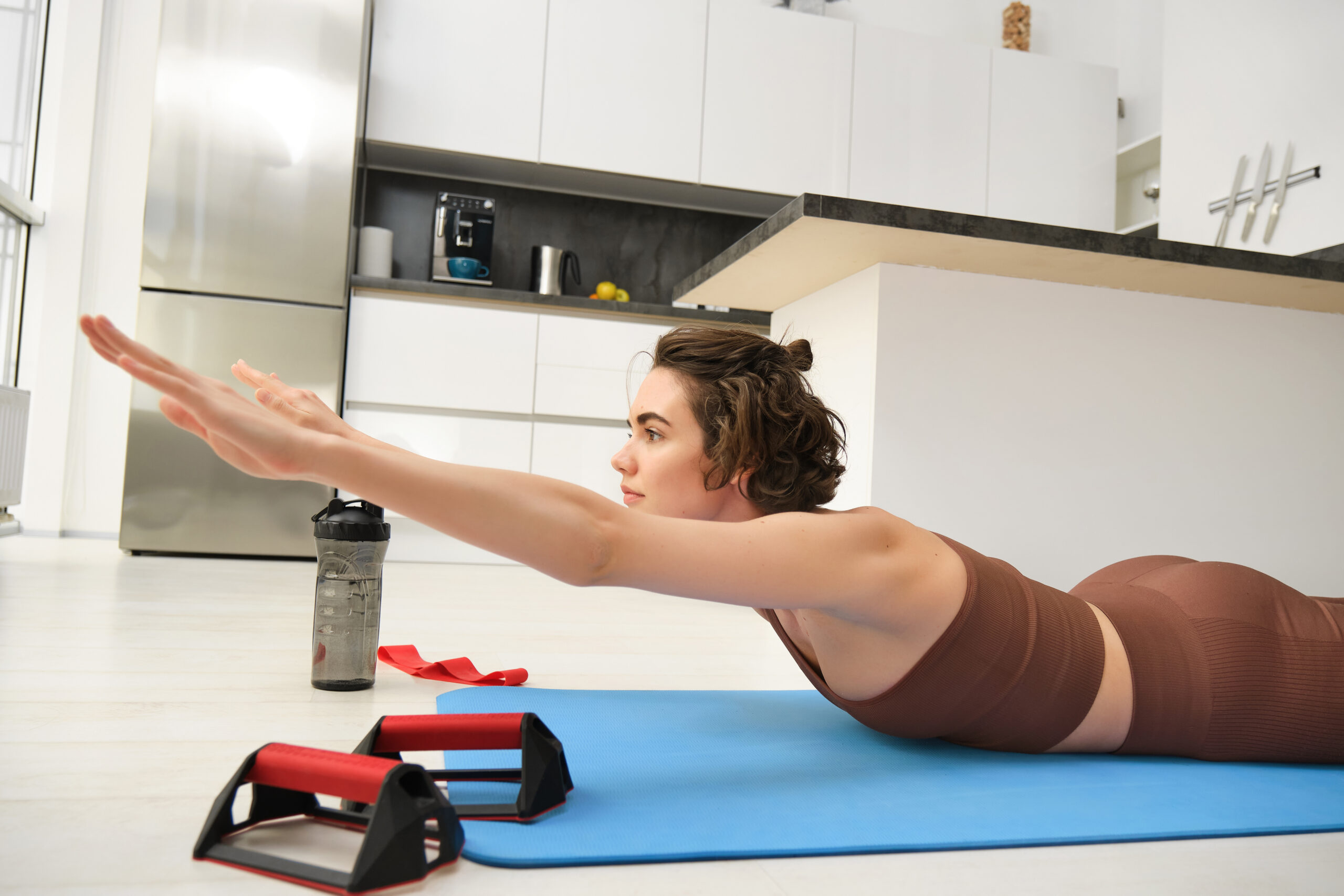

Swimmer Exercise

Advantages of doing Swimmer Excercises

Swimmers enhance the benefits of a well-rounded fitness routine:

Improved Lower Back Strength: Regularly doing this exercise also helps strengthen the lower back muscles, reducing the risk of lumbar pain and injury.

Better Core Stability: A strong core is needed for balance and stability in sports and everyday activities.

Better Posture: The stronger the lower back and core muscles, the better the posture. This reduces pressure on the spine and improves overall posture.

Improved Functional Fitness: Training the swimmers’ movement patterns enhances functional fitness and makes everyday actions more effortless and efficient.

Prevent Injury: Strengthen core lower back muscles to help avoid both spinal and undesirable muscle imbalance depreciation-related injuries.

Improved Athletic Performance — A powerful core and lower back greatly enhance athletic performance by providing the stability and strength needed in most sports and physical activities.
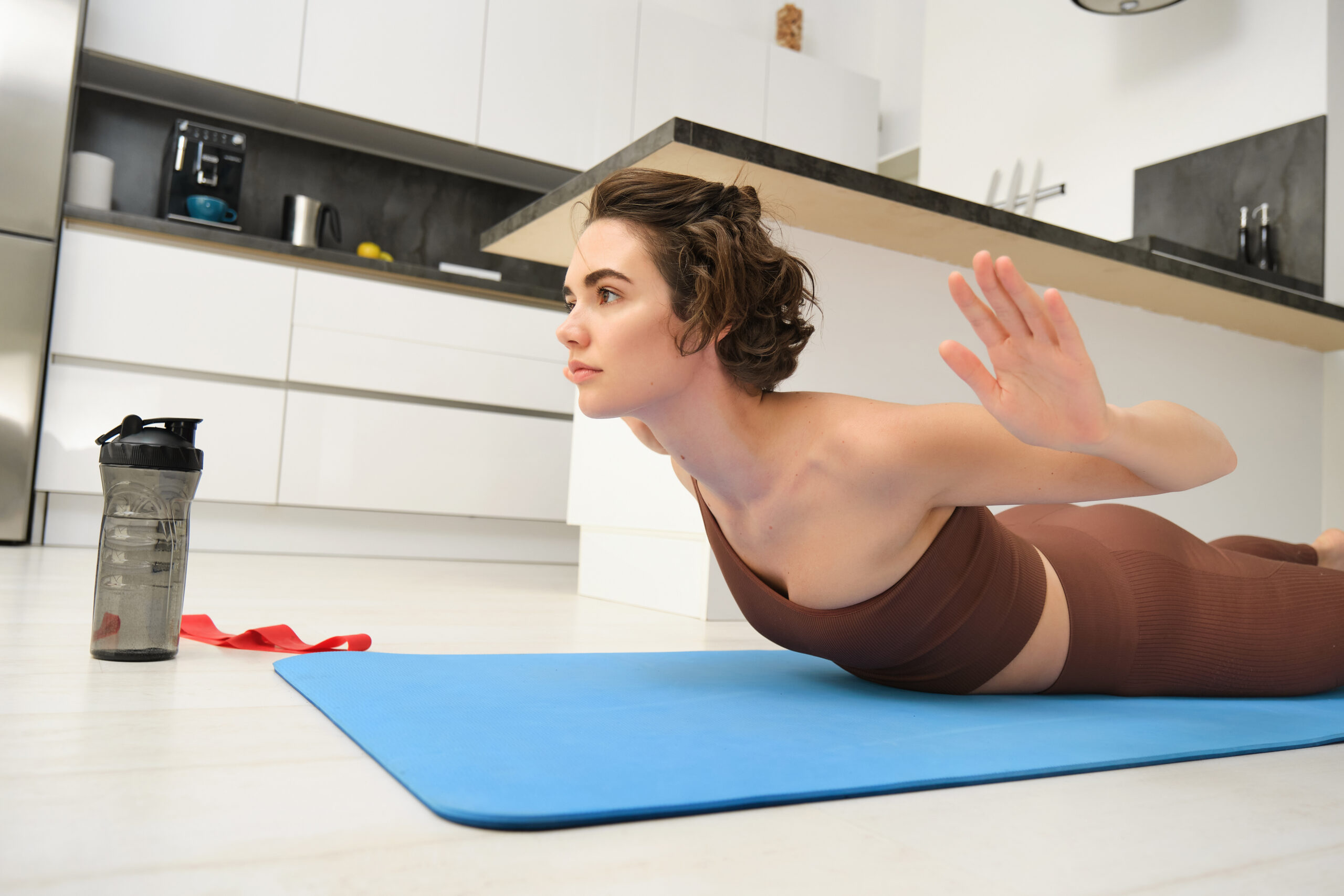

Swimmer Exercise

Conclusion

Swimmers / Lower back and Core workout: Swimmers are one of the best lower back exercises, benefiting your lower back and core, improving posture, and reducing the risk of injury during other exercises. Adding this exercise to your workout routine can improve your functional fitness and help you enjoy a healthier, more active lifestyle. Make sure to perform the movement safely and effectively, and consult a fitness professional if you have questions or need more guidance.


Swimmer Exercises — My Take

The core is important because it is the foundation of your entire body and needs to be strong to help fuel all other aspects of fitness, stability, and injury prevention. Swimmer exercises are a great way to work the lower back and core. This exercise mimics swimming and works multiple muscles simultaneously, making it an excellent workout for your back and core. This article discusses swimmers’ exercises, the muscles they target, how to perform them, and how to incorporate them into your fitness program.


Why the Swimmers Exercise Matters

Lower Back Stabilization:

The lower back is incredibly important in good posture and avoiding lower back pain, which affects 70% of people at some point.

Core Stability—This exercise is designed to work the core, including the obliques and the transverse abdominis (TrA), the deepest of the 6 abdominal muscles crucial for stability/balance.

Providing Functional Fitness Benefits:

Swimmer exercises simulate real-life movements and provide functional fitness benefits, making physical chores easier.

Prevention of Injury:

Strengthening the lower back and core muscles helps avoid possible injuries, especially to the spine and lower back.


Muscles Involved

Swimmer exercises hit major muscle groups.

Erector Spinae – The erector spinae muscles go up the back vertically and extend/rotate the back.

Glutes ‘ Gluteus maximus — the big muscle in your butt that assists with hip extension and stability.

Hamstrings—These muscles are located at the back of the thigh and help with hip extension and knee flexion.

Deltoids — The shoulder muscles in movement during arm and shoulder movements, such as pushups (chest presses), overhead presses, shoulder flexion, etc.

Latissimus Dorsi – The big muscles in your back that assist with shoulder extension & adduction.

Supporting Muscles (the rectus abdominis, obliques, and transverse abdominis) work to stabilize and support the spine.


Swimmer Exercise

How to do Swimmer Exercises

Executing swimmer exercises properly is vital to fully reap their benefits without injury. Follow these steps:

BEFORE: Lie on your mat face down, arms extended above your head in an aqua man position. Your forehead should touch the mat lightly.

Tighten Your Core: Forcefully pull your belly button towards your spine until you feel it tighten. Doing this will stabilize your body as you perform the exercise.

Opposite Arm and Leg Lift: Keep your left arm on the floor and lift your right arm and left leg simultaneously. Straighten your arm and leg and raise them as high as possible without adding strain to your lower back.

Keep it: Hold your lower back and glutes tighter for a few seconds.

Lower and Switch: Lower back to the starting position—aim for a controlled effort, not just dropping! Do the same thing now with your left arm and right leg.

Reps: 10–15 reps per side for 2–3 sets


Tips for Proper Form

Maintain Controlled Movements: Do not make quick or jerky movements. Do the exercise slowly and controllably to work the muscles hard.

Neutral Spine: Attempt to keep your spine neutral throughout the exercise. Don’t arch excessively.

Breathe Slowly: Keep taking deep, even breathing. Take a deep breath as you lift your arm and leg, and exhale as you bring them back down.


Swimmer Exercise

Advantages of doing Swimmer Excercises

Swimmers enhance the benefits of a well-rounded fitness routine:

Improved Lower Back Strength: Regularly doing this exercise also helps strengthen the lower back muscles, reducing the risk of lumbar pain and injury.

Better Core Stability: A strong core is needed for balance and stability in sports and everyday activities.

Better Posture: The stronger the lower back and core muscles, the better the posture. This reduces pressure on the spine and improves overall posture.

Improved Functional Fitness: Training the swimmers’ movement patterns enhances functional fitness and makes everyday actions more effortless and efficient.

Prevent Injury: Strengthen core lower back muscles to help avoid both spinal and undesirable muscle imbalance depreciation-related injuries.

Improved Athletic Performance — A powerful core and lower back greatly enhance athletic performance by providing the stability and strength needed in most sports and physical activities.


Swimmer Exercise

Conclusion

Swimmers / Lower back and Core workout: Swimmers are one of the best lower back exercises, benefiting your lower back and core, improving posture, and reducing the risk of injury during other exercises. Adding this exercise to your workout routine can improve your functional fitness and help you enjoy a healthier, more active lifestyle. Make sure to perform the movement safely and effectively, and consult a fitness professional if you have questions or need more guidance.

Leave a Comment

Your email address will not be published. Required fields are marked *

Verified by MonsterInsights