

Why Strength Training Mistakes Can Stall Progress After 40
Starting a fitness journey after 40 is one of the best decisions you can make for your long-term health. However, the way your body responds to exercise changes as you age, requiring a smarter approach than in your twenties. Many newcomers fall into specific traps that lead to injury or burnout rather than progress.
By understanding these common hurdles, you can build a body that is both strong and resilient. This guide focuses on a Hybrid Fitness approach—blending strength and endurance—to ensure you remain functional and vibrant. Let’s dive into the most frequent errors and how to fix them.

-
Avoiding Proper Preparation with a Dynamic Warm-Up
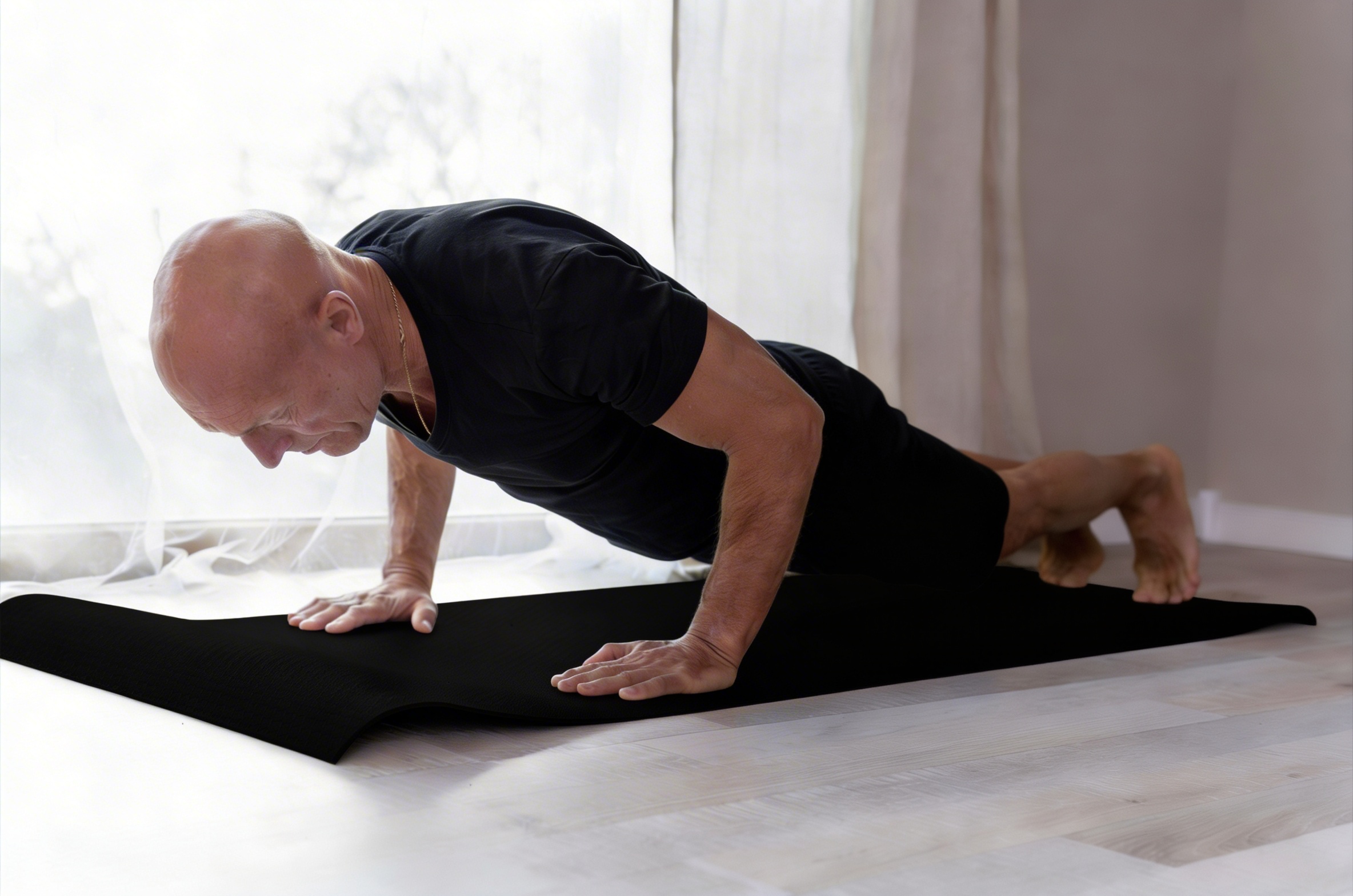
One of the most common strength-training mistakes is jumping straight into heavy lifting without preparing your joints. For those over 40, synovial fluid takes a bit longer to “grease” the joints, and tendons are less elastic than they used to be. A static stretch (holding a pose) isn’t enough; you need movement.
Instead of sitting on a bench immediately, spend five to ten minutes on dynamic movements like arm circles, leg swings, and cat-cow stretches. This increases your core temperature and prepares your nervous system for the work ahead. According to the National Academy of Sports Medicine (NASM), proper stabilization and corrective exercise are the foundation of a safe program.
Furthermore, skipping the warm-up significantly increases your risk of acute strains. Your muscles need blood flow to become pliable. If you treat your body like a cold engine, you are much more likely to stall or break a part.
-
Prioritizing Heavy Weight Over Technical Execution
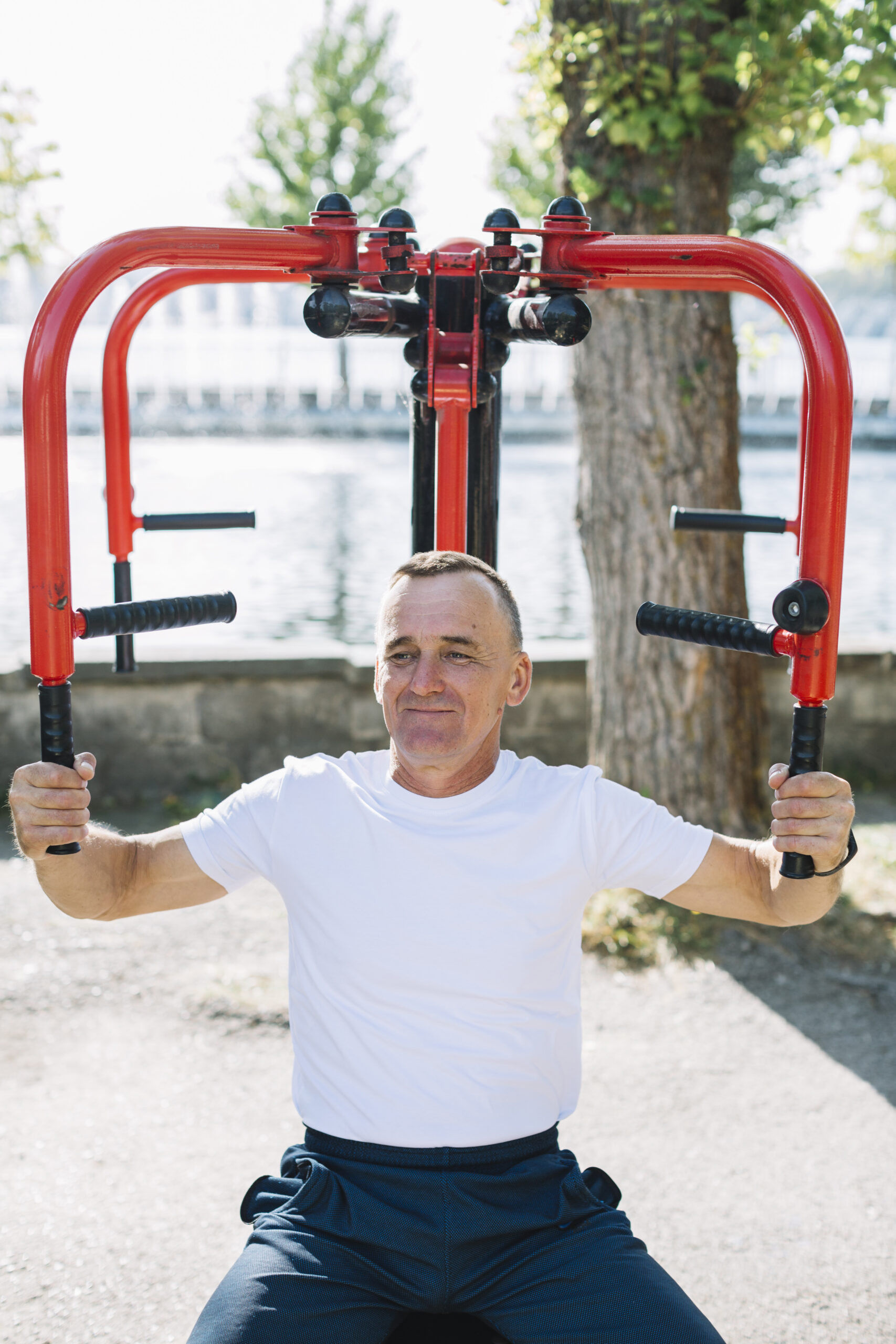
Many beginners feel pressured to lift heavy weights to see results quickly. However, chasing “big numbers” often leads to ego lifting, where form is sacrificed for vanity. In your 40s, a single rep with poor mechanics can result in a lingering back or shoulder injury.
Focusing on the “mind-muscle connection” is a much more effective strategy for hypertrophy and safety. Ensure you can control the weight through the entire range of motion before adding more plates. As noticed by the American College of Sports Medicine (ACSM), exercise and medicine require precise “dosage” and execution to be effective.
Additionally, using a lower tempo can help you master the movement. Try a three-second lowering phase (eccentric) to build tendon strength. This controlled approach ensures the target muscle is doing the work, not your momentum.
-
Neglecting the Hybrid Fitness Balance for Longevity
A common error is focusing solely on lifting weights while ignoring cardiovascular health, or vice versa. True Hybrid Fitness is the art of balancing strength and endurance. Beginners over 40 need both to combat sarcopenia (muscle loss) and maintain heart health.
If you only lift, you may find yourself winded during everyday activities like climbing stairs. Conversely, if you only do cardio, you lose the metabolic benefits of lean muscle mass. Combining these disciplines creates a well-rounded “Endless Summer” physique that functions as well as it looks.
Therefore, try to incorporate “Finishers” like light jogging or brisk walking after your strength sessions. This approach maximizes calorie burn while keeping your heart in peak condition. A balanced program is the key to longevity and vitality.

-
Underestimating the Vital Role of Recovery Time
Recovery is not “time off”; it is the period when your body actually builds muscle. After 40, the hormonal environment changes, and protein synthesis may take longer. Many beginners make the mistake of training every single day, thinking more is always better,
Overtraining leads to systemic inflammation and decreased immune function. You might notice you are more irritable or that your sleep quality is declining. These are signs that your central nervous system is overtaxed and needs a break.
For best results, aim for at least 48 hours of rest before working the same muscle groups again. Incorporate “active recovery” days involving yoga, stretching, or a leisurely walk. This keeps the blood flowing without adding more mechanical stress to your tissues.

-
Skipping Essential Mobility and Core Centric Work
Strength isn’t just about how much you can push; it’s about how well you can move. Many over-40 beginners have desk jobs that lead to tight hips and a rounded upper back. Ignoring these postural issues while lifting is a recipe for disaster.
Core strengthening is vital because your core acts as the bridge between your upper and lower body. A weak core during a squat or overhead press forces your spine to take the load. This is one of the most dangerous strength training mistakes you can make.
Incorporate movements like planks, dead bugs, and bird-dogs into every session. These exercises “turn on” your stabilizers, protecting your joints during heavier lifts. Mobility work ensures you build “usable” strength that translates into real-world movement.

-
Following a Bodybuilding Split Instead of Functional Training
Beginners often try to mimic the routines of professional bodybuilders, training one body part per day. While effective for some, this often leads to extreme soreness that discourages beginners from returning to the gym.
For those over 40, full-body routines or upper- and lower-body splits are usually preferable. These allow you to hit each muscle group more frequently while keeping the volume per session lower. This frequency helps your brain “learn” the movements more quickly through neural adaptation.
Moreover, full-body sessions burn more calories and provide a better cardiovascular stimulus. This aligns perfectly with the Hybrid Fitness model of staying lean while getting strong. Keep it simple and focus on compound movements like rows, lunges, and presses.

-
Disregarding Systematic Nutrition and Proper Hydration
You cannot out-train a poor diet, especially as your metabolism begins to shift. Many beginners focus entirely on the gym but ignore the fuel their body needs to repair. Protein is the most critical macronutrient for those over 40 to prevent muscle wasting.
Hydration is equally important for joint lubrication and energy levels. Even slight dehydration can make weights feel heavier and increase the perception of effort. If you aren’t drinking enough water, your performance will suffer, and your recovery will slow down.
Finally, avoid the “reward” mentality where a workout justifies a high-calorie binge. Treat your nutrition as part of your training. High-quality fuel leads to high-quality output and faster transformation.

The Progression Matrix: Hybrid Fitness Routine
The routine utilizes the Hybrid Fitness model, using varied tools to build a resilient, capable body.
-
Beginner
Definition: Someone with less than 6 months of consistent training or returning after a long hiatus.
Characteristics: Focuses on foundational stability, basic coordination, and learning safe movement patterns.
- Walking: 15 minutes (Brisk pace)
- Bodyweight Squats (to a chair): 3 sets of 12-15 reps
- Wall Push-Ups: 3 sets of 12-15 reps
- Exercise Band Rows: 3 sets of 12-15 reps
- Plank (on knees): 3 sets of 30 seconds
- Muscles Worked: Quads, Glutes, Chest, Lats, Core
- Stabilizers Involved: Spine erectors, Transverse abdominis
-
Intermediate
Definition: 6-6 months of consistent training. Understands form and can handle moderate intensity.
Characteristics: Increased volume, introduction of external resistance (dumbbells/kettlebells), and moderate intensity.
- Light Jogging: 10 minutes
- Dumbbell Goblet Squats: 3 sets of 8-12 reps
- Dumbbell Bench Press: 3 sets of 8-12 reps
- Kettlebell Swings: 3 sets of 15 reps (Endurance focus)
- Bird-Dogs: 3 sets of 12 reps per side
- Muscles Worked: Full posterior chain, Pectorals, Deltoids
- Stabilizers Involved: Rotator cuff, Hip abductors
-
Advanced
Definition: 1.5 to 3 years of consistent training. Has high technical proficiency.
Characteristics: High volume, inclusion of plyometrics, and complex functional movements.
- Stair Climbing: 5 minutes (Steady pace)
- Bulgarian Split Squats: 4 sets of 8-12 reps
- Pull-Ups or Assisted Pull-Ups: 4 sets to failure
- Box Jumps (Low Box): 3 sets of 8 reps
- Dumbbell Renegade Rows: 4 sets of 10 reps per side
- Muscles Worked: Unilateral leg strength, Latissimus dorsi, Core
- Stabilizers Involved: Obliques, Serratus anterior
Definition: 3+ years of dedicated training. High levels of both strength and aerobic capacity.
Characteristics: High-intensity intervals combined with heavy compound lifting and explosive power.
- Interval Sprints: 8 rounds (30 sec sprint/ 30 sec walk)
- Barbell Deadlifts: 4 sets of 6-8 reps
- Kettlebell Clean and Press: 4 sets of 8-10 reps
- Medicine Ball Slams: 4 sets of 15 reps
- Hanging Leg Raises: 4 sets of 12-15 reps
- Muscles Worked: Total body integration, Glutes, Hamstrings, and shoulders.
- Stabilizers Involved: Deep core musculature, Ankle/Knee stability.
Summary
Building strength after 40 is a marathon, not a sprint. By avoiding common strength training mistakes like ignoring warm-ups or ego lifting, you protect your longevity. The Hybrid Fitness approach ensures you don’t just look strong, but you possess the cardiovascular endurance to enjoy your life to the fullest.
The most important takeaway is to listen to your body. While consistency is key, flexibility in your training allows for the recovery needed as we age. Use the Progression Matrix to identify your current level and move upward safely and systematically.
Embracing this balanced methodology creates a sustainable lifestyle. At Endless Summer Fitness, we believe in training for the “long game.” By merging science-backed strength protocols with functional endurance, you can achieve results that last for decades, not just weeks.
FAQs
Q: Is it too late to start strength training at 45?
A: Absolutely not. Research from organizations like the NSCA shows that muscle tissue can be built at almost any age. Starting now will significantly improve your bone density and metabolic health.
Q: How many days a week should a beginner lift?
A: For most beginners over 40, three days a week is the “sweep sport.” This allows for a full day of recovery between sessions while providing enough stimulus for growth.
Q: Should I do cardio before or after weights?
A: In a Hybrid Fitness model, we usually recommend lifting first when your energy is the highest. Follow your strength work with light cardio to improve recovery and heart health.
Q: What if I have joint pain?
A: You should never “push through” sharp pain. Switch to low-impact tools like exercise bands or water-based resistance, and ensure your form is verified by a professional.
Q: Do I need supplements?
A: Most beginners can get everything they need from whole foods. However, a high-quality protein powder can be a convenient way to meet your daily protein requirements for muscle repair.
Calls to Action
- Learn more about our: Low-Impact Strength Training: A Guide for Beginners
- Check out our guide: 5 Best Natural Hydration Drinks for Beginners
Disclosure: The information provided in this article is for educational purposes only and should not be taken as medical advice. Always consult with a physician or qualified healthcare provider before beginning any new exercise program, especially if you have pre-existing conditions or are over 40.
Smart tools, human guidance — straightforward, simple, effective, and fun.