Endless Summer Fitness provides workout tips for fitness beginners, weekend warriors, post-physical therapy individuals, men and women in middle life, and anyone seeking fitness results.

Start Hybrid Fitness Training Now!

A Beginner’s Guide

Hybrid Fitness Training
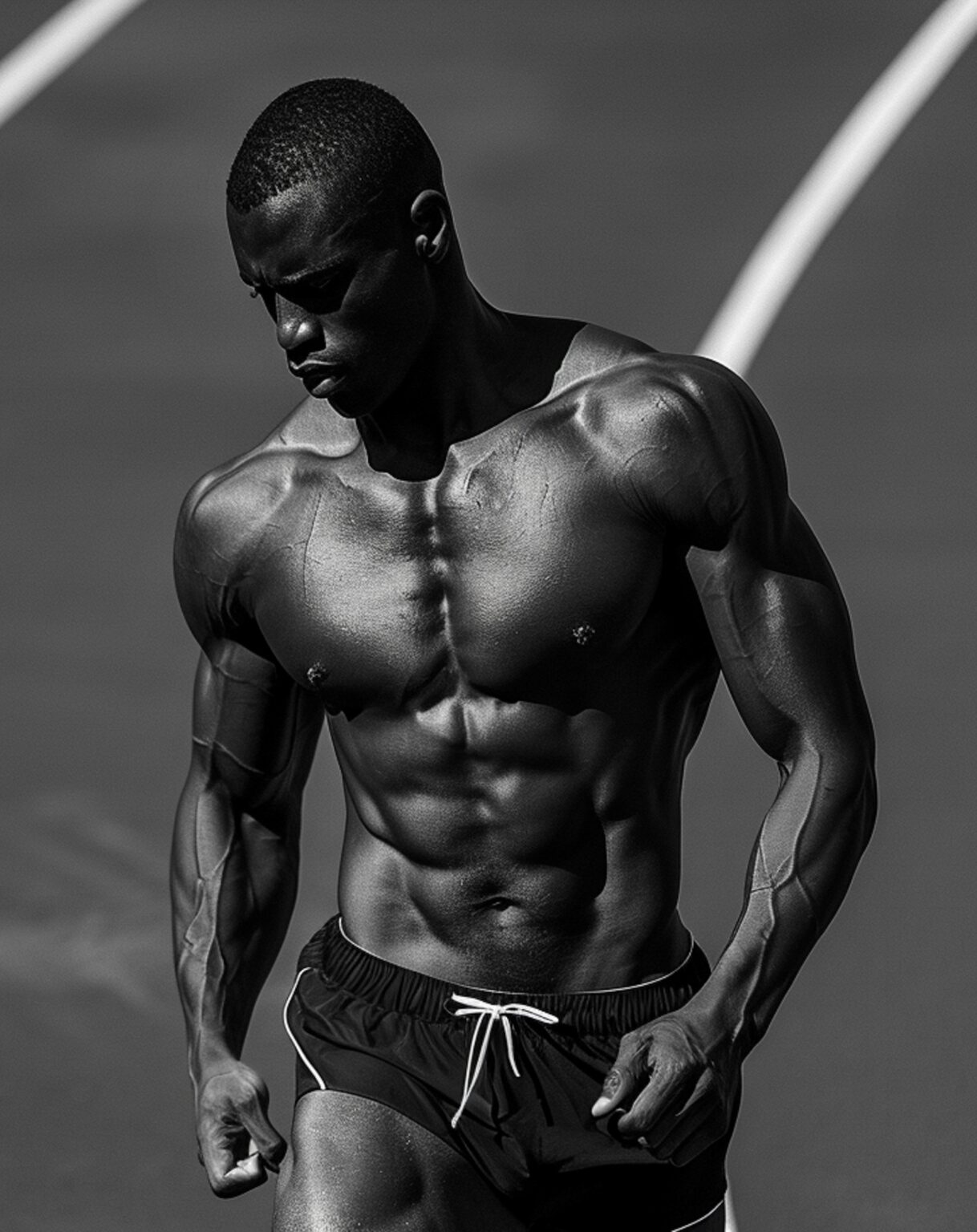
If you’re curious about Hybrid Fitness Training, you’re not alone. This training style has exploded in popularity because it blends strength, cardio, and mobility into one balanced, sustainable system. For beginners, hybrid fitness training removes confusion and offers a clear, structured path to building a strong, capable, athletic body without requiring hours in the gym.

Most people start their fitness journey unsure of where to begin. Should they lift weights, run, or stretch more? Should they focus on fat loss or strength? Hybrid Fitness Training eliminates that uncertainty by combining the most effective elements of each training style into a single, easy-to-follow approach.

This guide breaks down exactly what hybrid training is, why it works so well, and how you can start today—even if you’re brand new to exercise.

What Is Hybrid Fitness Training?

Hybrid Fitness Training is a training method that blends strength training. Cardiovascular conditioning and mobility are combined into a cohesive program. Instead of choosing between lifting weights and doing cardio, hybrid training allows you to develop multiple fitness qualities at the same time.

At its core, hybrid training focuses on three pillars:

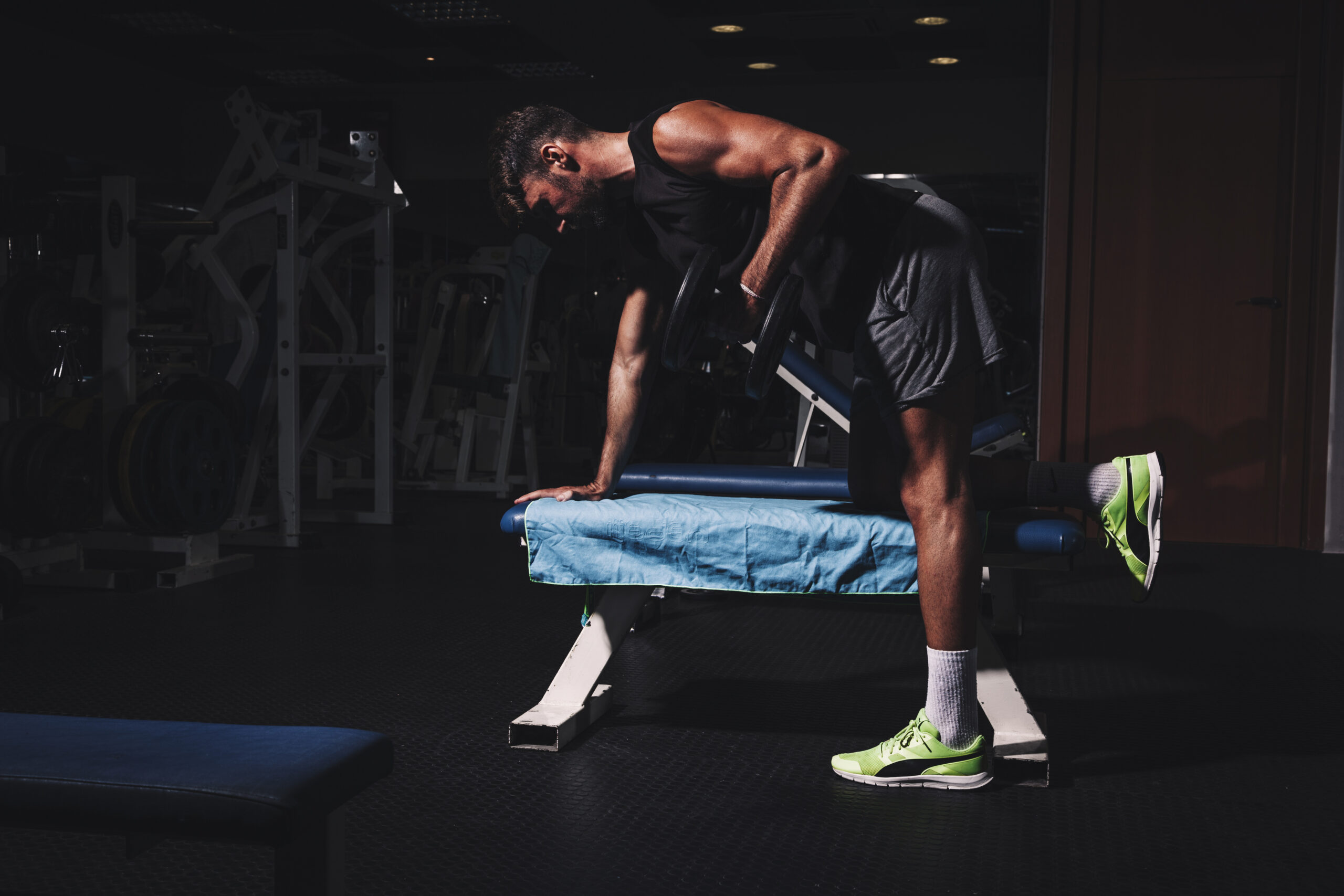
  1. Strength

World’s Greatest Stretch-Dumbbell Rows

Building muscle, improving joint stability, and increasing functional power.

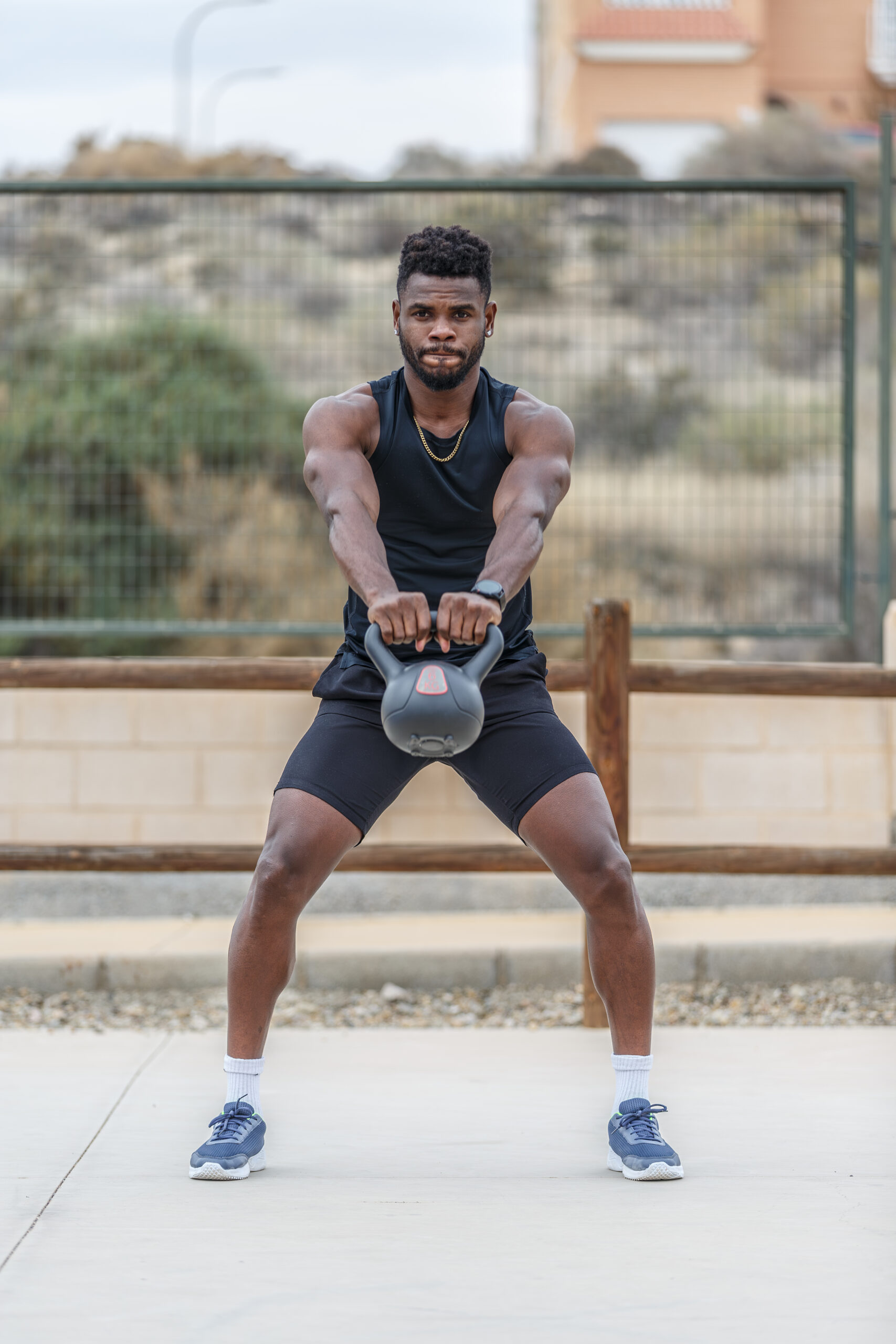
  1. Conditioning

Hybrid Fitness Training-Kettlebell Swings

Improving cardiovascular health, endurance, and metabolic efficiency.

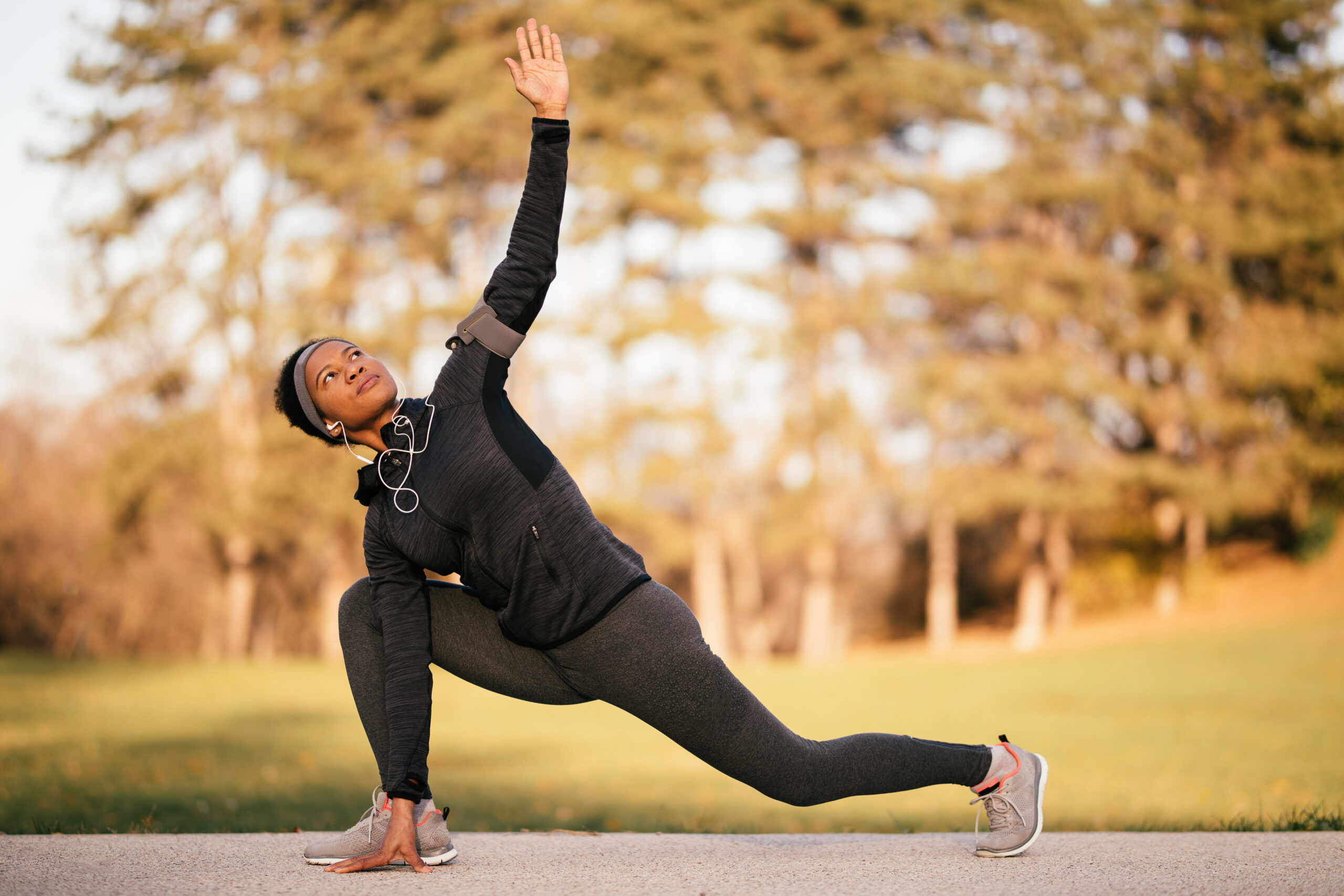
  1. Mobility

Hybrid Fitness Training-World’s Greatest Stretch

Enhancing flexibility, range of motion, and movement quality.

This combination creates a balanced, athletic body that performs well in everyday life. You become stronger, fitter, and more resilient—without burning out or overtraining.

Why This Training Works So Well

The effectiveness of Hybrid Fitness Training comes from its ability to balance stress across different systems. Many beginners fall into the trap of doing only cardio or only strength training, which leads to plateaus, injuries, or frustration. Hybrid training avoids these pitfalls by distributing workload intelligently.

Builds Strength and Endurance Together

You don’t have to choose between lifting and conditioning. Hybrid training improves both simultaneously, helping you feel strong and energetic,

Reduces Overuse Injuries

By rotating training styles, you avoid repetitive strain. Your joints, tendons, and muscles get the variety they need to stay healthy.

Fits Busy Schedules

Hybrid workouts are efficient. You can train for 30-45 minutes and still see meaningful progress.

It Supports Long‑Term Health

Strength + cardio + mobility is the formula for aging well, staying active, and maintaining independence.

Keeps Training Interesting

Variety prevents boredom. You stay engaged, motivated, and consistent—the real key to results.

Who Is It For?

The beauty of Hybrid Fitness Training is that it works for almost everyone. Whether you’re a complete beginner or someone returning to exercise after a long break, hybrid training meets you where you are.

It’s ideal for:
  • Beginners who want a simple, balanced plan
  • Busy professionals with limited time
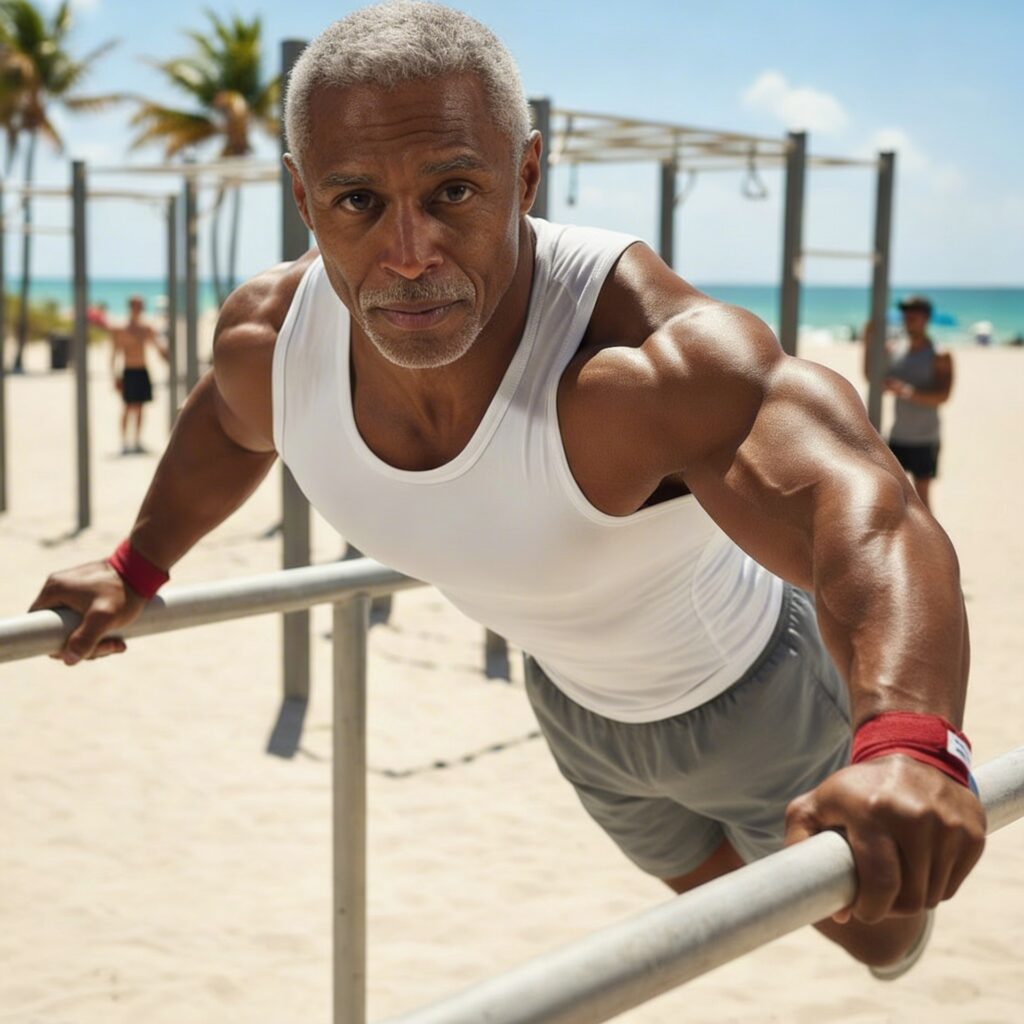
  • Adults over 40 who want longevity-focused training
  • People who want to get stronger without losing conditioning
  • Anyone who wants a sustainable fitness lifestyle
  • Individuals who prefer variety over repetitive routines

If your goal is to feel athletic, capable, and confident, hybrid training is the perfect fit.

How to Start Hybrid Fitness Training (Beginner Steps)

Starting Hybrid Fitness Training doesn’t require special equipment or advanced skills. You only need a plan that blends strength, conditioning, and mobility in a way that feels manageable and enjoyable.

  1. Train 3–4 Days Per Week

This frequency provides sufficient stimulus without overwhelming your schedule.

  1. Combine Strength + Cardio in Each Session
A simple structure looks like this:
  • Strength block
  • Conditioning block
  • Mobility finisher

This keeps your workouts balanced and efficient.

  1. Focus on Full‑Body Movements

Exercises like squats, rows, and presses give you the most return on your time investment.

  1. Keep Intensity Moderate at First

You’re building consistency, not chasing exhaustion.

  1. Progress Gradually

Increase weight, reps, or conditioning time slowly to avoid burnout.

  1. Prioritize Recovery

Sleep, hydration, and mobility work help your body adapt and grow stronger.

Benefits for Beginners

You Build Muscle and Burn Fat Simultaneously

Strength training increases lean muscle, while conditioning boosts calorie burn and metabolic

Improves Heart Health and Longevity

Cardio supports cardiovascular function, while strength training protects bone density and joint health.

Moves Better and Feel Better

Mobility work improves posture, reduces stiffness, and enhances daily movement.

Build a Sustainable Routine

Hybrid training is flexible. You can adjust intensity, duration, and exercise selection based on your lifestyle.

You Avoid Plateaus

Variety keeps your body adapting, which leads to steady progress.

Sample Hybrid Workout

This beginner-friendly workout blends strength, conditioning, and mobility into one efficient session.

Strength Block (Primary Muscles + Stabilizers)

  1. Goblet Squat – What it is: A lower-body strength movement that targets strength movement that targets the quads, glutes, and core.
  • Primary: Quads, glutes
  • Stabilizers: Core, lower backHow to do it:
    • Stand tall with feet shoulder-width apart.
    • Hold a dumbbell or kettlebell close to your chest, elbows pointing down.
    • Brace your core and sit back into a squat, keeping your chest lifted and heels grounded.
    • Lower until your thighs are parallel to the floor (or as low as comfortable).
    • Press through your feet to return to standing.

    Why it matters: Builds leg strength, improves posture, and reinforces squat mechanics in a joint-friendly way.

  1. Dumbbell Row – What it is: A pulling movement that strengthens the upper back, shoulders, and arms.
  • Primary: Lats, upper back
  • Stabilizers: Core, rear delts

How to do it:

  • Hinge forward at the hips with knees slightly bent, back flat, and core engaged.
  • Hold a dumbbell in each hand with arms extended downward, palms facing in.
  • Pull the weights toward your torso, squeezing your shoulder blades together.
  • Lower the dumbbells with control to the starting position.

Why it matters: Improves posture, supports shoulder health, and balances push-dominant training.

  1. Dumbbell Floor Press – What it is: A chest and triceps exercise performed lying on the floor — a safer alternative to bench pressing
  • Primary: Chest, triceps
  • Stabilizers: Shoulders, core

How to do it:

  • Lie flat on your back with knees bent, feet flat.
  • Hold a dumbbell in each hand with elbows bent at 90 degrees, upper arms resting on the floor.
  • Press the weights straight up until arms are extended.
  • Lower slowly until your upper arms touch the floor again.

Why it matters: Builds upper-body strength while protecting the shoulders from overextension.

Perform 3 rounds of 10-12 reps each.

Conditioning Block

10‑Minute EMOM (Every Minute on the Minute)

Kettlebell Swing

What it is: A powerful hip-hinge movement that builds glute strength, core stability, and full-body power.

How to do it

  • Stand with feet slightly wider than shoulder-width, kettlebell on the floor in front of you.
  • Hinge at the hips (not the knees) and grip the kettlebell handle with both hands.
  • Hike the kettlebell back between your legs like a football snap.
  • Drive your hips forward explosively to swing the kettlebell up to chest height.
  • Let the kettlebell fall naturally as you hinge again, keeping your arms relaxed and core braced.

Why it matters: Trains power, improves conditioning, and teaches proper hip mechanics—essential for safe lifting and athletic movement.

  • Minute 1: 12 kettlebell swings

Step-Back Lunge (Each Side)

What it is: A single-leg strength movement that targets the quads, glutes, and stabilizers.

How to do it:

  • Stand tall with hip-width apart.
  • Step your right foot back into a long stride. – Then switch sides
  • Bend both knees until your front thigh is parallel to the floor and your back knee hovers just above the ground.
  • Keep your chest lifted and weight centered over your front heel.
  • Push through your front leg to return to standing.

Why it matters: Builds unilateral strength, improves balance, and reduces imbalances between sides.

  • Minute 3: 10 step-back lunges (each side)

This builds power, endurance, and coordination.

 Mobility Finisher

World’s Greatest Stretch – 45 seconds each side.

Improve hip mobility, thoracic rotation, and posture.

What it is: A dynamic mobility sequence that opens the hips, thoracic spine, hamstrings, and shoulders.

How to do it:

  • Start in a high plank.
  • Step your right foot outside your right hand.
  • Drop your hips slightly and keep your back leg long.
  • Rotate your torso toward your front leg, reaching your right arm up toward the ceiling.
  • Return your hand to the floor, then straighten your front leg to stretch your hamstring.
  • Revert back to the plank position and repeat on the other side.

Why it matters: Enhances mobility, improves movement quality, and prepares the body for strength and cardio or cardio work.

Summary

Hybrid Fitness Training is one of the most effective and beginner-friendly approaches to building a strong, balanced, and athletic body. By combining strength, conditioning, and mobility into a cohesive system, hybrid training eliminates confusion and provides a clear path forward.

This method works because it develops multiple fitness qualities at once, reduces injury risk, and fits easily into busy schedules. Whether your goal is to gain strength, improve endurance, lose weight, or simply feel better in your daily life, hybrid training provides a sustainable framework that grows with you.

Beginners benefit from its simplicity, structure, and variety. You don’t need advanced skills or expensive equipment—just consistency and a willingness to start. Over time, hybrid training helps you build confidence, resilience, and long-term fitness habits that support a healthier, more active lifestyle.

If you’re ready to begin your fitness journey, hybrid training is one of the smartest and most balanced ways to start.

Ready to take the next step? Download our 30-Day Hybrid Fitness Program and start building strength, endurance, and mobility with a structured plan.

Want something even more personalized? Explore our other articles on Hybrid Fitness—perfect for anyone who wants to achieve results without long workouts.

Frequently Asked Questions (FAQs)

  1. Is Hybrid Fitness Training good for beginners?

Yes. It’s one of the most beginner-friendly training styles because it balances strength, café, and mobility without overwhelming your body.

  1. How many days per week should I train?

Most beginners see great results with 3-4 hybrid workouts per week.

  1. Do I need equipment to start?

No. You can begin with bodyweight movements and add dumbbells or bands later.

  1. Will hybrid training help me lose weight?

Yes. Combining strength and conditioning increases calorie burn and builds lean muscle.

  1. Can I do hybrid training if I’m over 40?

Absolutely. Hybrid training is ideal for longevity, joint health, and maintaining strength as you age.

  1. How long should hybrid workouts be?

Most sessions last 30-45 minutes—perfect for busy schedules.

Disclosure
As with all exercise programs, when using our exercise videos and text instructions, you should exercise common sense. To reduce the risk of injury, consult your doctor before starting any fitness program. By performing any fitness exercises, you are performing them at your own risk. Endlesssummerfitness.com will not be responsible or liable for any injury or harm you sustain as a result of our fitness program, online fitness videos, or information shared on our website, including emails, videos, and text. Thanks for understanding.


A Beginner’s Guide

Hybrid Fitness Training

If you’re curious about Hybrid Fitness Training, you’re not alone. This training style has exploded in popularity because it blends strength, cardio, and mobility into one balanced, sustainable system. For beginners, hybrid fitness training removes confusion and offers a clear, structured path to building a strong, capable, athletic body without requiring hours in the gym.

Most people start their fitness journey unsure of where to begin. Should they lift weights, run, or stretch more? Should they focus on fat loss or strength? Hybrid Fitness Training eliminates that uncertainty by combining the most effective elements of each training style into a single, easy-to-follow approach.

This guide breaks down exactly what hybrid training is, why it works so well, and how you can start today—even if you’re brand new to exercise.

What Is Hybrid Fitness Training?

Hybrid Fitness Training is a training method that blends strength training. Cardiovascular conditioning and mobility are combined into a cohesive program. Instead of choosing between lifting weights and doing cardio, hybrid training allows you to develop multiple fitness qualities at the same time.

At its core, hybrid training focuses on three pillars:

  1. Strength

World’s Greatest Stretch-Dumbbell Rows

Building muscle, improving joint stability, and increasing functional power.

  1. Conditioning

Hybrid Fitness Training-Kettlebell Swings

Improving cardiovascular health, endurance, and metabolic efficiency.

  1. Mobility

Hybrid Fitness Training-World’s Greatest Stretch

Enhancing flexibility, range of motion, and movement quality.

This combination creates a balanced, athletic body that performs well in everyday life. You become stronger, fitter, and more resilient—without burning out or overtraining.

Why This Training Works So Well

The effectiveness of Hybrid Fitness Training comes from its ability to balance stress across different systems. Many beginners fall into the trap of doing only cardio or only strength training, which leads to plateaus, injuries, or frustration. Hybrid training avoids these pitfalls by distributing workload intelligently.

Builds Strength and Endurance Together

You don’t have to choose between lifting and conditioning. Hybrid training improves both simultaneously, helping you feel strong and energetic,

Reduces Overuse Injuries

By rotating training styles, you avoid repetitive strain. Your joints, tendons, and muscles get the variety they need to stay healthy.

Fits Busy Schedules

Hybrid workouts are efficient. You can train for 30-45 minutes and still see meaningful progress.

It Supports Long‑Term Health

Strength + cardio + mobility is the formula for aging well, staying active, and maintaining independence.

Keeps Training Interesting

Variety prevents boredom. You stay engaged, motivated, and consistent—the real key to results.

Who Is It For?

The beauty of Hybrid Fitness Training is that it works for almost everyone. Whether you’re a complete beginner or someone returning to exercise after a long break, hybrid training meets you where you are.

It’s ideal for:
  • Beginners who want a simple, balanced plan
  • Busy professionals with limited time
  • Adults over 40 who want longevity-focused training
  • People who want to get stronger without losing conditioning
  • Anyone who wants a sustainable fitness lifestyle
  • Individuals who prefer variety over repetitive routines

If your goal is to feel athletic, capable, and confident, hybrid training is the perfect fit.

How to Start Hybrid Fitness Training (Beginner Steps)

Starting Hybrid Fitness Training doesn’t require special equipment or advanced skills. You only need a plan that blends strength, conditioning, and mobility in a way that feels manageable and enjoyable.

  1. Train 3–4 Days Per Week

This frequency provides sufficient stimulus without overwhelming your schedule.

  1. Combine Strength + Cardio in Each Session
A simple structure looks like this:
  • Strength block
  • Conditioning block
  • Mobility finisher

This keeps your workouts balanced and efficient.

  1. Focus on Full‑Body Movements

Exercises like squats, rows, and presses give you the most return on your time investment.

  1. Keep Intensity Moderate at First

You’re building consistency, not chasing exhaustion.

  1. Progress Gradually

Increase weight, reps, or conditioning time slowly to avoid burnout.

  1. Prioritize Recovery

Sleep, hydration, and mobility work help your body adapt and grow stronger.

Benefits for Beginners

You Build Muscle and Burn Fat Simultaneously

Strength training increases lean muscle, while conditioning boosts calorie burn and metabolic

Improves Heart Health and Longevity

Cardio supports cardiovascular function, while strength training protects bone density and joint health.

Moves Better and Feel Better

Mobility work improves posture, reduces stiffness, and enhances daily movement.

Build a Sustainable Routine

Hybrid training is flexible. You can adjust intensity, duration, and exercise selection based on your lifestyle.

You Avoid Plateaus

Variety keeps your body adapting, which leads to steady progress.

Sample Hybrid Workout

This beginner-friendly workout blends strength, conditioning, and mobility into one efficient session.

Strength Block (Primary Muscles + Stabilizers)

  1. Goblet Squat – What it is: A lower-body strength movement that targets strength movement that targets the quads, glutes, and core.
  • Primary: Quads, glutes
  • Stabilizers: Core, lower backHow to do it:
    • Stand tall with feet shoulder-width apart.
    • Hold a dumbbell or kettlebell close to your chest, elbows pointing down.
    • Brace your core and sit back into a squat, keeping your chest lifted and heels grounded.
    • Lower until your thighs are parallel to the floor (or as low as comfortable).
    • Press through your feet to return to standing.

    Why it matters: Builds leg strength, improves posture, and reinforces squat mechanics in a joint-friendly way.

  1. Dumbbell Row – What it is: A pulling movement that strengthens the upper back, shoulders, and arms.
  • Primary: Lats, upper back
  • Stabilizers: Core, rear delts

How to do it:

  • Hinge forward at the hips with knees slightly bent, back flat, and core engaged.
  • Hold a dumbbell in each hand with arms extended downward, palms facing in.
  • Pull the weights toward your torso, squeezing your shoulder blades together.
  • Lower the dumbbells with control to the starting position.

Why it matters: Improves posture, supports shoulder health, and balances push-dominant training.

  1. Dumbbell Floor Press – What it is: A chest and triceps exercise performed lying on the floor — a safer alternative to bench pressing
  • Primary: Chest, triceps
  • Stabilizers: Shoulders, core

How to do it:

  • Lie flat on your back with knees bent, feet flat.
  • Hold a dumbbell in each hand with elbows bent at 90 degrees, upper arms resting on the floor.
  • Press the weights straight up until arms are extended.
  • Lower slowly until your upper arms touch the floor again.

Why it matters: Builds upper-body strength while protecting the shoulders from overextension.

Perform 3 rounds of 10-12 reps each.

Conditioning Block

10‑Minute EMOM (Every Minute on the Minute)

Kettlebell Swing

What it is: A powerful hip-hinge movement that builds glute strength, core stability, and full-body power.

How to do it

  • Stand with feet slightly wider than shoulder-width, kettlebell on the floor in front of you.
  • Hinge at the hips (not the knees) and grip the kettlebell handle with both hands.
  • Hike the kettlebell back between your legs like a football snap.
  • Drive your hips forward explosively to swing the kettlebell up to chest height.
  • Let the kettlebell fall naturally as you hinge again, keeping your arms relaxed and core braced.

Why it matters: Trains power, improves conditioning, and teaches proper hip mechanics—essential for safe lifting and athletic movement.

  • Minute 1: 12 kettlebell swings

Step-Back Lunge (Each Side)

What it is: A single-leg strength movement that targets the quads, glutes, and stabilizers.

How to do it:

  • Stand tall with hip-width apart.
  • Step your right foot back into a long stride. – Then switch sides
  • Bend both knees until your front thigh is parallel to the floor and your back knee hovers just above the ground.
  • Keep your chest lifted and weight centered over your front heel.
  • Push through your front leg to return to standing.

Why it matters: Builds unilateral strength, improves balance, and reduces imbalances between sides.

  • Minute 3: 10 step-back lunges (each side)

This builds power, endurance, and coordination.

 Mobility Finisher

World’s Greatest Stretch – 45 seconds each side.

Improve hip mobility, thoracic rotation, and posture.

What it is: A dynamic mobility sequence that opens the hips, thoracic spine, hamstrings, and shoulders.

How to do it:

  • Start in a high plank.
  • Step your right foot outside your right hand.
  • Drop your hips slightly and keep your back leg long.
  • Rotate your torso toward your front leg, reaching your right arm up toward the ceiling.
  • Return your hand to the floor, then straighten your front leg to stretch your hamstring.
  • Revert back to the plank position and repeat on the other side.

Why it matters: Enhances mobility, improves movement quality, and prepares the body for strength and cardio or cardio work.

Summary

Hybrid Fitness Training is one of the most effective and beginner-friendly approaches to building a strong, balanced, and athletic body. By combining strength, conditioning, and mobility into a cohesive system, hybrid training eliminates confusion and provides a clear path forward.

This method works because it develops multiple fitness qualities at once, reduces injury risk, and fits easily into busy schedules. Whether your goal is to gain strength, improve endurance, lose weight, or simply feel better in your daily life, hybrid training provides a sustainable framework that grows with you.

Beginners benefit from its simplicity, structure, and variety. You don’t need advanced skills or expensive equipment—just consistency and a willingness to start. Over time, hybrid training helps you build confidence, resilience, and long-term fitness habits that support a healthier, more active lifestyle.

If you’re ready to begin your fitness journey, hybrid training is one of the smartest and most balanced ways to start.

Ready to take the next step? Download our 30-Day Hybrid Fitness Program and start building strength, endurance, and mobility with a structured plan.

Want something even more personalized? Explore our other articles on Hybrid Fitness—perfect for anyone who wants to achieve results without long workouts.

Frequently Asked Questions (FAQs)

  1. Is Hybrid Fitness Training good for beginners?

Yes. It’s one of the most beginner-friendly training styles because it balances strength, café, and mobility without overwhelming your body.

  1. How many days per week should I train?

Most beginners see great results with 3-4 hybrid workouts per week.

  1. Do I need equipment to start?

No. You can begin with bodyweight movements and add dumbbells or bands later.

  1. Will hybrid training help me lose weight?

Yes. Combining strength and conditioning increases calorie burn and builds lean muscle.

  1. Can I do hybrid training if I’m over 40?

Absolutely. Hybrid training is ideal for longevity, joint health, and maintaining strength as you age.

  1. How long should hybrid workouts be?

Most sessions last 30-45 minutes—perfect for busy schedules.

Disclosure
As with all exercise programs, when using our exercise videos and text instructions, you should exercise common sense. To reduce the risk of injury, consult your doctor before starting any fitness program. By performing any fitness exercises, you are performing them at your own risk. Endlesssummerfitness.com will not be responsible or liable for any injury or harm you sustain as a result of our fitness program, online fitness videos, or information shared on our website, including emails, videos, and text. Thanks for understanding.

Leave a Comment

Your email address will not be published. Required fields are marked *

Verified by MonsterInsights