

Endless Summer Fitness provides workout tips for fitness beginners, weekend warriors, post-physical therapy individuals, men and women in middle life, and anyone seeking fitness results.

How to Build a Weekly Hybrid Fitness Routine

Build a High‑Performance Week That Blends Strength, Cardio, and Mobility
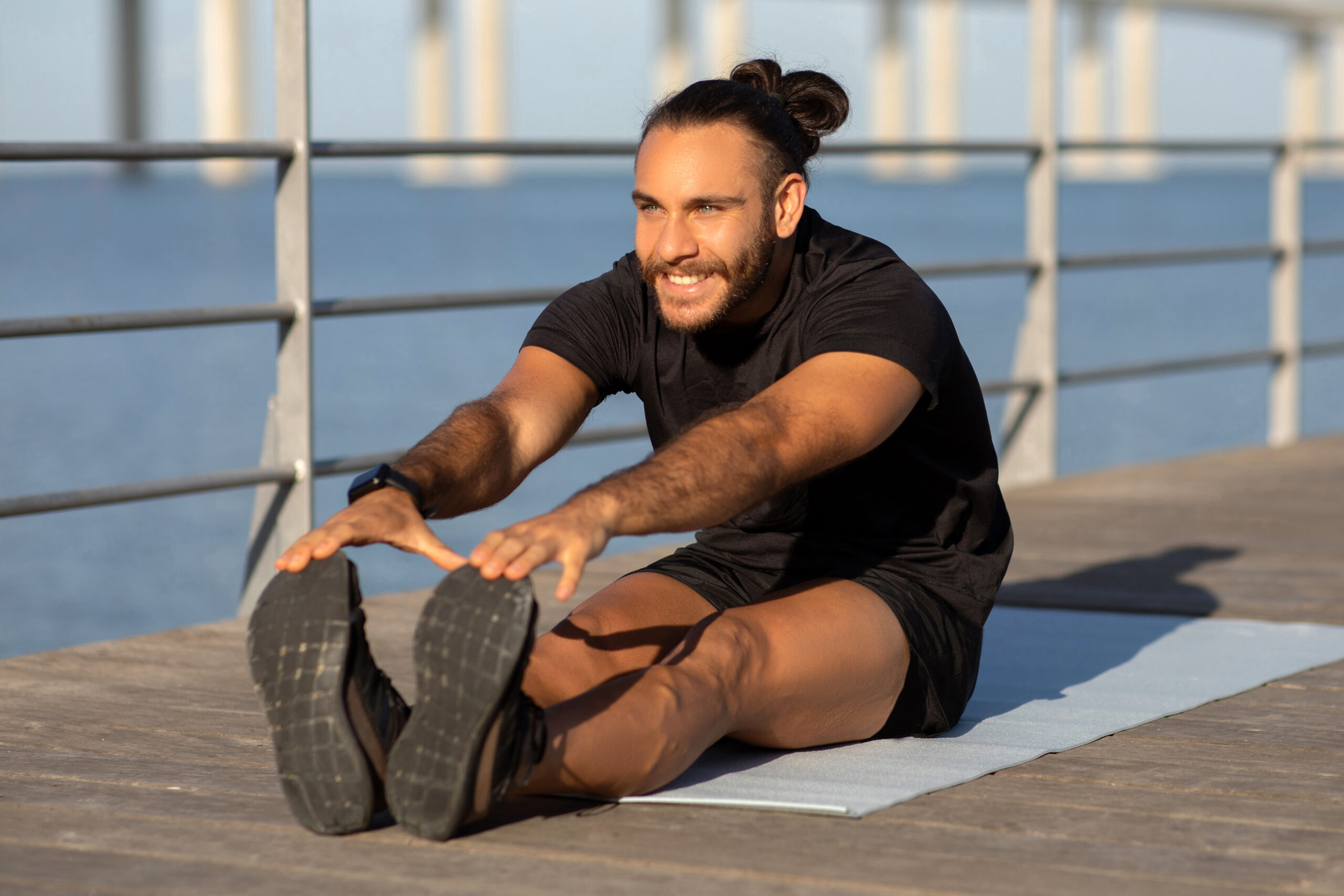
A weekly hybrid fitness routine plan is one of the best ways to get strong and feel good without letting the gym take over your life. Most programs act like you have to be perfect or train until you collapse, but hybrid training is different. It’s about making progress in the real world, not just when everything is going perfectly.
This kind of approach is built for people with busy lives—parents, professionals, or anyone getting back into a routine. It’s for those who want to work hard but still have energy for their family and hobbies. Instead of a rigid schedule that falls apart when your week gets messy, you get a flexible framework that balances lifting, cardio, and recovery so you can stay consistent without burning out.

Weekly Hybrid Fitness

This approach works because it shows how the human body actually thrives: with variety, complementary movement patterns, and enough flexibility to adapt to stress, fatigue, and the uncertainty of everyday life. When you build a weekly hybrid fitness routine, you’re not just checking off workouts—you’re building a sustainable system that maintains long-term health, energy, and confidence.

Whether you’re starting from scratch, returning after a break, or leveling up your current routine, this guide will guide you through the exact steps to build a weekly hybdrid fitness plan that feels doable, empowering, and consistent with the Endless Summer Fitness philosophy: Train like every day is summer—blend athletics, strength, cardio, and mobility with the fluidity, power, and consistency of endless summer days.

What Hybrid Fitness Really Means

Hybrid fitness is the intentional blending of strength, cardio, and mobility into one weekly structure. Instead of choosing between lifting or running, or between mobility and conditioning, hybrid training lets you build a body that can do all of it—without overtraining or burning out.

A true hybrid routine is built on three principles:

  • Balance: Your train multiple systems—muscular, cardiovascular, and mobility—so your body becomes strong, stable, and adaptable.
  • Flexibility: You have structure without rigidity. If life shifts, your routine shifts with it.
  • Longevity: You’re training for the long game–better joints, better energy, better movement, better health.

This is why hybrid fitness works so well for beginners and busy adults: it removes the pressure to be perfect and replaces it with a realistic, sustainable, and effective plan.

Why a Weekly Hybrid Routine Works Better Than Traditional Programs

Most traditional programs fall into one of two traps:

  • Too-rigid: Six-day splits, strict cardio schedules, or high-intensity programs that collapse the moment life gets busy.
  • Too vague: “Just move more” or “do what you feel like,” which leads to inconsistency and stalled progress.

A weekly hybrid routine solves both problems by giving you:

  • A clear structure (3 anchor days)
  • Built-in flexibility (bonus blocks)
  • Multiple routes to success (strength, cardio, mobility)
  • Room for real life (travel, fatigue, stress, schedule changes)

This is why hybrid training is one of the most sustainable approaches for long-term fitness—especially for people who want results without sacrificing their lifestyle.

The 3‑Day Hybrid Foundation (Expanded)

These three sessions are the background of your week. If you complete these, you’ve hit the minimum effective dose for strength, conditioning, and mobility.

  1. Full‑Body Strength Training

Strength is the engine of hybrid fitness. It improves muscle tone, joint stability, metabolism, posture, and everyday movement.

Why it matters:

Strength training helps prevent injury, supports fat loss, and builds functional power for real-life tasks—lifting groceries, climbing stairs, carrying kids, or simply moving with confidence.

What a beginner‑friendly session looks like:

  • Warm-up: dynamic mobility + light activation
  • Compound movements: squats, hinges, pushes, pulls
  • Core stability: planks, dead bugs, carries
  • Optional finisher: low-impact conditioning burst

Strength days should feel challenging but controlled—never punishing.

  1. Cardio or Conditioning

Cardio supports heart health, stamina, mental clarity, and recovery. In hybrid training, cardio doesn’t have to mean running—it can be walking, cycling, dance cardio, low-impact intervals, or outdoor conditioning.

Why it matters:

Cardio improves endurance, supports fat loss, boosts mood, and helps regulate stress. It also complements strength training by improving your ability to recover between sets and sessions.

What a beginner‑friendly session looks like:
  • Steady-state walk or cycle
  • Low-impact intervals
  • Outdoor conditioning (stairs, hills, beach walk)
  • Dance-based cardio for fun and flow

The goal is to elevate your heart rate without overwhelming your joints.

  1. Mobility + Core

Mobility is the secret weapon of hybrid fitness. It keeps your joints healthy, improves movement quality, and reduces stiffness from sitting or stress.

Why it matters:

Mobility work helps you move better in strength and cardio sessions. It also reduces pain, improves posture, and supports long-term joint health.

What a beginner‑friendly session looks like:
  • Dynamic mobility flow
  • Hip and thoracic spine work
  • Core stability (not crunch-based)
  • Breathwork and gentle stretching

This day should feel restorative, not exhausting.

The Bonus Block System

Bonus blocks are short, optional sessions (10-20 minutes) that you sprinkle into your week when you have time or energy. They’re not required—but they’re powerful.

Why bonus blocks matter:
  • They increase weekly movement without increasing pressure
  • Bonus blocks help you stay consistent during busy weeks
  • They allow you to personalize your routine
  • Bonus build momentum and confidence
Examples:
  • 10-minute dumbbell circuit
  • 15-minute dumbbell circuit
  • 12-minute core flow
  • 10-minute mobility reset
  • Short outdoor conditioning burst

Bonus blocks turn “I didn’t have time” into “I still did something.”

How to Build Your Week

A hybrid routine is built in layers:
  1. Choose your three anchor days: Pick days you can realistically commit to—not fantasy-schedule days.
  2. Look at your real week: Work, kids, travel, energy levels–map it honestly.
  3. Place your anchor sessions: Strength early in the week, cardio mid-week, mobility later.
  4. Add bonus blocks where they fit: Morning, lunch break, after dinner—whatever works.
  5. Leave space for life: Hybrid fitness expects interruptions. You’re not failing—you’re adapting.

FullBody Strength Training

WarmUp (57 minutes)

  • March in place or walk around your space
  • Arm circles (forward/backward)
  • Hip circles
  • 10 bodyweight squats
  • 10 glute bridges
  • 10 wall push‑ups

Main Strength Block (2–3 sets each)

  1. Squat or SittoStand

  • Stand tall, feet hip‑width apart
  • Sit back into your hips, lower with control
  • Drive through your heels to stand
  • Reps: 8–12
  1. Hip Hinge (Romanian Deadlift or Good Morning)

  • Keep spine neutral
  • Push hips back, slight knee bend
  • Feel a stretch in the hamstrings
  • Reps: 8–12
  1. Push Movement (Incline PushUp or Dumbbell Chest Press)

  • Keep elbows at 45°
  • Brace your core
  • Lower slowly, press with control
  • Reps: 8–10
  1. Pull Movement (Dumbbell Row or Band Row)

  • Hinge slightly
  • Pull the elbow toward the hip
  • Squeeze the shoulder blade
  • Reps: 8–12 per side
  1. Carry (Farmer Carry)

  • Hold weights at sides
  • Walk tall, slow, controlled
  • Time: 20–30 seconds

Optional Finisher (3–5 minutes)

  • 3 rounds:
  • 20 seconds of bodyweight squats
  • 20 seconds rest

CoolDown (35 minutes)

  • Hamstring stretch
  • Chest stretch
  • Hip flexor stretch
  • Deep breathing

Cardio or Conditioning

Option A: LowImpact Steady Cardio (BeginnerFriendly)

  • 5‑minute warm‑up walk
  • 15–25 minutes brisk walking or cycling
  • Keep pace where you can talk but not sing
  • 5‑minute cool‑down walk
  • Light stretching

Option B: LowImpact Interval Conditioning

  • 5‑minute warm‑up
  • 10 rounds:
  • 30 seconds faster walk / step‑ups / low‑impact march
  • 30–60 seconds easy pace
  • 5‑minute cool‑down

Option C: Outdoor Conditioning (MiamiVibe Friendly)

  • Beach walk
  • Bridge incline walk
  • Park stairs (slow, controlled)
  • 20–30 minutes total

Mobility + Core

Mobility Flow (10–12 minutes)

Cat‑Cow — 8–10 reps

World’s Greatest Stretch — 5 reps per side

90/90 Hip Rotations — 6–8 reps per side

Thoracic Spine Rotations — 8 reps per side

Core Stability (8–10 minutes)

Glute Bridge — 10–15 reps

Dead Bug or Heel Taps — 8–10 reps per side

Side Plank (knees or feet) — 15–30 seconds per side

CoolDown (23 minutes)

  • Child’s pose
  • Deep breathing
  • Gentle spinal twist
(ESF Links)
Further Reading: Hybrid Training Research & Benefits

Mindset: The “Always Something”

Hybrid fitness works because it removes an all-or-nothing mindset. You don’t need perfect weeks—you need consistent ones. A walk counts. A stretch counts. A 10-minute circuit counts. Movement is movement, and it adds up,

This mindset shift is what makes hybrid fitness sustainable for years—not weeks.

Disclosure

As with all exercise programs, use common sense. To reduce the risk of injury, check with your doctor before beginning any fitness program. By performing any fitness exercises, you are performing them at your own risk; endlesssummerfitness.com will not be responsible or liable for any injury or harm you sustain as a result of our fitness program, online fitness videos, or information shared on our website. This includes emails, videos, and text.

Smart tools, human guidance — straightforward, simple, effective, and fun.

Build a High‑Performance Week That Blends Strength, Cardio, and Mobility

A weekly hybrid fitness routine plan is one of the best ways to get strong and feel good without letting the gym take over your life. Most programs act like you have to be perfect or train until you collapse, but hybrid training is different. It’s about making progress in the real world, not just when everything is going perfectly.
This kind of approach is built for people with busy lives—parents, professionals, or anyone getting back into a routine. It’s for those who want to work hard but still have energy for their family and hobbies. Instead of a rigid schedule that falls apart when your week gets messy, you get a flexible framework that balances lifting, cardio, and recovery so you can stay consistent without burning out.

Weekly Hybrid Fitness

This approach works because it shows how the human body actually thrives: with variety, complementary movement patterns, and enough flexibility to adapt to stress, fatigue, and the uncertainty of everyday life. When you build a weekly hybrid fitness routine, you’re not just checking off workouts—you’re building a sustainable system that maintains long-term health, energy, and confidence.

Whether you’re starting from scratch, returning after a break, or leveling up your current routine, this guide will guide you through the exact steps to build a weekly hybdrid fitness plan that feels doable, empowering, and consistent with the Endless Summer Fitness philosophy: Train like every day is summer—blend athletics, strength, cardio, and mobility with the fluidity, power, and consistency of endless summer days.

What Hybrid Fitness Really Means

Hybrid fitness is the intentional blending of strength, cardio, and mobility into one weekly structure. Instead of choosing between lifting or running, or between mobility and conditioning, hybrid training lets you build a body that can do all of it—without overtraining or burning out.

A true hybrid routine is built on three principles:

  • Balance: Your train multiple systems—muscular, cardiovascular, and mobility—so your body becomes strong, stable, and adaptable.
  • Flexibility: You have structure without rigidity. If life shifts, your routine shifts with it.
  • Longevity: You’re training for the long game–better joints, better energy, better movement, better health.

This is why hybrid fitness works so well for beginners and busy adults: it removes the pressure to be perfect and replaces it with a realistic, sustainable, and effective plan.

Why a Weekly Hybrid Routine Works Better Than Traditional Programs

Most traditional programs fall into one of two traps:

  • Too-rigid: Six-day splits, strict cardio schedules, or high-intensity programs that collapse the moment life gets busy.
  • Too vague: “Just move more” or “do what you feel like,” which leads to inconsistency and stalled progress.

A weekly hybrid routine solves both problems by giving you:

  • A clear structure (3 anchor days)
  • Built-in flexibility (bonus blocks)
  • Multiple routes to success (strength, cardio, mobility)
  • Room for real life (travel, fatigue, stress, schedule changes)

This is why hybrid training is one of the most sustainable approaches for long-term fitness—especially for people who want results without sacrificing their lifestyle.

The 3‑Day Hybrid Foundation (Expanded)

These three sessions are the background of your week. If you complete these, you’ve hit the minimum effective dose for strength, conditioning, and mobility.

  1. Full‑Body Strength Training

Strength is the engine of hybrid fitness. It improves muscle tone, joint stability, metabolism, posture, and everyday movement.

Why it matters:

Strength training helps prevent injury, supports fat loss, and builds functional power for real-life tasks—lifting groceries, climbing stairs, carrying kids, or simply moving with confidence.

What a beginner‑friendly session looks like:

  • Warm-up: dynamic mobility + light activation
  • Compound movements: squats, hinges, pushes, pulls
  • Core stability: planks, dead bugs, carries
  • Optional finisher: low-impact conditioning burst

Strength days should feel challenging but controlled—never punishing.

  1. Cardio or Conditioning

Cardio supports heart health, stamina, mental clarity, and recovery. In hybrid training, cardio doesn’t have to mean running—it can be walking, cycling, dance cardio, low-impact intervals, or outdoor conditioning.

Why it matters:

Cardio improves endurance, supports fat loss, boosts mood, and helps regulate stress. It also complements strength training by improving your ability to recover between sets and sessions.

What a beginner‑friendly session looks like:
  • Steady-state walk or cycle
  • Low-impact intervals
  • Outdoor conditioning (stairs, hills, beach walk)
  • Dance-based cardio for fun and flow

The goal is to elevate your heart rate without overwhelming your joints.

  1. Mobility + Core

Mobility is the secret weapon of hybrid fitness. It keeps your joints healthy, improves movement quality, and reduces stiffness from sitting or stress.

Why it matters:

Mobility work helps you move better in strength and cardio sessions. It also reduces pain, improves posture, and supports long-term joint health.

What a beginner‑friendly session looks like:
  • Dynamic mobility flow
  • Hip and thoracic spine work
  • Core stability (not crunch-based)
  • Breathwork and gentle stretching

This day should feel restorative, not exhausting.

The Bonus Block System

Bonus blocks are short, optional sessions (10-20 minutes) that you sprinkle into your week when you have time or energy. They’re not required—but they’re powerful.

Why bonus blocks matter:
  • They increase weekly movement without increasing pressure
  • Bonus blocks help you stay consistent during busy weeks
  • They allow you to personalize your routine
  • Bonus build momentum and confidence
Examples:
  • 10-minute dumbbell circuit
  • 15-minute dumbbell circuit
  • 12-minute core flow
  • 10-minute mobility reset
  • Short outdoor conditioning burst

Bonus blocks turn “I didn’t have time” into “I still did something.”

How to Build Your Week

A hybrid routine is built in layers:
  1. Choose your three anchor days: Pick days you can realistically commit to—not fantasy-schedule days.
  2. Look at your real week: Work, kids, travel, energy levels–map it honestly.
  3. Place your anchor sessions: Strength early in the week, cardio mid-week, mobility later.
  4. Add bonus blocks where they fit: Morning, lunch break, after dinner—whatever works.
  5. Leave space for life: Hybrid fitness expects interruptions. You’re not failing—you’re adapting.

FullBody Strength Training

WarmUp (57 minutes)

  • March in place or walk around your space
  • Arm circles (forward/backward)
  • Hip circles
  • 10 bodyweight squats
  • 10 glute bridges
  • 10 wall push‑ups

Main Strength Block (2–3 sets each)

  1. Squat or SittoStand

  • Stand tall, feet hip‑width apart
  • Sit back into your hips, lower with control
  • Drive through your heels to stand
  • Reps: 8–12
  1. Hip Hinge (Romanian Deadlift or Good Morning)

  • Keep spine neutral
  • Push hips back, slight knee bend
  • Feel a stretch in the hamstrings
  • Reps: 8–12
  1. Push Movement (Incline PushUp or Dumbbell Chest Press)

  • Keep elbows at 45°
  • Brace your core
  • Lower slowly, press with control
  • Reps: 8–10
  1. Pull Movement (Dumbbell Row or Band Row)

  • Hinge slightly
  • Pull the elbow toward the hip
  • Squeeze the shoulder blade
  • Reps: 8–12 per side
  1. Carry (Farmer Carry)

  • Hold weights at sides
  • Walk tall, slow, controlled
  • Time: 20–30 seconds

Optional Finisher (3–5 minutes)

  • 3 rounds:
  • 20 seconds of bodyweight squats
  • 20 seconds rest

CoolDown (35 minutes)

  • Hamstring stretch
  • Chest stretch
  • Hip flexor stretch
  • Deep breathing

Cardio or Conditioning

Option A: LowImpact Steady Cardio (BeginnerFriendly)

  • 5‑minute warm‑up walk
  • 15–25 minutes brisk walking or cycling
  • Keep pace where you can talk but not sing
  • 5‑minute cool‑down walk
  • Light stretching

Option B: LowImpact Interval Conditioning

  • 5‑minute warm‑up
  • 10 rounds:
  • 30 seconds faster walk / step‑ups / low‑impact march
  • 30–60 seconds easy pace
  • 5‑minute cool‑down

Option C: Outdoor Conditioning (MiamiVibe Friendly)

  • Beach walk
  • Bridge incline walk
  • Park stairs (slow, controlled)
  • 20–30 minutes total

Mobility + Core

Mobility Flow (10–12 minutes)

Cat‑Cow — 8–10 reps

World’s Greatest Stretch — 5 reps per side

90/90 Hip Rotations — 6–8 reps per side

Thoracic Spine Rotations — 8 reps per side

Core Stability (8–10 minutes)

Glute Bridge — 10–15 reps

Dead Bug or Heel Taps — 8–10 reps per side

Side Plank (knees or feet) — 15–30 seconds per side

CoolDown (23 minutes)

  • Child’s pose
  • Deep breathing
  • Gentle spinal twist
(ESF Links)
Further Reading: Hybrid Training Research & Benefits

Mindset: The “Always Something”

Hybrid fitness works because it removes an all-or-nothing mindset. You don’t need perfect weeks—you need consistent ones. A walk counts. A stretch counts. A 10-minute circuit counts. Movement is movement, and it adds up,

This mindset shift is what makes hybrid fitness sustainable for years—not weeks.

Disclosure

As with all exercise programs, use common sense. To reduce the risk of injury, check with your doctor before beginning any fitness program. By performing any fitness exercises, you are performing them at your own risk; endlesssummerfitness.com will not be responsible or liable for any injury or harm you sustain as a result of our fitness program, online fitness videos, or information shared on our website. This includes emails, videos, and text.

Smart tools, human guidance — straightforward, simple, effective, and fun.

Leave a Comment

Your email address will not be published. Required fields are marked *

Verified by MonsterInsights