

The Hybrid Fitness Program Blueprint
Strength, Energy, and Long‑Term Health
In a world where time is tight and demands are high, fitness must be simple, effective, and sustainable. The hybrid fitness program blueprint answers that need. It blends strength, mobility, light cardio, recovery, and choice into one weekly system that builds capability, protects long‑term health, and keeps movement enjoyable. This approach is not about extremes or quick fixes. It is about steady progress, practical habits, and a routine people can keep for years.
The hybrid fitness program blueprint system is built around seven parts. Each part has a clear purpose and a simple set of actions. When combined for a neutral, explanatory tone; used together for a concise option; and used collectively or in concert when a slightly more formal or persuasive tone is needed. The goal is to create a body that works well for daily life—lifting, carrying, climbing stairs, playing with kids, or simply moving without pain. The hybrid fitness program blueprint is flexible: it works for beginners, busy professionals, parents, and experienced athletes seeking a reliable structure.
ACSM Position Stands — Official, evidence‑based statements covering exercise quantity, quality, and special topics; use these for high‑level guidance and clinical recommendations.
-
Full Body Strength: The Foundation Hybrid Fitness Program Capability
Full-body strength sessions are the backbone of the hybrid fitness program blueprint. As a result, these workouts focus on compound movements that engage multiple joints and muscle groups simultaneously. Squats, presses, rows, and hinges teach the body to move as a unit. That translates directly to everyday tasks: standing up from a chair, lifting a box, or carrying groceries.
Why full-body matters: Strength training increases muscle mass, supports bone health, and improves metabolic function. In addition, it protects joints by strengthening the muscles that stabilize them. As a result, for most people, full-body strength training is the most efficient way to build practical fitness because it trains multiple muscle groups in each hybrid fitness program.
How to approach it: Aim for two to three full-body hybrid fitness program sessions per week. Use a mix of bodyweight and external resistance — dumbbells, bands, or machines. Focus on good form and steady progress: add a few pounds, an extra rep, or a cleaner movement each week. Keep sessions focused and time-efficient: 30-40 minutes is enough.
Key principles:
- Prioritize compound lifts.
- Move with control and a full range of motion.
- Progress gradually to avoid injury.
“Resistance Training for Health and Fitness” (ACSM brochure) — Practical, user‑friendly guidance on exercise selection, rep ranges, and frequency for general populations; ideal for translating position stands into gym or home programs.
-
Mobility + Light Cardio: The Longevity Layer
Mobility and light cardio are the maintenance work that keeps the body moving well. The sessions improve joint range of motion, reduce stiffness, and reduce the risk of injury. Light cardio—walking, easy cycling, or dance—boosts circulation and supports recovery without adding stress.
Why it matters: Mobility helps people move freely and reduces the chance of overuse injuries. Light cardio supports heart health and speeds recovery by increasing blood flow to muscles. Together, they make strength work easier and more effective.
How to approach it: Schedule short mobility sessions most days—10 to 20 minutes of dynamic stretches, joint, circles, and controlled movements. Add 15-30 minutes of light cardio on mobility days or as a warm-up. The goal is fluid movement, not fatigue.
Key principles:
- Focus on the quality of movement.
- Use mobility to address tight or weak areas.
- Keep cardio easy and consistent.
-
Lower Body Strength: Power from the Ground Up
Lower body strength targets the largest muscles in the body—glutes, quads, hamstrings, and calves. These muscles power walking, running, jumping, and climbing. Strong legs improve balance, reduce fall risk, and support long-term independence.
Why it matters: Lower body training builds power and stability. It protects the knees and hips by strengthening surrounding muscles and improves posture by supporting the pelvis and spine. For aging well, strong legs are essential.
How to approach: Include focused lower-body sessions one to two times per week. Use squats, lunges, deadlifts, step-ups, and glute bridges. Emphasize progressive overload: Increase weight, reps, or difficulty over time. Balance heavy work with lighter, higher-rep sets to build endurance.
Key principles:
- Train through a full range of motion.
- Prioritize hip and glute strength.
- Include unilateral work to fix imbalances.
-
Recovery Walk + Core: Reset and Recenter
Recovery is active, not passive. A recovery walk paired with core work helps the body reset after harder sessions. Walking increases circulation and reduces stiffness. Core training strengthens the deep muscles that stabilize the spine and pelvis.
Why it matters: Active recovery speeds repair, lowers inflammation, and supports mental clarity. Core strength improves posture, reduces back pain, and makes every movement safer and more efficient.
How to approach it: Use recovery days for a 15–30-minute easy walk and a short core routine. Focus on controlled breathing and slow, deliberate core exercises such as planks, bird dogs, and dead bugs. Keep intensity low and attention on form.
Key principles
- Use recovery to support, not replace, harder sessions
- Train the core for stability, not just appearance.
- Keep walks easy and restorative.
-
Upper Body Strength: Reach, Pull, Press, Repeat
Notably, upper-body strength supports daily tasks such as lifting, carrying, and reaching. Hence, it helps maintain good posture and healthy shoulder mechanics. Balanced upper-body training targets the shoulders, chest, back, and arms.
Why it matters: Strong upper body muscles protect the spine, improve breathing mechanics, and increase functional independence. Significantly, grip strength, often trained indirectly through pulling movements, is a strong predictor of overall health.
For best results, train the upper body two to three times per week, either as part of full-body sessions or in focused upper-body workouts. Include presses, rows, pushups, and accessory work for biceps and triceps. Emphasize balanced pushing and pulling to protect the shoulders.
Key principles:
- Balance push and pull movements.
- Train through a full range of motion.
- Include grip work and scapular control.
-
Optional Group Class or Solo Workout: Choose Your Joy
This part of the blueprint is about choices and enjoyment. Some people thrive in group classes where music and community drive effort. Others prefer solo workouts that allow focus and flexibility. Together, both paths support consistency and long-term adherence.
Why it matters: Enjoyment drives consistency. As a result, when workouts are fun or meaningful, people stick with them. Group classes add social support and accountability. Solo workouts offer personalization and convenience.
How to approach it: Use this day for variety. Try a dance class, a HIIT session, yoga, or a long bike ride. Or design a solo circuit that mixes strength and cardio. The goal is to move in a way that feels good and sustain motivation.
Key principles:
- Choose a movement that sparks joy
- Use variety to prevent boredom and plateaus
- In practice, respect recovery needs when choosing intensity
- Respect recovery needs when choosing intensity
-
Rest or Gentle Movement: The Art of Recovery
Rest is a strategic part of progress. Ultimately, muscles grow and adapt during recovery, not during the workout itself.
Why it matters: Rest reduces injury risk, balances hormones, and improves sleep. Consequently, and importantly, it also helps people maintain long-term consistency by preventing burnout.
To support recovery: Schedule at least one full rest or active recovery day each week. Use gentle stretching, slow walking, or breathwork. Listen to the body: some weeks need more rest, others less.
Key principles:
- Treat rest as part of the hybrid fitness program
- Use gentle movement to support recovery
- Adjust rest based on stress, sleep, and soreness
Putting the Pieces Together: Weekly Structure and Progress
The strength of the hybrid fitness program blueprint is its balance. A simple weekly pattern might include two full-body sessions, one lower-body day, one upper-body day, mobility and light cardio sessions, a recovery walk with core work, and one flexible day for group or solo activity. Rest is built in.
Progress comes from small, consistent steps. Track a few simple metrics: weight lifted, reps completed, or minutes of continuous movement. Aim to improve one variable each week. Rather than pushing harder without a plan, when progress stalls, adjust volume, intensity, or recovery.
Practical tips:
- Start with realistic time blocks: 30-45 minutes for strength, 10-30 minutes for mobility or cardio.
- Prioritize sleep, hydration, and protein intake to support recovery.
- Use simple equipment: a pair of dumbbells, a resistance band, and a mat are enough to start.
- Schedule workouts like appointments to protect consistency
Common Questions and Simple Answers
How should beginners start?
Begin with bodyweight versions of key movements. First, focus on form, then add resistance. Progress slowly and celebrate small wins.
How to avoid injury?
Warm up, prioritize technique, and respect recovery. If pain is sharp or persistent, seek professional advice.
How to stay motivated?
Mix variety with routine. Track progress, find a training partner or class, and choose movement that feels rewarding.
The Long View: Fitness as a Lifelong Practice
The hybrid fitness blueprint is not a short-term program. It is a way to build a body that lasts. Strength, mobility, and recovery work together to create resilience. Over months and years, this approach reduces injury risk, improves daily function, and supports a higher quality of life.
Fitness should fit life, not take it over. The blueprint is flexible: scale intensity up or down, swap sessions to match travel or work demands, and keep the core principles—strength, mobility, recovery—at the center.
The Complete Hybrid Fitness Program
Below is a weekly workout plan based on the seven‑part system. It’s designed for real life—flexible, balanced, and sustainable.
Hybrid Fitness Program Weekly Schedule
Day 1 — Full Body Strength
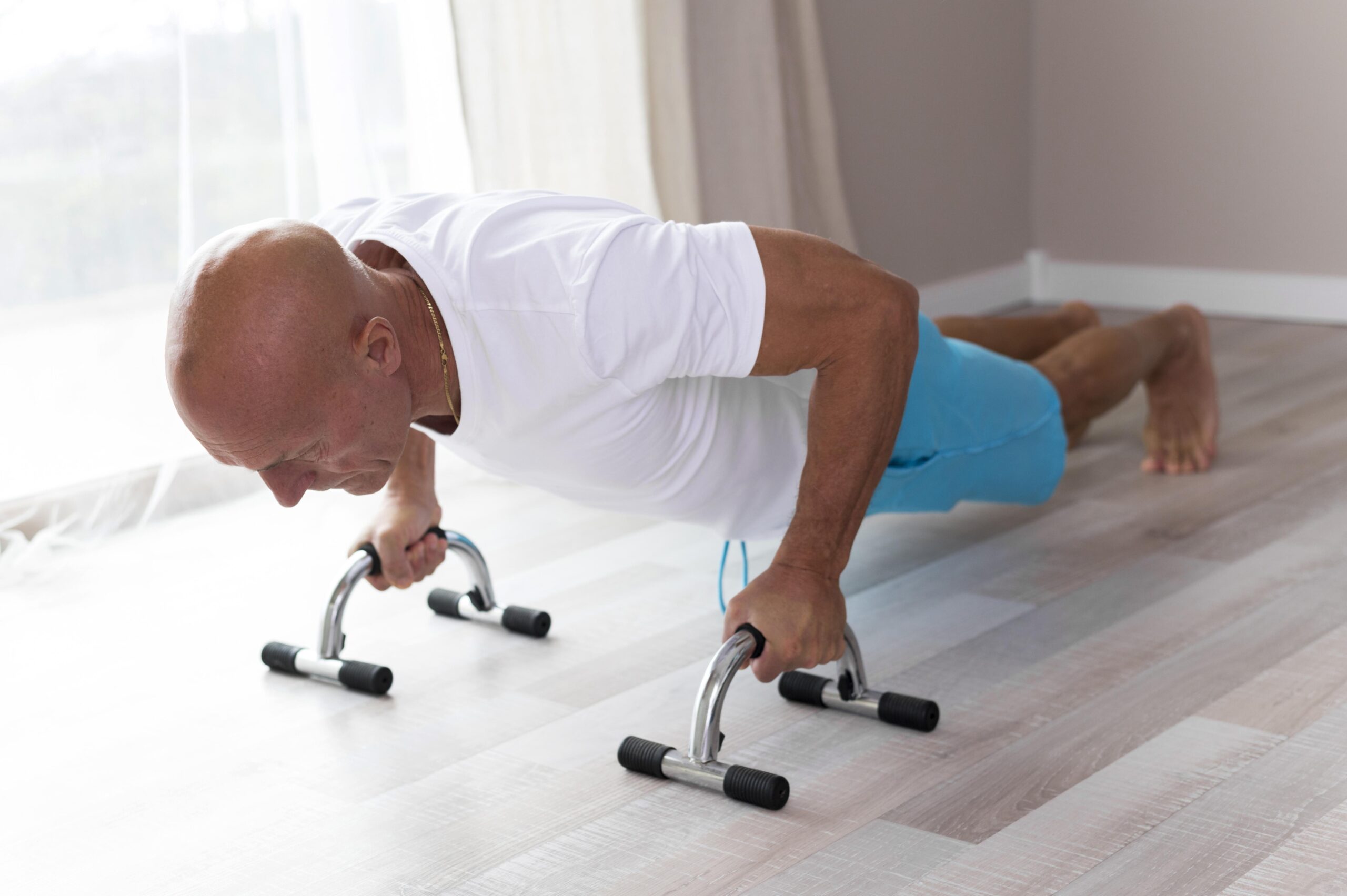
- Squats: 3×10
- Push‑ups: 3×8–12
- Bent‑over rows: 3×12
- Glute bridge: 3×15
- Plank: 30–45 seconds
Day 2 — Mobility + Light Cardio

- 10 minutes of dynamic stretching
- 15 minutes of light cardio (walk, bike, dance)
- 5 minutes of gentle mobility flow
Day 3 — Lower Body Strength
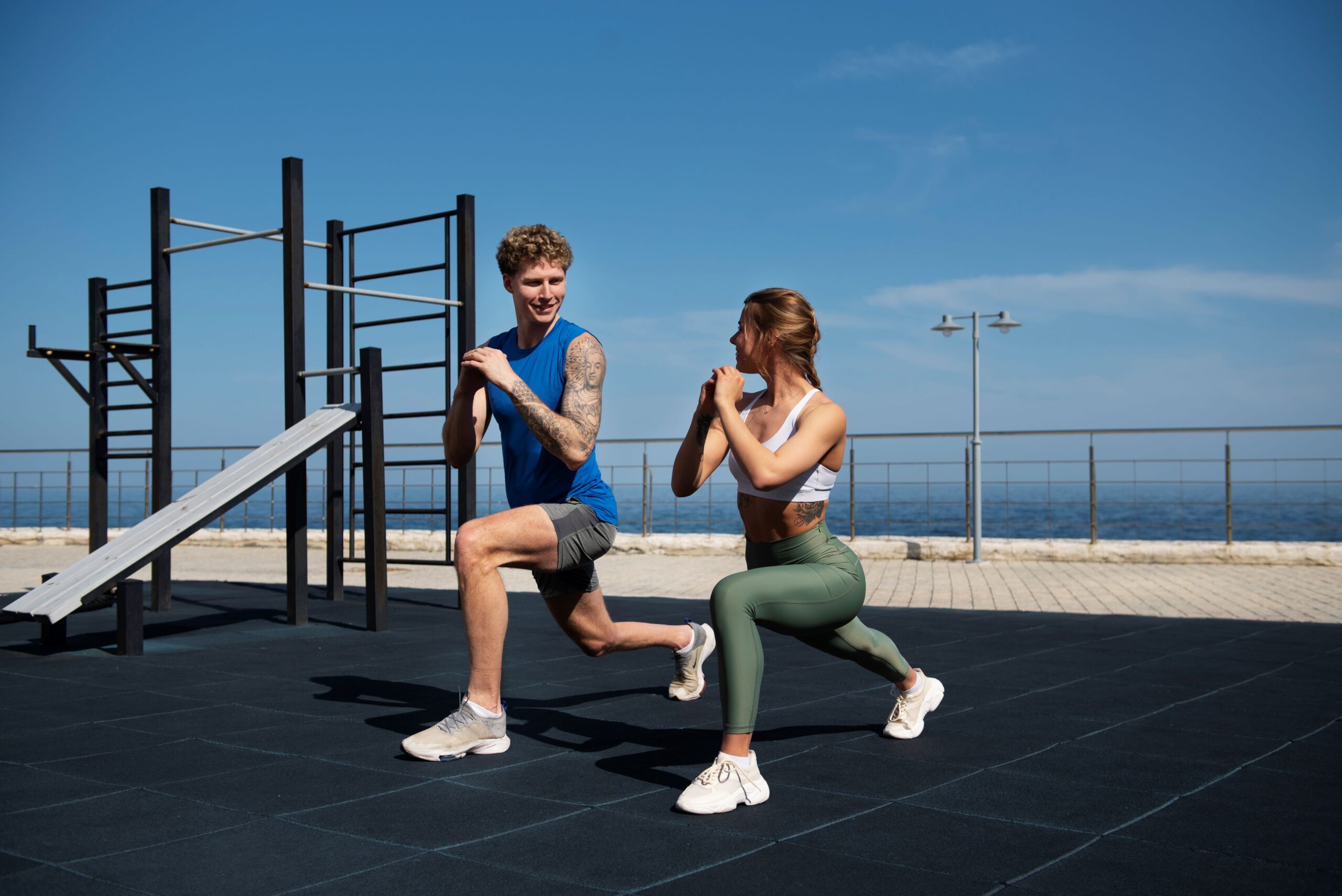
- Lunges: 3×10 each leg
- Deadlifts (bodyweight or dumbbells): 3×12
- Step‑ups: 3×10 each leg
- Calf raises: 3×15
- Side plank: 20–30 seconds each side
Day 4 — Recovery Walk + Core

- 15–20 minute walk
- Bird‑dogs: 3×10 each side
- Dead bugs: 3×10 each side
- Slow mountain climbers: 2×20
Day 5 — Upper Body Strength

- Shoulder press: 3×10
- Dumbbell or band rows: 3×12
- Chest press or push‑ups: 3×8–12
- Bicep curls: 3×12
- Tricep dips: 3×10
Day 6 — Optional Group Class or Solo Workout

Choose one:
- Yoga
- Dance fitness
- HIIT
- Cycling
- Home circuit
Day 7 — Rest or Gentle Movement

- Light stretching
- Slow walk
- Breathwork
- Foam rolling
“Progression Models in Resistance Training for Healthy Adults” (ACSM position stand) — Detailed recommendations on periodization, repetition ranges, rest intervals, and progression strategies for novice through advanced trainees."
Summary
This seven-part hybrid fitness program system creates a balanced, sustainable approach to building strength, improving mobility, and supporting long-term health. Each section plays a specific role: full-body strength builds the foundation, mobility and light cardio keep the body moving well, lower and upper-body sessions develop power and capability, and recovery-focused days help the body reset. Together, optional group or solo workouts, flexibility, and enjoyment, while rest and gentle movement help maintain the body’s health and resilience. Together, these elements form a practical weekly routine that supports real-life strength, steady progress, and a healthier, more energized lifestyle.
Ready to be both strong and fast? Here’s why hybrid fitness training might be for you.
Can beginners start hybrid training?
Yes, Beginners should start with manageable weights and low-intensity cardio, focusing on mastering fundamental movements like squats and deadlifts. Experts recommend starting with 2-3 sessions per week to avoid overloading the body, then gradually increasing the frequency.
How many days a week should I train?
A solid baseline for most people is 3-5 days per week, ensuring at least one full day of rest fir recovery. A common sustainable structure is the “3-2-1 rule”: three days of strength, two days of cardio, and one day of dedicated recovery.
Will doing cardio kill” strength and muscle gains?
No, provided you program intelligently and eat enough. Studies show that concurrent training (lifting and cardio) still produces significant muscle growth and strength gains. To minimize interference, it is often recommended to separate high-intensity lifting and intense cardio by 6-24 hours.
What is the best diet for a hybrid athlete?
A balanced diet high in protein (for muscle repair) and carbohydrates (as the primary energy source for endurance) is essential. Hybrid training burns a high amount of energy, so maintaining a slight calorie deficit is often necessary to build endurance.
Can I do hybrid training without running?
Absolutely. While running is popular, hybrid training is about building cardiovascular capacity, which can be achieved through cycling, swimming, rowing, or using machines like the SkiErg