Endless Summer Fitness provides workout tips for fitness beginners, weekend warriors, post-physical therapy individuals, men and women in middle life, and anyone seeking fitness results.

Functional Strength vs Muscle Size: What You Actually Need

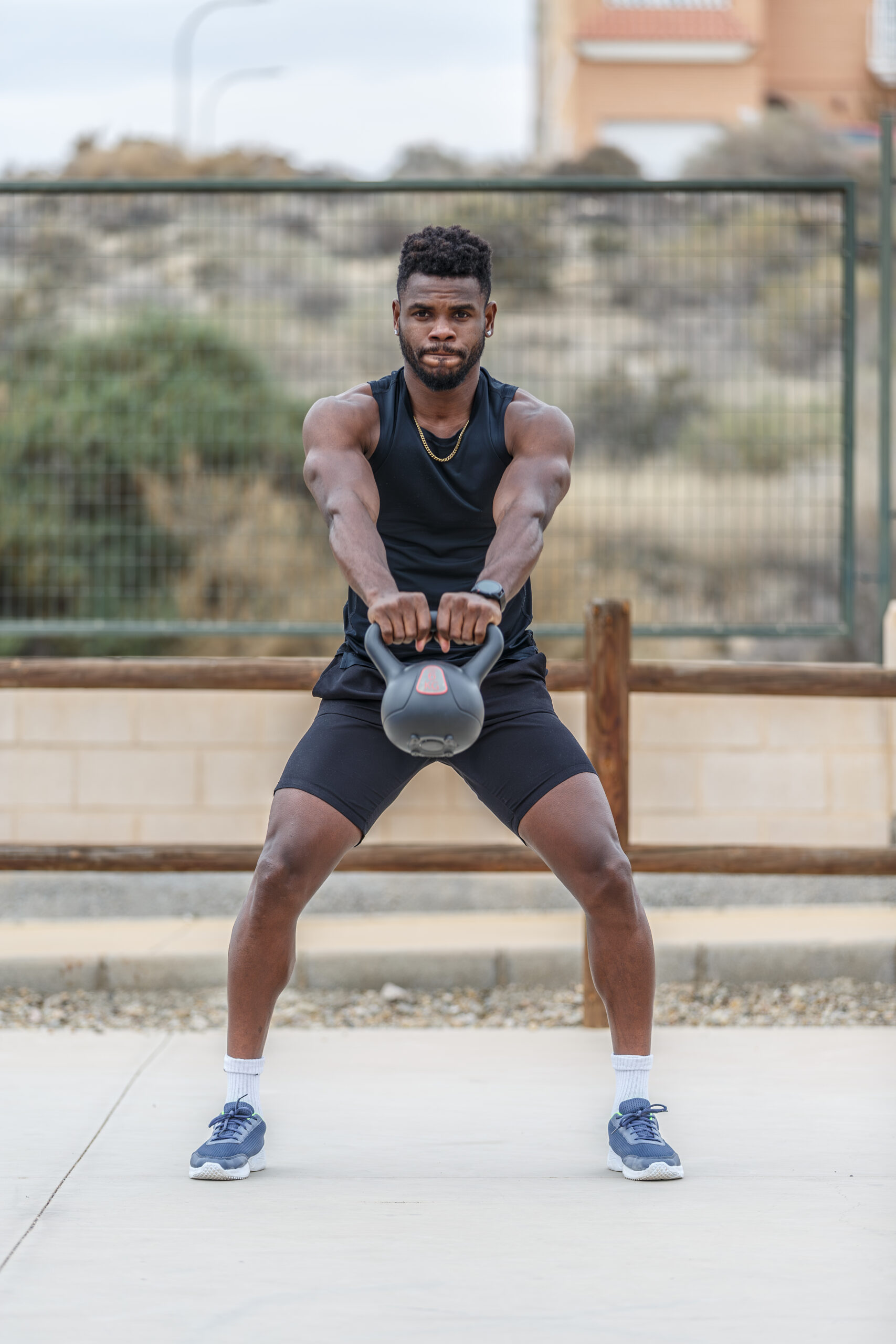
Understanding functional strength vs muscle size is the key to building a body that performs as well as it looks. Many people chase bigger muscles without realizing that size alone doesn’t guarantee real-world strength, stability, or athletic movement. Hybrid fitness blends both, and kettlebell flow training is one of the most effective ways to develop strength, mobility, and endurance simultaneously.

Functional Strength vs Muscle Size in Hybrid Fitness

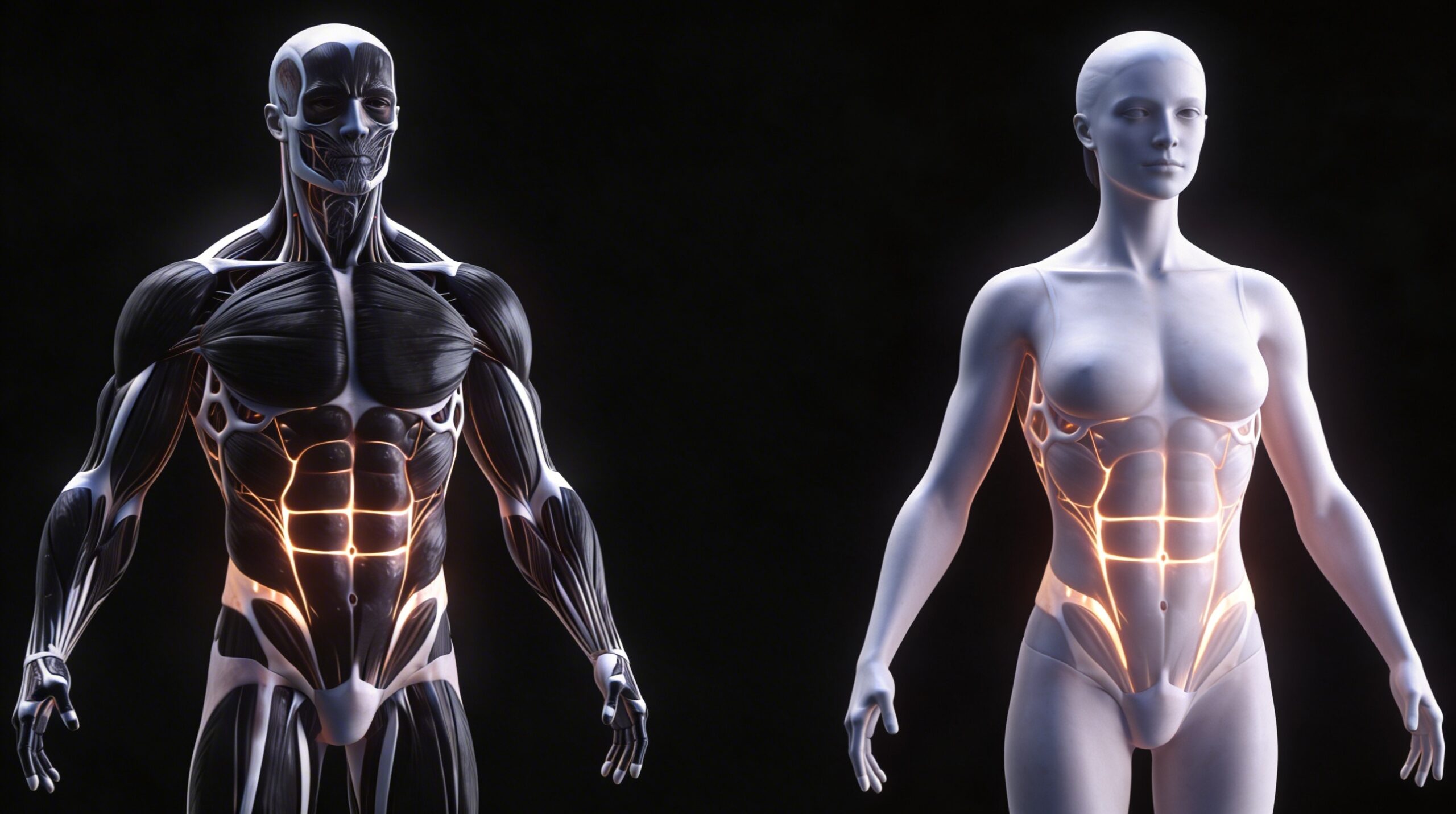
Functional strength focuses on how well your body moves through space. Muscle size (hypertrophy) focuses on increasing the cross-sectional area of muscle fibers. Both matter, but they serve different purposes.

Functional strength improves:
  • Balance and coordination
  • Joint stability
  • Movement efficiency
  • Real‑world performance

Functional Strength vs Muscle Size: What You Actually Need

Muscle size improves:
  • Force potential
  • Metabolic rate
  • Tissue resilience
  • Aesthetic appearance

Functional Strength vs Muscle Size: What You Actually Need

According to the National Strength and Conditioning Association (NSCA), multi-joint functional training improves neuromuscular efficiency and movement quality. The American College of Sports Medicine (ACSM), states that resistance training supports long-term health, strength, and injury prevention.

Why Functional Strength Matters for Everyday Life

Functional strength helps you lift, carry, climb, rotate, and stabilize your body during daily tasks. It’s the foundation of hybrid fitness because it blends strength, mobility, and endurance.

You rely on functional strength for:
  • Walking up stairs
  • Carrying heavy loads
  • Running or changing direction
  • Preventing injuries
  • Maintaining posture

Functional Strength vs Muscle Size: What You Actually Need

This type of training improves movement quality and reduces the risk of overuse injuries.

Why Muscle Size Still Matters for Hybrid Athletes

Muscle size isn’t just about aesthetics. Larger muscles store more glycogen, support joint stability, and increase your ability to produce force. Hybrid athletes benefit from a blend of hypertrophy and functional training.

Research from the Journal of Strength and Conditioning Research (JSCR) shows that hypertrophy contributes to strength potential even when training isn’t purely strength-focused.

How Kettlebell Flow Training Builds Both

Kettlebell flows combine strength, mobility, power, and conditioning into a single sequence. Instead of isolated reps, you move through chains of movements that challenge your entire body.

Flows improve:
  • Strength
  • Coordination
  • Mobility
  • Endurance
  • Stability
  • Athleticism

Functional Strength vs Muscle Size: What You Actually Need

This makes kettlebell flows perfect for hybrid fitness.

The Kettlebell Flow Progression Matrix (Beginner → Elite)

Beginner — 2‑Movement Foundation Flows


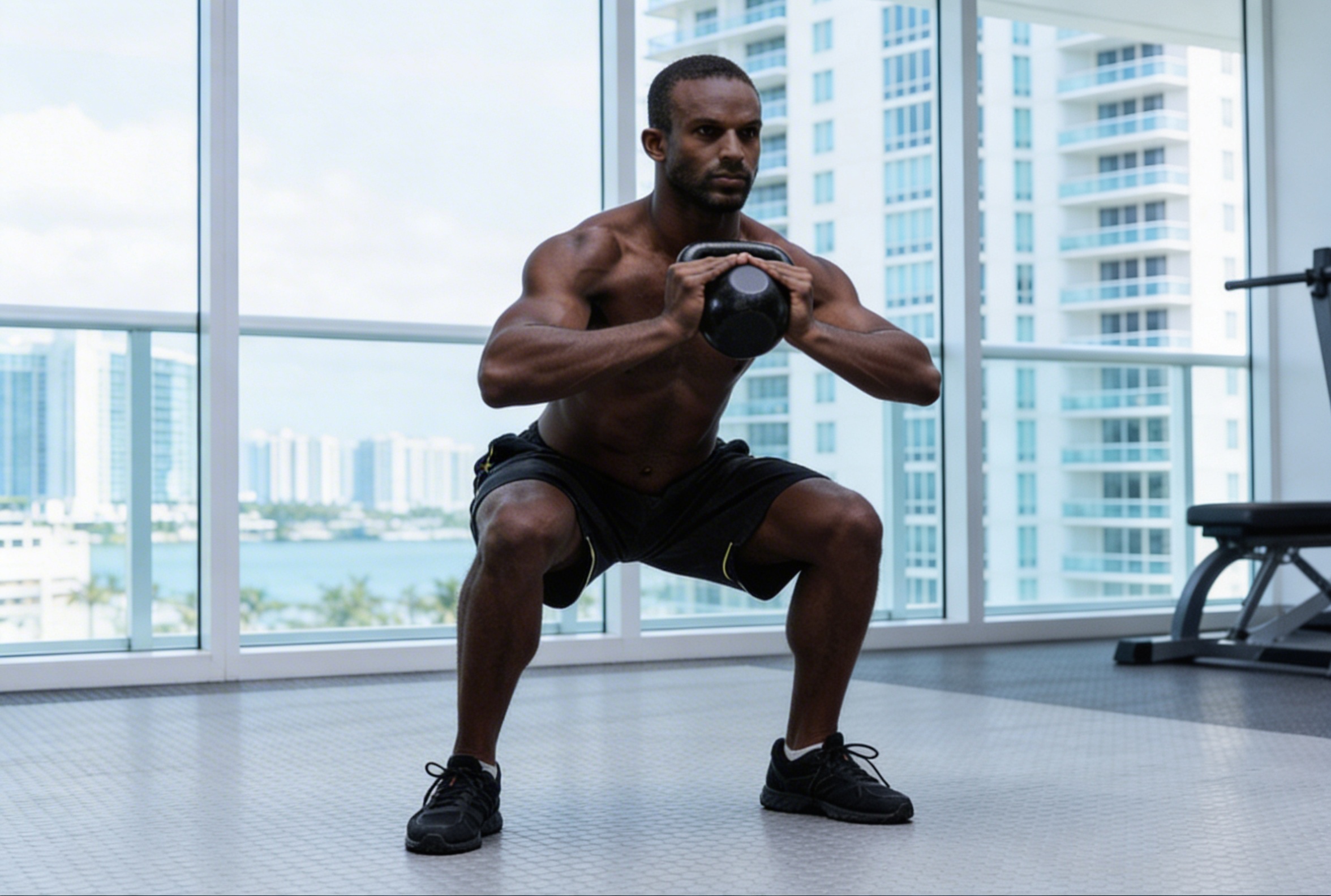
Flow 1: Kettlebell Horn Grip Squat → March
Functional Strength vs Muscle Size: What You Actually Need

How to do it:
  • Hold the kettlebell by the horns at chest height.
  • Stand tall with feet shoulder‑width apart.
  • Sit your hips back and lower into a squat.
  • Keep your chest lifted and core braced.
  • Stand tall and immediately lift one knee to hip height.
  • Lower the foot and repeat on the other side.
  • Maintain smooth, controlled breathing throughout.


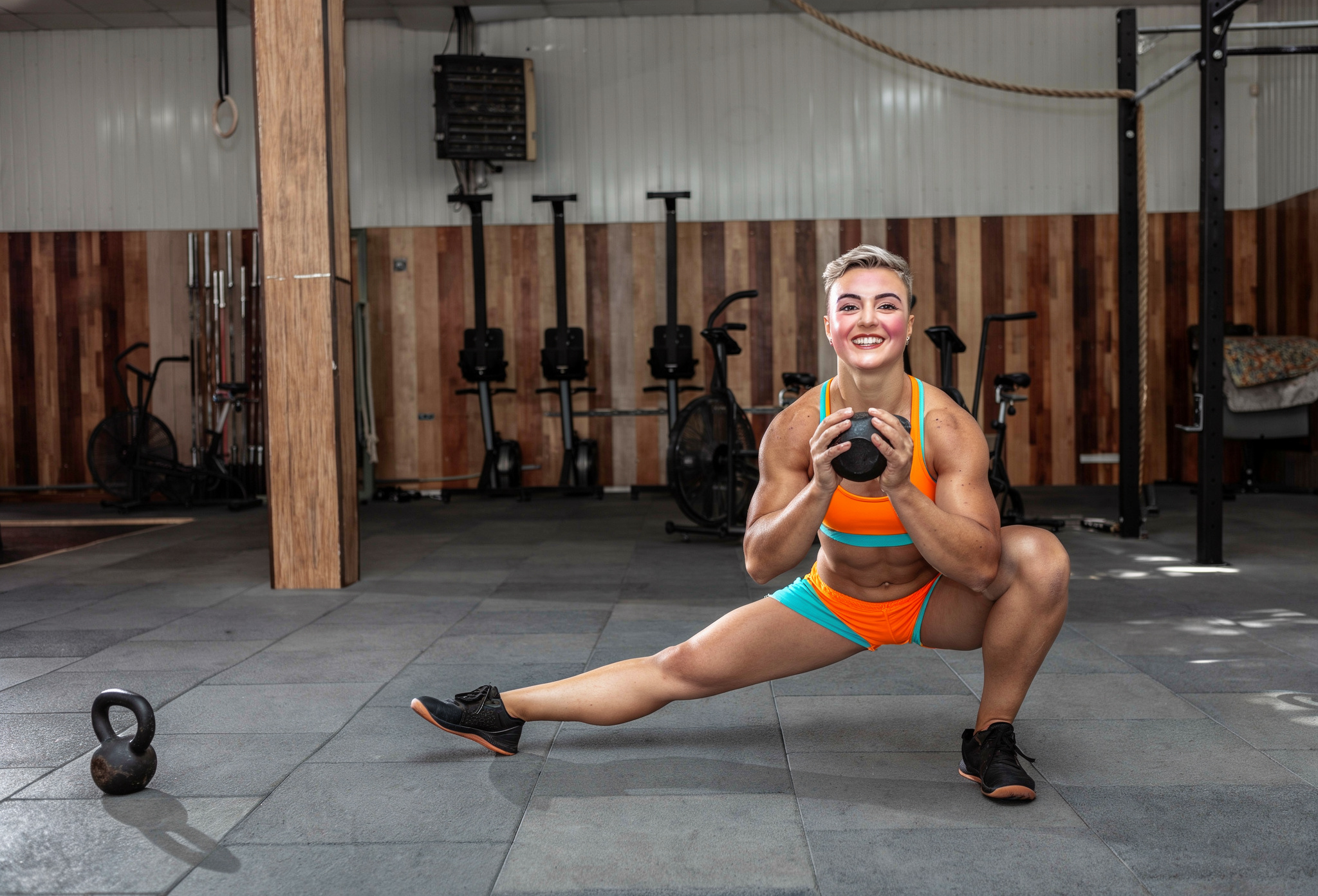
Flow 2: Kettlebell Goblet Lateral Lunge → Squat
Functional Strength vs Muscle Size: What You Actually Need

How to do it:
  • Hold the kettlebell in goblet position.
  • Step out to the side and sit into a lateral lunge.
  • Push through your heel to return to center.
  • Immediately drop into a goblet squat.
  • Keep your core tight and spine long.
  • Move slowly to maintain balance and control.

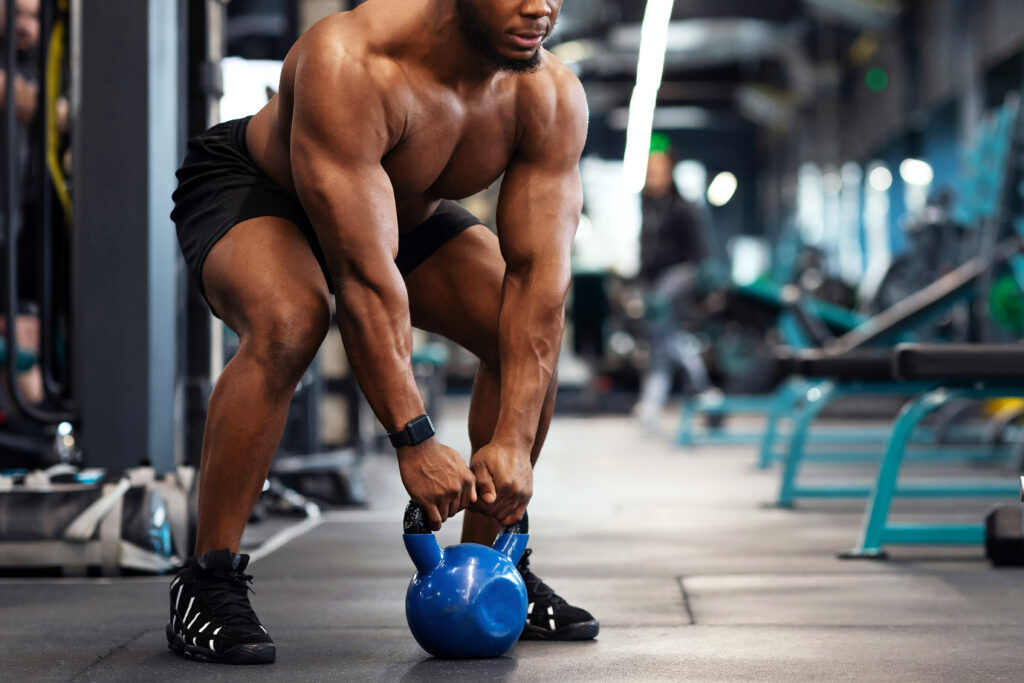
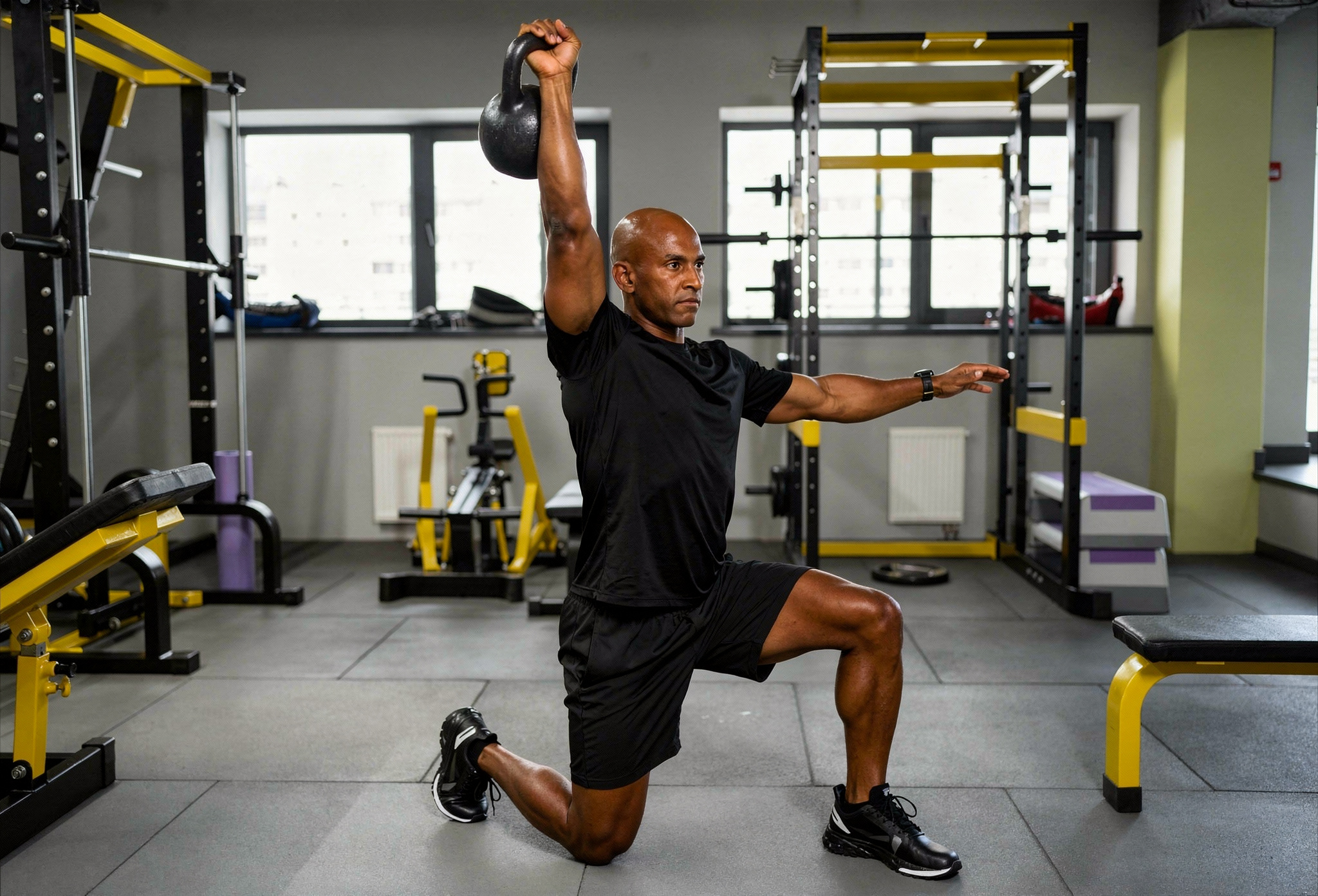
Flow 3: Kettlebell Dead Clean → Reverse Lunge
Functional Strength vs Muscle Size: What You Actually Need

How to do it:
  • Start with the kettlebell between your feet.
  • Hinge at the hips and clean the bell to front rack.
  • Step one foot back into a reverse lunge.
  • Keep your torso tall and knee aligned.
  • Return to standing and repeat on the other side.
  • Maintain smooth transitions between movements.

Intermediate — 2‑Movement Athletic Flows


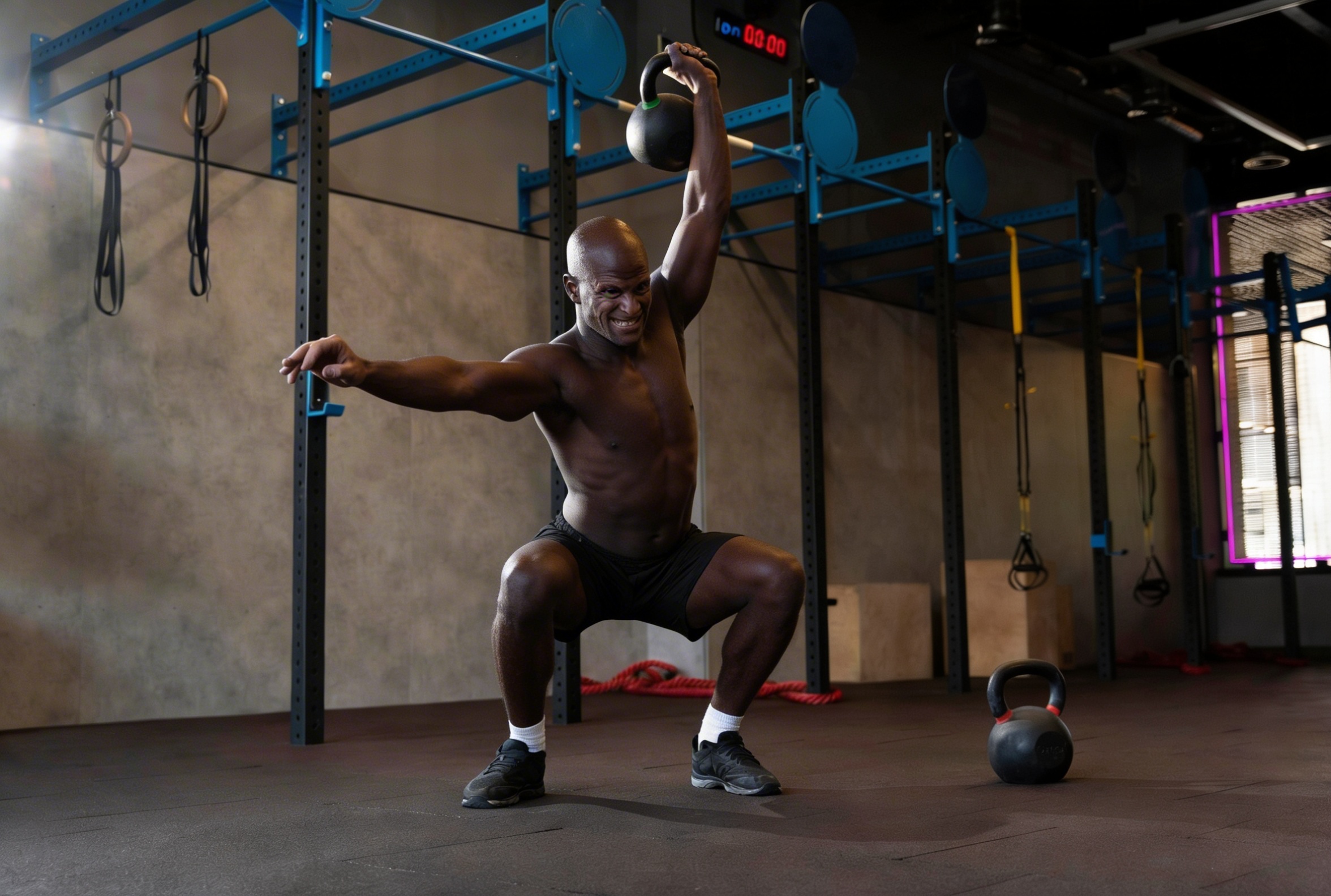
Flow 1: Single Arm Kettlebell Front Rack Squat → Press
Functional Strength vs Muscle Size: What You Actually Need


How to do it:
  • Clean the kettlebell to front rack.
  • Lower into a squat with your core braced.
  • Stand tall and press the kettlebell overhead.
  • Keep your ribs down and wrist stacked.
  • Lower the bell with control and repeat.

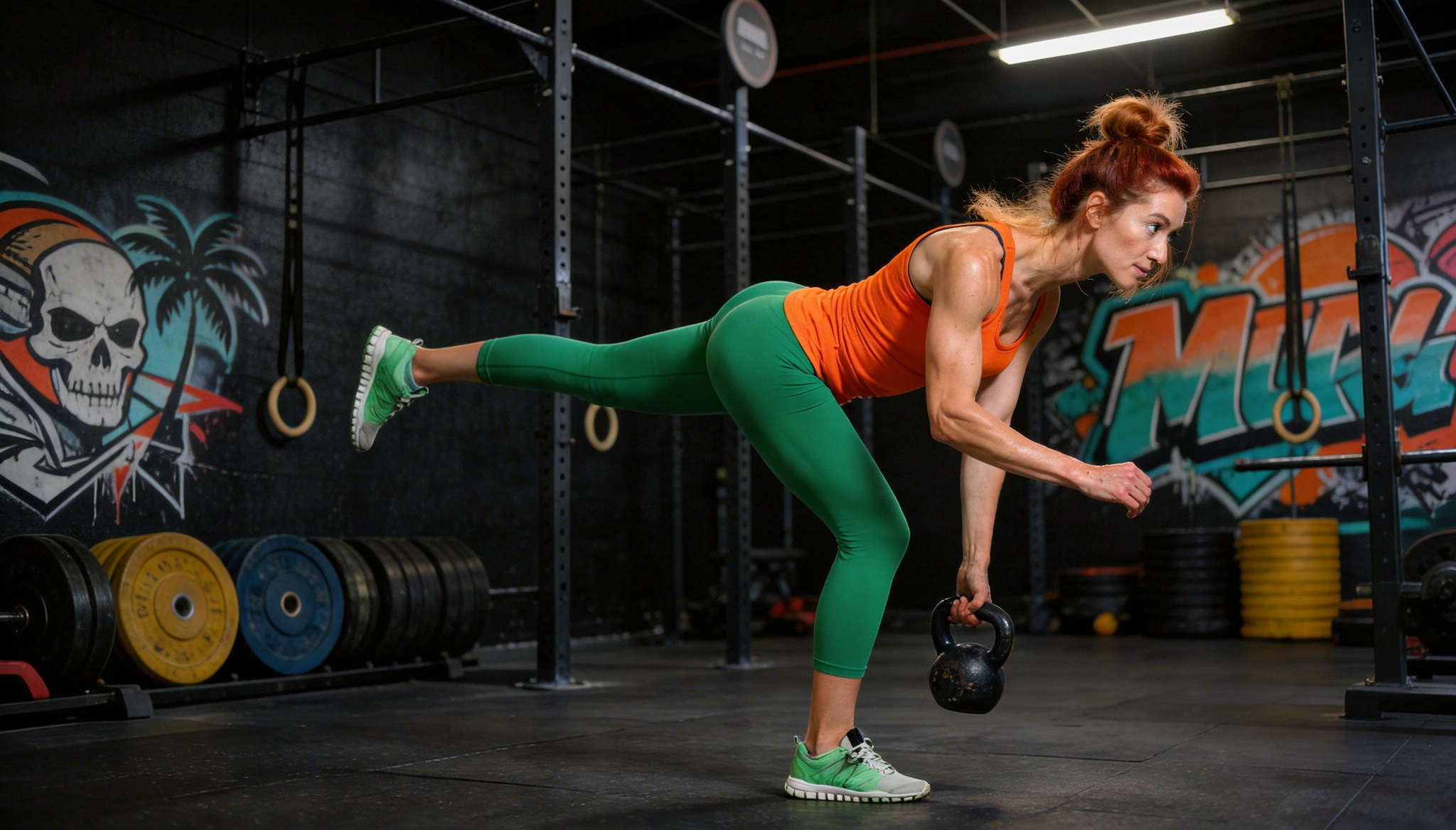
Flow 2: Single Arm Kettlebell Contralateral Single Leg RDL → Row
Functional Strength vs Muscle Size: What You Actually Need

How to do it:

  • Stand on one leg with the kettlebell in the opposite hand.
  • Hinge forward while keeping your hips square.
  • Pause at the bottom and row the kettlebell toward your ribs.
  • Lower the bell and return to standing.
  • Keep your core tight to avoid rotation.

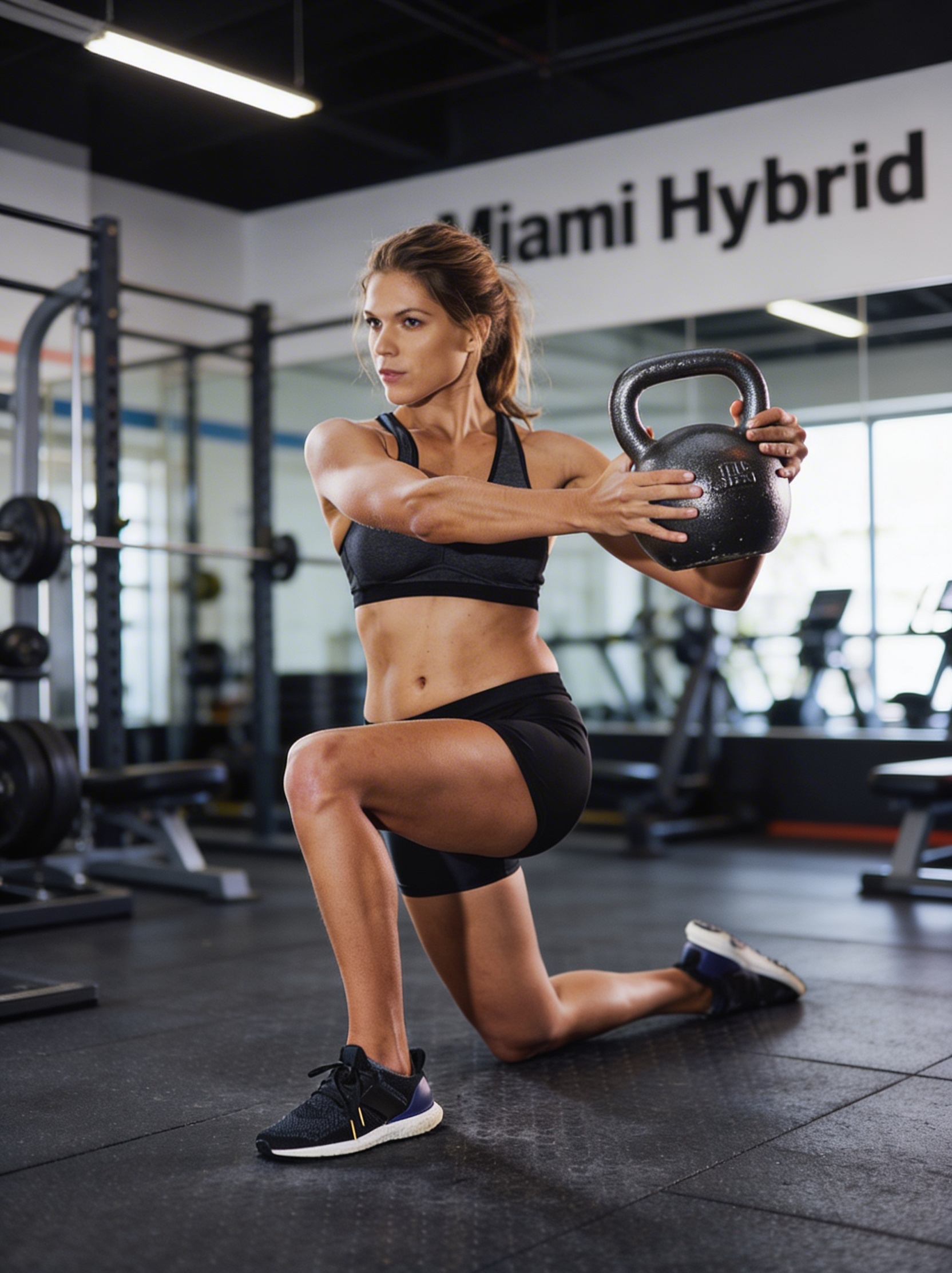
Flow 3: Kettlebell Half Kneeling Low to High Chop → Stand
Functional Strength vs Muscle Size: What You Actually Need

How to do it:
  • Start in a half‑kneeling stance with the kettlebell at your hip.
  • Rotate and lift the bell diagonally across your body.
  • Keep your core braced and hips stable.
  • Stand up smoothly while maintaining the diagonal path.
  • Reverse the motion with control.

Advanced — 3‑Movement Power Flows


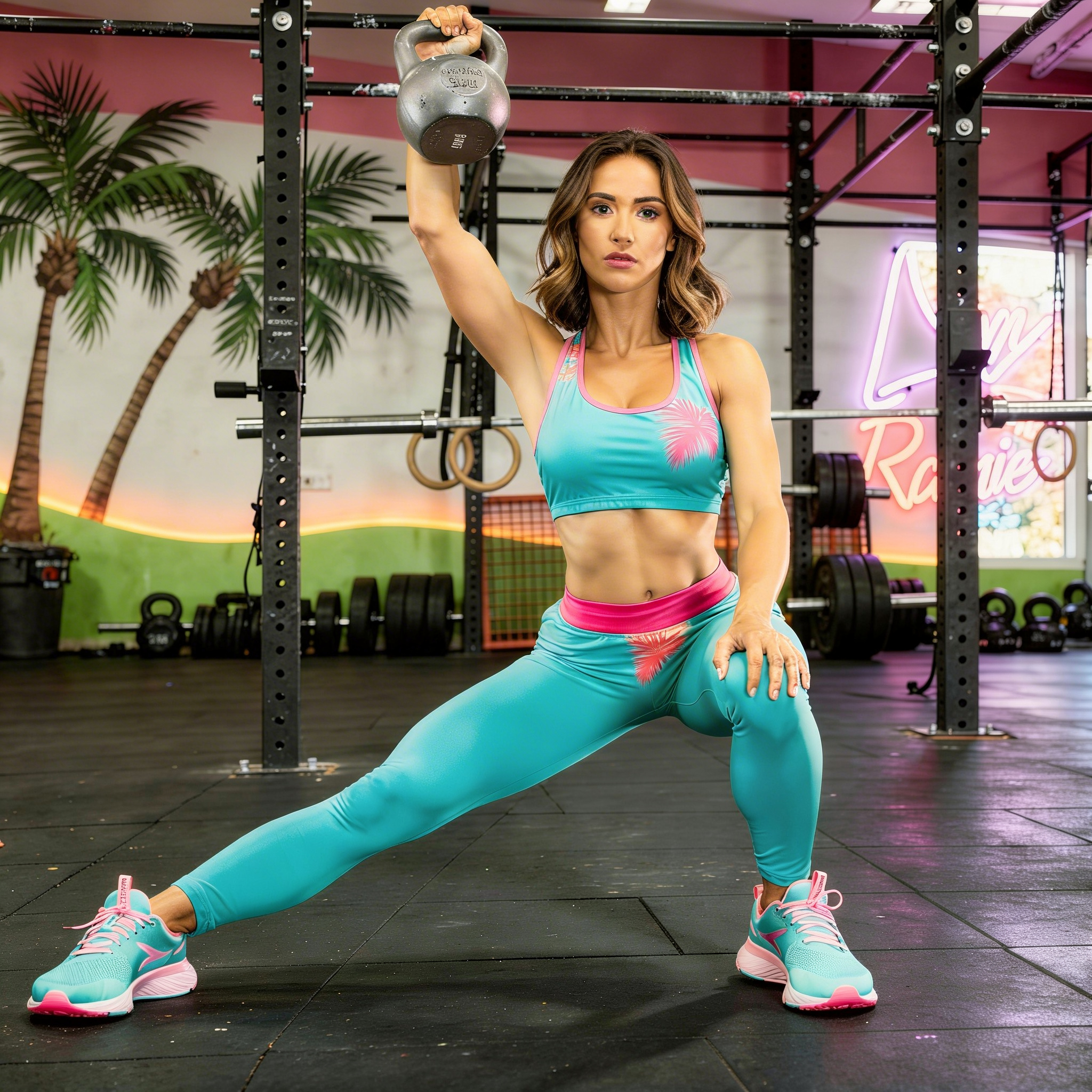
Flow 1: Single Arm Kettlebell Clean → Lateral Lunge → Press
Functional Strength vs Muscle Size: What You Actually Need

How to do it:
  • Clean the kettlebell to front rack.
  • Step into a lateral lunge with control.
  • Push back to center and press overhead.
  • Keep your core tight through the entire sequence.
  • Move fluidly without rushing transitions.

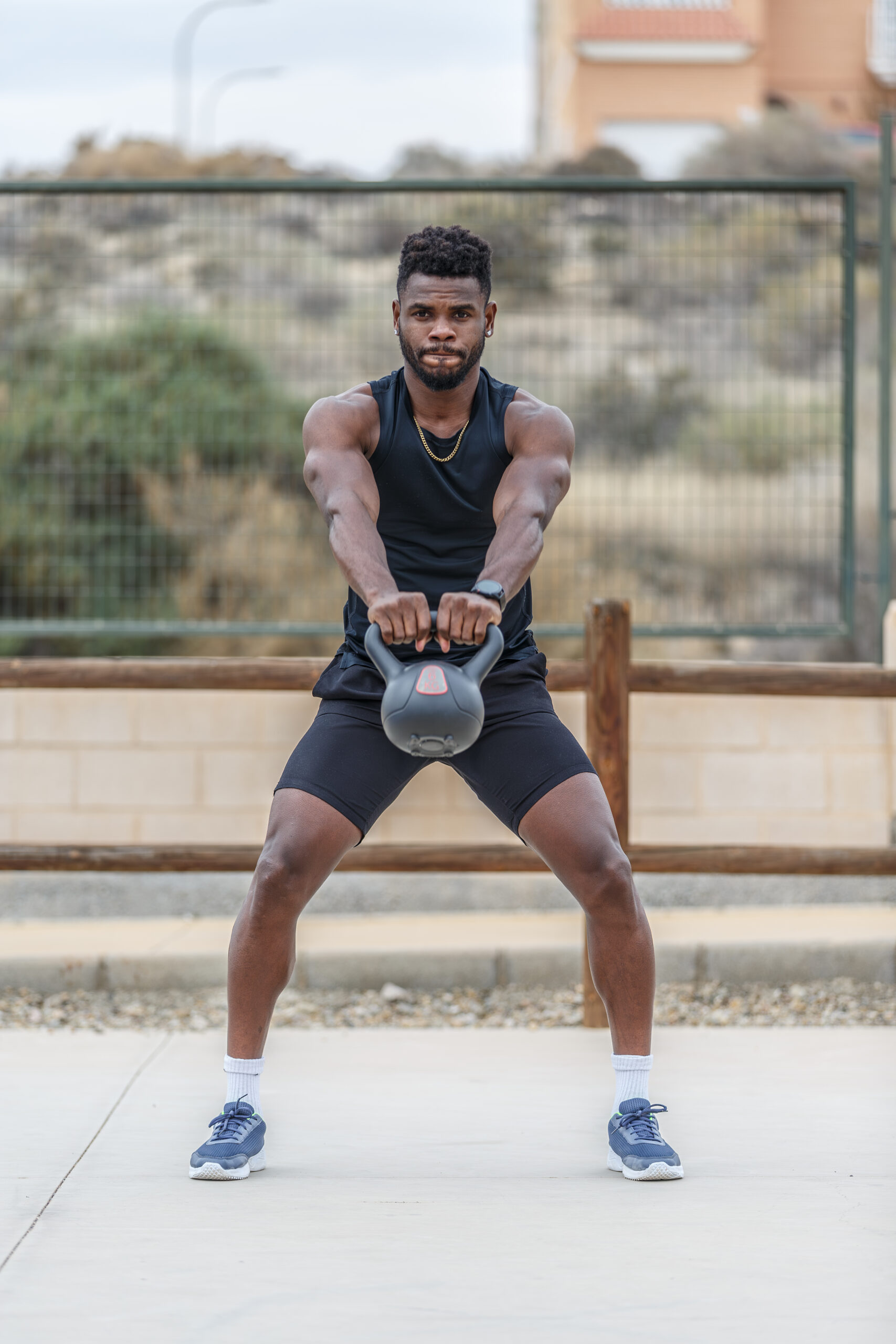
Flow 2: Kettlebell Swing → High Pull → Squat
Functional Strength vs Muscle Size: What You Actually Need

How to do it:
  • Hinge and swing the kettlebell to chest height.
  • Transition into a high pull with elbows high.
  • Catch the bell in front rack and drop into a squat.
  • Stand tall and reset into the next swing.
  • Maintain rhythm and breathing throughout.

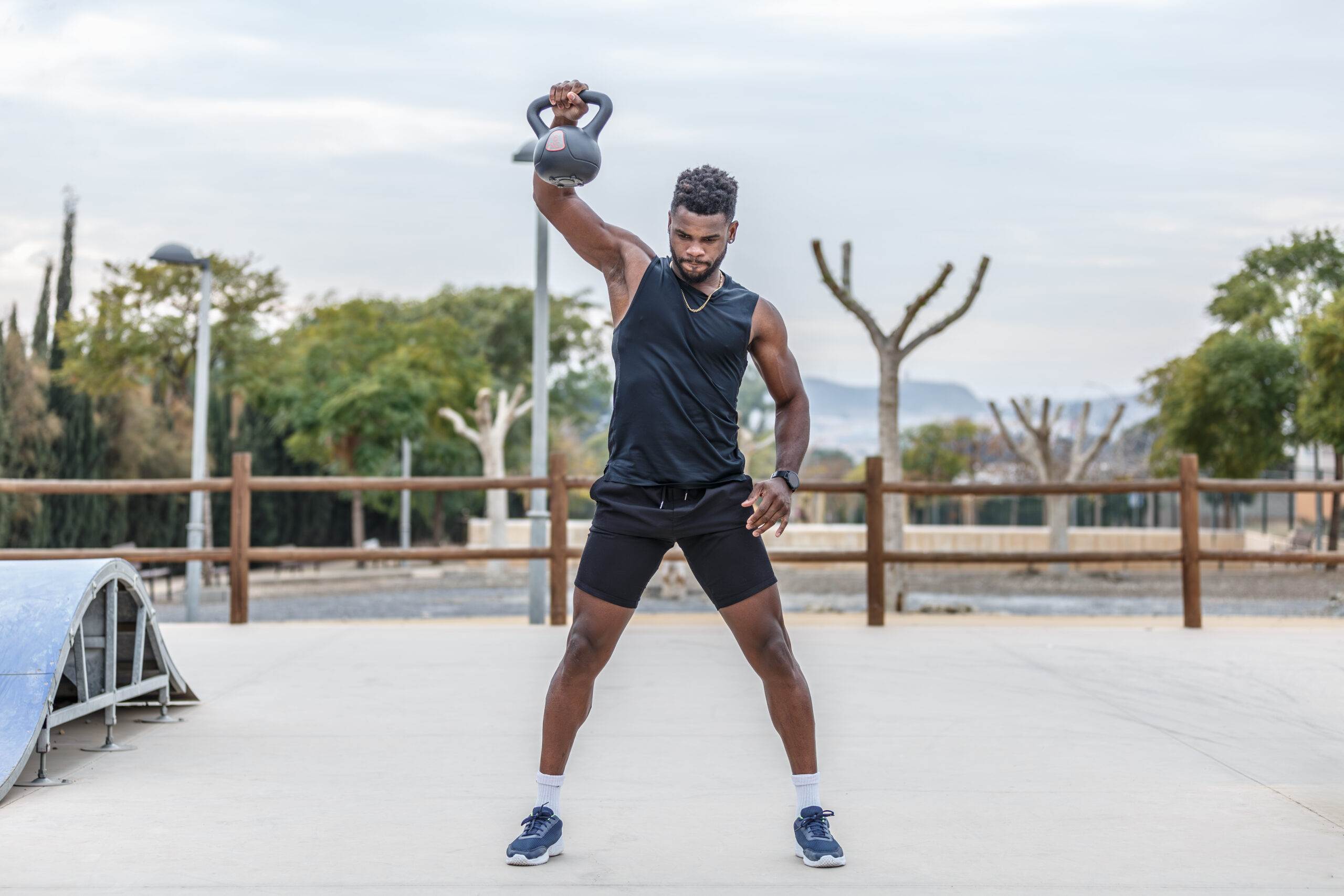
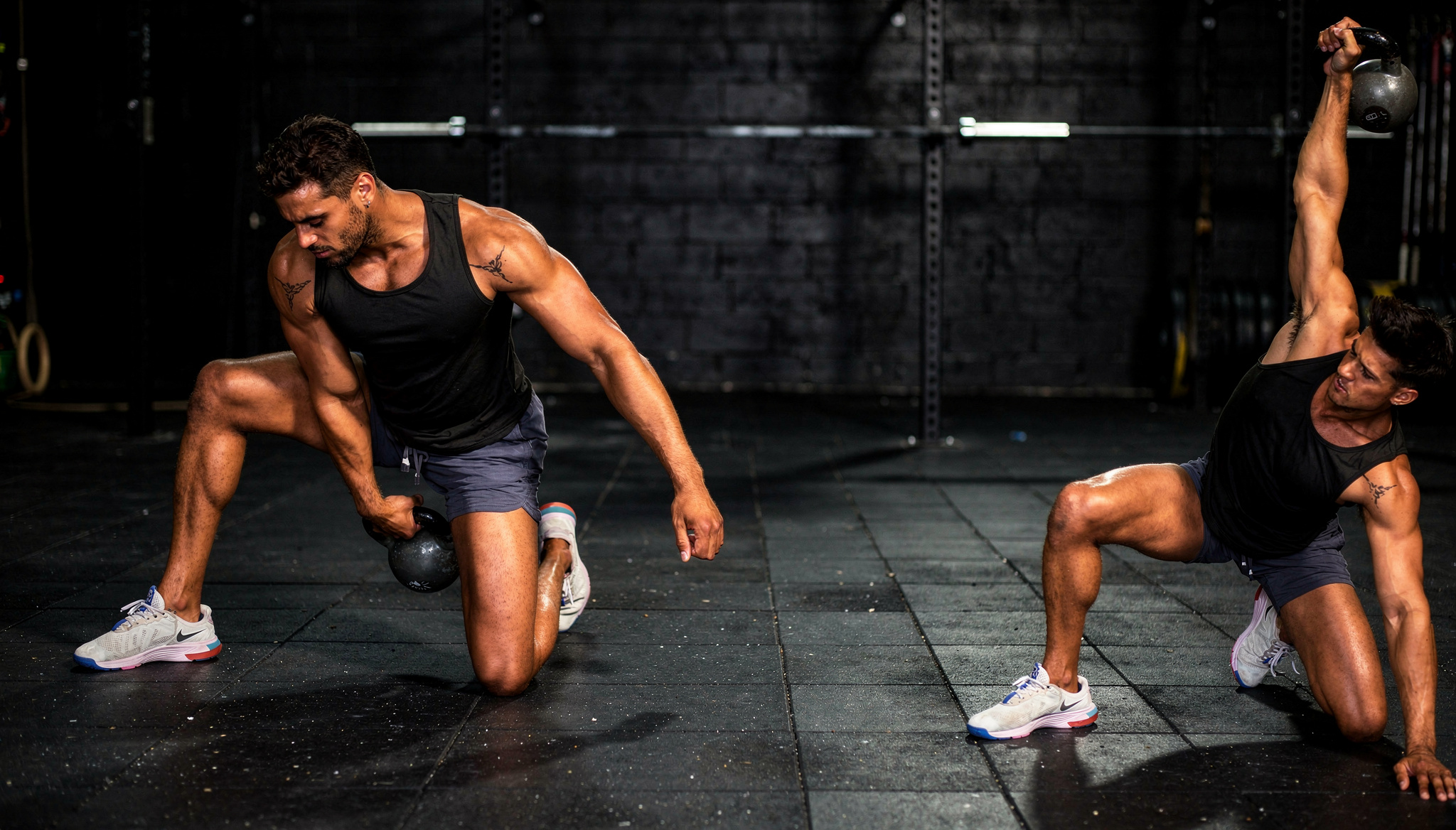
Flow 3: Single Arm Kettlebell Tactical Snatch → Overhead Lunge → Windmill
Functional Strength vs Muscle Size: What You Actually Need

How to do it:
  • Snatch the kettlebell overhead with power.
  • Step back into an overhead reverse lunge.
  • Stand tall and hinge into a windmill.
  • Keep your eyes on the kettlebell for stability.
  • Move with precision and control.

Elite — 4‑Movement Hybrid Athlete Flows

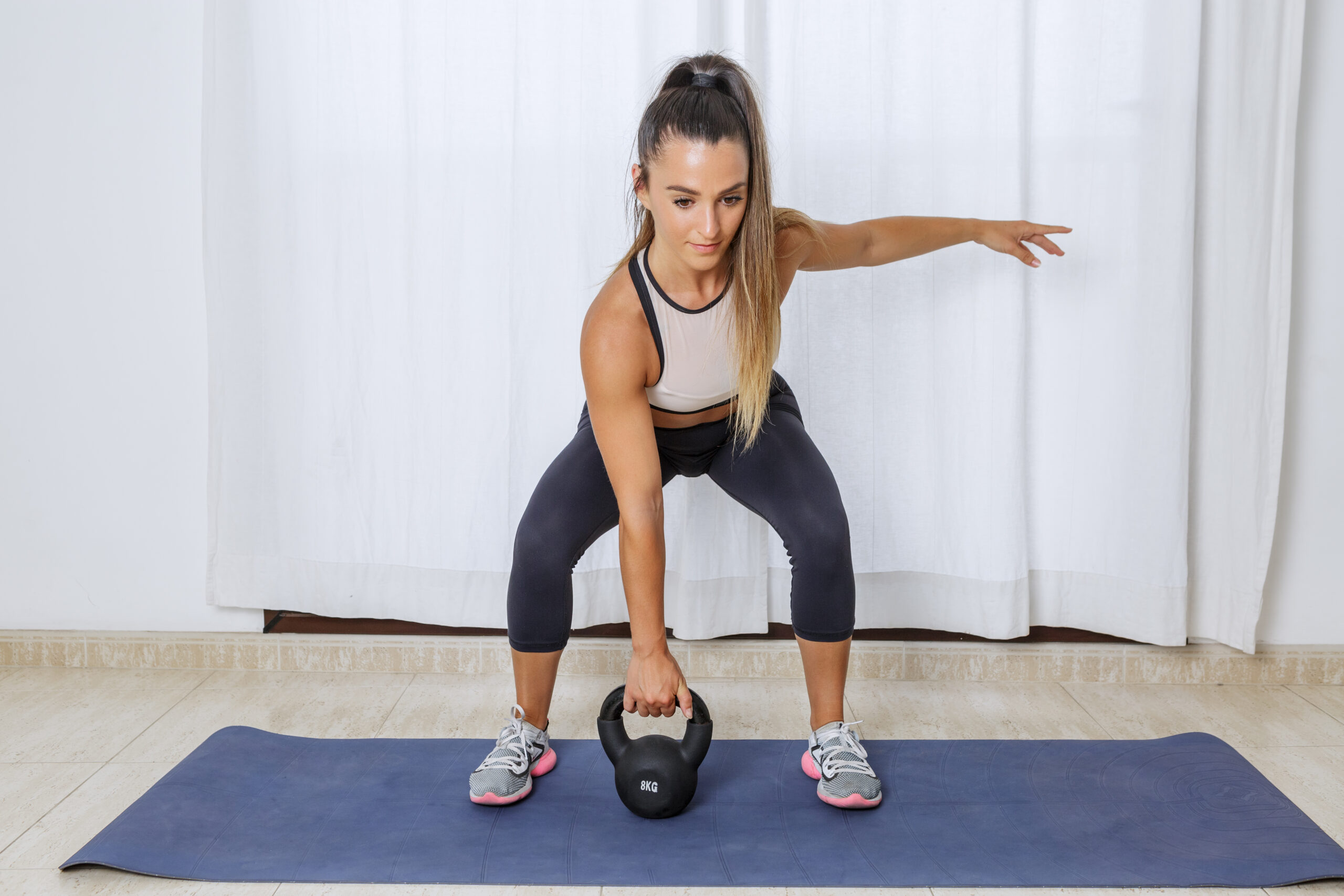
Flow 1: Single Arm Kettlebell Bottoms Up Clean → Press → Lateral Lunge → Rotation
Functional Strength vs Muscle Size: What You Actually Need

How to do it:
  • Clean the kettlebell bottoms‑up to front rack.
  • Press overhead with a locked‑in wrist.
  • Step into a lateral lunge while keeping the bell stable.
  • Rotate your torso toward the kettlebell side.
  • Return to center and repeat with precision.

Flow 2: Single Arm Kettlebell Snatch → Overhead Reverse Lunge → Windmill → March

Functional Strength vs Muscle Size: What You Actually Need

How to do it:
  • Snatch the kettlebell overhead with power.
  • Step back into a reverse lunge.
  • Stand tall and hinge into a windmill.
  • Finish with a controlled overhead march.
  • Maintain full‑body tension throughout.

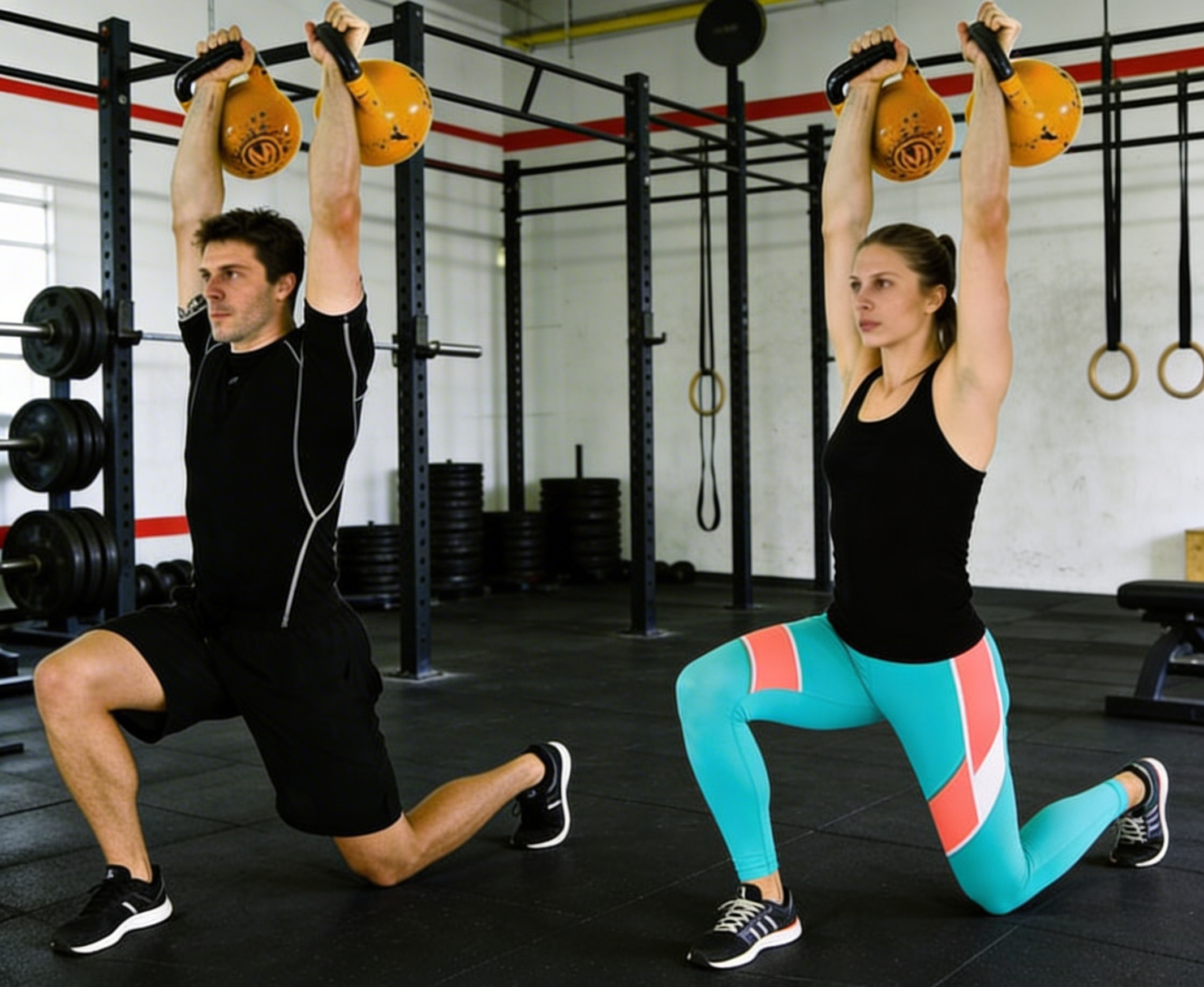
Flow 3: Double Kettlebell Bottoms Up Overhead Walking Lunge → Clean → Squat → Press
Functional Strength vs Muscle Size: What You Actually Need

How to do it:
  • Hold both kettlebells bottoms‑up overhead.
  • Step forward into a walking lunge.
  • Clean the bells to front rack.
  • Drop into a squat and press overhead.
  • Move like a single, fluid chain.

Calls to Action

→ Next: Core Strength for Everyday Movement: The Ultimate Hybrid Guide

→ Also read: How to Build a Weekly Hybrid Fitness Routine

Summary

Hybrid fitness isn’t about choosing functional strength vs muscle size. It’s about blending both so your body performs well in every direction. Functional strength helps you move better, stay stable, and avoid injuries. Muscle size helps you produce more force, build endurance, and support long-term metabolic health.

Kettlebell flow training is one of the most effective ways to build both at the same time. Flows challenge your strength, mobility, coordination, and conditioning in one sequence. As you progress through the Beignner-to-Elite matrix, you’ll develop a body that’s strong, athletic, and capable.

Hybrid fitness gives you the freedom to train for life, not just for looks. It keeps your workouts fun, challenging, and sustainable.

FAQs
  1. Are kettlebell flows good for beginners?

Yes—simple 2 movement flows build stability and confidence.

  1. Do kettlebell flows build muscle?

Absolutely. They challenge multiple muscle groups under load.

  1. Are flows better than traditional lifting?

They’re different—flows build athleticism, coordination, and mobility.

  1. How often should I train with kettlebell flows?

Most people do well with 2-3 flow sessions per week.

  1. Do I need heavy kettlebells?

No. Technique and control matter more than load.

  1. Can flows replace cardio?

The can—especially advanced and elite sequences.

Disclosure

This article is for educational purposes only and is not a substitute for professional medical advice. Always consult with a qualified healthcare provider before beginning any exercise program.

Smart tools, human guidance — straightforward, simple, effective, and fun.

Understanding functional strength vs muscle size is the key to building a body that performs as well as it looks. Many people chase bigger muscles without realizing that size alone doesn’t guarantee real-world strength, stability, or athletic movement. Hybrid fitness blends both, and kettlebell flow training is one of the most effective ways to develop strength, mobility, and endurance simultaneously.

Functional Strength vs Muscle Size in Hybrid Fitness

Functional strength focuses on how well your body moves through space. Muscle size (hypertrophy) focuses on increasing the cross-sectional area of muscle fibers. Both matter, but they serve different purposes.

Functional strength improves:
  • Balance and coordination
  • Joint stability
  • Movement efficiency
  • Real‑world performance

Functional Strength vs Muscle Size: What You Actually Need

Muscle size improves:
  • Force potential
  • Metabolic rate
  • Tissue resilience
  • Aesthetic appearance

Functional Strength vs Muscle Size: What You Actually Need

According to the National Strength and Conditioning Association (NSCA), multi-joint functional training improves neuromuscular efficiency and movement quality. The American College of Sports Medicine (ACSM), states that resistance training supports long-term health, strength, and injury prevention.

Why Functional Strength Matters for Everyday Life

Functional strength helps you lift, carry, climb, rotate, and stabilize your body during daily tasks. It’s the foundation of hybrid fitness because it blends strength, mobility, and endurance.

You rely on functional strength for:
  • Walking up stairs
  • Carrying heavy loads
  • Running or changing direction
  • Preventing injuries
  • Maintaining posture

Functional Strength vs Muscle Size: What You Actually Need

This type of training improves movement quality and reduces the risk of overuse injuries.

Why Muscle Size Still Matters for Hybrid Athletes

Muscle size isn’t just about aesthetics. Larger muscles store more glycogen, support joint stability, and increase your ability to produce force. Hybrid athletes benefit from a blend of hypertrophy and functional training.

Research from the Journal of Strength and Conditioning Research (JSCR) shows that hypertrophy contributes to strength potential even when training isn’t purely strength-focused.

How Kettlebell Flow Training Builds Both

Kettlebell flows combine strength, mobility, power, and conditioning into a single sequence. Instead of isolated reps, you move through chains of movements that challenge your entire body.

Flows improve:
  • Strength
  • Coordination
  • Mobility
  • Endurance
  • Stability
  • Athleticism

Functional Strength vs Muscle Size: What You Actually Need

This makes kettlebell flows perfect for hybrid fitness.

The Kettlebell Flow Progression Matrix (Beginner → Elite)

Beginner — 2‑Movement Foundation Flows


Flow 1: Kettlebell Horn Grip Squat → March

Functional Strength vs Muscle Size: What You Actually Need

How to do it:
  • Hold the kettlebell by the horns at chest height.
  • Stand tall with feet shoulder‑width apart.
  • Sit your hips back and lower into a squat.
  • Keep your chest lifted and core braced.
  • Stand tall and immediately lift one knee to hip height.
  • Lower the foot and repeat on the other side.
  • Maintain smooth, controlled breathing throughout.


Flow 2: Kettlebell Goblet Lateral Lunge → Squat

Functional Strength vs Muscle Size: What You Actually Need

How to do it:
  • Hold the kettlebell in goblet position.
  • Step out to the side and sit into a lateral lunge.
  • Push through your heel to return to center.
  • Immediately drop into a goblet squat.
  • Keep your core tight and spine long.
  • Move slowly to maintain balance and control.

Flow 3: Kettlebell Dead Clean → Reverse Lunge

Functional Strength vs Muscle Size: What You Actually Need

How to do it:
  • Start with the kettlebell between your feet.
  • Hinge at the hips and clean the bell to front rack.
  • Step one foot back into a reverse lunge.
  • Keep your torso tall and knee aligned.
  • Return to standing and repeat on the other side.
  • Maintain smooth transitions between movements.

Intermediate — 2‑Movement Athletic Flows


Flow 1: Single Arm Kettlebell Front Rack Squat → Press

Functional Strength vs Muscle Size: What You Actually Need


How to do it:
  • Clean the kettlebell to front rack.
  • Lower into a squat with your core braced.
  • Stand tall and press the kettlebell overhead.
  • Keep your ribs down and wrist stacked.
  • Lower the bell with control and repeat.

Flow 2: Single Arm Kettlebell Contralateral Single Leg RDL → Row

Functional Strength vs Muscle Size: What You Actually Need

How to do it:

  • Stand on one leg with the kettlebell in the opposite hand.
  • Hinge forward while keeping your hips square.
  • Pause at the bottom and row the kettlebell toward your ribs.
  • Lower the bell and return to standing.
  • Keep your core tight to avoid rotation.

Flow 3: Kettlebell Half Kneeling Low to High Chop → Stand

Functional Strength vs Muscle Size: What You Actually Need

How to do it:
  • Start in a half‑kneeling stance with the kettlebell at your hip.
  • Rotate and lift the bell diagonally across your body.
  • Keep your core braced and hips stable.
  • Stand up smoothly while maintaining the diagonal path.
  • Reverse the motion with control.

Advanced — 3‑Movement Power Flows


Flow 1: Single Arm Kettlebell Clean → Lateral Lunge → Press

Functional Strength vs Muscle Size: What You Actually Need

How to do it:
  • Clean the kettlebell to front rack.
  • Step into a lateral lunge with control.
  • Push back to center and press overhead.
  • Keep your core tight through the entire sequence.
  • Move fluidly without rushing transitions.

Flow 2: Kettlebell Swing → High Pull → Squat

Functional Strength vs Muscle Size: What You Actually Need

How to do it:
  • Hinge and swing the kettlebell to chest height.
  • Transition into a high pull with elbows high.
  • Catch the bell in front rack and drop into a squat.
  • Stand tall and reset into the next swing.
  • Maintain rhythm and breathing throughout.

Flow 3: Single Arm Kettlebell Tactical Snatch → Overhead Lunge → Windmill

Functional Strength vs Muscle Size: What You Actually Need

How to do it:
  • Snatch the kettlebell overhead with power.
  • Step back into an overhead reverse lunge.
  • Stand tall and hinge into a windmill.
  • Keep your eyes on the kettlebell for stability.
  • Move with precision and control.

Elite — 4‑Movement Hybrid Athlete Flows

Flow 1: Single Arm Kettlebell Bottoms Up Clean → Press → Lateral Lunge → Rotation

Functional Strength vs Muscle Size: What You Actually Need

How to do it:
  • Clean the kettlebell bottoms‑up to front rack.
  • Press overhead with a locked‑in wrist.
  • Step into a lateral lunge while keeping the bell stable.
  • Rotate your torso toward the kettlebell side.
  • Return to center and repeat with precision.

Flow 2: Single Arm Kettlebell Snatch → Overhead Reverse Lunge → Windmill → March

Functional Strength vs Muscle Size: What You Actually Need

How to do it:
  • Snatch the kettlebell overhead with power.
  • Step back into a reverse lunge.
  • Stand tall and hinge into a windmill.
  • Finish with a controlled overhead march.
  • Maintain full‑body tension throughout.

Flow 3: Double Kettlebell Bottoms Up Overhead Walking Lunge → Clean → Squat → Press

Functional Strength vs Muscle Size: What You Actually Need

How to do it:
  • Hold both kettlebells bottoms‑up overhead.
  • Step forward into a walking lunge.
  • Clean the bells to front rack.
  • Drop into a squat and press overhead.
  • Move like a single, fluid chain.

Calls to Action

→ Next: Core Strength for Everyday Movement: The Ultimate Hybrid Guide

→ Also read: How to Build a Weekly Hybrid Fitness Routine

Summary

Hybrid fitness isn’t about choosing functional strength vs muscle size. It’s about blending both so your body performs well in every direction. Functional strength helps you move better, stay stable, and avoid injuries. Muscle size helps you produce more force, build endurance, and support long-term metabolic health.

Kettlebell flow training is one of the most effective ways to build both at the same time. Flows challenge your strength, mobility, coordination, and conditioning in one sequence. As you progress through the Beignner-to-Elite matrix, you’ll develop a body that’s strong, athletic, and capable.

Hybrid fitness gives you the freedom to train for life, not just for looks. It keeps your workouts fun, challenging, and sustainable.

FAQs
  1. Are kettlebell flows good for beginners?

Yes—simple 2 movement flows build stability and confidence.

  1. Do kettlebell flows build muscle?

Absolutely. They challenge multiple muscle groups under load.

  1. Are flows better than traditional lifting?

They’re different—flows build athleticism, coordination, and mobility.

  1. How often should I train with kettlebell flows?

Most people do well with 2-3 flow sessions per week.

  1. Do I need heavy kettlebells?

No. Technique and control matter more than load.

  1. Can flows replace cardio?

The can—especially advanced and elite sequences.

Disclosure

This article is for educational purposes only and is not a substitute for professional medical advice. Always consult with a qualified healthcare provider before beginning any exercise program.

Smart tools, human guidance — straightforward, simple, effective, and fun.

Leave a Comment

Your email address will not be published. Required fields are marked *

Scroll to Top
Scroll to Top
Verified by MonsterInsights